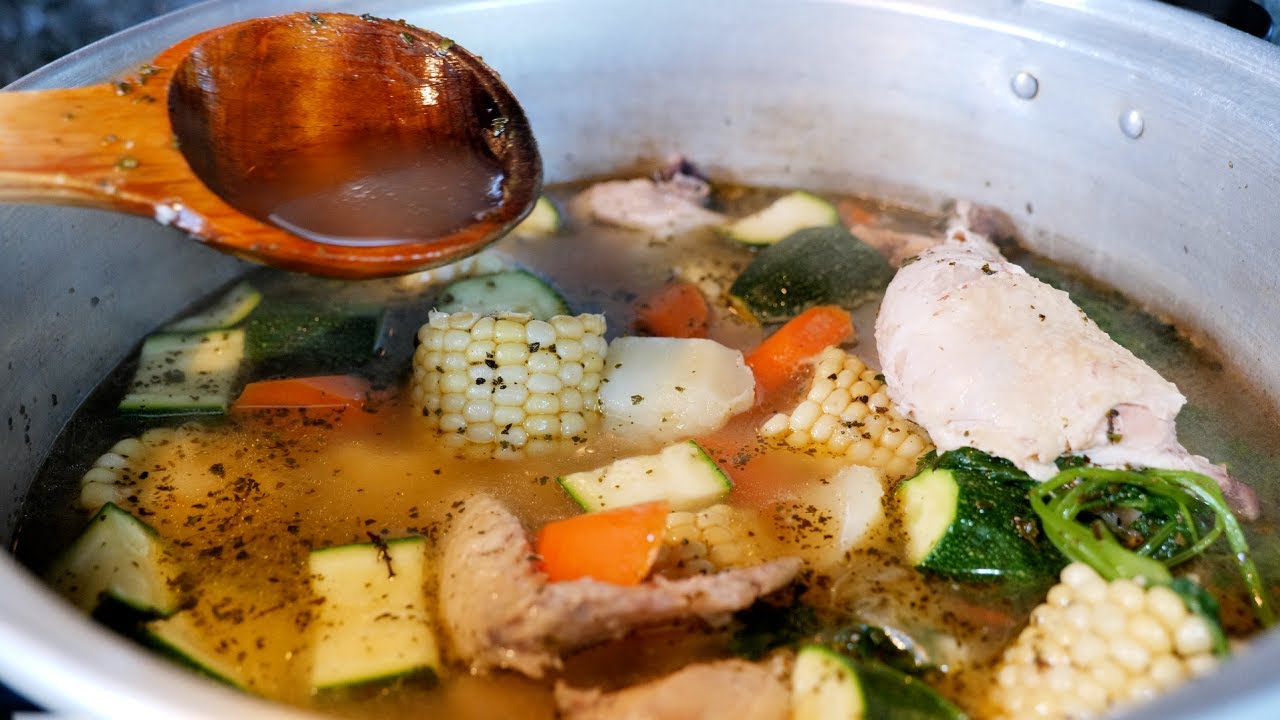
Chicken Caldo Recipe: There is something deeply satisfying about a bowl of Chicken Caldo. It is warm, fragrant, filling, and soothing in a way that feels almost medicinal.
One spoonful of rich broth, tender chicken, and soft vegetables can make an ordinary day feel a little easier. That is exactly why this dish has stayed popular in so many Filipino homes.
Meanwhile, it is the kind of recipe people turn to when the weather gets cold, when someone in the family is under the weather, or when a simple homemade meal sounds better than anything fancy.
What Makes This Chicken Caldo Recipe Special
A lot of recipes can give you a decent bowl of soup, but a truly good Chicken Caldo recipe does more than just combine ingredients in hot liquid. It builds flavor in stages. That is the secret. Instead of tossing everything into the pot at once and hoping for the best, this method lets each ingredient do its job at the right moment. The aromatics are sautéed first to wake up their flavor. The chicken is browned lightly so it develops more richness. The vegetables are added later so they stay tender without turning mushy. Each step matters.
This version is also designed for home cooks who want a professional yet approachable result. You do not need restaurant-level training or expensive cookware to make this work. What you need is a little patience and a clear process. That is what this guide gives you. It breaks the recipe down in a way that feels manageable, whether this is your first time cooking Chicken Caldo or your tenth. The goal is not just to help you follow instructions but to help you understand why the recipe works.
Another thing that makes this guide special is that it keeps the Ingredients You’ll Need section practical and easy to follow. No vague measurements, no guessing games, and no complicated substitutions hidden halfway through the article. You get a clear ingredient list, a step-by-step guide, and extra tips that help you avoid common cooking mistakes. That way, your caldo does not just turn out edible. It turns out flavorful, aromatic, and worthy of being made again.
Ingredients You’ll Need
Before you even turn on the stove, it helps to gather everything in one place. Cooking Chicken Caldo gets much easier when your ingredients are cleaned, chopped, and ready to go. This dish may be simple, but it still rewards good preparation. Think of it like setting the stage before a performance. Once the cooking starts, everything moves more smoothly when you are not scrambling to peel garlic or slice ginger while the pot is already heating.
Here is the complete list of Ingredients You’ll Need for a flavorful and comforting pot of Chicken Caldo:
- 2 lbs chicken, cut into serving pieces
- 1 tablespoon cooking oil
- 1 medium onion, chopped
- 5 cloves garlic, minced
- 2-inch piece ginger, sliced into thin strips
- 8 cups chicken broth or water
- 1 tablespoon fish sauce
- 1 medium green papaya, peeled, deseeded, and sliced into wedges
or 2 chayotes, peeled and sliced - 2 cups chili leaves
or substitute with spinach, moringa leaves, or bok choy - Salt, to taste
- Ground black pepper, to taste
Optional toppings and extras:
- Fried garlic
- Sliced green onions
- Calamansi or lemon wedges
- Fish sauce on the side
- Cooked rice, served separately
This ingredient list keeps the recipe classic and reliable. The chicken provides the body, the ginger gives signature warmth, and the papaya or chayote adds subtle sweetness that rounds out the broth. The greens go in near the end, bringing freshness and color to the dish. Even the optional toppings matter more than people think. A little fried garlic or a squeeze of calamansi can make the final bowl taste brighter and more complete.
Main Ingredients for the Broth and Chicken
The heart of any good Chicken Caldo is, of course, the chicken and broth. These two elements carry the whole dish, so choosing them well makes a real difference. Bone-in chicken pieces are usually the best option because they create a more flavorful and richer broth as they simmer. Drumsticks, thighs, wings, or a mix of cuts all work beautifully. Breast meat can be used too, but it tends to cook faster and may not give the broth as much depth. If you want caldo with soul, bone-in dark meat is hard to beat.
Broth choice matters just as much. Using chicken broth instead of plain water gives you a stronger savory base from the beginning. Still, if water is what you have, that is perfectly fine because the chicken, ginger, garlic, and fish sauce will still build plenty of flavor as they cook. Some cooks even prefer starting with water because it lets the chicken flavor develop more naturally. It is a bit like starting with a blank canvas rather than a painted one. Both can work. It just depends on how bold you want the broth to be from the start.
Fish sauce plays a surprisingly important role here too. It does not make the dish taste fishy. Instead, it deepens the savory quality of the caldo and gives it that unmistakable homemade Filipino character. Used carefully, it acts like a flavor amplifier. When paired with simmered chicken and broth, it creates a base that tastes layered and satisfying. That is why these core ingredients are not just basic parts of the recipe. They are the backbone of the whole experience.
Vegetables, Aromatics, and Seasonings
If the chicken and broth form the backbone of Chicken Caldo, then the aromatics and vegetables are the personality. Onion, garlic, and ginger are absolutely essential here. Together, they build the aroma that makes this dish instantly recognizable. Garlic adds earthiness, onion brings sweetness, and ginger cuts through with warmth and brightness. When sautéed in oil, these ingredients release a smell that practically announces comfort before the soup has even started simmering. It is the kind of kitchen aroma that makes people ask, “What are you cooking?” from across the house.
The vegetable component matters just as much. Traditionally, green papaya is used because it softens well in the broth while keeping its shape. It also adds a mild sweetness that balances the savory elements in the soup. If green papaya is not available, chayote is an excellent substitute. It has a similar texture, absorbs flavor beautifully, and keeps the broth light rather than starchy. This is one of those recipe choices where either option can shine, and the final result still feels true to the dish.
For seasoning, the beauty of Chicken Caldo lies in restraint. Salt and black pepper are usually enough once fish sauce and broth are in play. The final greens, whether chili leaves, spinach, or moringa, bring freshness at the end and stop the soup from feeling too heavy. They give the caldo a final layer of life. Without them, the soup can still be good. With them, it feels finished.
Optional Toppings and Add-Ons
Optional toppings may sound like extras, but in a dish like Chicken Caldo, they can completely change the final impression of the meal. Think of them as the finishing brushstrokes on a painting. The soup itself may already be comforting and flavorful, but the toppings sharpen, brighten, and personalize every bowl. A handful of fried garlic adds crunch and a toasted aroma that contrasts beautifully with the soft vegetables and tender chicken. It is a small touch, but it makes each spoonful more interesting.
Sliced green onions bring freshness and a slight bite that keeps the caldo from feeling too soft or one-note. A squeeze of calamansi or lemon also works wonders. The citrus cuts through the richness of the broth and lifts the whole dish, much like opening a window in a warm room. Even a side dish of plain steamed rice can change the way the meal feels. Some people like to sip the caldo like soup, while others spoon it generously over rice for something heartier and more filling.
Fish sauce on the side is another smart option because it lets each person adjust the saltiness and depth to their liking. That flexibility is part of what makes this recipe so appealing in family settings. Everyone can tweak their own bowl without changing the whole pot. These add-ons may be optional on paper, but in practice, they often become part of what people remember most about a great homemade Chicken Caldo.
Kitchen Tools to Prepare Chicken Caldo
You do not need a professional kitchen to make Chicken Caldo, but having the right basic tools helps a lot. A large, heavy-bottomed pot or Dutch oven is the most important piece. This is where everything comes together, so you want a pot that distributes heat evenly and gives your ingredients enough space to simmer without crowding. A thin pot can still work, but it may cause the bottom to heat too quickly, especially during sautéing. That can lead to garlic burning before the onions soften, and once garlic burns, the bitterness tends to linger.
A sharp knife and a sturdy cutting board are also essential because this recipe involves chopping onion, mincing garlic, slicing ginger, and preparing vegetables like papaya or chayote. Clean, even cuts help everything cook more consistently. You will also want a wooden spoon or heat-resistant spatula for stirring. That tool does more work than people realize. It helps you scrape up flavor from the bottom of the pot, move ingredients without shredding the chicken, and gently combine the greens at the end without crushing them.
A ladle is useful for serving, and a small bowl for toppings can make the presentation feel more intentional. None of these tools are fancy, but they support good cooking habits. In many ways, Chicken Caldo is proof that comfort food does not demand a complicated setup. It asks more for attention than equipment. Give it a reliable pot, a few sharp tools, and a little patience, and it will reward you.
Choosing the Best Chicken for Caldo
Choosing the right chicken can quietly shape the success of your Chicken Caldo. It is one of those decisions that seems small at first but becomes obvious once the soup is done. Bone-in chicken pieces are usually the best choice because bones add body and richness to the broth as it simmers. Cuts like thighs, drumsticks, and wings bring more flavor than boneless chicken breast alone. They also tend to stay tender even after longer cooking, which is important in a recipe built around gentle simmering.
That said, you are not locked into one kind of cut. A mix of chicken parts often gives the best result because it combines different textures and levels of richness. Thighs offer juicy meat, drumsticks are hearty and satisfying, and wings contribute extra collagen to the broth. If you prefer white meat, you can still use breast pieces, but it helps to monitor them carefully so they do not dry out. The goal is not just cooked chicken. The goal is tender chicken that feels like it belongs in the broth, not something floating in it.
Fresh chicken is ideal, but frozen chicken works too as long as it is properly thawed before cooking. Patting the pieces dry before browning also helps them develop better color and flavor. It is a small step, but it gives the dish a stronger foundation. In a recipe as straightforward as this one, each ingredient has nowhere to hide. That is why choosing good chicken is not about being fancy. It is about setting the whole dish up to taste better from the very beginning.
Preparing Your Ingredients the Right Way
Preparation is where a lot of home cooks either make things easy for themselves or unintentionally create stress. With Chicken Caldo, ingredient prep is not complicated, but doing it well makes the cooking process much smoother. Start by washing and patting the chicken dry. Dry chicken browns better, and better browning means better flavor. Next, chop the onion, mince the garlic, and slice the ginger into thin strips. Thin ginger slices are especially useful because they release flavor quickly and spread that signature warmth evenly through the broth.
For the vegetables, peel your green papaya or chayote carefully and cut them into chunks or wedges that are large enough to hold their shape as they simmer. Cut them too small, and they may turn mushy before the soup is ready. The leafy greens should be washed thoroughly and drained well. Since they go in near the end, keep them set aside separately so they are ready when needed. This may seem simple, but having them prepared beforehand means you can focus on timing once the soup is underway.
It also helps to measure the broth, fish sauce, salt, and pepper before you begin. This turns the cooking process into a calm sequence instead of a rushed scavenger hunt. There is a rhythm to making a good caldo, and mise en place supports that rhythm beautifully. When everything is ready in advance, you are free to pay attention to the pot, the aroma, and the texture of the ingredients as they change. That awareness often makes the difference between a decent soup and a truly memorable one.
Step-by-Step Guide for Chicken Caldo
Step 1 – Sauté the Aromatics
Heat a little oil in a large pot over medium heat. Add chopped onion, minced garlic, and sliced ginger, then sauté until soft and fragrant. Stir often so the aromatics do not burn. This step builds the deep, comforting flavor of the dish.
Step 2 – Brown the Chicken
Add the chicken pieces to the pot and cook for several minutes, turning occasionally, until lightly browned on all sides. Browning adds extra flavor and helps the chicken stay juicy as it simmers. Make sure the chicken is evenly coated with the aromatics.
Step 3 – Add Fish Sauce and Build the Base
Pour in the fish sauce and stir well to coat the chicken. Let it cook for about a minute so the flavor blends into the aromatics and meat. This creates a rich and savory base for the soup or porridge.
Step 4 – Pour in Broth and Simmer
Add the broth or water to the pot and bring everything to a gentle boil. Once boiling, reduce the heat and let it simmer for a few minutes so the chicken becomes tender and the flavors combine nicely.
Step 5 – Add the Rice and Cook Until Creamy
Stir in the rice and mix well so it does not stick to the bottom. Let it cook over low heat, stirring from time to time, until the rice softens and the mixture becomes thick and creamy.
Step 6 – Adjust the Texture and Seasoning
Add more broth or hot water if the mixture becomes too thick. Taste and adjust with salt, pepper, or a little more fish sauce if needed. The texture should be smooth, rich, and easy to spoon.
Step 7 – Add Toppings and Serve Hot
Ladle into bowls and top with chopped green onions, fried garlic, boiled egg, or any preferred garnish. Serve hot for a warm and satisfying meal.
How to Know When Chicken Caldo Is Perfectly Cooked
A well-cooked Chicken Caldo is easy to recognize once you know what to look for. The chicken should be tender enough to pull away from the bone without much effort, but not so soft that it falls apart into strings the moment you stir the pot. The vegetables should be fork-tender, holding their shape while still feeling delicate in each bite. The greens should be wilted and vibrant, not gray or lifeless. When all those textures line up, the dish begins to feel harmonious.
The broth is another clue. It should smell warm, savory, and distinctly gingery without being harsh. Taste it, and you should notice layers rather than just salt. The flavor should feel rounded, with the sweetness of onion and vegetables softening the edges of the fish sauce and chicken. If the broth tastes thin or flat, it may need a little more simmering or seasoning. If it tastes too salty, a bit more hot water can help rebalance it.
Visually, the soup should look inviting rather than murky or overworked. Clear enough to see the ingredients, rich enough to look nourishing. That is the sweet spot. A perfect caldo is not flashy. It does not need to impress through complexity. It impresses because every part feels right, from the aroma to the tenderness to the final spoonful of broth at the bottom of the bowl.
Serving Suggestions for the Best Experience
Serving Chicken Caldo well is about more than just ladling it into a bowl. Presentation and pairings can elevate the dish from simple soup to a memorable meal. Start with a deep bowl so the broth stays hot longer and the ingredients sit comfortably without spilling over. Add a generous portion of chicken, vegetables, and greens to each serving so every bowl feels balanced. Then finish with toppings like fried garlic, green onions, or a wedge of calamansi on the side.
Steamed rice is one of the best partners for this dish. Some people enjoy the caldo as a complete soup on its own, while others like to spoon the broth over rice and eat it as a heartier meal. Both approaches work beautifully. The soft rice absorbs the broth and makes the meal feel even more satisfying. It is the kind of pairing that stretches comfort into something deeply filling.
This dish is especially good served hot, almost steaming, because the aroma is part of the experience. Ginger rises first, then chicken, then that savory scent that invites you in. On a rainy day or a quiet evening, a bowl of caldo can feel almost therapeutic. It is not just dinner. It is relief in edible form. That may sound dramatic, but anyone who has eaten a really good caldo while tired, sick, or chilled knows exactly what that means.
Common Mistakes to Avoid
Even a simple recipe like Chicken Caldo can go wrong if a few key details are missed. One of the most common mistakes is rushing the sautéing stage. If the onion, garlic, and ginger are not given enough time to soften and release their aroma, the broth can taste flat from the start. Another mistake is boiling the soup too aggressively. A hard boil can toughen the chicken, break the vegetables apart, and leave the broth cloudy instead of clean and inviting.
Adding vegetables too early is another issue. Green papaya or chayote needs time, but not too much. If cooked too long, they become overly soft and can make the caldo feel mushy. Greens are even more delicate. Tossing them in too soon causes them to lose color and freshness, which weakens the final dish visually and in flavor. Timing is the invisible ingredient here, and getting it right changes everything.
Overseasoning too early can also create problems. Because the broth reduces slightly and ingredients release their own flavor as they cook, what seems under-seasoned at first may become just right later. That is why final seasoning should happen near the end. The best way to avoid mistakes is to stay present with the pot. Smell the broth, watch the texture, and taste as you go. Cooking this dish well is less about strict perfection and more about paying attention.
Easy Variations You Can Try
One of the nicest things about Chicken Caldo is that it welcomes variation without losing its identity. You can make small changes based on what is available in your kitchen or what kind of flavor profile you enjoy most. For example, some cooks add more ginger for a stronger, spicier warmth, especially when making the dish during colder months or when serving it to someone who wants something soothing. Others prefer a milder broth and use just enough ginger to perfume the soup without making it bold.
You can also experiment with the vegetables and greens. Chayote, green papaya, spinach, moringa, and bok choy all bring different qualities to the dish. Some versions lean lighter and fresher, while others feel earthier and more substantial. A few households even add corn or potatoes for a more filling bowl, though that shifts the dish a bit from its classic profile. It still works well when done thoughtfully.
Another easy variation is the broth itself. Using homemade stock gives the caldo deeper flavor, while a lighter broth makes it feel cleaner and more delicate. You can also make it slightly spicy by adding chopped chilies on the side rather than into the whole pot. That way, each person can control the heat level. These variations show how flexible the dish can be. It is like a familiar song played in different keys. The melody stays recognizable, but the mood can change depending on how you make it.
How to Store and Reheat Chicken Caldo
If you have leftovers, Chicken Caldo stores very well, and in some cases, it tastes even better the next day because the flavors continue to settle and deepen. Let the soup cool slightly before transferring it to an airtight container. Store it in the refrigerator and try to keep the chicken submerged in broth so it stays moist. This small step helps preserve texture and prevents the meat from drying out.
When reheating, place the caldo in a pot over medium-low heat and warm it gently until hot. Avoid boiling it hard, especially if the vegetables are already very tender, since aggressive reheating can break them down too much. Add a splash of water or broth if the soup has thickened in the fridge. That often happens because the gelatin and vegetables continue to absorb liquid as the dish rests. A quick seasoning check before serving again is also a good idea.
If you plan to keep leftovers for several days, the fridge is fine for short-term storage. For longer storage, freezing is possible, though the texture of the vegetables and greens may soften more after thawing. Even so, the broth and chicken usually hold up quite well. Reheated properly, leftover caldo still delivers that same warm, comforting effect. It is the kind of meal that continues to take care of you even after the first serving.
FAQs about Chicken Caldo Recipe
1. What is chicken caldo?
Chicken caldo, often called arroz caldo, is a warm and comforting rice porridge made with chicken, ginger, garlic, broth, and seasonings. It is popular for breakfast, rainy days, or when someone wants a soothing meal.
2. Is chicken caldo the same as arroz caldo?
In many cases, people use the names interchangeably. Arroz caldo usually refers to the Filipino-style chicken rice porridge flavored with ginger and often finished with toppings like fried garlic and green onions.
3. What type of rice is best for chicken caldo?
Regular white rice works very well because it breaks down as it cooks and gives the dish its creamy texture. Some people also use leftover rice for a faster version.
4. Why is fish sauce added?
Fish sauce adds a deep, savory flavor that makes the caldo taste richer and more traditional. A small amount goes a long way.
5. Can I use chicken breast instead of thighs?
Yes, chicken breast can be used, but chicken thighs usually give more flavor and stay more tender during simmering.
6. How do I make chicken caldo thicker or thinner?
To make it thicker, let it cook longer so the rice breaks down more. To make it thinner, add more broth or hot water until you reach your preferred consistency.
7. What toppings go well with chicken caldo?
Popular toppings include chopped green onions, fried garlic, boiled egg, black pepper, calamansi or lemon, and sometimes crispy chicken skin.
Conclusion
This dish works so well because it meets people where they are. It can be a light soup, a healing meal, or a satisfying family dinner served with rice and toppings. It is flexible enough for weeknights and special enough to become part of your regular comfort-food rotation. The beauty of the recipe lies in how approachable it is. You do not need to chase perfection. You just need to cook with attention and let the ingredients speak.
Now that you have the full step-by-step guide, the ingredient list, and the key cooking tips, making Chicken Caldo at home becomes much less intimidating. It becomes something practical and rewarding. And once you make a pot that turns out rich, fragrant, and full of warmth, there is a good chance this recipe will earn a permanent place in your kitchen.