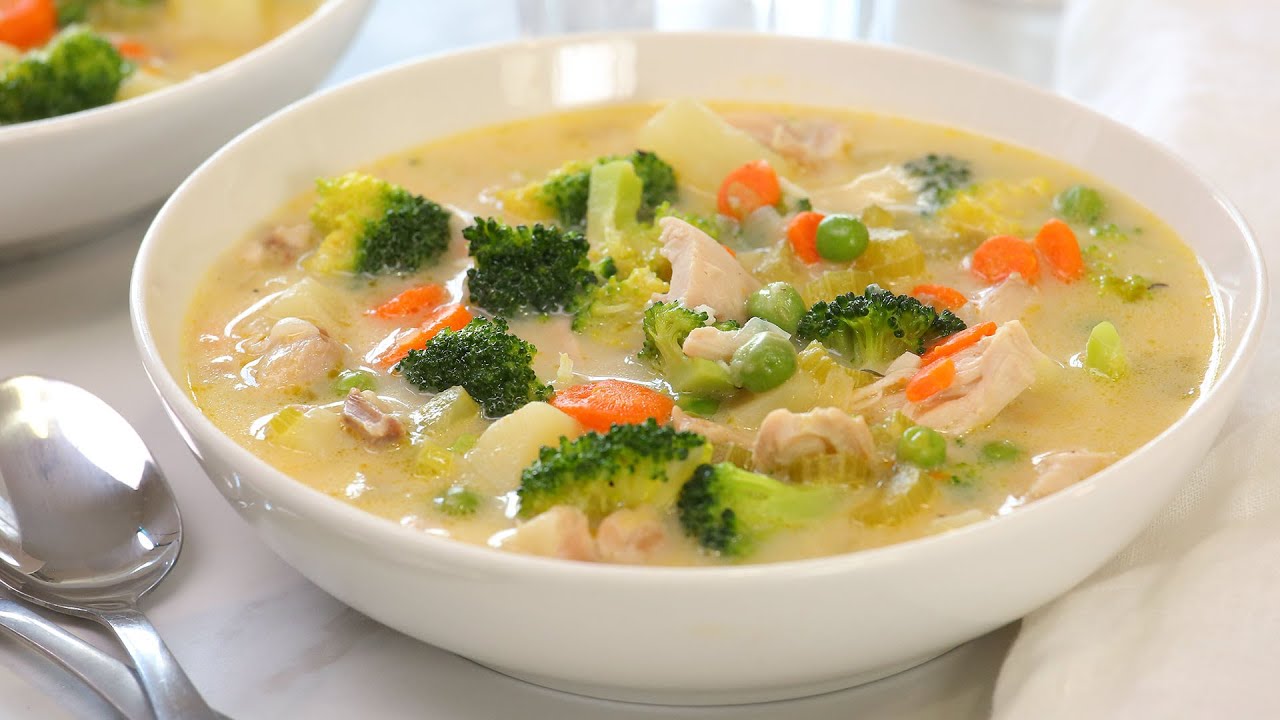
Chicken and Vegetable Soup Recipe: There is something timeless about a warm bowl of chicken and vegetable soup. It is simple, comforting, practical, and deeply satisfying in a way that flashy meals often are not.
When the weather turns cold, when someone in the house needs a little comfort, or when dinner needs to be reliable without being boring, this soup steps in like an old friend who always knows what to say. It is one of those recipes that feels both humble and impressive at the same time.
You are not just making soup. You are building layers of flavor in a pot, turning everyday ingredients into something nourishing and memorable.
What Makes This Recipe Special
Plenty of soup recipes promise comfort, but not all of them deliver a bowl that tastes like it has been simmering in a grandmother’s kitchen all day. This one does. What makes this chicken and vegetable soup recipe stand out is the balance between ease and depth. It is straightforward enough for beginners, but the final result tastes layered, thoughtful, and restaurant-worthy. That is the kind of recipe worth keeping.
The magic starts with the cooking order. Instead of tossing everything into the pot and hoping for the best, this method builds flavor in stages. First come the aromatics, then the chicken, then the broth, then the vegetables according to how long they need to cook. That sequence matters. It is the difference between a soup that tastes flat and one that tastes rich, rounded, and full of life. Think of it like building a house. You do not start with the roof. You start with a strong foundation.
Another special thing about this soup is its texture. The chicken stays juicy, the carrots remain tender without turning mushy, and the softer vegetables are added later so they keep some character. Every spoonful feels balanced. You get broth, meat, and vegetables together, not a random scoop of one lonely ingredient floating in a sea of liquid. That is what makes homemade soup so much better than the canned version. It tastes cared for.
Ingredients You’ll Need
This recipe is designed to serve a family comfortably, with enough leftovers for meal prep or lunch the next day. The amounts below are balanced for a hearty pot of soup that is neither too thick nor too watery. You can always adjust based on your preference, but this list gives you a strong starting point.
Main Ingredients for the Soup
Here are the ingredients you’ll need for a classic and flavorful pot of chicken and vegetable soup:
- 2 tablespoons olive oil
- 1 medium onion, finely chopped
- 3 cloves garlic, minced
- 2 medium chicken breasts or 4 boneless chicken thighs, cut into bite-sized pieces
- 3 medium carrots, peeled and sliced
- 2 celery stalks, sliced
- 2 medium potatoes, peeled and diced
- 1 cup green beans, trimmed and chopped
- 1 cup corn kernels
- 1 cup peas
- 8 cups chicken broth
- 1 teaspoon salt, or to taste
- 1/2 teaspoon black pepper
- 1 teaspoon dried thyme
- 1 teaspoon dried parsley
- 1 bay leaf
These ingredients create a soup that is rich, colorful, and filling. The onion, garlic, carrot, and celery form the classic flavor base. The potatoes make the soup heartier and help it feel like a complete meal instead of just a side dish. The peas, corn, and green beans add sweetness and visual appeal, which matters more than people think. We eat with our eyes first, and a bright bowl of soup is always more inviting than a dull one.
Optional Ingredients for Extra Flavor
If you want to take the soup from very good to absolutely unforgettable, a few optional ingredients can help. They are not necessary, but they bring extra personality to the pot.
- 1 tablespoon lemon juice for brightness
- 1/2 teaspoon paprika for warmth
- 1 small zucchini, diced
- 1 tablespoon butter for a silkier finish
- Fresh parsley for garnish
- Cooked noodles, rice, or barley if you want a more filling version
- A pinch of red pepper flakes for gentle heat
These add-ins let you tailor the soup to your taste and the season. Lemon juice brightens the broth right at the end, almost like opening a window in a stuffy room. Fresh parsley adds color and freshness. Butter rounds out the broth and gives it a smooth finish. Small choices like these can make a big difference, especially in a simple recipe where every ingredient has room to shine.
Kitchen Tools You Will Need
One of the best things about this recipe is that it does not demand fancy equipment. You are not juggling specialized gadgets or trying to decode a machine with twenty buttons. A few dependable kitchen basics are enough to make this soup successfully. That makes it approachable for beginner cooks and still efficient for experienced ones who want a stress-free meal.
The most important tool is a large heavy-bottomed pot or Dutch oven. A sturdy pot distributes heat evenly, which helps prevent hot spots and sticking. Soup is a dish that rewards slow, steady heat, not rushed chaos. A good pot acts like a patient teacher, helping the ingredients cook evenly and allowing the flavors to mingle properly. A thin pot can still work, but you may need to stir more often and watch the heat carefully.
You will also need a sharp chef’s knife and a cutting board. These are non-negotiable because clean, even cuts help vegetables cook at the same rate. Uneven chunks can turn a simple soup into a strange mix of mush and crunch. A wooden spoon or sturdy spatula is helpful for sautéing the aromatics and stirring the soup without scratching your cookware. A ladle makes serving easier and less messy, especially when you want a balanced scoop with broth, chicken, and vegetables in every bowl.
A measuring spoon set and measuring cup are useful too, especially if you want consistency. Soup allows some flexibility, but seasonings and broth quantities still matter. If you are shredding cooked chicken instead of dicing raw chicken, a pair of forks can come in handy. Nothing fancy. Just practical tools that let the ingredients do the talking.
How to Choose the Best Chicken for Soup
Choosing the right chicken can quietly shape the entire result of your soup. It is a little like picking the lead actor for a movie. Even with a strong supporting cast, the main ingredient still matters. For this recipe, both chicken breast and chicken thighs work well, but they create slightly different outcomes.
Chicken breasts are leaner and give the soup a lighter feel. They are a good choice if you want a cleaner, less rich broth and neat pieces of chicken that hold their shape. The downside is that they can dry out if overcooked. That is why timing matters. Chicken thighs, on the other hand, are juicier and more forgiving. They have more fat, which adds flavor and depth to the soup. If you want a richer, more comforting bowl, thighs are often the better pick.
You can also use bone-in chicken pieces if you want even more flavor. Bones add richness to the broth as they simmer, creating a deeper homemade taste. The trade-off is a little more effort, because you will need to remove the bones before serving. For many home cooks, boneless chicken strikes the perfect balance between convenience and flavor.
Fresh chicken is ideal, but thawed frozen chicken works well too as long as it is properly defrosted. Look for chicken that is firm, moist, and free from any off smell. If you are cooking for a family or making a larger batch for meal prep, thighs often win because they stay tender even after reheating. That matters because leftover soup should taste comforting, not tired. In the end, the best chicken is the one that fits your taste and schedule, but choosing thoughtfully from the start makes the whole recipe stronger.
Best Vegetables to Use in Chicken and Vegetable Soup
Vegetables are not just filler in this soup. They are co-stars. They add sweetness, earthiness, color, texture, and nutrition, transforming broth and chicken into a complete meal. The key is choosing a mix of vegetables that complement each other instead of fighting for attention. You want harmony in the bowl, not a noisy crowd.
The classic trio of carrots, celery, and onions forms the backbone of many good soups for a reason. Carrots bring gentle sweetness, celery adds an herbal freshness, and onions create savory depth once sautéed. They work together like a strong rhythm section in a band, keeping everything grounded and balanced. Potatoes are another excellent choice because they add heartiness and absorb flavor beautifully. They make the soup feel substantial, especially if you are serving it as a full dinner.
Then come the brighter vegetables like green beans, peas, and corn. These bring contrast and life to the pot. Green beans offer structure, peas add sweetness, and corn gives little bursts of texture in each bite. You can also include zucchini, spinach, or even cabbage depending on what you have on hand. The trick is knowing when to add them. Hard vegetables go in earlier. Quick-cooking vegetables go in later. Timing keeps them from collapsing into the broth.
This balance of vegetables is what makes a homemade soup feel vibrant rather than heavy. It is also one reason this recipe is so practical. You can use what is in season, what is in your fridge, or what needs to be used before it gets forgotten in the produce drawer. That flexibility is one of soup’s greatest strengths. It welcomes adaptation without losing its identity.
Prep Work Before You Start Cooking
Good soup starts before the stove is even turned on. Preparation may not be the glamorous part, but it is what makes the cooking process smooth, enjoyable, and successful. Think of prep as setting the stage before the performance begins. Once the heat is on, things move quickly, and having everything ready keeps you from scrambling with a knife while onions are browning in the pot.
The first step is to gather all ingredients and tools in one place. This simple move saves time and reduces mistakes. Measure out your seasonings, chop your vegetables, and prepare the chicken before you begin sautéing anything. That way, you can focus on the cooking itself instead of searching the pantry for dried thyme while garlic threatens to burn. Cooking feels a lot less stressful when everything is lined up and ready to go.
Prep also helps with consistency. Even vegetable cuts mean even cooking. Pre-measured broth ensures the soup has the right balance between liquid and solids. When chicken is trimmed and portioned beforehand, it cooks more evenly and looks better in the final dish. These details may seem small, but in cooking, small details often shape the final result more than dramatic flourishes.
Another benefit of proper prep is confidence. A step-by-step recipe becomes easier to follow when the ingredients are ready at arm’s length. Instead of feeling like you are racing the clock, you move through the process with control. That makes the experience more enjoyable, especially for beginners. A calm cook usually makes better food than a rushed one. Soup, maybe more than any other everyday dish, rewards patience and order.
How to Wash and Chop the Vegetables Properly
Washing and chopping vegetables might sound basic, but doing it well can noticeably improve the final soup. Start by rinsing all produce thoroughly under cool running water. Even vegetables you plan to peel, like carrots and potatoes, should be washed first to avoid transferring dirt from the skin to the flesh through your knife or peeler. It is a simple kitchen habit that makes a real difference.
Once the vegetables are clean, focus on size and consistency. Carrots should be sliced into coins or half-moons that are not too thick, so they soften in time without staying stubbornly hard. Celery should be cut into similar-sized pieces so it cooks evenly and blends naturally with the carrots. Potatoes should be diced into small to medium cubes, not oversized chunks, unless you want a much longer cooking time. Green beans can be chopped into short pieces that are easy to scoop with a spoon.
Uniform pieces matter because soup is all about balance. You want every bite to feel like it belongs in the same bowl. A giant potato cube next to tiny celery fragments throws that off. It also affects texture. Even cuts help ingredients finish cooking around the same time, which means fewer mushy surprises. Keep softer vegetables like zucchini, peas, and spinach separate so you can add them later.
This kind of prep may feel like a small act, but it shapes the entire eating experience. A bowl of soup should look inviting and feel easy to eat. Cleanly cut vegetables give the soup a polished, professional appearance while also helping it cook beautifully.
How to Prepare the Chicken for Even Cooking
Preparing the chicken properly is just as important as seasoning it. If the chicken goes into the pot in uneven pieces, some bits will turn dry before others are fully cooked. That is why you want to cut the chicken into uniform bite-sized pieces if you are using boneless chicken. Not too tiny, not too large. Aim for pieces that fit comfortably on a spoon and cook evenly in the broth.
Start by patting the chicken dry with paper towels. This helps it sear better when it hits the pot, which means more flavor. Wet chicken tends to steam instead of brown. After drying, trim away any excess fat or tough bits. Then slice and cube the meat into consistent sizes. Seasoning the chicken lightly with salt and pepper before it goes into the pot also helps build flavor from the inside out rather than relying only on the broth later.
If you are using bone-in chicken, preparation is even simpler. Just season it and add it to the pot, then remove it later to shred or chop once cooked. That method adds more richness to the broth, though it requires a little more hands-on work during the process. For speed and simplicity, boneless thighs or breasts are easier. For deeper flavor, bone-in pieces are excellent.
The key idea is control. Proper chicken prep helps the meat cook evenly, stay tender, and blend naturally with the vegetables rather than dominating the bowl. In a good soup, no ingredient should feel like an afterthought. Each piece of chicken should be juicy, seasoned, and easy to eat. That is what turns a basic soup into one people ask you to make again.
Step-by-Step Guide to Making Chicken and Vegetable Soup
Step 1 – Sauté the Aromatics
Start by heating a little oil or butter in a large pot over medium heat. Add chopped onion, garlic, celery, and any other aromatics you like, then cook until they become soft and fragrant. This step creates the first layer of flavor and gives the soup a warm, savory base.
Step 2 – Add the Chicken and Build Flavor
Add the chicken pieces to the pot and cook for a few minutes, stirring gently so they begin to brown slightly. This helps the chicken develop more flavor before the broth is added. If you are using already cooked chicken, you can add it later instead of at this stage.
Step 3 – Add Broth and Hard Vegetables
Pour in the broth and add harder vegetables like carrots, potatoes, or chopped green beans. These vegetables need more time to soften, so they go in earlier than the delicate ones. Stir everything together and bring the soup to a gentle boil.
Step 4 – Add Soft Vegetables and Seasonings
Once the soup is simmering, add softer vegetables such as zucchini, peas, corn, or spinach along with salt, pepper, thyme, or your preferred herbs. Stir well so the seasonings spread evenly through the broth. This is where the soup starts to come together with color, texture, and aroma.
Step 5 – Simmer Until Tender and Delicious
Reduce the heat and let the soup simmer gently until the chicken is fully cooked and the vegetables are tender. Avoid boiling too hard, because a gentle simmer helps keep the ingredients tender and the broth clear. The flavors will deepen as everything cooks together.
Step 6 – Taste, Adjust, and Serve
Taste the soup and adjust the seasoning if needed before serving. You can add a little more salt, pepper, or fresh herbs to brighten the flavor. Serve it hot while the vegetables are tender and the broth is rich and comforting.
Common Mistakes to Avoid
Even an easy soup recipe can go sideways with a few small missteps. One common mistake is overcooking the chicken. Chicken breast especially can become dry if it simmers too long. That is why using the correct order and timing matters. Another frequent issue is adding all vegetables at once. It sounds efficient, but it often leads to mushy peas and undercooked potatoes, which is not the texture anyone is hoping for.
Another mistake is underseasoning the broth. Soup can look beautiful and still taste bland if the broth is not properly salted and balanced. Season in stages and taste near the end. Also, avoid boiling the soup too aggressively once everything is added. A gentle simmer keeps the chicken tender and the vegetables intact. Rapid boiling can make the ingredients break down too quickly, turning a fresh soup cloudy and tired.
Using weak broth is another trap. Since broth makes up the body of the soup, it should have good flavor on its own. If your broth is bland, the soup has to work twice as hard to become interesting. Add herbs, aromatics, and proper seasoning to support it. Finally, do not skip the final adjustment before serving. A splash of lemon juice or a sprinkle of fresh herbs can wake the whole pot up in seconds. Small finishing touches often separate decent soup from unforgettable soup.
Serving Suggestions for a Complete Meal
A steaming bowl of chicken and vegetable soup is already satisfying on its own, but pairing it with the right side can turn it into a complete, cozy meal. One of the best companions is crusty bread. There is something almost ceremonial about tearing off a warm piece of bread and dipping it into rich broth. It adds texture, makes the meal feel fuller, and ensures not a drop of soup goes to waste.
You can also serve this soup with buttered toast, garlic bread, or a grilled cheese sandwich for a more comforting, family-style dinner. If you want a lighter pairing, a simple green salad with lemon vinaigrette works beautifully. The freshness of the salad balances the warmth of the soup, especially if the soup has potatoes or noodles and feels more hearty. This combination is practical, filling, and easy enough for a weeknight.
For presentation, a sprinkle of fresh parsley, black pepper, or a tiny drizzle of olive oil can make a homemade bowl look polished and restaurant-worthy. If you are serving guests, use wide bowls so the colorful vegetables and pieces of chicken are visible. Soup that looks generous tastes even more generous. It is a small visual trick, but it works.
This soup is also perfect for lunch. Pack it into a thermos with a side of crackers or a bread roll, and it becomes a comforting midday meal that feels homemade even away from home. It is versatile enough for a quiet night in and elegant enough for casual entertaining.
Storage, Reheating, and Meal Prep Tips
One of the biggest advantages of this recipe is that it stores beautifully. In fact, many people think chicken and vegetable soup tastes even better the next day because the flavors have more time to settle and deepen. Once the soup cools, transfer it to airtight containers and refrigerate it for up to 4 days. Make sure it is cooled safely before sealing it away. You want the soup fresh, not trapped in a warm container losing quality.
For longer storage, freeze the soup in portion-sized containers for up to 3 months. This is especially useful for meal prep. A freezer full of homemade soup is like money in the bank for busy days. One note, though: potatoes can become a little softer after freezing and reheating. The flavor stays excellent, but the texture may change slightly. If you are making the soup specifically for freezing, you can cut the potatoes smaller or reduce the amount.
To reheat, warm the soup gently on the stove over medium-low heat until hot. You can also use the microwave in short intervals, stirring between each one. Avoid overheating, especially if you used chicken breast, because the meat can become tough. Add a splash of broth or water if the soup has thickened in the fridge. That simple adjustment brings it right back to life.
For meal prep, dividing the soup into single servings makes lunch and dinner incredibly easy. It is one of those recipes that keeps giving. You cook once, and the payoff stretches across several meals. That is efficient cooking at its best.
FAQs about Chicken and Vegetable Soup Recipe
1. What vegetables go best in chicken and vegetable soup?
Common vegetables for this soup include carrots, celery, onions, potatoes, green beans, peas, corn, and spinach. Hard vegetables usually go in first because they take longer to cook. Softer vegetables can be added later so they do not become too mushy.
2. Can I use cooked chicken instead of raw chicken?
Yes, cooked chicken works very well and can save time. Rotisserie chicken or leftover shredded chicken are both great options. Just add it later in the cooking process so it warms through without drying out.
3. How do I make chicken and vegetable soup more flavorful?
Start with aromatics like onion, garlic, and celery, and use a good-quality broth. Herbs such as thyme, parsley, or bay leaves also add extra depth. Letting the soup simmer gently gives the flavors time to blend together.
4. Can I freeze chicken and vegetable soup?
Yes, this soup usually freezes well. Let it cool completely, then store it in freezer-safe containers. When reheating, thaw it in the refrigerator first if possible, then warm it gently on the stove or in the microwave.
5. How long does chicken and vegetable soup last in the fridge?
Chicken and vegetable soup can usually be stored in the refrigerator for about 3 to 4 days in an airtight container. Make sure it cools before storing, but do not leave it out too long. Reheat it thoroughly before serving again.
6. Can I add noodles or rice to chicken and vegetable soup?
Yes, you can add noodles, rice, or even pasta to make the soup more filling. It is often best to cook them separately or add them carefully so they do not absorb too much broth. This makes the soup heartier and more satisfying.
Conclusion
What makes this recipe truly valuable is its flexibility. You can keep it classic, load it with extra vegetables, adjust the seasoning to your taste, or make it heartier with grains or noodles. It is reliable without being rigid, simple without being boring. That is the mark of a recipe worth returning to.
Once you make it a couple of times, you will not need to think twice. The process will feel natural, and the results will speak for themselves. A pot of soup like this does more than feed people. It gathers them. It slows the pace of the day. It turns basic ingredients into something that feels generous and comforting. And honestly, that is exactly what a great homemade meal should do.