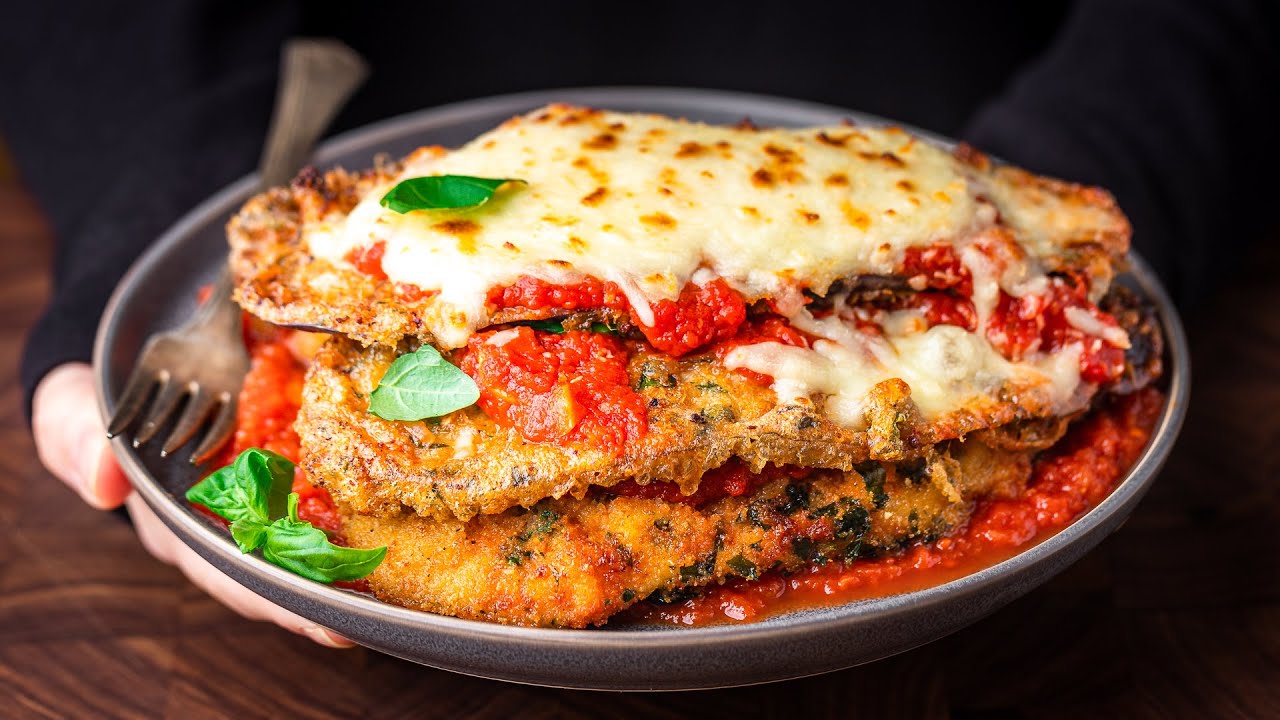
Chicken and Eggplant Recipe: There is something incredibly satisfying about a recipe that feels both homey and impressive at the same time, and this chicken and eggplant recipe lands right in that sweet spot. Chicken gives the dish hearty protein and a savory backbone, while eggplant acts like a sponge for flavor, soaking up seasonings, juices, and sauce in the most delicious way possible. When cooked properly, eggplant turns silky and rich rather than mushy, and that texture plays beautifully against tender pieces of chicken. It is the kind of pairing that feels natural once you taste it, almost like they were made to share the same skillet.
This recipe also works because it is flexible. You can serve it over rice, spoon it onto pasta, pair it with crusty bread, or keep it low-carb with a side salad. It fits weeknight dinners, meal prep, and even casual entertaining. If you have ever wanted a step-by-step chicken and eggplant recipe that feels professional without becoming complicated, this guide is built for exactly that purpose.
Ingredients You’ll Need
Below, you will find the ingredients clearly listed, just as requested. This section is important for readers who want to scan quickly before they start cooking, and it also helps with meal planning and grocery shopping. Whether you are a beginner in the kitchen or someone who cooks often, having a clean ingredient roadmap makes the process smoother and more enjoyable. Before the stove even turns on, you will know exactly what you need and why it belongs in the pan.
Main Ingredients
Here are the main ingredients you’ll need for this recipe:
- 500 g boneless chicken breast or chicken thighs, cut into bite-sized pieces
- 1 medium eggplant, cut into cubes
- 1 medium onion, finely chopped
- 3 garlic cloves, minced
- 2 tablespoons olive oil
- 1 cup tomato sauce or crushed tomatoes
- 1 tablespoon tomato paste
- 1/2 cup chicken broth or water
These ingredients form the heart of the dish. The chicken gives you a filling and protein-rich base, while the eggplant adds a soft, almost buttery texture once cooked. Onion and garlic bring the kind of aroma that makes the kitchen smell amazing before dinner even hits the table. Tomato sauce and tomato paste create a savory coating that pulls the chicken and eggplant together into one complete dish rather than two separate ingredients sitting side by side.
You can choose chicken breast for a leaner result, or use chicken thighs if you want deeper flavor and a juicier texture. Eggplant should be fresh and firm, because older eggplants can become seedy and slightly bitter. A medium eggplant usually works best because it cooks evenly and gives a nice balance without overpowering the chicken. Once these ingredients are prepped and ready, you are already halfway to a meal that feels comforting, polished, and very easy to love.
Seasonings and Sauce Ingredients
Seasoning is where this recipe really comes alive. Without the right balance of salt, spice, and herbs, chicken and eggplant can taste plain, and nobody wants a dinner that feels sleepy. The good news is that you do not need anything complicated to make this dish taste bold and professional. A handful of smart additions will wake up the entire pan and give the sauce a rich, savory personality.
Here are the seasonings and sauce ingredients you will need:
- 1 teaspoon salt, or to taste
- 1/2 teaspoon black pepper
- 1 teaspoon paprika
- 1/2 teaspoon dried oregano
- 1/2 teaspoon dried basil
- 1/4 teaspoon chili flakes (optional)
- 1 teaspoon soy sauce or Worcestershire sauce for extra depth
- 1 teaspoon lemon juice for brightness
- Fresh parsley or basil, chopped, for garnish
Paprika gives warmth and color, oregano and basil bring that familiar Mediterranean-style comfort, and chili flakes add a little spark if you enjoy heat. Soy sauce or Worcestershire might sound like a small detail, but it adds a subtle layer of umami that makes the final dish taste fuller and more developed. Lemon juice, used at the end, acts like a spotlight. It sharpens and lifts all the deeper flavors so the dish feels fresh instead of heavy.
Fresh herbs are the finishing touch that make the meal look and taste complete. They add color, freshness, and a little restaurant-style polish. When you gather these seasonings ahead of time, cooking becomes easier because you are not scrambling mid-recipe. It turns the whole process into a smooth, confident flow.
Kitchen Tools That Make Cooking Easier
You do not need a fancy kitchen setup to make this recipe work, but using the right tools can make the process much smoother. Cooking is a lot like building something by hand. You can get the job done with basic tools, but when the tools fit the task, everything becomes easier, cleaner, and more enjoyable. For this chicken and eggplant recipe, a large skillet or sauté pan is the most important piece of equipment because you need enough space to brown the chicken and cook the eggplant without overcrowding the pan.
A sharp knife is another big help. Eggplant has a soft interior but a slightly firm skin, so a dull knife can make slicing annoying and uneven. A cutting board with enough room for both meat and vegetables is also useful, and keeping them separate while prepping is a smart food safety habit. Measuring spoons and cups help keep the seasoning balanced, especially if you are aiming for a professional result rather than guessing your way through the flavors.
A wooden spoon or silicone spatula works well for stirring because it lets you move the ingredients without smashing the eggplant too aggressively. Tongs can be helpful when turning chicken pieces so they brown evenly on all sides. If you have a lid for your pan, keep it nearby, because covering the skillet for a few minutes during simmering can help the eggplant soften beautifully. None of this is complicated, and that is part of the charm. With a few reliable kitchen basics, you can make a meal that tastes as though you spent far more effort than you actually did.
How to Choose the Best Chicken and Eggplant
The final dish is only as good as the ingredients you start with, and that is especially true for a recipe built around two main stars. When shopping for chicken and eggplant, quality matters more than people sometimes realize. The difference between average produce and fresh produce can show up in the texture, flavor, and even how the ingredients behave in the pan. Choosing wisely at the store makes the whole cooking process easier because fresh ingredients tend to cooperate better from start to finish.
Chicken should look moist but not slimy, fresh but not watery, and it should have a clean appearance without discoloration. Eggplant should feel firm and look glossy, with skin that is smooth rather than wrinkled. A tired eggplant can absorb too much oil, turn mushy too quickly, or carry a slightly bitter taste that throws off the balance of the meal. Fresh eggplant, on the other hand, cooks into soft, creamy cubes that pair perfectly with the chicken and sauce.
This part may sound simple, but it can quietly shape the success of the recipe. Great cooking often starts before the pan is heated. It begins with noticing the details: how the chicken looks, how the eggplant feels, how fresh the produce smells. It is a bit like choosing good teammates before a game. When the ingredients are strong from the beginning, the recipe has a much better chance of turning out flavorful, tender, and satisfying.
Picking Fresh Chicken
When choosing chicken for this dish, freshness should be your first priority. Look for chicken that has a healthy pink color and a clean smell. It should not appear gray, sticky, or overly wet in the package. Those are signs that the chicken is past its prime, and even the best seasonings in the world cannot rescue tired meat. Fresh chicken cooks more evenly, browns better, and keeps a juicier texture, which matters a lot in a recipe where chicken is one of the main ingredients.
You also have a choice between chicken breast and chicken thighs, and each brings something different to the table. Chicken breast is leaner and cooks quickly, making it a good option for people who want a lighter meal. Chicken thighs have more fat and usually more flavor, which means they stay moist even if cooked a little longer. If you are after a richer, more forgiving result, thighs are an excellent choice. If you want a cleaner and firmer texture, breast works beautifully too.
Try to cut the chicken into evenly sized pieces before cooking. That might seem like a small detail, but it helps everything cook at the same pace, so you do not end up with some bites perfectly juicy and others overdone. Consistency in size is one of those quiet habits that separates rushed cooking from truly polished home cooking.
Choosing the Right Eggplant
A good eggplant should feel firm in your hand, with shiny skin and a fresh green stem. If it feels too soft, too light, or looks wrinkled, it is usually a sign that it has been sitting around too long. Fresh eggplant has a subtle, pleasant quality that becomes creamy and tender when cooked. Older eggplant can be bitter, seedy, and a little frustrating to work with, which is not what you want in a recipe designed to feel smooth and satisfying.
Medium-sized eggplants are usually the safest choice for this dish. Very large eggplants often contain more seeds and can have a slightly tougher texture. Smaller to medium ones tend to be milder, less bitter, and easier to cube evenly. When you press the skin gently, it should give just a little and spring back. That is usually a good sign you are dealing with fresh produce.
The type of eggplant matters less than its condition, but classic globe eggplant is ideal for this recipe because it holds up well during cooking and absorbs flavor nicely. Once it hits the pan, it acts almost like a sponge, soaking up oil, tomato, garlic, and spices while softening into silky cubes. That is exactly what you want here. A good eggplant does not just fill space on the plate. It becomes one of the best parts of the meal.
Preparation Before You Start Cooking
Preparation is the part many people rush through, but it can make the difference between a stressful dinner and a smooth one. Before heat enters the picture, take a few minutes to organize everything. This simple habit, often called mise en place, is like setting the stage before the show begins. When your chicken is cut, your eggplant is cubed, your seasonings are measured, and your sauce ingredients are ready, cooking becomes far more enjoyable and much less chaotic.
This recipe moves at a comfortable pace, but there are moments where timing matters. Chicken benefits from proper searing, and eggplant cooks best when it has enough room and attention. If you are hunting for paprika while garlic is already sizzling in the pan, the whole rhythm can fall apart. That is why a few minutes of prep up front are worth it. It keeps flavors clean, prevents overcooking, and allows you to focus on texture and color instead of scrambling for ingredients.
Preparation also gives you a chance to build confidence. Even if you are not an experienced cook, having everything ready makes the recipe feel much more manageable. You can look at your ingredients laid out and see the path ahead clearly. There is something comforting about that. Instead of guessing your way through the meal, you move step by step, with control and ease. That calm energy often shows up in the final dish too.
How to Prep the Chicken
Start by patting the chicken dry with paper towels. This is one of those simple moves that pays off right away because dry chicken browns much better than damp chicken. If there is too much moisture on the surface, the meat will steam instead of sear, and you will miss out on that golden color and rich flavor. After drying it, cut the chicken into evenly sized bite-sized pieces so that everything cooks at the same speed.
Place the chicken in a bowl and season it with salt, black pepper, paprika, and a little oregano. You can also add a teaspoon of olive oil to help the seasoning coat the meat evenly. Let it sit for about 10 to 15 minutes while you prep the rest of the ingredients. That short resting time gives the seasoning a chance to settle into the meat and helps the chicken taste more developed once cooked.
Do not overcomplicate this step. You are not marinating overnight or building a complex rub. You are simply giving the chicken a clean, flavorful head start. That is more than enough for a recipe like this, especially since it will keep cooking with the sauce later. A well-prepped chicken base ensures that every bite tastes seasoned from the inside out instead of only on the surface.
How to Prep the Eggplant
Wash the eggplant, dry it, and cut it into evenly sized cubes, usually around 1-inch pieces. Try not to make the cubes too small, because eggplant shrinks as it cooks and smaller pieces can become too soft too quickly. Keeping the pieces slightly chunky helps them hold their shape while still turning tender inside. That balance is what gives this dish such a satisfying texture.
If you have time, you can lightly salt the eggplant cubes and let them sit in a colander for about 15 to 20 minutes. This step helps draw out some excess moisture and can reduce bitterness, especially if your eggplant is older or larger. After that, pat the cubes dry with a clean towel or paper towels. This is especially helpful if you want the eggplant to brown better instead of soaking up too much oil right away.
That said, this step is optional. Many modern eggplants are naturally less bitter than older varieties used to be, so you can skip salting if you are short on time. The key is simply to avoid tossing wet eggplant directly into a crowded pan. Dry, evenly cut cubes will cook more predictably and develop a much nicer texture. When prepped properly, eggplant turns from a misunderstood vegetable into something silky, savory, and genuinely crave-worthy.
Step-by-Step Guide for Chicken and Eggplant
Step 1 – Season and Sear the Chicken
Start by seasoning the chicken with salt, pepper, and any spices or herbs your recipe uses. Heat oil in a large skillet or pan, then add the chicken and sear it until lightly golden on both sides. The chicken does not need to be fully cooked at this stage, because it will finish later in the sauce or vegetables. This step helps lock in flavor and gives the dish a richer taste.
Step 2 – Cook the Eggplant Properly
Cut the eggplant into even cubes or slices so it cooks at the same rate. Add a little more oil to the pan if needed, then cook the eggplant until it softens and turns lightly golden. Eggplant absorbs oil quickly, so cook it over medium heat and stir occasionally to keep it from burning. Properly cooked eggplant should be tender and creamy, not spongy or undercooked.
Step 3 – Build the Flavor Base
Once the eggplant is cooked, add ingredients like onion, garlic, tomatoes, or sauce to the pan, depending on the style of the recipe. Stir well and let the mixture cook for a few minutes so the flavors blend together. This creates the savory base that ties the chicken and eggplant into one balanced dish.
Step 4 – Combine Everything and Simmer
Return the chicken to the pan with the eggplant and sauce mixture. Cover and let everything simmer gently until the chicken is fully cooked and the flavors come together. Taste and adjust the seasoning if needed, then serve warm once the sauce is rich and the ingredients are tender.
Serving Suggestions for Chicken and Eggplant
One of the best things about this chicken and eggplant recipe is how easy it is to serve in different ways. It is the kind of dish that adapts to your mood, your schedule, and whatever you already have in the kitchen. Want something cozy and filling? Spoon it over steamed rice. Want a more rustic dinner? Serve it with crusty bread and let that bread soak up the sauce like a sponge. Want to keep things lighter? Pair it with cauliflower rice or a crisp green salad.
Rice is probably the easiest match because it balances the savory sauce and turns the dish into a complete meal. Pasta also works beautifully, especially short shapes like penne or rigatoni that catch bits of sauce and eggplant. Mashed potatoes may sound unexpected, but they are fantastic here too. The creamy potatoes and saucy chicken make a combination that feels deeply comforting.
For a fresher contrast, you can add a side of cucumber salad, roasted vegetables, or yogurt with herbs. Those lighter sides help cut through the richness of the sauce and create balance on the plate. Presentation-wise, a little chopped parsley or basil on top goes a long way. It adds color, freshness, and a professional finish. Even a home-cooked meal can look special with a small final touch.
Common Mistakes to Avoid
Even simple recipes have a few traps, and this one is no exception. The good news is that the most common mistakes are easy to avoid once you know what to watch for. One major issue is overcrowding the pan. When chicken is packed too tightly, it steams instead of browning. The same goes for eggplant. If you want color and flavor, give the ingredients space.
Another common mistake is using eggplant that is too wet. If the cubes are damp when they hit the pan, they will absorb oil quickly and struggle to brown. Patting them dry makes a real difference. Overcooking is another problem. Chicken can go from juicy to dry pretty fast, especially if you use breast meat, while eggplant can shift from silky to mushy if left unattended too long.
Under-seasoning also sneaks up on people. Chicken and eggplant are both good at carrying flavor, but they need enough seasoning to shine. Taste the sauce before serving and adjust. A small pinch of salt or a squeeze of lemon at the end can completely change the final result. These are not dramatic chef secrets. They are just smart little decisions that help the dish live up to its full potential.
Easy Variations to Try
Once you have made the base recipe, it becomes very easy to customize. That is one reason this dish works so well for regular home cooking. You can change the flavor profile without rebuilding the recipe from scratch. For a Mediterranean twist, add olives and a little feta on top before serving. For a heartier version, stir in chickpeas or white beans near the end of cooking. That makes the dish feel even more substantial and stretches it further for larger families.
If you like spice, add more chili flakes or a chopped fresh chili with the onions. If you want a creamier finish, stir in a spoonful of Greek yogurt or a splash of cream right at the end. You can also swap the tomato base for a garlic-butter sauce if you are after something less tangy and more mellow. The chicken and eggplant combination is surprisingly flexible, which makes it a great foundation for creativity.
You can also bake the finished mixture with cheese on top for a casserole-style dinner. Mozzarella or parmesan works especially well. That version feels extra cozy and is perfect for serving guests or making ahead. Once you understand the core method, you are free to play with it. It becomes less like a fixed recipe and more like a trusted kitchen formula.
How to Store and Reheat Leftovers
This recipe stores very well, which makes it ideal for meal prep or next-day lunches. Let the chicken and eggplant cool before transferring it to an airtight container. Store it in the refrigerator for up to 3 days. The flavors often become even better after sitting overnight, because the sauce has more time to settle into the chicken and eggplant.
To reheat, place the leftovers in a skillet over medium-low heat with a small splash of water or broth. Stir gently until heated through. You can also microwave it in short intervals, stirring in between, though the stovetop usually gives a better texture. Avoid overheating, especially if you used chicken breast, because the meat can dry out if pushed too far.
Freezing is possible too, though the eggplant may soften more after thawing. It will still taste good, but the texture may be less structured than when freshly made. If you do freeze it, store it in a freezer-safe container for up to 2 months and thaw in the refrigerator before reheating. Having a dish like this ready to go on a busy day feels a bit like finding money in an old coat pocket. It is simple, comforting, and always welcome.
FAQs about Chicken and Eggplant Recipe
1. What type of eggplant is best for chicken and eggplant?
Globe eggplant is one of the most common choices because it is easy to find and works well in many recipes. Japanese or Chinese eggplant can also be used if you want a softer texture and slightly sweeter flavor. The best option often depends on the style of dish you are making.
2. Do I need to salt the eggplant first?
Not always, but salting the eggplant can help reduce excess moisture and any slight bitterness. It can also improve the texture by helping the eggplant cook more evenly. If you are short on time, you can skip this step in many modern recipes.
3. How do I keep the eggplant from getting soggy?
Cook the eggplant over medium to medium-high heat and avoid overcrowding the pan. Too much oil or too much moisture can make it soft in a heavy way instead of tender. Letting it brown properly helps it keep a better texture.
4. Can I use chicken breast or chicken thighs?
Yes, both chicken breast and chicken thighs work well. Chicken breast is leaner, while chicken thighs usually stay juicier and offer a richer flavor. Choose the one that fits your taste and cooking style.
5. What flavors go well with chicken and eggplant?
Chicken and eggplant pair well with garlic, onion, tomato, basil, oregano, soy sauce, chili, and fresh herbs. The exact flavor profile can be Mediterranean, Asian-inspired, or something simple and homey. Eggplant is very flexible and absorbs flavor beautifully.
6. Can I make chicken and eggplant ahead of time?
Yes, this dish can be made ahead and stored in the refrigerator for a few days. In many cases, the flavor becomes even better after the ingredients sit together. Reheat it gently so the chicken stays tender and the eggplant does not break down too much.
Conclusion
What really makes this dish special is the balance. The chicken gives body, the eggplant adds richness, and the seasonings create warmth without making the recipe complicated. Every step serves a purpose, from searing the chicken to simmering everything together at the end. That structure makes the recipe reliable, and reliable recipes are the ones people come back to again and again.
If you have been searching for a step-by-step chicken and eggplant guide that feels clear, practical, and professional, this is the kind of recipe worth keeping close. It is easy enough for a weeknight, yet delicious enough to earn a spot in your regular rotation. Once you make it, there is a good chance it will become one of those dependable meals you return to whenever you want something simple that still tastes like care went into it.