Chicken and Dumplings Dumpling Recipe: There are some dishes that do more than fill your stomach. They slow the day down, warm the kitchen, and make the whole house smell like somebody cares.
Chicken and dumplings sits right at the top of that list. It is cozy, rich, and deeply satisfying in a way flashy meals rarely are. One spoonful of tender chicken, soft dumplings, and savory broth feels like wrapping yourself in a blanket on a cold evening.
That is exactly why this recipe has stayed popular for generations.
What Makes a Great Chicken and Dumplings Recipe
A great chicken and dumplings recipe is all about balance. A lot of home cooks focus on one part of the dish and overlook the rest. Some build a flavorful broth but end up with gummy dumplings. Others make light dumplings but serve them in bland liquid that tastes flat. The truth is that every part of this dish matters. The broth needs depth, the chicken needs moisture, and the dumplings need tenderness without falling apart. When those three pieces work together, the whole meal feels complete.
Flavor starts early. The base should never taste like plain boiled chicken floating in hot water. You want layers. Onion, garlic, celery, carrots, broth, herbs, and seasoning all work together to create that classic home-style flavor. Even a small pinch of thyme or black pepper can make the broth taste fuller and more rounded. That is what gives the final bowl that “just one more bite” effect.
Texture matters just as much as flavor. The broth should be thick enough to feel hearty but not so heavy that it turns gluey. The chicken should be tender enough to shred easily with a fork. The dumplings should cook through without becoming dense, rubbery, or dry. Think of the dumplings as the soft landing in the bowl. They should absorb some broth while keeping their shape and delicate bite.
The best version of this recipe also feels approachable. It should be doable on a weeknight, but still good enough to serve when family is over. That is why this guide uses ingredients that are easy to find and steps that make sense even if you are not an experienced cook. When the method is simple and the flavor is strong, you get a dish that feels both classic and dependable. That is the kind of recipe worth saving.
The Balance Between Broth, Chicken, and Dumplings
The real secret behind unforgettable chicken and dumplings is balance. Imagine a three-legged stool. If one leg is weak, the whole thing wobbles. This dish works the same way. If the broth is bland, the whole bowl tastes sleepy. If the chicken is dry, every spoonful feels disappointing. If the dumplings are too heavy, the dish becomes dense and tiring before you even finish your serving. Each part supports the other.
The broth is the stage where everything performs. It needs enough savory depth to season the dumplings from the outside while also coating the chicken with flavor. A good broth is not watery. It has body. That body can come from simmered vegetables, a little flour, cream if you like it richer, or simply time and careful seasoning. You want the spoon to glide through it, not splash like it is moving through tea.
The chicken brings heartiness. Boneless, skinless chicken thighs are especially forgiving because they stay juicy, but chicken breast works well too when cooked gently. The key is not to overcook it. Once the meat is tender, shred or chop it into bite-sized pieces that distribute evenly through the pot. Nobody wants to dig through a bowl looking for the chicken. It should appear naturally in every serving.
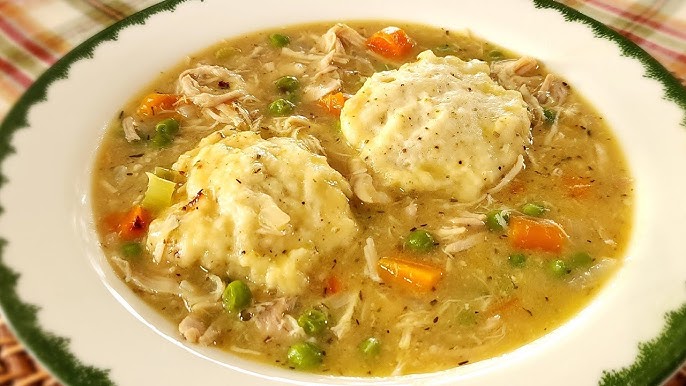
Then come the dumplings, which act like little flavor sponges. They should rest on top of the stew while they steam and puff up. When made properly, they lighten the whole dish. It sounds strange, but it is true. Even though dumplings add substance, soft dumplings make the bowl feel comforting rather than heavy. That balance between rich broth, tender chicken, and airy dumplings is what separates an average pot from a great one.
Choosing the Right Texture for Your Dumplings
Dumpling texture can make or break the dish. This is where many cooks get nervous, and honestly, it makes sense. Dumplings are simple, but simple things are often less forgiving because there is nowhere to hide mistakes. A dumpling that is too wet can dissolve. A dumpling that is overmixed can become dense like a hockey puck. A dumpling cooked too aggressively can look ready on the outside and still be doughy inside. The goal is that sweet spot: soft, fluffy, and fully cooked.
Think of dumpling dough like biscuit dough’s relaxed cousin. It should be mixed just enough to come together. You do not want to beat it into submission. A light hand matters here. When flour meets liquid, gluten starts developing, and too much mixing strengthens that gluten. Great for chewy bread, not so great for tender dumplings. The best dough looks a little shaggy, a little uneven, and not overly polished.
Cooking method matters too. Dumplings should be dropped into gently simmering broth, not a furious boil. A rolling boil can break them apart or make them cook unevenly. Once they are in the pot, cover the lid and let steam do its job. That moist heat helps them rise and cook through while keeping them soft. Lifting the lid too often is like opening an oven while baking a cake. You interrupt the heat and risk a poor result.
The final texture should feel pillowy when cut with a spoon. Not mushy, not gummy, not dry. When you bite in, the dumpling should have absorbed some of the savory broth while still holding its own structure. It should feel cozy and light at the same time. That contrast is what makes homemade dumplings so special and why people remember a really good bowl long after dinner ends.
Ingredients You’ll Need
Below, you will find the ingredients clearly broken down so the Ingredients You’ll Need section is easy to follow. The first group covers the chicken base and broth. The second covers the dumplings. The last group includes optional extras in case you want to deepen the flavor or put your own twist on the recipe. You do not need all the optional items, but they can help tailor the dish to your taste.
Ingredients for the Chicken Base
Here is the full list of ingredients for the chicken and broth portion of the recipe:
| Ingredient | Amount |
|---|---|
| Butter | 2 tablespoons |
| Olive oil | 1 tablespoon |
| Yellow onion, diced | 1 medium |
| Carrots, sliced | 2 medium |
| Celery stalks, sliced | 2 stalks |
| Garlic, minced | 3 cloves |
| Boneless skinless chicken breasts or thighs | 1 1/2 pounds |
| Chicken broth | 6 cups |
| Whole milk or half-and-half | 1 cup |
| All-purpose flour | 1/4 cup |
| Salt | 1 1/2 teaspoons, or to taste |
| Black pepper | 1 teaspoon |
| Dried thyme | 1 teaspoon |
| Dried parsley | 1 teaspoon |
| Bay leaf | 1 |
| Frozen peas | 1 cup |
These ingredients create a broth that is hearty without becoming too heavy. Butter and olive oil build the foundation, while onion, carrots, celery, and garlic bring sweetness and depth. That combination is a classic for a reason. It is the backbone of countless comfort-food recipes because it quietly builds flavor from the ground up.
Chicken broth carries the dish, but the touch of milk or half-and-half softens the edges and gives the base a creamy finish. The flour helps thicken the liquid so the dumplings sit in something closer to a stew than a thin soup. The peas are added near the end so they stay bright and tender instead of going dull and mushy. That little burst of green also makes the bowl look fresher and more inviting.
Ingredients for the Dumplings
Now for the dumplings, which are the stars people talk about most. Here is what you need:
| Ingredient | Amount |
|---|---|
| All-purpose flour | 2 cups |
| Baking powder | 1 tablespoon |
| Salt | 1 teaspoon |
| Black pepper | 1/2 teaspoon |
| Unsalted butter, melted | 4 tablespoons |
| Whole milk | 3/4 cup to 1 cup |
| Fresh parsley, chopped | 2 tablespoons |
These ingredients make classic drop dumplings that are fluffy, tender, and easy to handle. The flour forms the structure, while the baking powder gives them lift. That lift is important because it keeps the dumplings from turning into dense little rocks in the broth. Melted butter adds richness and softness, and the milk brings everything together into a spoonable dough.
Fresh parsley is not required, but it adds color and a light, fresh note that plays nicely against the rich broth. Black pepper gives the dumplings a subtle savory edge. You will notice the milk range is flexible. That is because humidity, flour type, and measuring style can slightly affect the dough. Add enough milk to create a thick, scoopable batter. It should not pour like pancake batter, but it should not feel dry or crumbly either.
Optional Add-Ins for Extra Flavor
This part is where you can make the recipe your own without changing its identity. Optional add-ins are like accessories for a classic outfit. The foundation stays the same, but a few thoughtful extras can make the whole thing feel more personal and memorable.
Here are some popular additions:
- 1/2 teaspoon smoked paprika for a gentle smoky depth
- 1 teaspoon poultry seasoning for a more old-fashioned flavor
- 1/4 teaspoon turmeric for color and warmth
- 1 cup mushrooms, sliced, for earthiness
- 1 tablespoon heavy cream for an even silkier finish
- Fresh thyme or rosemary for a more herb-forward version
- A splash of lemon juice at the end to brighten the broth
The key is restraint. You want to enhance the dish, not confuse it. Chicken and dumplings shines because it tastes familiar and comforting. Too many competing flavors can pull it away from what makes it special. A little smoked paprika can deepen the broth nicely, but a heavy hand can turn the dish into something else entirely. Treat these add-ins like seasoning, not the main event.
Kitchen Tools That Make the Process Easier
You do not need a professional kitchen to make excellent chicken and dumplings, but the right tools make the experience easier and more enjoyable. At the center of it all is a large heavy-bottomed pot or Dutch oven. This recipe involves sautéing vegetables, simmering broth, and steaming dumplings all in one vessel, so a roomy pot with even heat is ideal. A thin pot can create hot spots and scorch the bottom, which is the last thing you want when you are building a silky broth.
A sharp knife and cutting board are obvious essentials, but they matter more than people realize. Clean, even cuts help the vegetables cook at the same pace, and that leads to a more consistent base. Measuring cups and spoons are especially helpful for dumpling dough because precision affects texture. You can get away with eyeballing some soup recipes, but dumplings behave better when the ratios are close.
A whisk is useful when adding flour to the broth because it helps smooth out lumps quickly. A wooden spoon is perfect for stirring the vegetables and broth without scraping too harshly at the pot. For dropping the dumplings, a medium cookie scoop or regular spoon works beautifully. It helps you portion the dough evenly so all the dumplings cook in roughly the same amount of time.
The lid matters too. Once the dumplings go in, a snug-fitting lid traps steam and helps them puff up. Without that trapped heat, they may stay undercooked in the middle. None of these tools are fancy, but together they make the recipe feel easier and more controlled. Good comfort food is not about culinary drama. It is about simple equipment, steady hands, and a method that works every time.
Step-by-Step Guide for Chicken and Dumplings Dumpling
Step 1 – Prepare the Chicken and Aromatics
Start by cooking or shredding your chicken and getting the aromatics ready. Chop ingredients like onion, celery, and carrots into small pieces so they cook evenly and release plenty of flavor. Preparing these ingredients first makes the cooking process smoother and helps build a comforting base for the dish.
Step 2 – Build a Rich and Flavorful Broth
In a large pot, cook the aromatics in a little butter or oil until they soften and become fragrant. Add the broth, seasonings, and cooked chicken, then let everything simmer together so the flavors blend well. A rich broth is important because it gives both the chicken and dumplings their deep, homemade taste.
Step 3 – Mix the Dumpling Dough Properly
In a mixing bowl, combine the flour, baking powder, salt, and any other dry ingredients your recipe uses. Stir in the milk and melted butter just until a soft dough forms. Be careful not to overmix, because that can make the dumplings heavy instead of light and tender.
Step 4 – Drop the Dumplings and Cook Them Gently
Scoop or spoon small portions of dumpling dough directly into the simmering broth. Cover the pot with a lid and let the dumplings cook gently without lifting the lid too often. The steam helps them puff up and cook through while staying soft and fluffy.
Step 5 – Finish, Taste, and Serve
Once the dumplings are cooked, taste the broth and adjust the seasoning if needed. The stew should be warm, rich, and comforting, with tender chicken and soft dumplings in every spoonful. Serve it hot for the best texture and flavor.
Common Mistakes to Avoid When Making Dumplings
Even a classic recipe like chicken and dumplings has a few traps, and most of them come down to texture. The most common mistake is overmixing the dumpling dough. Once flour and liquid are combined, gluten starts forming, and too much stirring creates tough dumplings. If your dumplings come out dense instead of fluffy, that is often the culprit. The fix is simple: stir just until everything comes together.
Another mistake is boiling the broth too hard after adding the dumplings. A violent boil can break them apart, cook them unevenly, or make the outside set too quickly while the center stays doughy. Gentle simmering is the goal. Think of it as poaching with confidence rather than attacking the pot with heat. The broth should bubble softly, not roar.
Lifting the lid too often is another big one. Dumplings need trapped steam to cook properly. Every time the lid comes off, heat escapes and the cooking environment changes. It is a little like opening the oven repeatedly while baking. Patience matters. Give the dumplings the full covered cooking time before checking.
Underseasoning the broth is also common. The dumplings are mild by nature, so they rely on the broth for flavor. If the liquid tastes bland before the dumplings go in, the final dish will taste bland too. Taste and adjust early. Salt, pepper, and herbs are not optional extras here. They are what give the dish its soul. Avoid these mistakes, and you will already be miles ahead of many first-time cooks.
Tips for Making the Best Chicken and Dumplings Every Time
The easiest way to improve this recipe is to think in layers rather than steps. Each layer adds depth. Sauté the vegetables until they smell sweet and rich, not just warm. Season the chicken before it simmers. Taste the broth before adding dumplings. Those little checkpoints build a much better final result than trying to fix everything at the end.
Use chicken thighs if you want the juiciest texture with the least stress. Chicken breast works, but thighs stay tender more easily and add a richer flavor to the pot. If you want a thicker broth, let it simmer a bit longer before dropping in the dumplings. If you want a lighter broth, add a splash more stock before serving. Tiny adjustments like these help you tailor the dish without changing the recipe’s character.
When making dumplings, keep your hand light and your expectations realistic. Homemade dumplings are not supposed to look perfectly identical like factory-made dough. Slightly rustic is part of the charm. What matters is that they are tender, cooked through, and evenly portioned enough to finish at about the same time. A cookie scoop helps with that, but a spoon is perfectly fine too.
Finally, serve the dish as soon as it is ready. Chicken and dumplings is best when the broth is hot and the dumplings are fresh and soft. It still reheats well, but there is something special about catching it right at its peak. That first bowl, straight from the pot, is where the recipe really shines. It is comforting in the way only homemade food can be: simple, warm, and deeply satisfying.
Easy Variations to Try at Home
One of the nicest things about chicken and dumplings is how adaptable it is. The classic version is hard to beat, but small changes can help match your taste, pantry, or mood. Think of the original recipe as a reliable base coat. Once that foundation is strong, you can add subtle layers without losing what makes the dish comforting. The trick is keeping the spirit of the recipe intact while adjusting the texture or flavor profile to suit your table.
Some people like their broth richer and creamier, almost like a cross between soup and gravy. Others prefer a lighter version with extra vegetables and herbs. Both approaches can work beautifully. What matters is that the final bowl still feels balanced. You want enough broth to keep things spoonable, enough chicken to make it hearty, and dumplings that still feel like the highlight.
Variations also help when you want to use what is already in your kitchen. Have leftover rotisserie chicken? Great. Want to add mushrooms or corn? That works too. The recipe is forgiving when you understand the core structure. That flexibility is one reason so many families end up with their own “house version” of chicken and dumplings over time.
Below are two easy directions you can take. One leans rich and classic. The other leans fresh and vegetable-forward. Both are delicious, and both keep the comforting heart of the dish fully intact.
Creamy Southern-Style Chicken and Dumplings
If you like your Southern-style chicken and dumplings rich, thick, and deeply comforting, this variation is the one to try. The main change here is in the broth. Use a bit more flour in the base or stir in a splash of heavy cream near the end for a fuller, silkier texture. The goal is a broth that clings to the spoon a little more, almost like a loose gravy rather than a standard soup. That richer body makes the dish feel especially satisfying on cold nights.
Southern versions often keep the seasoning simple but effective. Black pepper, thyme, and parsley do a lot of the work, with maybe a pinch of poultry seasoning for a nostalgic, old-school flavor. Some cooks skip peas entirely and let the chicken, broth, and dumplings take center stage. That minimalism works because the dish is already rich in texture. You do not need a lot of extra ingredients when the basics are done well.
For the dumplings, you can keep the fluffy drop style from this recipe or roll the dough a little thinner and cut it into strips for a more traditional flat-dumpling Southern approach. Both are delicious, but the flat version creates a slightly denser, noodle-like bite that many people grew up eating. It feels rustic and deeply homey, like something that has been passed down through generations.
What makes this version special is how unapologetically comforting it is. It does not chase brightness or modern twists. It leans into richness, warmth, and softness. Every spoonful feels cozy and familiar, like the culinary equivalent of an old quilt pulled out on a stormy evening.
Vegetable-Packed Chicken and Dumplings
If you want a version that feels a bit lighter and more colorful, a vegetable-packed take is a smart move. Start with the classic onion, carrots, and celery base, then add extras like mushrooms, corn, green beans, or chopped spinach. These vegetables stretch the recipe, add texture, and bring freshness that balances the richness of the broth. The result still feels cozy, but it has a little more brightness and variety in every bite.
This variation is especially useful when you want the meal to feel more complete in one bowl. Chicken and dumplings is already hearty, but added vegetables make it even more satisfying without relying on more cream or extra starch. Mushrooms are especially good here because they bring savory depth and make the broth taste richer even when the overall dish stays relatively light. Corn adds sweetness, while green beans or spinach bring freshness.
Herbs can play a bigger role in this version too. Fresh thyme, parsley, and even a touch of rosemary can make the dish feel more garden-inspired. Just keep the rosemary subtle, since it can quickly dominate the pot. A small squeeze of lemon at the end also works beautifully with a vegetable-heavy version because it sharpens the flavors without taking the dish out of comfort-food territory.
The beauty of this variation is that it proves comfort food does not have to be heavy to feel satisfying. You still get tender chicken, soft dumplings, and savory broth, but the added vegetables make the bowl feel lively and balanced. It is like opening the curtains in a cozy room: the warmth stays, but everything feels brighter.
How to Store, Reheat, and Freeze Leftovers
Leftover chicken and dumplings can be excellent, but it helps to know what changes after the first day. The dumplings continue to absorb broth as they sit, which means the dish often thickens in the refrigerator. That is normal. In fact, some people love it even more the next day because the flavors settle in and become deeper. The key is reheating gently so the dumplings do not break apart and the broth returns to a nice consistency.
Store leftovers in an airtight container in the refrigerator for up to 3 days. When reheating on the stove, place the desired amount in a saucepan over low heat. Add a splash of chicken broth or milk to loosen it if it has thickened too much. Stir gently and let it warm slowly. A microwave works too, but shorter intervals and gentle stirring are better than blasting it all at once. The dumplings are soft, and rough handling can tear them.
Freezing is possible, though the dumpling texture may change slightly after thawing. If you know ahead of time that you want to freeze the meal, one smart trick is to freeze the chicken and broth base separately and make fresh dumplings when reheating later. That gives you the best texture. If freezing the fully finished dish, let it cool first, then store it in freezer-safe containers for up to 2 months.
To thaw, move it to the refrigerator overnight and reheat slowly on the stove. Add more broth as needed to bring it back to life. Leftovers may not have the exact same just-cooked softness, but they can still be deeply delicious. With a little care, the second bowl can feel almost as comforting as the first.
FAQs about Chicken and Dumplings Dumpling Recipe
1. What makes dumplings light and fluffy?
Light and fluffy dumplings usually come from using the right amount of baking powder and avoiding overmixing the dough. Once the wet and dry ingredients are combined, stir only until a soft dough forms. Too much mixing can make the dumplings dense instead of tender.
2. Why are my dumplings falling apart?
Dumplings may fall apart if the dough is too wet or if they are stirred too much while cooking. It is best to drop them gently into the simmering broth and let them cook with the lid on. Keeping the broth at a gentle simmer also helps them stay together.
3. Should dumplings be cooked covered or uncovered?
Dumplings are usually cooked covered so the trapped steam can help them puff up and cook through properly. Lifting the lid too often can release the steam and affect the texture. A covered pot gives the best soft and fluffy result.
4. Can I use leftover chicken for chicken and dumplings?
Yes, leftover chicken works very well in this recipe. Rotisserie chicken or previously cooked shredded chicken can save time and still give the dish plenty of flavor. It is an easy way to make the meal quicker.
5. How do I know when the dumplings are done?
Dumplings are done when they look puffed up and the centers are no longer doughy. You can cut one open to check if needed. They should feel soft and cooked through, not wet or sticky in the middle.
6. Can chicken and dumplings be reheated?
Yes, chicken and dumplings can be reheated gently on the stove or in the microwave. Add a small splash of broth if the mixture has thickened too much in the fridge. Reheating slowly helps keep the dumplings tender.
Conclusion
This recipe gives you everything you need in a clear format: the Ingredients You’ll Need, the full Step-by-Step Guide, helpful tips, and a few easy variations for different tastes. Whether you like a richer Southern-style bowl or a lighter version with more vegetables, the structure stays dependable. Once you understand how the broth, chicken, and dumplings support one another, the recipe becomes something you can repeat with confidence.
The best part is how generous the dish feels. It is the kind of meal that brings people to the kitchen before you even call them. It smells warm, tastes familiar, and turns an ordinary dinner into something that feels cared for. That is the power of true comfort food. It does not just feed people. It settles them.
When you make this recipe with attention to texture, seasoning, and timing, you end up with a bowl that tastes homemade in the best sense of the word. Soft dumplings, savory broth, tender chicken, and vegetables all in one spoonful is hard to beat. This is exactly the kind of recipe worth keeping close, because once you get it right, you will want to make it again and again.