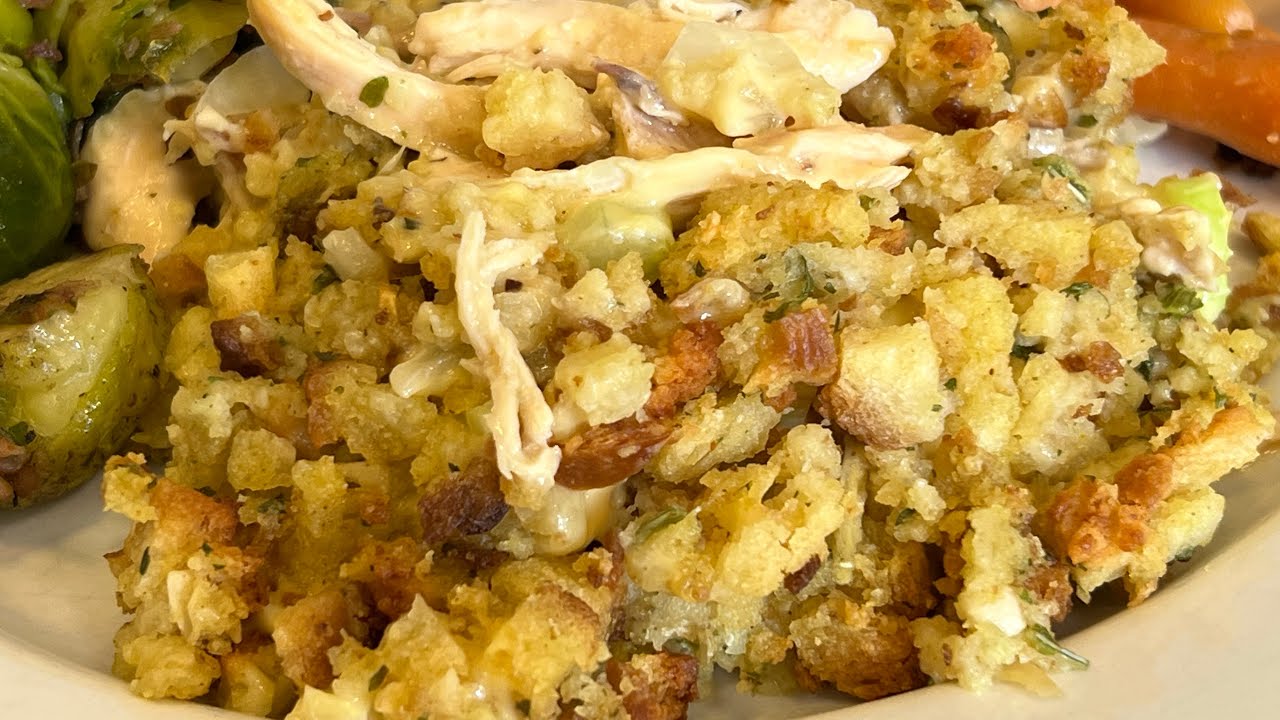
Chicken and Dressing Casserole Recipe: There are some dishes that feel like a warm blanket at the end of a long day, and chicken and dressing casserole sits right at the top of that list. It is rich, savory, satisfying, and familiar in the best possible way.
Whether you are feeding your family on a weeknight, planning a cozy Sunday dinner, or trying to use up leftover chicken in a smart and delicious way, this recipe checks every box.
It brings together tender chicken, soft and flavorful dressing, creamy soup, and comforting seasonings in one bubbling casserole dish that looks humble but tastes like something people remember.
What Makes This Recipe So Comforting
Comfort food is not just about calories or richness. It is about memory, texture, aroma, and the feeling that dinner is going to make everything a little better. Chicken and dressing casserole has that kind of magic. It combines ingredients that already work beautifully on their own, then turns them into one dish that feels complete, balanced, and deeply satisfying. The chicken adds protein and savory depth, the dressing brings that soft bread-like body, and the creamy mixture ties everything together into a spoonable, golden-baked casserole.
Part of the comfort comes from the contrast in texture. The inside stays moist and tender, almost like the center of a holiday dressing, while the top gets lightly browned and inviting in the oven. Every bite has a bit of richness from the soup and broth, a little herbal flavor from poultry seasoning or sage, and the meaty goodness of shredded chicken. It is the kind of dish that smells incredible while baking, which honestly does half the work before anyone even takes a bite.
Another reason this recipe works so well is that it feels special without being difficult. It can remind people of Thanksgiving or Sunday dinner, yet it is simple enough for a regular weeknight meal. That makes it powerful in a home kitchen. You are not just cooking dinner. You are making a dish that feels nostalgic and generous, like something passed around at a family table where seconds are expected.
This casserole also leaves room for flexibility. Some people like it extra creamy, some prefer a stronger sage flavor, and others want to add celery, onion, or even a little cheese. The recipe can bend without breaking. That is one of the marks of a truly great comfort dish. It meets you where you are, works with what you have, and still lands on the table tasting like it took much more effort than it actually did.
Ingredients You’ll Need
Below, the ingredients are broken into clear categories so you can shop, prep, and cook without confusion. That matters because recipes feel much easier when the ingredients are organized in a logical way. Once everything is gathered, the actual assembly becomes smooth and straightforward. Think of this as laying out your tools before building something sturdy and satisfying. A little organization up front makes the whole cooking process more enjoyable.
Main Casserole Ingredients
Here are the core ingredients you will need for a classic and flavorful chicken and dressing casserole:
- 3 cups cooked chicken, shredded or chopped
- 4 cups crumbled cornbread or prepared dressing mix
- 1 can (10.5 ounces) cream of chicken soup
- 1 can (10.5 ounces) cream of celery soup
- 1 1/2 to 2 cups chicken broth
- 1/2 cup milk
- 1 small onion, finely chopped
- 2 celery stalks, finely chopped
- 4 tablespoons butter, melted
- 2 large eggs, beaten
These ingredients make the backbone of the dish. The chicken gives it enough substance to stand as a full meal, while the dressing mixture absorbs the flavors around it like a sponge. The soups add creaminess and a savory base that makes the casserole rich without becoming too heavy. The broth and milk help control the texture, which is one of the most important parts of this recipe. Too dry and it can feel crumbly; too wet and it turns mushy. This balance is where the casserole really comes alive.
Onion and celery might seem simple, but they do a lot of quiet work here. They add aroma, sweetness, and that classic dressing flavor many people associate with homemade holiday meals. Butter brings warmth and richness, while the eggs help bind the dressing so the casserole slices and scoops beautifully after baking. These are not flashy ingredients, but they are dependable. They are like the supporting cast in a great film—easy to overlook, but the final result would not be the same without them.
Seasonings and Flavor Boosters
A casserole can have the right structure and still fall flat if the seasoning is weak. That is why this part matters. For the best flavor, gather these seasonings:
- 1 teaspoon poultry seasoning
- 1/2 teaspoon rubbed sage
- 1/2 teaspoon garlic powder
- 1/2 teaspoon black pepper
- 1/2 teaspoon salt, or to taste
- 1/4 teaspoon dried thyme
- 2 tablespoons chopped fresh parsley or 1 tablespoon dried parsley
These seasonings create that familiar home-style flavor people expect from chicken dressing recipes. Poultry seasoning is especially helpful because it usually combines herbs that naturally complement chicken and bread-based casseroles. Sage is the classic flavor note here, but it is best used carefully. Too little and the dish can feel bland; too much and it starts tasting medicinal. The goal is a warm, savory herbal note that quietly lingers in the background.
Garlic powder, pepper, thyme, and parsley round things out. They make the casserole taste fuller and more layered without turning it into something overly spiced. This is not a dish that needs heat or bold seasoning fireworks. It needs balance. Think of the herbs like a choir rather than a solo performance. Every voice matters, but none should overpower the rest.
The easiest way to get the seasoning right is to mix it well into the dressing and creamy filling before baking. If your chicken is already seasoned, taste carefully before adding extra salt. Broth can also be salty depending on the brand, so that is another reason to season with a light hand at first and adjust thoughtfully.
Optional Add-Ins for Extra Texture and Taste
One of the best things about this recipe is how easy it is to personalize. Once you have the main ingredients down, you can add a few extras to suit your taste:
- 1/2 cup shredded cheddar cheese
- 1/4 cup sour cream
- 1/2 cup sautéed mushrooms
- 1/4 teaspoon paprika for color
- 2 tablespoons chopped green onions
- 1/2 cup frozen peas or mixed vegetables
- Crushed buttery crackers for topping
These are not required, but they can make the casserole feel slightly different depending on the occasion. Cheese adds richness and a little stretch, while sour cream can make the filling extra silky. Mushrooms add earthiness, green onions brighten the overall flavor, and a cracker topping gives a bit more crunch to contrast the soft interior.
The key is not to overload the dish. This casserole shines because it is simple and comforting. Too many add-ins can turn it into a confused mixture instead of a focused comfort-food classic. Pick one or two extras at most, and let the core flavor stay front and center. That way, the casserole still tastes like chicken and dressing, just with your own small signature.
Kitchen Tools That Make the Job Easier
This recipe does not require specialized equipment, which is another reason it is so approachable. A few basic kitchen tools will carry you from prep to serving without stress. At the center of everything is a 9×13-inch baking dish, which gives the casserole enough room to bake evenly while still staying thick and hearty. If you use a dish that is too small, the mixture may overflow. If you use one that is too large, the casserole can dry out faster than you want.
A large mixing bowl is essential because you will be combining the dressing, chicken, soup mixture, and seasonings before everything goes into the pan. You want enough space to stir comfortably without ingredients spilling over the side. A medium skillet is also useful if you plan to sauté the onion and celery first, which many home cooks prefer because it softens their texture and deepens their flavor. A wooden spoon or silicone spatula works well for mixing because it can fold the ingredients together without breaking down the dressing too much.
You will also want measuring cups and spoons for the broth, milk, butter, and seasonings. This may seem obvious, but casseroles are one of those dishes where the moisture ratio really matters. Eyeballing can work for experienced cooks, but accurate measuring gives more consistent results, especially if this is your first time making the recipe. A cutting board and sharp knife are enough for prepping vegetables and chopping chicken if it is not already shredded.
Finally, keep aluminum foil nearby. It can help if the top starts browning too quickly before the middle is fully heated through. You may not need it, but it is one of those little things that can save the day. With these tools in place, the process becomes much smoother, and you can focus on texture, flavor, and timing instead of scrambling for equipment halfway through the recipe.
Choosing the Best Chicken for the Recipe
Not all cooked chicken behaves the same way in a casserole. That might sound dramatic, but it is true. The type of chicken you use changes the texture, richness, and overall ease of preparation. The good news is that several options work well, so you can choose based on convenience and what you already have. The goal is simple: use chicken that is tender, flavorful, and easy to distribute throughout the casserole so every serving gets a satisfying amount.
Chicken breast is a common choice because it is lean, mild, and easy to shred or chop. It works particularly well if you simmer it gently or bake it without overcooking. If breast meat is cooked too long, it can dry out, and that dryness will carry into the casserole. Chicken thighs, on the other hand, have a bit more fat and often stay juicier. They bring a richer flavor that pairs beautifully with dressing, especially if you want a slightly deeper, more savory result.
Leftover roasted chicken can be fantastic because it already has developed flavor from previous seasoning and cooking. This is where the recipe becomes practical as well as delicious. You are not always starting from scratch. Sometimes the best version of this casserole comes from using what is already in your refrigerator and turning it into something new and comforting.
What matters most is that the chicken is fully cooked, well-seasoned, and not overly wet. If you are using freshly boiled chicken, let it cool slightly before shredding. If you are using rotisserie chicken, remove the skin unless you really enjoy that extra richness mixed into the casserole. If your leftover chicken is heavily seasoned with strong spices, keep that in mind when adding salt and herbs. The casserole should taste balanced, not overloaded. Choosing the right chicken is like picking the foundation for a house. Get that part right, and everything built on top of it feels stronger and more satisfying.
Rotisserie Chicken vs. Boiled Chicken vs. Leftovers
This is one of the most practical questions in a recipe like this, because each option has its own strengths. Rotisserie chicken is probably the fastest and most convenient. It is already cooked, usually well-seasoned, and easy to shred while still warm. It often has a rich, savory flavor that makes the casserole taste like it has been worked on all day, even when it has not. For busy cooks, this is a huge win.
Boiled or poached chicken is a cleaner slate. It is mild, tender, and easy to season the way you want. This makes it ideal if you like total control over the flavor profile. It is also a good option if you are cooking for someone who prefers less salt or simpler seasoning. The only downside is that plain boiled chicken can be bland unless the cooking liquid is seasoned well. A pinch of salt, onion, celery, and broth in the pot can make a big difference.
Leftover chicken may be the smartest option of all. It cuts waste, saves time, and turns yesterday’s meal into something completely different. Roasted chicken, baked chicken, or even leftover holiday turkey can all fit beautifully into this recipe. Just avoid chicken with strongly sweet, smoky, or spicy flavors that might clash with the dressing. In the end, the best chicken is the one that is tender, tasty, and available. This casserole is forgiving enough to work with all three choices, which is part of its appeal.
Understanding the Dressing Base
The dressing base is not just another ingredient in this recipe. It is the structural heart of the casserole. It determines whether the dish feels fluffy, creamy, dense, crumbly, or perfectly balanced somewhere in the middle. That is why it is worth taking a moment to understand what works best. In many Southern-style versions, the dressing starts with crumbled cornbread, sometimes mixed with a little stale white bread or biscuits. That combination creates a soft interior with a slight grainy texture and a savory flavor that pairs naturally with chicken.
Dressing absorbs liquid aggressively, which is both helpful and tricky. It allows the casserole to soak up broth, soup, butter, and seasoning, but it also means that the wrong ratio can throw off the whole dish. Dry dressing can make the casserole feel chalky. Too much liquid can turn it heavy and soggy. The sweet spot is a mixture that looks moist and well-combined before baking but is not swimming in liquid. Think of it like wet sand that holds shape without collapsing.
Homemade cornbread gives the most traditional flavor, especially if it is not sweet. Sweet cornbread tends to fight with the savory nature of the casserole. If you are using store-bought cornbread, choose one that leans neutral rather than sugary. Some people also prefer prepared stuffing or dressing mixes because they are seasoned and convenient. Those can work well too, though the texture may be softer or more bread-forward depending on the brand.
What makes this part of the recipe so important is that it controls the casserole’s identity. Too creamy, and it feels like a chicken bake. Too bread-heavy, and it feels dry. But when the dressing base is done right, the casserole lands exactly where it should: rich, savory, moist, and comforting with enough structure to scoop beautifully onto a plate.
Cornbread Dressing vs. Stuffing Mix
Choosing between cornbread dressing and stuffing mix depends on the flavor and texture you want. Cornbread dressing is the more traditional route, especially for Southern-style casseroles. It brings a slightly crumbly texture, a deeper homemade feel, and that familiar savory cornbread taste that makes the whole dish feel nostalgic. It also absorbs liquid differently than regular bread stuffing, often creating a casserole that feels more rustic and hearty.
Stuffing mix, on the other hand, is convenient and dependable. It usually comes pre-seasoned, which saves time, and it creates a softer, more uniform texture. That can be helpful if you want a casserole that is especially easy to prepare on a busy day. The downside is that boxed stuffing can sometimes carry a stronger commercial seasoning blend, which may need balancing with the rest of the ingredients. You do not want the herbs in the stuffing mix to clash with your added sage or poultry seasoning.
If you are after authenticity and homemade flavor, cornbread dressing wins. If you are after speed and convenience, stuffing mix is a solid backup. Some cooks even combine the two, which can be a smart middle ground. That blend gives the casserole the earthy comfort of cornbread and the softness of seasoned bread cubes. It is like taking two good ideas and letting them meet in the middle.
The best choice comes down to your pantry and your preference. There is no wrong answer as long as the final mixture is moist, seasoned, and balanced. A casserole like this does not demand perfection. It rewards thoughtful cooking and a little common sense.
How to Prep Your Ingredients the Right Way
Preparation is what makes the actual assembly feel easy instead of chaotic. Before you mix anything, take a few minutes to get everything ready. Shred or chop your cooked chicken into bite-sized pieces that will spread evenly throughout the casserole. Finely dice the onion and celery so they soften nicely in the mixture and do not leave big crunchy chunks behind. If you want a gentler flavor, sauté them in a bit of butter for a few minutes before adding them. This step is optional, but it gives the casserole a slightly deeper, sweeter flavor.
Next, crumble your cornbread or measure your dressing base into a large mixing bowl. Break it up enough that it blends easily, but do not pulverize it into dust. A little texture is a good thing here. In another bowl, whisk together the soups, broth, milk, beaten eggs, melted butter, and seasonings. Mixing the wet ingredients separately first helps distribute flavor more evenly, which means you are less likely to end up with pockets of concentrated soup or dry areas of dressing.
As you combine the wet and dry ingredients, watch the texture carefully. You are aiming for a moist, scoopable mixture that holds together without becoming soupy. This is where patience pays off. Add broth gradually rather than pouring it all in at once. Different cornbreads and stuffing mixes absorb moisture differently, so the exact amount can vary. The chicken should fold in easily, and the entire mixture should look cohesive before it ever touches the baking dish.
Good prep also means preparing the pan itself. Grease your baking dish with butter or nonstick spray so the casserole releases cleanly and cleanup is easier later. Once everything is prepped and organized, the rest of the recipe becomes almost relaxing. Instead of rushing around, you are simply assembling something comforting and dependable, one step at a time.
Step-by-Step Guide for Chicken and Dressing Casserole
Step 1 – Preheat the Oven and Prepare the Baking Dish
Start by preheating your oven to the temperature listed in your recipe. Lightly grease a casserole dish with butter or cooking spray so the mixture does not stick. Having the dish ready before mixing makes assembly much easier and faster.
Step 2 – Cook or Shred the Chicken
Use cooked chicken that has been shredded or chopped into bite-sized pieces. Rotisserie chicken, baked chicken, or boiled chicken all work well for this recipe. Set it aside so it is ready to mix into the casserole.
Step 3 – Mix the Dressing Base
In a large bowl, prepare the dressing mixture using crumbled cornbread or stuffing mix along with broth and seasonings. Stir until the mixture is moist but not too wet. This base gives the casserole its classic comfort-food texture and flavor.
Step 4 – Combine the Creamy Filling
In another bowl, mix the soup, broth, and any additional ingredients like sautéed onion or celery until smooth. Add the shredded chicken and stir well so everything is evenly coated. This creates the rich and creamy filling layer.
Step 5 – Layer and Assemble the Casserole
Spread the chicken mixture into the prepared baking dish, then add the dressing mixture over the top or gently combine them depending on the style you prefer. Smooth the top evenly so the casserole bakes nicely. This step brings all the flavors together in one dish.
Step 6 – Bake Until Golden and Set
Place the dish in the oven and bake until the casserole is hot, set, and lightly golden on top. The edges should look bubbling and the center should be fully heated through. Let it rest for a few minutes before serving so it holds together better.
Serving Suggestions for a Complete Meal
A great casserole can absolutely stand on its own, but the right side dishes make it feel like a complete and thoughtfully planned meal. Because chicken and dressing casserole is rich, savory, and soft in texture, it pairs best with sides that bring freshness, color, or a little contrast. Green beans are a classic choice because they cut through the richness without fighting the casserole’s flavor. Steamed broccoli, roasted Brussels sprouts, or sautéed spinach also work well if you want something green and simple on the plate.
Cranberry sauce may sound like a holiday-only pairing, but it actually works beautifully here year-round. The sweetness and tartness wake up the savory notes in the casserole and create a familiar comfort-food contrast that many people love. A simple side salad with a light vinaigrette can also help. It adds crunch and brightness, which is useful when the main dish leans soft and creamy.
If you are serving a crowd, dinner rolls or biscuits can round out the table, though the casserole itself is already hearty enough that bread is optional. For drinks, iced tea, lemonade, or even plain cold water with lemon keeps the meal from feeling too heavy. The beauty of this dish is that it adapts to the mood of the table. It can be casual and weeknight-friendly or part of a larger comfort-food spread.
Common Mistakes to Avoid
The most common mistake with this recipe is getting the moisture level wrong. Too little liquid and the casserole bakes up dry, crumbly, and disappointing. Too much liquid and it can become heavy or mushy. That is why it is important to add broth gradually and watch the texture. The mixture should be moist and scoopable before baking, not runny.
Another mistake is underseasoning. Bread absorbs flavor, so a casserole like this needs enough herbs and seasoning to stay lively after baking. This does not mean dumping in extra salt without thinking. It means tasting components when possible and remembering that cornbread, broth, chicken, and soup all influence the final result. Balance is the goal.
Overbaking is another issue. Since the chicken is already cooked, you are really just heating the casserole through and setting the structure. If it stays in the oven too long, the edges dry out and the top becomes harder than it should. Pull it when the center is set and the top is lightly golden. Finally, avoid packing the mixture too tightly into the pan. A gentle hand keeps the casserole tender and lets the heat move through it more evenly.
How to Store and Reheat Leftovers
One of the best things about chicken and dressing casserole is that leftovers are genuinely worth saving. In some cases, the flavor is even better the next day because the herbs and savory elements have had more time to settle into the dressing. To store leftovers, let the casserole cool completely, then transfer it to an airtight container or cover the baking dish tightly with foil or plastic wrap. It will keep well in the refrigerator for 3 to 4 days.
For reheating, the oven gives the best texture. Place the casserole in an oven-safe dish, cover loosely with foil, and warm it at 325°F (163°C) until heated through. Adding a splash of chicken broth before reheating can help restore moisture if the casserole has firmed up in the fridge. The microwave works too, especially for individual portions, but the texture may be a little softer and less evenly warmed.
You can also freeze the casserole, either baked or unbaked. Wrap it tightly in plastic wrap and foil, then freeze for up to 2 months for best quality. Thaw in the refrigerator overnight before baking or reheating. This makes it a smart make-ahead option for busy weeks, family gatherings, or days when cooking from scratch feels like climbing a mountain in slippers.
FAQs about Chicken and Dressing Casserole Recipe
1. Can I use rotisserie chicken for chicken and dressing casserole?
Yes, rotisserie chicken works very well because it is already cooked, flavorful, and easy to shred. It also saves time in the kitchen, which makes the casserole faster to prepare. This is one of the easiest options for a quick family meal.
2. What kind of dressing is used in chicken and dressing casserole?
Most recipes use cornbread dressing or a seasoned stuffing mix. Cornbread dressing gives the casserole a more classic Southern-style flavor, while stuffing mix is a convenient shortcut. Both options can work well depending on the taste and texture you want.
3. How do I keep the casserole from turning out dry?
To avoid a dry casserole, make sure the dressing mixture has enough broth or creamy filling before baking. The mixture should be moist but not overly wet. Covering the dish for part of the baking time can also help keep in moisture.
4. Can I make chicken and dressing casserole ahead of time?
Yes, this casserole is a great make-ahead dish. You can assemble it earlier in the day, cover it, and keep it in the refrigerator until you are ready to bake. This makes it especially helpful for holidays or busy weeknights.
5. Can I freeze chicken and dressing casserole?
Yes, chicken and dressing casserole can usually be frozen either before or after baking. Wrap it well or store it in an airtight container to protect the texture. Thaw it in the refrigerator before reheating or baking.
6. What can I serve with chicken and dressing casserole?
This casserole goes well with green beans, cranberry sauce, salad, roasted vegetables, or mashed potatoes. Since it is rich and filling, lighter side dishes often balance it nicely. It can be served as a full comfort-food meal.
Conclusion
What makes this recipe especially valuable is how practical it is. It uses everyday ingredients, welcomes leftovers, and does not demand perfect technique. That makes it accessible for beginners and dependable for experienced home cooks. Once you understand the moisture balance, the seasoning, and the baking time, it becomes one of those reliable dishes you can return to again and again.
Whether you use rotisserie chicken, homemade cornbread, or a quick pantry shortcut, the result is a meal that tastes like comfort in casserole form. It is cozy, flavorful, and easy to share. That is exactly what a great recipe should be.