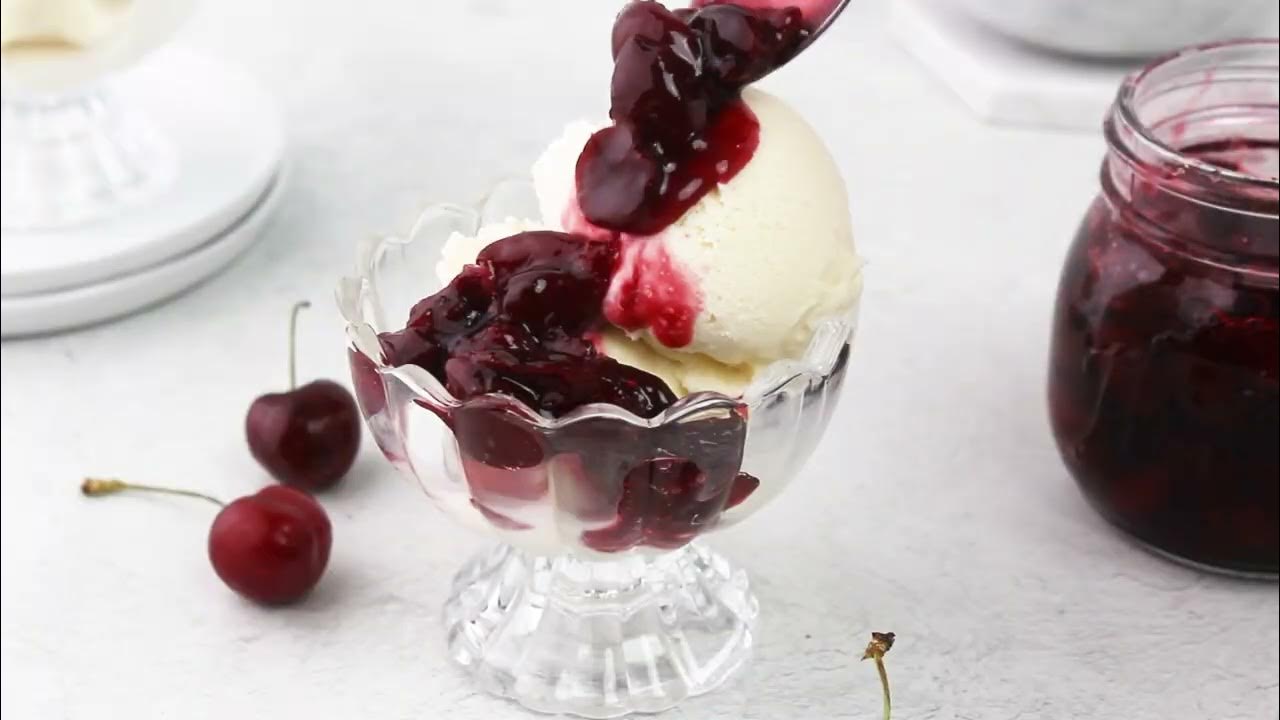
Cherry Compote Recipe: There are some kitchen staples that feel fancy but are actually unbelievably simple, and cherry compote sits right at the top of that list.
It sounds elegant enough to belong on a restaurant dessert menu, yet it comes together with basic ingredients and one saucepan. That is exactly why so many home cooks fall in love with it.
You get a glossy, ruby-red fruit topping that tastes rich, fresh, and bright without spending hours cooking or using complicated techniques. It is one of those recipes that instantly makes everyday food feel a little more special.
What Is Cherry Compote, Exactly?
At its core, cherry compote is a fruit sauce made by gently cooking cherries with sugar and a little liquid until the fruit softens and releases its juices. The end result is thicker than a syrup but looser than a jam. That texture is exactly what makes it so versatile. It is spoonable, glossy, and full of soft fruit pieces, which means it can act as a topping, filling, or accompaniment depending on how you use it. If jam is the intensely concentrated cousin and pie filling is the thicker, starch-heavy relative, compote is the easygoing middle ground.
The word “compote” sometimes sounds intimidating, but the method is actually very approachable. You are not dealing with complicated preserving steps or precision candy-making temperatures. You are simply allowing fruit, sugar, and heat to do what they naturally do together. The cherries soften, the juices mingle with the sweetener, and the mixture gently thickens into something luscious. It is a bit like letting ingredients tell their own story instead of forcing them into a strict formula.
Cherry compote also stands out because it keeps the identity of the fruit intact. You still taste cherries first and foremost. The sugar supports them instead of burying them. A splash of lemon juice brightens the flavor, while vanilla, cinnamon, or almond extract can add depth without overwhelming the fruit. That is one reason so many people prefer compote to artificially flavored dessert toppings from the store. Homemade compote tastes alive. It tastes like actual fruit, not a red-colored imitation of it.
Another reason this matters is usability. When someone searches for a cherry topping recipe or a fruit sauce for cheesecake, they are often looking for something more natural and less cloying than canned alternatives. Cherry compote fits that need beautifully. It can be thickened lightly for a dessert topping or kept slightly looser for breakfast bowls and oatmeal. Once you understand what it is, you realize it is less of a one-purpose recipe and more of a kitchen trick you will use again and again.
Why Homemade Cherry Compote Tastes Better
Homemade cherry compote has a freshness that store-bought versions rarely capture. Even the better jarred fruit toppings often lean too sweet, too thick, or too processed in flavor. When you make it yourself, you decide how much sugar to add, how soft the fruit should become, and whether the final taste should be bright, cozy, tart, or dessert-like. That control makes a huge difference. It is the difference between something that tastes generic and something that tastes like it was made specifically for your table.
One of the biggest advantages is the balance of sweetness. Cherries can vary wildly depending on the type and the season. Some are deeply sweet and mellow, while others have a punchy tartness that wakes up your whole mouth. A homemade recipe lets you respond to the fruit in front of you instead of following a one-size-fits-all industrial formula. If your cherries are already naturally sweet, you can scale the sugar back. If they need help, you can bump it up slightly and add lemon juice to keep everything lively.
Texture is another place where homemade wins easily. Some people love a chunky compote with whole or halved cherries that hold their shape. Others want a softer, more spoon-coating consistency that drapes over waffles and ice cream like velvet. At home, you can simmer it a little longer or a little shorter based on what you want. It is not locked into one texture. That flexibility makes the recipe useful for more than one occasion, and it means less compromise in the kitchen.
Then there is the aroma. When cherries simmer on the stove with sugar, vanilla, and citrus, the kitchen starts smelling like a bakery crossed with a summer orchard. It is one of those quiet pleasures that store-bought products simply cannot offer. Cooking at home turns the recipe into an experience, not just a result. You taste the difference, yes, but you also feel it. That is the heart of homemade cooking: simple ingredients becoming something memorable because you were there to guide them.
Ingredients You’ll Need
The ingredient list for cherry compote is refreshingly short, which is part of the reason this recipe is so reliable. You do not need specialty items or hard-to-find ingredients. Most of what you need is probably already in your kitchen, and the few things you may need to pick up are easy to find in any grocery store. That simplicity is what makes this recipe so approachable for beginners while still being satisfying enough for experienced cooks who appreciate recipes that let good ingredients shine.
Here are the ingredients you will need:
- 4 cups cherries, fresh or frozen, pitted
- 1/3 to 1/2 cup granulated sugar, depending on how sweet your cherries are
- 2 tablespoons lemon juice
- 1/4 cup water
- 1 teaspoon vanilla extract
- 1 teaspoon cornstarch mixed with 1 tablespoon water (optional, for a thicker compote)
- Pinch of salt
This combination creates a compote that feels balanced rather than sugary. The cherries are obviously the star, but the lemon juice keeps the flavor from becoming flat, while the vanilla adds a warm background note that rounds everything out. The pinch of salt may seem tiny, but it quietly sharpens the other flavors and helps the cherries taste fuller and more vibrant. Good recipes often rely on these small details, and this one is no different.
The optional cornstarch slurry is helpful if you want a thicker texture, especially when serving the compote over cheesecake, pound cake, or ice cream. That said, you do not always need it. Cherries release natural juices and can thicken slightly on their own as they simmer. If you prefer a looser fruit sauce for oatmeal, yogurt, or pancakes, you can skip the cornstarch and let the natural consistency shine through. This is one of those recipes where the ingredient list is simple, but the outcome can still be tailored to your preference.
Fresh vs Frozen Cherries
Choosing between fresh and frozen cherries is not really about right or wrong. It is about convenience, season, and the final texture you want. Fresh cherries bring a bright, clean flavor that feels especially lovely in peak cherry season. They also tend to hold their shape a little better if you want a compote with plumper fruit pieces. There is something undeniably satisfying about making compote from a bowl of ripe fresh cherries, especially when they are in season and bursting with juice.
That said, frozen cherries are incredibly practical and often just as delicious. They are picked and frozen when ripe, which means they can deliver very good flavor even when fresh cherries are out of season or expensive. They also save a lot of prep time because they are often already pitted. For busy home cooks, that is a huge advantage. You can go from freezer to saucepan with almost no extra effort, which makes this recipe feel even more weeknight-friendly.
Texture-wise, frozen cherries tend to break down a bit faster during cooking because freezing softens the fruit structure. That is not a bad thing at all. In fact, if you like a softer, more sauce-like compote, frozen cherries may be perfect for you. Fresh cherries, on the other hand, usually give a slightly firmer bite. It is a subtle difference, but one worth knowing if you are aiming for a very specific final result.
Cost can also play a role. Fresh cherries are wonderful, but they can be expensive depending on the season and where you live. Frozen cherries make this recipe much more accessible year-round. So if you are wondering whether you can make an excellent homemade cherry compote without fresh fruit, the answer is absolutely yes. Frozen cherries are not the backup singer here. They can absolutely carry the whole performance.
Sweeteners and Flavor Boosters
Sugar is the classic sweetener in cherry compote because it dissolves easily, balances tartness, and helps create that glossy finish people love. Granulated sugar is the most straightforward choice, and it gives clean, predictable results. Still, that does not mean it is the only option. Depending on the flavor profile you want, you can use alternatives like honey, maple syrup, or even coconut sugar. Each one changes the taste slightly, almost like changing the background music in a scene. The fruit remains the lead, but the mood shifts.
Honey brings floral notes and a softer sweetness that can make the compote feel comforting and rich. Maple syrup adds depth and a gentle caramel-like warmth, which pairs beautifully with cherries in colder months. Coconut sugar has a deeper, more molasses-like quality, though it can darken the color a little. These sweeteners can all work, but the simplest and most neutral flavor usually comes from standard sugar, which is why it remains the go-to choice in many classic recipes.
Flavor boosters are where you can subtly personalize the compote. Vanilla extract is an easy favorite because it softens the edges and gives the sauce a rounded, dessert-friendly warmth. Almond extract is another classic pairing with cherries, but it should be used carefully because it is strong. Just a drop or two can make the cherries taste almost bakery-like, which is lovely if you are serving the compote over cake or pastries. Cinnamon can add a cozy note, especially in cooler weather, and orange zest can bring a brighter, more fragrant twist.
The trick with any flavor booster is restraint. Cherry compote works best when the cherries are still the main event. Think of vanilla, lemon, almond, or spice as the lighting in a room. Good lighting makes everything look better, but nobody walks in and compliments the lamp first. Keep the focus on the fruit, and your compote will taste balanced, elegant, and incredibly usable.
Kitchen Tools That Make the Process Easier
The good news about this recipe is that it does not ask much from your kitchen. You do not need a stand mixer, a food processor, or any complicated gadget. A simple saucepan and a few basic tools are enough to create something that tastes polished and impressive. That is one reason cherry compote is such a smart recipe to keep in your back pocket. It delivers big flavor without asking for a circus of equipment.
The most important tool is a medium saucepan with a heavy enough base to heat the fruit evenly. Thin pans can sometimes cause hot spots, which may lead to uneven cooking or sticking. A sturdy saucepan gives you better control, especially when the cherries begin releasing sugar-rich juices that can catch on the bottom if the heat is too high. A wooden spoon or silicone spatula is also helpful for stirring, because it lets you move the fruit gently without crushing it too aggressively.
If you are using fresh cherries, a cherry pitter can save a lot of time and frustration. You can absolutely pit cherries by hand or with a small knife, but a pitter makes the job dramatically faster and less messy. It is one of those tools that seems optional until you use it once and wonder why you ever struggled without it. A measuring cup and measuring spoons are also useful for consistency, especially if you want the recipe to come out the same way every time.
Finally, a clean glass jar or airtight container is important for storage. Once the compote cools, you will want somewhere convenient to keep it in the refrigerator. If you plan to serve it for brunches, desserts, or meal prep, having it ready in a container makes life easier. The tool list may be small, but it supports a recipe that feels far more special than the equipment suggests.
How to Prepare Cherries Before Cooking
Preparing the cherries properly sets the stage for a smoother cooking process and a better finished compote. It may seem like a minor step, but every good fruit recipe starts with treating the produce carefully. When cherries are properly cleaned, pitted, and checked for quality, the cooking becomes almost effortless. Skip the prep, and you may end up fishing out stems, dealing with uneven pieces, or wondering why the flavor feels off.
If you are using fresh cherries, start by rinsing them well under cool running water. Fruit often carries a bit of dust, residue, or clingy debris, so a quick wash helps everything taste cleaner and fresher. After washing, remove the stems and inspect the cherries one by one. Any bruised, mushy, or damaged fruit should be set aside. A compote is forgiving, yes, but using sound fruit still matters because the flavor concentrates as it cooks. Bad cherries do not hide in a recipe like this. They announce themselves.
Pitting is the most time-consuming part if you are using fresh fruit. You can slice the cherries in half with a knife and remove the pits manually, or use a cherry pitter for speed. Halved cherries tend to cook more evenly and create a pleasant texture in the finished compote. Some people like leaving the fruit nearly whole for a chunkier result, while others prefer smaller pieces that melt down more easily. There is room for either approach, as long as the pits are completely removed.
Frozen cherries usually need much less prep. In many cases, they are already washed and pitted, which makes them incredibly convenient. You can cook them straight from frozen, though they may release extra liquid early on. That is perfectly normal. In fact, it can help the compote come together faster without needing much added water. Proper preparation is not flashy, but it is like laying a solid foundation before building a house. Everything that comes after becomes easier and better because of it.
Washing, Pitting, and Checking Ripeness
When working with fresh cherries, ripeness can quietly decide whether your compote turns out extraordinary or just acceptable. Ripe cherries should feel firm but not hard, and they should have rich color and a healthy shine. If they are pale, overly soft, or wrinkled, they may not deliver the best flavor. Since compote is such a fruit-forward recipe, the quality of the cherries matters more than in heavily spiced or baked dishes where other ingredients can mask imperfections.
Washing the cherries thoroughly is the first practical step. Use cool water and gently rub the fruit with your fingers to remove any residue. Then dry them lightly with a clean towel or let them drain in a colander. Excess surface water is not disastrous, but starting with clean, reasonably dry fruit keeps the flavor from becoming diluted right away. It is a simple move that helps preserve the concentrated cherry taste you want in the final compote.
Pitting deserves patience. It can feel repetitive, but it is worth doing carefully. Missing even one pit can turn an enjoyable spoonful into an unpleasant surprise, especially if you are serving the compote to family or guests. A pitter makes the job fast, but a knife works just fine too. If you are halving the cherries, try to keep the pieces somewhat uniform so they cook at a similar rate. This helps the finished compote feel intentional rather than uneven.
Checking ripeness also helps you decide how much sugar to add later. Sweeter cherries may need only the lower amount in the recipe, while tarter ones benefit from a bit more. This is one of those places where cooking becomes less about rigid instructions and more about paying attention. Great home cooks do not just follow steps. They notice, adjust, and respond. Cherry compote rewards exactly that kind of attention.
Step-by-Step Guide for Cherry Compote
Below, each step walks you through the process clearly, from gathering ingredients to storing the finished compote. Follow them in order, and you will have a cherry compote that works beautifully for breakfast, dessert, or anything in between.
Step 1 – Gather and Measure Everything
Start by getting all your ingredients ready, including cherries, sugar, lemon juice, and any optional flavorings like vanilla or cinnamon. If you are using fresh cherries, wash them well and remove the pits. Measuring everything first makes the cooking process easier and helps you avoid mistakes once the heat is on.
Step 2 – Combine the Ingredients
Add the cherries, sugar, and lemon juice to a saucepan. Stir gently so the sugar begins to coat the fruit evenly. If you want extra flavor, this is the time to add ingredients like vanilla extract or a small pinch of spice.
Step 3 – Simmer Until the Cherries Break Down
Place the saucepan over medium heat and let the mixture come to a gentle simmer. Stir occasionally as the cherries release their juices and soften. After a few minutes, the fruit will begin to break down and the liquid will start to look glossy and syrupy.
Step 4 – Adjust the Texture and Flavor
Taste the compote and adjust the sweetness or acidity if needed. If you want it thicker, let it simmer a little longer. If you prefer a smoother texture, gently mash some of the cherries with the back of a spoon while leaving a few whole for a more rustic finish.
Step 5 – Cool and Store Properly
Remove the compote from the heat and allow it to cool before transferring it to a clean jar or airtight container. It will thicken a bit more as it cools. Store it in the refrigerator and use it over cheesecake, pancakes, yogurt, or ice cream.
Common Mistakes to Avoid
Cherry compote is simple, but simple recipes often leave nowhere to hide. Because there are so few ingredients, small mistakes become more noticeable. One common issue is using too much sugar too soon. It is tempting to sweeten aggressively at the start, especially if the cherries taste tart raw, but remember that the sauce concentrates as it cooks. A compote that seems mildly sweet early on can become much sweeter by the end. Starting modestly and adjusting later gives you better control.
Another frequent mistake is cooking the compote over heat that is too high. Cherries are delicate, and sugar-rich mixtures can catch or reduce too quickly if the heat is aggressive. High heat can leave you with fruit that is oddly broken down but sauce that tastes a little sharp or overcooked. Gentle simmering is what creates that glossy, fresh-tasting finish. Think of it less like frying and more like persuading the fruit to open up slowly.
Many people also stop cooking based only on appearance in the saucepan, forgetting that the compote thickens as it cools. That can lead to over-thickened results, especially if cornstarch is added. A better approach is to leave a little room for cooling to do its job. Similarly, some cooks overuse flavorings like almond extract or cinnamon, which can quickly overpower the fruit. Cherries have a bold but elegant flavor, and they do not need much support to shine.
The last mistake is treating compote like a rigid formula instead of a living recipe. Fruit varies. Sweetness varies. Water content varies. Great results come from tasting, observing, and adjusting. That flexibility is not a complication. It is actually the thing that makes homemade compote so rewarding.
Best Ways to Serve Cherry Compote
One of the best things about cherry compote is how many roles it can play. It is not stuck in one corner of the menu. It can move from breakfast to dessert to snack time without feeling out of place. That makes it one of the most useful fruit recipes you can learn. A single batch can stretch across multiple meals, and every use feels a little different. It is like having a versatile accessory that somehow matches everything in your closet.
For breakfast, cherry compote is excellent over pancakes, waffles, French toast, oatmeal, or Greek yogurt. It adds color, moisture, and real fruit flavor in a way that maple syrup or jam cannot quite replicate. On oatmeal, it brings sweetness and tartness at the same time, keeping each bite interesting. On yogurt, it creates a contrast between creamy and juicy that feels balanced and refreshing. Even simple toast with cream cheese becomes far more exciting with a spoonful of compote on top.
For dessert, the possibilities widen even more. Cherry compote pairs beautifully with cheesecake, vanilla ice cream, pound cake, panna cotta, and chocolate desserts. Cherries and chocolate, in particular, are a classic pairing because the fruit’s brightness cuts through richness like a sharp note in a deep song. The compote adds both flavor and visual appeal, turning basic desserts into something that looks intentionally styled and thoughtfully plated.
It can even work in savory contexts. A small spoonful alongside roast duck, pork, or a cheese board can bring a sweet-tart contrast that feels sophisticated. That might not be the first use most people think of, but it shows just how adaptable this recipe is. The more you use cherry compote, the more it stops being just a topping and starts becoming a go-to flavor tool in your kitchen.
Breakfast Ideas
Breakfast is one of the easiest and most satisfying places to use cherry compote because it instantly upgrades ordinary foods. A bowl of oatmeal can be wholesome but a little predictable. Add warm cherry compote, and suddenly it feels like something from a café menu. The sweet-tart fruit wakes up the oats, while the juices seep in and create a more luxurious texture. It is a small change, but it transforms the experience from routine to rewarding.
Pancakes and waffles are another natural fit. Instead of syrup alone, spoon the compote over the top and let it run into the edges and pockets. The fruit adds brightness and texture, making the whole plate feel more balanced. A dollop of whipped cream, mascarpone, or yogurt on top takes it even further. It is one of those combinations that feels indulgent but still grounded by real fruit, which is why it works so well for weekend breakfasts and brunches.
Cherry compote is also excellent layered into yogurt parfaits with granola and nuts. The compote brings moisture and flavor, the yogurt adds creaminess, and the granola contributes crunch. Together, they create a mix of textures that keeps every spoonful interesting. It feels thoughtful and put-together without requiring much effort, which is exactly the kind of breakfast solution people love.
Even something as simple as toast becomes more compelling with cherry compote. Spread ricotta, cream cheese, or almond butter on toasted bread, then top with a spoonful of compote. It lands somewhere between breakfast and dessert, which is often a very happy place to be in the morning. That is the charm of cherry compote: it makes everyday meals feel just a little more special.
Dessert Pairings
When it comes to dessert, cherry compote is a quiet star. It does not usually dominate the plate, but it has a way of making everything around it better. On cheesecake, it adds the bright fruit layer that cuts through the dense, creamy richness. On vanilla ice cream, it creates contrast in temperature, texture, and flavor all at once. The cold creaminess of the ice cream against the soft cherries and glossy sauce is one of those combinations that feels timeless for a reason.
It also pairs beautifully with cakes that need a little moisture and a little lift. Pound cake, sponge cake, angel food cake, and even chocolate cake all benefit from a spoonful of compote. The cherries bring juiciness, color, and a fresh note that keeps dessert from feeling one-dimensional. This is especially true with richer cakes, where the compote acts almost like a spotlight, cutting through the heaviness and helping the whole dessert feel more balanced.
Custard-based desserts also welcome cherry compote warmly. Spoon it over panna cotta, rice pudding, or vanilla pudding, and you suddenly have something that looks restaurant-worthy. The contrast between smooth, creamy bases and tender fruit topping is deeply satisfying. It is a bit like adding a bright scarf to a neutral outfit. The base is lovely already, but the fruit gives it life.
Perhaps the best part is presentation. Cherry compote looks stunning. Its deep red color and glossy finish naturally dress up a plate. You do not need advanced plating skills to make it look good. A simple spoonful draped over dessert is often enough. That makes it ideal for entertaining, because it delivers maximum visual impact with minimal effort.
How to Store, Freeze, and Reheat It
Cherry compote stores very well, which is one of the reasons it is worth making even if you do not plan to use it all at once. Once cooled, transfer it to an airtight container or a clean glass jar and refrigerate it. It should stay fresh for around 5 to 7 days. The texture may thicken slightly as it chills, but that is completely normal. A quick stir before serving usually brings it back to a lovely spoonable consistency.
Freezing is also an excellent option, especially if you make a larger batch. Spoon the cooled compote into freezer-safe containers, leaving a little room at the top for expansion. You can also freeze it in smaller portions so it is easier to thaw only what you need. This is especially helpful for meal prep or for keeping a ready-made fruit topping on hand for desserts and breakfasts. Cherry compote freezes surprisingly well because its texture is already soft and saucy by nature.
To thaw frozen compote, transfer it to the refrigerator overnight or warm it gently from frozen in a saucepan over low heat. Reheating should be done gently to avoid scorching the sugars or breaking the fruit down too much. If the compote feels too thick after chilling or freezing, add a splash of water while reheating and stir until it loosens slightly. That small adjustment usually restores the texture very well.
Good storage turns this from a one-day recipe into a flexible kitchen staple. That matters because recipes become far more valuable when they fit into real life. A bowl of cherry compote waiting in the fridge is like having a secret weapon for breakfast, dessert, and snack emergencies. It is ready when you are, and that kind of convenience is hard to beat.
Delicious Variations to Try
Once you have the base recipe down, cherry compote becomes a wonderful canvas for variation. One of the easiest twists is adding orange zest along with the lemon juice. The orange brings a fragrant citrus warmth that pairs beautifully with cherries, making the compote feel a little brighter and more aromatic. It is a subtle shift, but it changes the mood of the recipe in a lovely way.
Another great variation is adding a tiny amount of almond extract instead of vanilla. Cherries and almond are a classic pairing, and even a few drops can make the compote taste almost like a bakery filling. Just be careful not to overdo it. Almond extract is powerful, and too much can overwhelm the fruit. Used lightly, though, it creates a flavor that feels elegant and memorable.
For a cozier version, especially in colder months, try a pinch of cinnamon or a sliver of fresh ginger. These additions create a warmer profile that works especially well over oatmeal, pancakes, or baked desserts. The cherries stay recognizable, but the spice makes the compote feel more seasonal and comforting. It is the culinary equivalent of adding a soft blanket to the sofa.
You can also mix cherries with other fruits like raspberries, blueberries, or strawberries. A mixed berry cherry compote has a slightly more complex tart-sweet character and a beautiful color. This can be especially useful if you have small amounts of fruit to use up. Variations keep the recipe interesting, but the basic principle stays the same: let the fruit lead, and use the extras to support rather than steal the scene.
FAQs about Cherry Compote Recipe
1. What is cherry compote made of?
Cherry compote is usually made with cherries, sugar, and lemon juice. Some recipes also include vanilla, cinnamon, or a little cornstarch for extra flavor and thickness. It is a simple fruit topping that can be served warm or cold.
2. Can I use frozen cherries for cherry compote?
Yes, frozen cherries work very well for cherry compote. You do not always need to thaw them first, because they release juice as they cook. This makes frozen cherries a convenient option any time of year.
3. How do I make cherry compote thicker?
You can make cherry compote thicker by simmering it longer so more liquid evaporates. You can also mash some of the cherries to create a naturally thicker texture. Some people add a small cornstarch slurry if they want a more syrupy consistency.
4. How long does cherry compote last?
Cherry compote usually lasts about 5 to 7 days when stored in an airtight container in the refrigerator. Let it cool completely before storing. Always use a clean spoon when serving to keep it fresh longer.
5. What can I serve cherry compote with?
Cherry compote is delicious over cheesecake, pancakes, waffles, yogurt, oatmeal, ice cream, or toast. It also works well as a filling or topping for desserts. Its sweet and slightly tart flavor pairs nicely with many foods.
6. Can cherry compote be served warm or cold?
Yes, cherry compote can be served warm, chilled, or at room temperature. Warm compote is great on pancakes or ice cream, while cold compote is perfect for cheesecake and yogurt. The best choice depends on the dish you are serving.
Conclusion
This step-by-step guide keeps the process straightforward while still giving you room to make the recipe your own. You can choose fresh or frozen cherries, keep the texture loose or thicken it slightly, and adjust the sweetness depending on the fruit you have. Those choices make the recipe feel personal rather than mechanical, which is often the difference between a recipe you try once and one you return to all year long.
The real charm of homemade cherry compote is that it offers both simplicity and payoff. It asks little from you, yet gives back flavor, beauty, and convenience in return. One batch can carry breakfasts for days or turn a plain dessert into something that looks and tastes polished. That is a strong return for such a humble process.
If you have been looking for an easy fruit recipe that feels professional, practical, and genuinely delicious, this is it. Cherry compote proves that sometimes the simplest recipes are the ones with the most staying power.