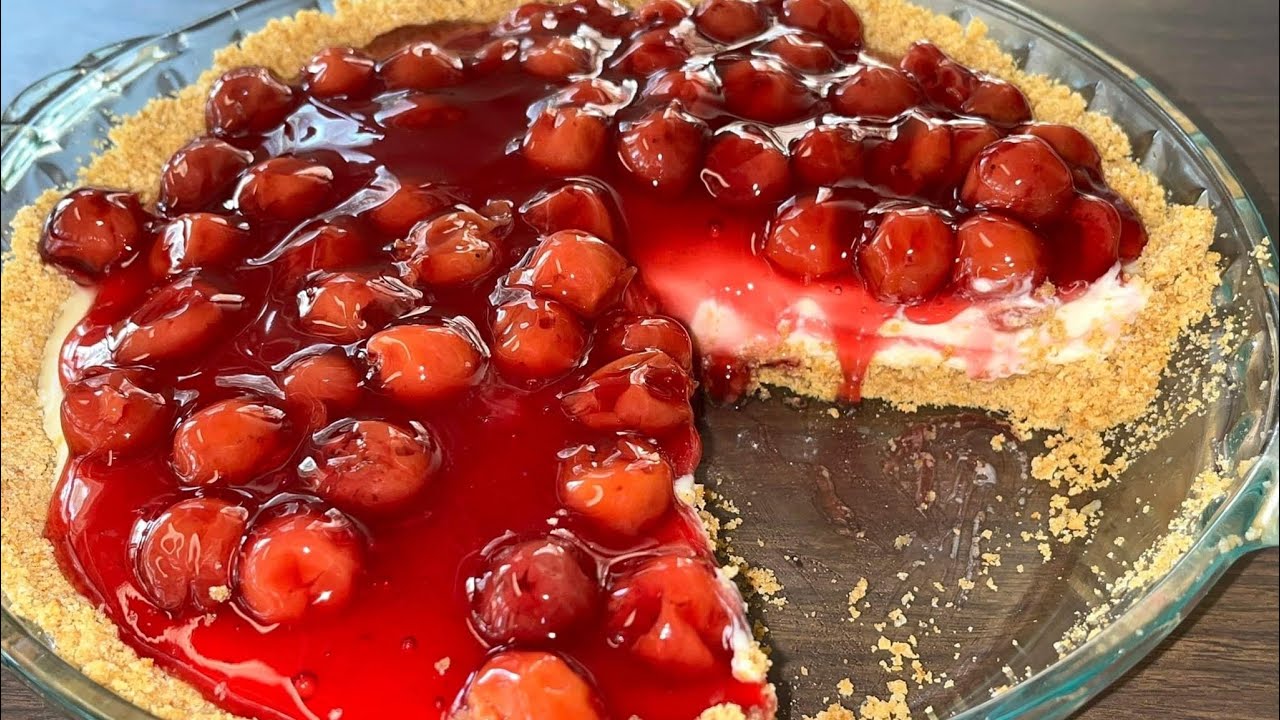
Cheese Pie Recipe: A good cheese pie recipe has a way of making people stop talking for a second after the first bite. It is warm, rich, soft in the middle, and beautifully golden on top. That contrast between creamy filling and flaky crust is what turns a simple homemade dish into something that feels comforting and a little special at the same time. Cheese pie works just as well for breakfast, brunch, lunch, or dinner, which is part of the reason it never really goes out of style. It is one of those recipes that can feel rustic and simple or polished and elegant depending on how you serve it.
Another reason this dish stays popular is its flexibility. Some people like their cheese pie mild and creamy, while others want a sharper, saltier flavor with more personality. You can make it with feta, ricotta, cream cheese, cottage cheese, mozzarella, or a blend of several cheeses. That means you are not locked into one flavor profile. You can lean rich and indulgent, light and tangy, or savory and hearty without changing the core idea of the recipe. It is like having one recipe with several personalities hiding inside it.
The beauty of homemade cheese pie is that it does not ask for complicated technique. You do not need professional baking skills to get a satisfying result. Once you understand the basic balance of crust, cheese, eggs, and seasoning, the whole process starts to feel natural. This guide walks through every important detail, from the ingredients you’ll need to the full step-by-step guide, so the finished pie comes out flavorful, structured, and sliceable instead of soggy or heavy.
What Makes a Great Cheese Pie Recipe
A truly memorable cheese pie recipe is not just about throwing cheese into a crust and hoping for the best. The magic comes from balance. You want a filling that feels rich but not greasy, creamy but not runny, and flavorful without becoming overwhelmingly salty. The crust should support the filling rather than disappear beneath it. Think of the pie as a small team where every ingredient has a job. The eggs bind, the cheese brings body and flavor, the dairy softens the texture, and the crust gives everything a crisp foundation. When each part does its work properly, the result is a pie that slices neatly and tastes far better than the sum of its parts.
Texture matters just as much as flavor. A great cheese pie should feel smooth and slightly airy inside rather than dense like a brick. That is why proportions are so important. Too much liquid can make the center loose and underbaked, while too many dry ingredients can produce a filling that feels stiff. A successful pie has a center that is set but still tender. When you cut into it, the slice should hold its shape while still looking moist and inviting. It should not collapse or spill across the plate.
Seasoning also separates a decent pie from a truly good one. Cheese already contains salt, so every extra pinch must be thoughtful. Black pepper, a little nutmeg, chopped herbs, or even a touch of garlic can lift the entire dish without overwhelming it. A professional-style pie always tastes layered, not flat. That layered taste comes from understanding how ingredients interact, not from adding more and more things. Once you get that balance right, even a straightforward homemade cheese pie can taste bakery-worthy.
Choosing the Right Cheese for Flavor and Texture
The cheese you choose shapes the entire identity of your pie. If you use only one cheese, the filling may still taste good, but combining two or three types often creates a fuller, more interesting result. Feta cheese adds a salty, tangy bite that gives the pie character. Ricotta cheese contributes softness and a creamy texture. Mozzarella brings gentle stretch and mildness, while cream cheese makes the filling richer and smoother. This is why many of the best cheese pie recipes rely on a mixture instead of a single option. It is like building a song with more than one instrument. Each cheese covers what the others lack.
Texture is the first thing to think about when selecting your cheese blend. A crumbly cheese on its own can create a dry filling unless it is balanced with something creamier. On the other hand, very soft cheese can become too loose unless eggs and a firmer cheese help structure it. That is why a feta-and-ricotta combination is so popular. One gives punch, the other gives body. Add a little mozzarella, and suddenly the filling becomes more rounded and satisfying.
Flavor strength also matters. Sharp cheeses can dominate quickly, especially after baking, when flavors become more concentrated. Mild cheese gives you more room to season with herbs or spices, while bold cheese needs a lighter hand elsewhere. For this recipe, a combination of feta, ricotta, and mozzarella creates an ideal middle ground: salty, creamy, and slightly stretchy without being heavy. That blend produces a pie that tastes rich and savory while still appealing to a wide range of palates.
Picking the Best Crust for a Flaky Finish
The crust is not just a container. It is a major part of the eating experience. A weak crust turns soggy under the filling, and a thick, heavy crust can make the pie feel dense. The best crust for a cheese pie recipe is one that bakes into a flaky, lightly crisp layer while holding the filling securely. You can use puff pastry, phyllo dough, shortcrust pastry, or a basic homemade pie dough. Each option changes the personality of the final dish. Puff pastry gives buttery lift, phyllo creates delicate crackling layers, and shortcrust offers a more classic pie texture.
For home cooks who want a dependable result, store-bought puff pastry is a strong choice. It saves time and gives that lovely golden finish most people expect from a bakery-style pie. If you want something more traditional and sturdy, pie dough works beautifully too. The important thing is to avoid an overly wet base. Even the best dough can lose its charm if it absorbs too much moisture from the filling before baking. Chilling the dough and not overfilling the shell both help preserve that flaky bite.
A great crust should also complement the filling rather than compete with it. Since cheese pie is already rich, the crust should feel crisp and clean, not greasy. Brushing the top with egg wash helps it brown attractively and adds that polished, professional look. When you cut into a finished pie, the crust should give a gentle crunch before meeting the soft center. That contrast is what makes each bite feel complete.
Ingredients You’ll Need
Below is the complete ingredient list for a classic, savory homemade cheese pie. This version makes one 9-inch pie and serves around 6 to 8 people depending on portion size.
Main Filling Ingredients
- 1 cup ricotta cheese
- 1 cup crumbled feta cheese
- 1 cup shredded mozzarella cheese
- 2 large eggs
- 1/2 cup plain Greek yogurt or sour cream
- 2 tablespoons grated Parmesan cheese
- 1 tablespoon chopped fresh parsley
- 1 teaspoon chopped fresh dill
- 1/4 teaspoon black pepper
- 1/8 teaspoon salt
- 1/4 teaspoon ground nutmeg (optional)
Ingredients for the Crust or Pastry
- 1 sheet puff pastry or enough pastry dough for a 9-inch pie
- 1 tablespoon butter or olive oil for greasing the dish
- 1 egg yolk for egg wash
- 1 teaspoon water for mixing with the egg yolk
Optional Add-Ins for Extra Flavor
- 1/4 cup finely chopped onion
- 1 clove garlic, minced
- 1/2 cup spinach, squeezed dry and chopped
- 1 tablespoon sesame seeds for topping
These ingredients create a pie that tastes creamy, savory, and balanced. The feta adds brightness, the ricotta softens the filling, and the mozzarella ties everything together. Herbs bring freshness, and the yogurt keeps the center tender instead of dry. Once these ingredients are measured and ready, the rest of the process becomes much easier and more enjoyable.
Main Filling Ingredients
The filling ingredients do more than add flavor. They determine how your pie sets, how moist it stays, and whether each slice looks neat or messy when served. Ricotta cheese acts like the soft base, giving the filling a creamy body without making it too heavy. Feta cheese adds that unmistakable salty tang that turns a simple cheese pie into something more memorable. Mozzarella smooths out the texture and helps the filling feel cohesive, while the Parmesan adds a subtle savory depth that makes the pie taste more complete.
The eggs are equally important. They are not just another ingredient in the bowl; they are the glue that holds the filling together as it bakes. Without them, the pie would be loose and difficult to slice. The Greek yogurt or sour cream brings softness and moisture, preventing the interior from feeling dry or crumbly. Herbs like parsley and dill brighten the richness of the cheese and keep the filling from tasting one-dimensional. Even a small pinch of nutmeg can make a difference by adding warmth in the background without becoming obvious.
One thing that matters here is ingredient temperature. Room-temperature ingredients mix more easily and more evenly than cold ones. That means fewer lumps, a smoother filling, and a more even bake. When all the filling ingredients work together, the texture becomes the kind you want in a great cheese pie: creamy, gently firm, and flavorful from edge to center.
Ingredients for the Crust or Pastry
The crust ingredients may look simple, but they play a huge role in the final quality of the pie. Using puff pastry is the quickest route to a flaky, golden result, and it is ideal when you want something polished without making dough from scratch. A quality pastry sheet rises in the oven, develops crisp layers, and provides that satisfying contrast to the soft cheese filling. The butter or olive oil used for greasing the baking dish helps prevent sticking while also encouraging better browning around the edges.
The egg yolk and water mixture for the egg wash is a small step that makes a big visual difference. Brushing the pastry with egg wash before baking gives the top a rich golden color that makes the pie look professionally finished. It is the sort of detail people notice even before they take a bite. A pale crust can still taste good, of course, but a glossy, browned top signals care and makes the whole dish feel more inviting.
If you are using pie dough instead of puff pastry, the same principle applies: keep it cool, handle it gently, and avoid letting it become too soft before baking. Overworked dough can become tough, and warm pastry can lose the distinct flaky texture you are aiming for. Whether store-bought or homemade, the crust should support the filling without turning rubbery or soggy. In a good cheese pie, the crust is not just background scenery. It is part of the reason the pie feels complete.
Optional Add-Ins for Extra Flavor
One of the best things about a homemade cheese pie recipe is that it gives you room to personalize without losing the soul of the dish. Optional add-ins help you shift the flavor depending on the occasion or the ingredients you already have in your kitchen. A little finely chopped onion adds sweetness and depth, especially when sautéed first until soft. Garlic gives the filling a savory edge, but it should be used carefully so it supports the cheese instead of overpowering it.
Spinach is one of the most popular additions because it pairs beautifully with feta and ricotta. It adds color, earthiness, and a slightly fresher feel to the pie. The important step is squeezing out as much water as possible. Wet spinach can quietly ruin a pie by thinning the filling and making the crust soggy. That is why preparation matters just as much as ingredient choice. Sesame seeds on top are optional too, but they add a subtle nutty note and a lovely visual finish.
These add-ins are useful because they let you turn a classic recipe into something that feels a bit more tailored. Want a more Mediterranean vibe? Add spinach and dill. Want something richer and warmer? Use onion, garlic, and a touch more Parmesan. The beauty is that the core recipe stays stable while the finishing notes shift to match your taste. It is like putting your signature on a familiar dish without changing what makes it comforting in the first place.
Kitchen Tools That Make the Process Easier
You do not need a professional kitchen to make a beautiful cheese pie, but having the right tools does make the process smoother. A 9-inch pie dish or baking pan is the main piece of equipment, and it helps the pie bake evenly and hold its shape. A mixing bowl large enough to combine all the filling ingredients is important because overcrowding a small bowl can lead to uneven mixing. A whisk or fork works well for beating the eggs and blending the filling, while a spatula or spoon helps fold everything together without making a mess.
A rolling pin may be useful if your dough needs shaping, though puff pastry often requires only light adjustment. A pastry brush is one of those tools that seems minor until you use it. It makes applying egg wash quick and even, giving the top of the pie a uniform golden finish. Measuring cups and spoons are also worth using instead of estimating, especially the first time. Baking is more forgiving than people think, but structure-heavy dishes like cheese pie still benefit from accurate proportions.
One overlooked tool is a cooling rack. After baking, allowing the pie to cool slightly on a rack helps the steam escape and protects the crust from becoming soggy underneath. A sharp knife also matters more than expected when it is time to slice. A clean cut shows off the filling and keeps the serving pieces attractive. None of these tools are fancy, but together they turn the cooking process into something more organized, efficient, and enjoyable.
How to Prepare the Filling Properly
Preparing the filling correctly is what prevents the pie from becoming dense, watery, or unevenly seasoned. The first step is to place the ricotta, feta, mozzarella, eggs, Greek yogurt, Parmesan, herbs, pepper, and any optional nutmeg into a mixing bowl. Once everything is in, stir just until combined. You are not trying to whip lots of air into the filling or turn it perfectly smooth. A little texture is good. Small crumbles of feta and strands of mozzarella create a more natural, homemade feel in the final pie.
This is also the moment to taste thoughtfully, at least as much as the raw ingredients allow. Since feta and Parmesan already contain salt, adding extra salt should be done with restraint. Many cheese pies become too salty simply because the cook seasons out of habit instead of checking what the cheeses are already contributing. The herbs should smell fresh and noticeable, but not dominant. The pepper should be present in the background, giving warmth without taking over.
If you are using onion, garlic, or spinach, prepare them before adding them to the filling. Onion and garlic taste better when lightly cooked first, while spinach should be wilted and squeezed dry. Folding wet vegetables straight into the mixture is one of the easiest ways to throw off the filling texture. Once everything is mixed, the filling should look creamy, thick, and scoopable rather than runny. That consistency is your sign that it is ready to move into the crust.
Mixing the Cheese Filling Without Overworking It
There is a sweet spot when mixing cheese pie filling, and hitting it makes a real difference. Under-mixing can leave ingredients unevenly distributed, which means one slice might taste heavily of feta while another feels bland. Over-mixing, though, can make the filling too loose or overly uniform in a way that flattens the texture. The goal is to blend the ingredients enough so each scoop contains the same balance of cheese, eggs, dairy, and herbs, while still keeping some character in the mixture.
Think of the filling like a conversation rather than a speech. You want every ingredient to have a voice, but you do not want one loud component drowning out the rest. When you mix gently with a spoon or spatula, the ricotta stays creamy, the feta keeps a little crumble, and the mozzarella remains nicely distributed instead of clumping. That creates a more appealing texture once baked. The filling should be thick enough to sit in the crust without spreading like soup.
Another reason not to overwork the filling is that excessive stirring can break down the cheeses too much, especially softer ones. That can result in a final texture that feels pasty instead of creamy. Once the mixture looks uniform and well combined, stop. The oven will do the rest of the work. Good cooking often comes down to knowing when to leave things alone, and this is one of those moments.
How to Prepare the Pie Crust
Preparing the crust properly sets the stage for the entire recipe. Start by lightly greasing your pie dish with butter or olive oil. This helps with both easy release and edge browning. If you are using puff pastry, thaw it according to package directions until it is pliable but still cool. If it gets too warm, it becomes difficult to handle and may not puff properly in the oven. Lay the pastry into the pie dish and gently press it into the bottom and sides without stretching it. Stretching seems harmless, but pastry tends to shrink back during baking if it is pulled too tightly.
Trim any large overhang, but leave enough pastry to fold or crimp the edges if you like a more decorative finish. If you are adding a top layer of pastry, keep the second sheet chilled until the filling is ready. Cold pastry is easier to work with and bakes into cleaner layers. A few small holes in the base with a fork can help reduce bubbling, although with this filling it is usually not a major issue.
The crust should look neat and relaxed in the dish, not tight or torn. Once the filling goes in, spread it evenly so the center and edges bake at the same rate. A well-prepared crust makes the pie easier to slice, more attractive to serve, and far more satisfying to eat. It is the quiet structural hero of the whole recipe.
Store-Bought vs Homemade Crust
The decision between store-bought and homemade crust often comes down to time, confidence, and the kind of finish you want. Store-bought puff pastry is the best option for convenience without sacrificing too much quality. It delivers reliable flakiness and a beautiful golden top, which is why so many home bakers keep it on hand. For a recipe like cheese pie, where the filling already has plenty of flavor, using ready-made pastry is a smart shortcut rather than a compromise.
A homemade crust, though, has its own charm. It gives you full control over thickness, flavor, and texture. You can make it more buttery, more delicate, or more rustic depending on your preferences. The trade-off is that it takes longer and requires a bit more technique, especially when it comes to keeping the dough cold and avoiding overworking it. For experienced bakers, that extra effort can be rewarding. For busy cooks, it can turn a simple recipe into an unnecessary project.
In practical terms, both options can produce an excellent pie. The filling is still the star. What matters most is how the crust is handled. A carefully used store-bought crust will almost always outperform a poorly made homemade one. So the right choice is the one that lets you execute the recipe confidently. The best pie is not the one with the most effort behind it. It is the one that comes out balanced, golden, and delicious.
Step-by-Step Guide to Making Cheese Pie
Step 1: Prepare the Ingredients
Start by gathering all your ingredients before you begin. This usually includes the cheese, eggs, milk or cream, seasonings, and pie crust or pastry dough if your recipe uses one. Measure everything properly so the process feels smooth and organized. Cooking without preparation can feel like trying to build a house while still searching for bricks, so this step saves time and stress.
Step 2: Preheat the Oven and Ready the Pan
Preheat your oven to the required temperature, usually around 350°F to 375°F (175°C to 190°C). Grease the pie dish lightly if needed, or fit in the crust if you are using one. A properly heated oven helps the pie cook evenly from the start, while the prepared pan keeps sticking from becoming a problem later.
Step 3: Make the Filling
In a mixing bowl, combine the cheese with the eggs, milk, and any chosen seasonings. Stir or whisk until the filling becomes smooth and well blended. This mixture should be rich and creamy, with the cheese evenly distributed so every slice tastes balanced and flavorful.
Step 4: Assemble the Pie
Pour the filling into the prepared crust or directly into the baking dish if making a crustless version. Spread it gently so the top is even. This helps the pie bake uniformly and gives it a neat finished look.
Step 5: Bake Until Golden and Set
Place the pie in the oven and bake until the top looks lightly golden and the center is set. It should no longer look wet or shaky in the middle. Keep an eye on it near the end so it does not overbake.
Step 6: Cool, Slice, and Serve
Let the cheese pie cool for a few minutes before slicing. This resting time helps it firm up and makes serving easier. Once sliced, serve it warm or at room temperature for the best flavor and texture.
Common Mistakes to Avoid
Even a simple cheese pie recipe can go wrong if a few common mistakes sneak in. One of the biggest is using ingredients with too much moisture. Wet spinach, overly loose ricotta, or extra liquid from vegetables can turn a structured filling into something sloppy. Another frequent problem is over-salting. Since cheeses like feta and Parmesan already bring plenty of salt, additional seasoning should be added carefully and only after considering what is already in the bowl.
Another mistake is overbaking. It is easy to assume a longer bake equals a better-set pie, but too much oven time can dry out the filling and make the crust overly dark. You want the center just set, not hardened. Underbaking, of course, causes its own problems, leaving the center loose and difficult to slice. This is why visual cues matter more than blindly following the clock. A golden crust and a gently firm center are better guides than the timer alone.
Handling the pastry poorly can also affect the outcome. Warm pastry loses flakiness, and overworked dough becomes tough. Skipping the cooling period after baking is another common issue. The pie needs time to settle before slicing. Avoid these mistakes, and the recipe becomes much more reliable. A great pie often comes down not just to what you do, but to what you avoid doing.
Serving Ideas for Cheese Pie
One reason cheese pie remains so useful is that it fits into almost any meal. Serve it warm for brunch with fresh cucumber, tomatoes, and olives, and it feels bright and Mediterranean. Pair it with a crisp green salad for lunch, and it becomes satisfying without being too heavy. Add roasted vegetables or soup on the side for dinner, and it suddenly feels like a complete, cozy meal. It has that rare talent of adapting to the table around it.
For a more polished presentation, garnish the pie with a little extra chopped parsley or dill right before serving. The fresh herbs wake up the look of the dish and add a final layer of color. A spoonful of plain yogurt on the side can also work beautifully, especially if the filling is slightly tangy from feta. If you want contrast, serve it with something fresh and acidic like a tomato salad or lightly dressed greens. Rich dishes almost always benefit from a crisp companion.
Cheese pie can also be served at room temperature, which makes it practical for gatherings, picnics, and potluck-style meals. It slices well, travels fairly easily, and still tastes good even after it cools. That versatility is one of its greatest strengths. It is not a fragile recipe that only works in a narrow moment. It shows up well whether the occasion is casual or a little more dressed up.
How to Store and Reheat Cheese Pie
Storing cheese pie properly helps preserve both texture and flavor. Once the pie has cooled completely, cover it tightly or transfer slices to an airtight container. It will keep well in the refrigerator for 3 to 4 days. The filling holds up nicely, though the crust may soften slightly over time. To keep it as pleasant as possible, store it once fully cooled rather than while it is still warm, since trapped steam can make the pastry lose crispness.
For reheating, the oven is the best method. Place slices on a baking sheet and warm them at 325°F (165°C) for about 10 to 15 minutes until heated through. This helps revive the crust and keeps the filling from becoming rubbery. A microwave works in a pinch, but it tends to soften the pastry and can make the texture less appealing. If you care about that flaky contrast, the oven is worth using.
You can also freeze cheese pie, either whole or in slices, for longer storage. Wrap it tightly and freeze for up to 2 months. Thaw overnight in the refrigerator before reheating. Having a slice of homemade cheese pie ready to warm up later is like finding money in an old coat pocket. It saves time, reduces waste, and gives you something genuinely satisfying with very little extra effort.
FAQs about Cheese Pie Recipe
1. What kind of cheese is best for cheese pie?
The best cheese depends on the style you want. Ricotta, feta, cream cheese, cottage cheese, cheddar, and mozzarella are all common choices. Some recipes use one cheese, while others combine two or three for a richer flavor and better texture.
2. Can I make cheese pie without a crust?
Yes, you can make a crustless cheese pie. It is simpler, lighter, and still very delicious. The filling sets in the oven and holds together well if the recipe includes enough eggs.
3. How do I know when cheese pie is done baking?
Cheese pie is ready when the top looks lightly golden and the center is mostly set. A slight jiggle is fine, but it should not look wet or runny in the middle.
4. Can cheese pie be made ahead of time?
Yes, cheese pie can be made ahead and stored in the refrigerator. It often tastes even better after the flavors have had time to settle. Reheat gently before serving, or enjoy it cold if that suits the recipe.
5. Can I add herbs or vegetables to cheese pie?
Yes, many people add ingredients like spinach, onions, parsley, dill, or peppers. These extras can bring more flavor, color, and texture, but they should not overpower the cheese filling.
6. How should I store leftover cheese pie?
Store leftovers in an airtight container or cover the pie dish well and place it in the refrigerator. It will usually keep well for 2 to 4 days.
7. Is cheese pie served as a main dish or a snack?
It can be either. Cheese pie is versatile enough to serve as breakfast, brunch, lunch, dinner, or a savory snack, depending on the portion and side dishes.
Conclusion
What makes this dish especially useful is how adaptable it is. You can keep it classic with ricotta, feta, and mozzarella, or add spinach, herbs, and aromatics to make it feel more personalized. The ingredients you’ll need are easy to find, and the step-by-step guide removes the guesswork that often keeps people from trying baked savory pies at home. Once you have made it once, it becomes the kind of recipe you remember rather than need to look up every time.
There is something satisfying about pulling a golden cheese pie from the oven and knowing it came together from a few humble ingredients and a bit of care. It feels warm, generous, and homemade in the best way. Whether you serve it for brunch, lunch, or dinner, it has a way of making the table feel fuller and the meal feel more thoughtful.