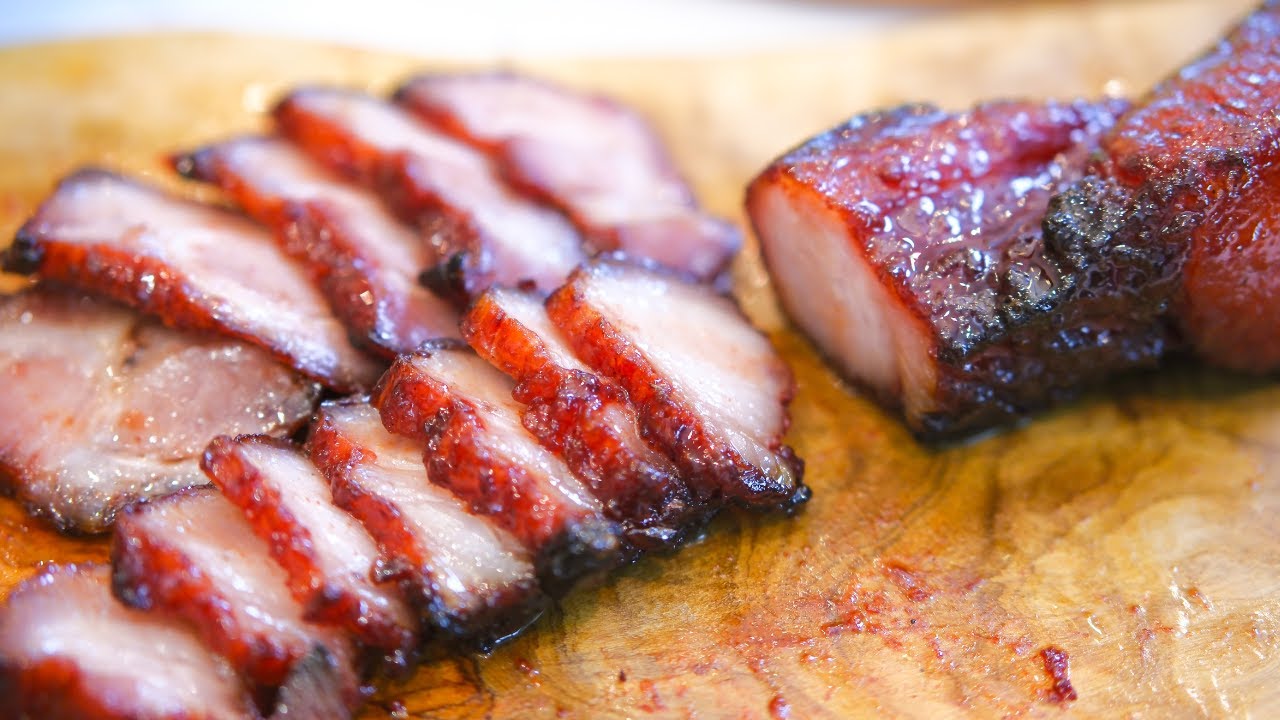
Char Siu Recipe: If you’ve ever walked past a Chinese barbecue shop and noticed glossy strips of deep red pork hanging in the window, you’ve already met Char Siu. This iconic Cantonese dish, often referred to as Chinese BBQ pork, is a masterpiece of balance—sweet, savory, smoky, and just slightly sticky. The name “Char Siu” literally means “fork roasted,” which reflects its traditional preparation method where seasoned pork strips were skewered with long forks and cooked over an open flame.
But Char Siu is more than just roasted pork. It’s a culinary experience layered with bold flavors from soy sauce, hoisin sauce, honey, Chinese five-spice, and Shaoxing wine. Each ingredient plays a specific role, creating a marinade that deeply penetrates the meat. The result? Tender pork with caramelized edges and a glossy glaze that feels almost lacquered.
What makes Char Siu stand out is its versatility. It can be enjoyed sliced over rice, stuffed into bao buns, tossed into fried rice, or layered inside noodle soups. In fact, in many Cantonese households, Char Siu isn’t just dinner—it’s a staple comfort food that brings people together around the table.
You might think achieving that authentic flavor requires a professional kitchen or special barbecue equipment. Not at all. With the right ingredients and a step-by-step approach, you can recreate restaurant-quality Char Siu right in your own oven. Think of it as turning your kitchen into a mini Cantonese BBQ shop—without the hanging display window.
Ready to unlock the secrets behind this beloved dish? Let’s dive deeper into its rich background before we get cooking.
The Origins and Cultural Significance of Char Siu
To truly appreciate Char Siu, you have to understand where it comes from. This dish originates from Guangdong Province in Southern China, a region famous for its refined and balanced cuisine. Cantonese cooking is all about enhancing natural flavors rather than overpowering them, and Char Siu embodies that philosophy perfectly.
Historically, Char Siu was cooked over open fires using long forks to hold strips of marinated pork. Street vendors and barbecue masters would roast the meat in large brick ovens, allowing smoke and heat to slowly caramelize the sugary marinade. That signature slightly charred exterior? It wasn’t accidental—it was the result of controlled flames licking the surface of the pork.
In Hong Kong and other parts of Asia, Char Siu remains a centerpiece in siu mei shops, where roasted meats like duck and pork belly are displayed proudly. According to culinary historians, the dish became widely popular during the Song Dynasty and evolved as sugar and soy-based sauces became more accessible. Over time, it spread globally through Chinese diaspora communities, becoming a staple in Chinatowns from San Francisco to London.
Char Siu is also deeply woven into family traditions. It’s commonly served during festivals, family gatherings, and celebratory meals. In dim sum restaurants, you’ll find it tucked inside fluffy steamed buns called Char Siu Bao, a favorite among diners of all ages.
What makes this dish culturally special isn’t just its flavor—it’s the craftsmanship behind it. Preparing Char Siu is almost ritualistic: marinating, roasting, glazing, and carefully slicing. Each step reflects patience and attention to detail.
By making Char Siu at home, you’re not just cooking pork. You’re participating in a centuries-old tradition that celebrates balance, flavor, and shared meals.
Why You’ll Love Making Char Siu at Home
Let’s be honest—ordering Char Siu from your favorite Chinese restaurant is convenient. But making it at home? That’s a completely different level of satisfaction. Imagine pulling a tray of beautifully caramelized pork from your oven, the aroma filling your kitchen like a professional BBQ shop. It’s incredibly rewarding.
One major advantage of homemade Char Siu is control over ingredients. Many store-bought versions contain artificial red coloring and high levels of sodium. When you prepare it yourself, you can opt for natural coloring alternatives, adjust sweetness, and even choose organic pork. That means better flavor and better quality.
There’s also the cost factor. Restaurant Char Siu can be pricey, especially when served as part of specialty dishes. Preparing it at home allows you to create generous portions at a fraction of the cost. A single pork shoulder can feed an entire family, with leftovers perfect for fried rice or noodle bowls the next day.
Then there’s customization. Prefer it sweeter? Add more honey. Want a deeper umami kick? Increase the soy sauce or hoisin. Like a smoky edge? Broil it for a few extra minutes. Cooking at home gives you creative freedom.
And here’s something many people don’t realize: Char Siu is surprisingly simple to make. While it tastes complex, the preparation involves straightforward steps—marinate, roast, glaze, and rest. The key is patience, especially during marination.
Making Char Siu at home turns an everyday meal into something special. It’s not just about feeding your family—it’s about crafting a dish that feels celebratory, comforting, and undeniably delicious.
List of Ingredients You’ll Need
Before diving into the step-by-step guide, let’s gather everything required to make authentic Char Siu Chinese BBQ pork. The beauty of this recipe lies in its balanced marinade, which transforms simple pork into something extraordinary.
Essential Ingredients for Authentic Flavor
Here’s what you absolutely need:
- 2 pounds pork shoulder or pork butt (well-marbled for tenderness)
- 3 tablespoons soy sauce (preferably light soy sauce)
- 2 tablespoons hoisin sauce
- 2 tablespoons honey
- 2 tablespoons brown sugar
- 1 tablespoon oyster sauce
- 1 tablespoon Shaoxing wine (or dry sherry as substitute)
- 1 teaspoon Chinese five-spice powder
- 3 cloves garlic, minced
- 1 teaspoon grated fresh ginger
- 1 tablespoon vegetable oil
Each of these ingredients serves a purpose. Soy sauce and oyster sauce provide umami depth. Hoisin and honey add sweetness and that sticky glaze. Five-spice powder introduces warmth and complexity, while garlic and ginger bring aromatic intensity.
Optional Add-Ons for Enhanced Taste
For those who want to elevate their Char Siu even further, consider:
- ½ teaspoon red food coloring (traditional but optional)
- 1 tablespoon maltose (for a thicker glaze)
- A dash of white pepper
- A teaspoon of sesame oil
Optional ingredients allow you to tailor the dish to your preference. Maltose, for example, creates that ultra-glossy finish often seen in professional BBQ shops. However, honey works perfectly fine if maltose isn’t available.
Having everything measured and ready before starting makes the cooking process smooth and enjoyable. Think of this stage as assembling your flavor toolkit—once you mix these components, magic happens.
Now that your ingredients are lined up and ready, it’s time to choose the perfect cut of pork for the most tender, juicy result.
Choosing the Right Cut of Pork
Selecting the right cut of pork is one of the most important steps in making perfect Char Siu. You might be tempted to grab lean pork loin because it looks neat and uniform, but here’s the truth: lean cuts don’t deliver the same juicy, tender results. For authentic, melt-in-your-mouth Char Siu, pork shoulder (also known as pork butt) is your best friend.
Why pork shoulder? It has the ideal balance of meat and fat. That marbling isn’t something to avoid—it’s actually the secret weapon. As the pork roasts, the fat slowly renders, keeping the meat moist while blending beautifully with the sweet and savory marinade. The result is pork that’s tender inside with slightly caramelized, flavorful edges.
Another great option is pork collar, which is commonly used in traditional Cantonese BBQ shops. It’s slightly more tender and evenly marbled, though sometimes harder to find in regular supermarkets. If you do spot it at an Asian grocery store or butcher, grab it—you won’t regret it.
When selecting your pork, look for a piece with visible fat streaks but not excessive thick layers of fat. A balanced cut ensures the meat absorbs the marinade evenly. Also, aim for uniform thickness so the pork cooks consistently.
Cut the pork into long strips about 1.5 to 2 inches thick. This shape mimics traditional Char Siu preparation and allows more surface area for caramelization. Think of each strip as a canvas where the glaze will work its magic.
Choosing the right pork cut isn’t just a minor detail—it sets the foundation for everything that follows. Get this step right, and you’re already halfway to restaurant-quality Char Siu.
Preparing the Marinade – The Heart of Char Siu
If pork shoulder is the body of Char Siu, then the marinade is its soul. This is where the magic truly happens. The deep red color, the sticky glaze, the balance between sweet and savory—all of it begins in a mixing bowl filled with bold, aromatic ingredients. A great marinade doesn’t just coat the pork; it transforms it from the inside out.
Start by combining soy sauce, hoisin sauce, oyster sauce, Shaoxing wine, honey, and brown sugar in a medium bowl. Stir until the sugar dissolves completely. This mixture forms the base—salty, sweet, and packed with umami. Then add minced garlic, freshly grated ginger, and Chinese five-spice powder. Once these aromatics hit the liquid, the fragrance becomes unmistakable. It’s warm, slightly smoky, and almost intoxicating.
Chinese five-spice powder deserves special attention. It typically contains star anise, cloves, Chinese cinnamon, Sichuan peppercorns, and fennel seeds. Together, these spices create complexity that’s hard to describe but impossible to ignore. As Chef Martin Yan once said, “Balance is the essence of Chinese cuisine,” and this marinade captures that philosophy perfectly.
Whisk everything thoroughly until smooth. If you’re using maltose instead of honey, warm it slightly so it blends easily. If you want that traditional reddish hue, you may add a small amount of red food coloring—but it’s entirely optional. The caramelization during roasting naturally creates a beautiful mahogany tone.
When the marinade is ready, taste it. Yes, taste it. It should be slightly sweeter than you think it needs to be because some sweetness will mellow during cooking. Think of it like seasoning pasta water—it should taste bold before it meets the meat.
Once your marinade is complete, you’re ready to coat the pork and let time do its work.
Step-by-Step Guide to Making Char Siu
Now comes the part you’ve been waiting for—the full step-by-step process. Each stage plays a critical role in developing the texture and flavor that makes Char Siu unforgettable. Don’t rush. Good BBQ, even oven-roasted BBQ, rewards patience.
Step 1 – Preparing the Pork
Start by choosing a cut of pork with a good balance of meat and fat, such as pork shoulder, pork neck, or pork belly. Cut it into long strips so it cooks evenly and gives you that classic char siu look. Pat the meat dry so the marinade can stick better.
Step 2 – Marinating the Meat
In a bowl, mix ingredients like soy sauce, hoisin sauce, honey, five-spice powder, garlic, sugar, oyster sauce, and a little red coloring if desired. Coat the pork well in the marinade and let it sit in the refrigerator for several hours or overnight. This step builds the sweet, savory, and slightly smoky flavor char siu is known for.
Step 3 – Preheating and Preparing the Oven
Preheat your oven and line a tray with foil for easier cleanup. Place a wire rack over the tray so the heat can circulate around the pork and the drippings can fall below. This setup helps the meat roast evenly and prevents it from sitting in juices.
Step 4 – Roasting the Pork
Arrange the marinated pork on the rack and roast until it starts to cook through and brown around the edges. Turn the pieces during cooking so they roast evenly on all sides. The goal is tender meat with slightly caramelized edges.
Step 5 – Glazing for That Signature Shine
Brush the pork with extra marinade or a mixture of honey and sauce during the final stage of roasting. This creates the glossy, sticky coating that makes char siu look and taste so appealing.
Step 6 – Resting and Slicing
Remove the pork from the oven and let it rest for a few minutes. Slice it thinly and serve it warm with rice, noodles, or vegetables.
How to Achieve the Classic Red Color Naturally
Many people associate Char Siu with its bright red hue. Traditionally, red fermented bean curd or food coloring was used. Today, you can achieve a beautiful natural color without artificial dyes.
The combination of hoisin sauce, soy sauce, honey, and caramelization naturally creates a rich mahogany tone. Adding a small amount of paprika can enhance redness subtly without altering flavor significantly.
Slow roasting and proper glazing also deepen color. The Maillard reaction—the chemical process between amino acids and sugars—produces that attractive finish.
If authenticity matters to you but artificial additives don’t, trust the natural ingredients and roasting technique. The result may be darker red than neon crimson, but it will taste far better.
Cooking Char Siu Without an Oven (Alternative Methods)
No oven? No problem. Char Siu adapts beautifully to other cooking methods.
Air Fryer: Cook at 360°F for about 18–20 minutes, flipping halfway. Finish with a glaze and a quick high-heat blast for caramelization.
Grill: This method adds smoky authenticity. Cook over medium heat, turning frequently to prevent burning. Baste often.
Stovetop + Lid: Sear first, then cover and cook on low heat, finishing uncovered to reduce and caramelize sauce.
Each method brings a slightly different character. The grill adds smokiness, the air fryer creates crisp edges quickly, and the oven provides controlled consistency.
Choose what fits your kitchen best—the flavor remains incredible.
Common Mistakes to Avoid
Even though Char Siu is straightforward, a few missteps can affect the outcome.
Overcrowding the pan reduces caramelization. Skipping marination leads to shallow flavor. Cooking at too high a temperature too early can burn the sugars before the meat cooks through.
Another common mistake? Not reserving marinade separately for basting. Always keep unused marinade separate from raw meat for safe glazing.
Pay attention to these details, and your Char Siu will consistently impress.
How to Serve Char Siu – Delicious Pairings
Char Siu is wonderfully versatile. Serve it over steamed jasmine rice with sautéed bok choy for a classic meal. Dice leftovers into fried rice or toss into lo mein noodles.
It also shines inside bao buns, paired with pickled cucumbers and fresh cilantro. For a lighter option, slice thinly over a salad with sesame dressing.
The beauty of Char Siu is its adaptability—it’s the star, but it plays well with others.
Storing and Reheating Tips
Store leftover Char Siu in an airtight container in the refrigerator for up to 4 days. For longer storage, freeze slices individually wrapped for up to 2 months.
Reheat gently in the oven at 300°F or in a covered skillet with a splash of water to maintain moisture. Avoid microwaving uncovered, as it can dry the meat.
Proper storage ensures your hard work doesn’t go to waste.
Nutritional Information and Health Considerations
Char Siu is rich in protein, providing approximately 22 grams per 3-ounce serving. However, due to sauces, sodium content can range from 500–700 mg per serving depending on preparation.
Using low-sodium soy sauce and moderating added sugar can make it healthier without sacrificing flavor.
Balance is key—enjoy Char Siu as part of a varied diet with vegetables and whole grains.
FAQs about Char Siu Recipe
1. What cut of pork is best for char siu?
The best cuts are usually pork shoulder, pork neck, or pork belly because they have a good balance of meat and fat. This helps the char siu stay juicy, tender, and flavorful during roasting.
2. What gives char siu its red color?
The red color often comes from red food coloring, red fermented bean curd, or a char siu sauce that includes coloring. Some homemade versions skip it completely, so the flavor matters more than the color.
3. How long should I marinate char siu?
For the best flavor, marinate the pork for at least 4 hours or overnight. A longer marinating time helps the sweet and savory flavors soak deeper into the meat.
4. Can I make char siu without a grill?
Yes, char siu is commonly made in the oven. You can also use an air fryer or roast it under high heat, then glaze it near the end to get that sticky, caramelized finish.
5. How do I keep char siu moist?
Use a cut with some fat, avoid overcooking, and brush the meat with glaze or marinade while roasting. Letting it rest before slicing also helps keep the juices inside.
Conclusion
Making Char Siu at home isn’t just about cooking—it’s about mastering balance. Sweet meets savory. Tender meets caramelized. Tradition meets your personal touch. With the right cut of pork, a carefully crafted marinade, and a patient roasting process, you can recreate authentic Chinese BBQ pork in your own kitchen.
From family dinners to meal prep ideas, Char Siu delivers bold flavor in every bite. Once you try it homemade, takeout may never taste the same again.