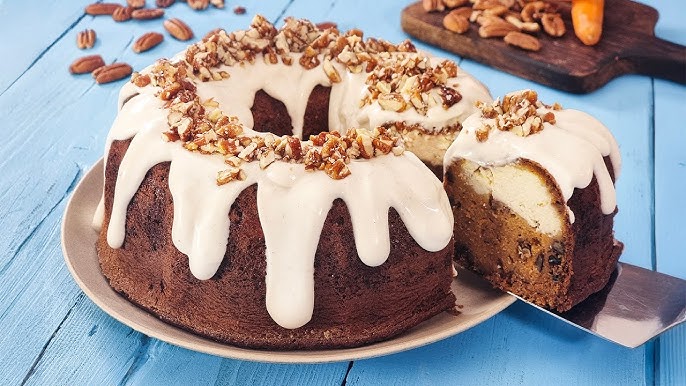
Carrot Bundt Cake Recipe: There’s something undeniably comforting about a Carrot Bundt Cake. Maybe it’s the warm spices that wrap around your senses like a cozy blanket, or the subtle sweetness of freshly grated carrots that gives every bite a soft, moist texture. Whatever the reason, this cake has stood the test of time—and for good reason. Unlike overly sugary desserts that overwhelm your taste buds, carrot cake strikes a beautiful balance between sweetness, spice, and richness.
The Bundt version elevates the traditional carrot cake into something visually stunning. That signature ring shape with delicate ridges makes it look bakery-worthy without requiring advanced decorating skills. You don’t need to be a pastry chef to make something impressive. The pan does half the work for you. And when topped with a silky cream cheese glaze that cascades down the sides? It becomes the kind of dessert people photograph before they even take a bite.
Historically, carrot cake gained popularity during times when sugar was scarce, and carrots were used as a natural sweetener. Today, it’s loved not just for its history but for its irresistible texture. The moisture from the carrots keeps the cake soft for days, making it ideal for gatherings, holidays, birthdays, or even casual weekend baking.
If you’ve ever wondered why carrot cake fans are so loyal, you’re about to find out. This isn’t just a cake—it’s an experience. And by the end of this step-by-step guide, you’ll be able to create a professional-quality Carrot Bundt Cake right in your own kitchen.
Essential Ingredients for the Perfect Carrot Bundt Cake
Before we dive into mixing bowls and oven temperatures, let’s talk about the backbone of any great recipe—the ingredients. When it comes to a moist carrot Bundt cake, quality matters. Every ingredient plays a role, and skipping or substituting carelessly can completely change the texture and flavor. Think of it like building a house; each material has a purpose.
Dry Ingredients
The dry ingredients form the structure of your cake. You’ll need:
- 2 ½ cups all-purpose flour
- 2 teaspoons baking powder
- 1 teaspoon baking soda
- 1 ½ teaspoons ground cinnamon
- ½ teaspoon ground nutmeg
- ½ teaspoon salt
The flour provides the base structure. Baking powder and baking soda work together to create lift and softness. Cinnamon and nutmeg give carrot cake its signature warmth. These spices are what transform a simple batter into something aromatic and comforting. Don’t underestimate them—they’re the soul of this dessert.
Wet Ingredients
Next comes the moisture and richness:
- 1 cup granulated sugar
- 1 cup brown sugar
- 1 cup vegetable oil
- 4 large eggs (room temperature)
- 2 teaspoons pure vanilla extract
- 3 cups freshly grated carrots
The combination of white and brown sugar creates depth of flavor. Brown sugar adds moisture and a slight caramel undertone. Oil, instead of butter, ensures the cake stays soft for days. Eggs bind everything together, while vanilla enhances every other flavor in the bowl.
And then there are the carrots—the star of the show. Always use freshly grated carrots. Pre-shredded ones are too dry and thick. Fresh carrots melt into the batter as they bake, creating that iconic tender crumb.
Optional Add-Ins for Extra Flavor
Want to elevate your cake even further? Consider adding:
- ½ cup chopped walnuts or pecans
- ½ cup crushed pineapple (well drained)
- ½ cup raisins
These additions add texture and complexity. Nuts provide crunch, pineapple boosts moisture, and raisins add natural sweetness. They’re optional, but they can take your cake from great to unforgettable.
Kitchen Tools You’ll Need
Let’s keep this simple—you don’t need fancy equipment. But having the right tools makes everything smoother. A well-prepared kitchen saves time and prevents frustration halfway through the recipe.
First, you’ll need a 10- to 12-cup Bundt pan. This size is ideal for holding the full batter without overflow. A non-stick, heavy-duty pan works best because it ensures even baking and easy release. If you’ve ever had a cake stick stubbornly to the pan, you know how heartbreaking that can be. Proper equipment helps avoid that disaster.
You’ll also need:
- Large mixing bowls
- A whisk
- An electric hand mixer or stand mixer
- A rubber spatula
- A box grater or food processor
- Measuring cups and spoons
- Cooling rack
A cooling rack is especially important. Allowing air to circulate around the cake prevents sogginess. Think of it like letting your cake breathe after its time in the oven.
Preparation is everything in baking. Once your ingredients are measured and tools are ready, the process becomes smooth and enjoyable. No scrambling. No forgotten steps. Just confident, professional-level baking.
Step-by-Step Guide to Making Carrot Bundt Cake
Now comes the exciting part—bringing everything together. Follow these steps carefully, and you’ll achieve a bakery-style result that looks as good as it tastes.
Step 1 – Preparing Your Bundt Pan Properly
Start by greasing your Bundt pan very well with butter or baking spray, making sure you reach every curve and corner. Then dust it lightly with flour if needed. This step is important because Bundt cakes can easily stick if the pan is not prepared properly. A well-greased pan helps the cake release cleanly after baking.
Step 2 – Mixing the Dry Ingredients
In a large bowl, whisk together the flour, baking powder, baking soda, cinnamon, nutmeg, and salt. Mixing the dry ingredients first helps distribute the spices and leavening agents evenly throughout the batter. This gives the cake a balanced flavor and an even rise.
Step 3 – Combining the Wet Ingredients
In another bowl, mix the eggs, sugar, oil, and vanilla extract until smooth and well combined. The oil keeps the cake moist, while the eggs help hold everything together. Stir until the mixture looks rich and glossy.
Step 4 – Folding in Carrots and Add-Ins
Gradually add the dry ingredients to the wet ingredients and mix until just combined. Then fold in the grated carrots gently. If you like, you can also add chopped walnuts, pecans, raisins, or crushed pineapple for extra flavor and texture. Do not overmix, or the cake may become heavy.
Step 5 – Pouring and Leveling the Batter
Pour the batter evenly into the prepared Bundt pan. Use a spatula to spread it into all parts of the pan and smooth the top. This helps the cake bake evenly and keeps the final shape neat.
Step 6 – Baking to Perfection
Bake the cake in a preheated oven until it turns golden brown and a toothpick inserted into the center comes out clean or with a few moist crumbs. Try not to open the oven too early, or the cake may sink.
Step 7 – Cooling and Releasing the Cake
Let the cake cool in the pan for about 10 to 15 minutes. Then carefully turn it out onto a wire rack and let it cool completely. Once cooled, you can leave it plain or finish it with a glaze or cream cheese topping.
Cream Cheese Glaze – The Perfect Topping
A carrot cake without cream cheese frosting feels incomplete. The tangy richness balances the sweetness and spices perfectly. For a glaze version that drips elegantly over your Bundt cake, you’ll need:
- 8 oz cream cheese (softened)
- 1 cup powdered sugar
- 1 teaspoon vanilla extract
- 2–3 tablespoons milk
Beat the softened cream cheese until smooth and lump-free. Gradually add powdered sugar and vanilla. Then add milk one tablespoon at a time until you reach a pourable consistency. It should flow slowly off a spoon—not too thick, not too runny.
Drizzle it generously over the cooled cake, letting it cascade naturally down the sides. The white glaze against the golden cake creates stunning contrast. It’s simple yet elegant.
This finishing touch transforms your cake from homemade to bakery-style masterpiece. And the flavor? Creamy, tangy, and slightly sweet—exactly what a spiced carrot cake needs.
Decorating and Presentation Tips
A Carrot Bundt Cake already carries a natural elegance thanks to its sculpted shape, but thoughtful presentation can elevate it from simple homemade dessert to centerpiece-worthy masterpiece. Think about it—people eat with their eyes first. The way your cake looks sets expectations before the first forkful even touches the plate.
Once your cream cheese glaze has set slightly, consider adding subtle decorative touches. A light sprinkle of finely chopped walnuts or pecans around the top adds texture and visual contrast. If you want something more refined, try a dusting of powdered sugar over the ridges for a snow-kissed effect. It catches in the creases beautifully and gives a professional bakery finish without much effort.
For special occasions, garnish with delicate candied carrot curls. Thinly slice carrots lengthwise, simmer them briefly in simple syrup, then shape into curls and let them dry. They add color and sophistication. Fresh edible flowers or a few sprigs of mint can also brighten the presentation if you’re serving this at spring gatherings or Easter brunch.
Serving style matters too. Slice the cake using a sharp serrated knife, wiping the blade clean between cuts for neat slices. Present each slice on a neutral-colored plate so the warm orange crumb and creamy glaze stand out.
Want to take it even further? Pair slices with a dollop of whipped cream or a scoop of vanilla bean ice cream. The cold creaminess contrasts beautifully with the spiced cake. You could even drizzle a bit of caramel sauce for extra indulgence.
At the end of the day, decorating isn’t about overcomplicating—it’s about enhancing what’s already beautiful. Your Bundt cake doesn’t need excessive frosting flowers or elaborate piping. Its charm lies in its simplicity. Highlight that, and you’ll have a dessert that looks as unforgettable as it tastes.
Common Mistakes to Avoid
Even experienced bakers can stumble when making a moist carrot Bundt cake. The good news? Most mistakes are completely avoidable once you know what to watch for. Let’s break down the common pitfalls so your cake turns out perfect the first time.
One major mistake is using pre-shredded carrots. They’re dry, thick, and lack the natural moisture freshly grated carrots provide. Always grate carrots yourself. It takes only a few extra minutes but dramatically improves texture. Fresh carrots blend seamlessly into the batter and create that tender crumb carrot cake is famous for.
Another frequent issue is overmixing the batter. Once you add the flour mixture, mix only until combined. Overworking the batter develops gluten, leading to a dense, rubbery cake. Carrot cake should feel soft and delicate—not chewy like bread.
Improper pan preparation is another common culprit. Bundt pans have intricate grooves, and skipping thorough greasing and flouring can result in a cake that sticks. Take your time with this step. It’s insurance for a flawless release.
Baking temperature mistakes also matter. An oven that’s too hot can cause the outside to cook faster than the inside, leaving a raw center. If possible, use an oven thermometer to ensure accuracy. Baking at 350°F (175°C) provides consistent results.
Lastly, don’t rush the cooling process. Flipping the cake too soon can cause breakage. Waiting too long may cause sticking. Aim for that 10–15 minute window before turning it out.
Avoiding these simple errors transforms your baking experience from frustrating to flawless. Attention to detail may seem small, but in baking, small details create big differences.
Storage and Shelf Life
One of the best things about a Carrot Bundt Cake recipe is how well it stores. Thanks to the oil and natural moisture from carrots, this cake stays soft longer than many butter-based cakes. In fact, some people swear it tastes even better the next day because the flavors have more time to meld.
If unfrosted, the cake can be stored at room temperature in an airtight container for up to two days. Keep it in a cool, dry place away from direct sunlight. Once you add the cream cheese glaze, refrigeration becomes necessary. Because cream cheese is perishable, store the glazed cake in the refrigerator for up to five days.
Before serving refrigerated cake, allow slices to sit at room temperature for about 20–30 minutes. This softens the crumb and enhances flavor. Cold cake can feel slightly firm, but bringing it back to room temperature restores its tender texture.
If you’re storing individual slices, wrap them tightly in plastic wrap and place them in an airtight container. This prevents the cake from drying out or absorbing fridge odors.
Proper storage keeps your effort from going to waste. After all, you didn’t bake this beautiful cake just to see it dry out overnight. Treat it well, and it will reward you with moist, flavorful slices for days.
Make-Ahead and Freezing Tips
Planning ahead? You’ll be glad to know that this homemade carrot Bundt cake freezes beautifully. That makes it ideal for holidays, birthdays, or busy schedules where baking the day of an event isn’t realistic.
To freeze, allow the cake to cool completely. Wrap it tightly in plastic wrap, then add a layer of aluminum foil for extra protection. Proper wrapping prevents freezer burn and maintains moisture. You can freeze the cake (without glaze) for up to three months.
When ready to serve, thaw the cake overnight in the refrigerator or for several hours at room temperature. Once fully thawed, prepare and drizzle the cream cheese glaze fresh. This keeps the topping looking and tasting its best.
If you prefer freezing individual slices, wrap each slice separately. This way, you can thaw single portions whenever a craving strikes. Imagine having bakery-quality carrot cake ready anytime—no extra baking required.
Make-ahead baking reduces stress and gives you flexibility. Whether you’re hosting guests or simply planning ahead, knowing your cake can be prepared in advance provides peace of mind.
Nutritional Information
While carrot cake is undeniably a dessert, it does offer some redeeming nutritional qualities compared to heavily frosted cakes. Carrots contain beta-carotene, fiber, and antioxidants. According to nutritional data, one medium carrot provides over 200% of the daily recommended intake of vitamin A. While baking reduces some nutrient potency, benefits still remain.
A typical slice of carrot Bundt cake (without heavy frosting) averages around 350–450 calories, depending on portion size and added ingredients like nuts or pineapple. The oil content contributes to its richness, while sugars provide sweetness and structure.
Here’s an approximate nutritional breakdown per slice:
| Nutrient | Approximate Amount |
|---|---|
| Calories | 400 |
| Carbohydrates | 50g |
| Fat | 22g |
| Protein | 5g |
| Sugar | 32g |
Keep in mind, this is dessert—not a health food. But compared to ultra-processed sweets, homemade carrot cake allows you to control ingredients and avoid preservatives.
Balance is key. Enjoy a slice mindfully, savor the spices, and appreciate the homemade quality. Food isn’t just about numbers—it’s about experience and enjoyment too.
Variations of Carrot Bundt Cake
One of the reasons carrot cake recipes remain so popular is their adaptability. Once you master the base, you can customize it in countless ways.
For a healthier twist, substitute half the oil with unsweetened applesauce. This reduces fat while maintaining moisture. You can also replace part of the all-purpose flour with whole wheat flour for added fiber.
Love bold spices? Add ground ginger or cloves for deeper warmth. Want something indulgent? Stir in white chocolate chips for pockets of sweetness throughout the cake.
For a tropical version, increase crushed pineapple and add shredded coconut. The flavor becomes bright and slightly exotic. If you’re catering to dietary preferences, gluten-free flour blends work well in this recipe when substituted 1:1.
Some bakers even create a layered Bundt effect by adding a cheesecake filling swirl in the center. It adds richness and surprise to each slice.
The base recipe remains reliable and sturdy, making experimentation fun rather than risky. Once you understand the structure, you can adjust flavors confidently without compromising texture.
FAQs about Carrot Bundt Cake Recipe
1. What makes carrot Bundt cake so moist?
Carrot Bundt cake stays moist because it usually contains oil, grated carrots, and sometimes extras like pineapple or yogurt. These ingredients add moisture and help keep the cake soft for longer.
2. Do I need to peel the carrots first?
Yes, peeling the carrots is usually best. It gives the cake a smoother texture and removes any rough outer skin that might affect the final result.
3. Can I add nuts or raisins to carrot Bundt cake?
Yes, you can add walnuts, pecans, or raisins if you like extra texture and flavor. These mix-ins work very well with the warm spices and sweet carrots.
4. Why did my Bundt cake stick to the pan?
This often happens when the pan was not greased thoroughly. Bundt pans have many curves, so it is important to coat every part well before adding the batter.
5. How should I store carrot Bundt cake?
Store it in an airtight container at room temperature for a couple of days, or refrigerate it if it has a cream cheese glaze. It also freezes well when wrapped properly.
Conclusion
A perfectly baked Carrot Bundt Cake is more than just dessert—it’s comfort, tradition, and craftsmanship combined into one beautiful ring-shaped creation. From carefully selecting fresh ingredients to patiently cooling and glazing, every step contributes to the final result.
The warm spices, tender crumb, and tangy cream cheese glaze create a balance that’s hard to beat. Whether you’re baking for a holiday, a family gathering, or simply because you’re craving something homemade, this recipe delivers consistent, professional-quality results.
With proper preparation, attention to detail, and a little patience, you can confidently bake a cake that looks stunning and tastes even better. Once you master it, this recipe will likely become a staple in your kitchen.