Carne Con Papas Recipe: If you’ve never had Carne Con Papas, you’re in for something special. Imagine tender chunks of slow-simmered beef bathing in a rich, savory tomato-based sauce, mingling with soft, flavor-soaked potatoes that practically melt in your mouth. It’s the kind of meal that feels like a warm hug after a long day. Simple ingredients, deep flavors, and a comforting aroma that fills your entire kitchen—this dish checks every box.
At its core, Carne Con Papas literally translates to “meat with potatoes.” But that simple name doesn’t do justice to the layers of flavor hidden in every bite. This dish is popular throughout Latin America and the Caribbean, with each region adding its own twist. Some versions lean heavily on cumin and oregano, while others incorporate olives, bell peppers, or even a splash of wine for extra depth. No matter the variation, the heart of the dish remains the same: slow-cooked beef and tender potatoes in a seasoned sauce.
What makes it truly special is its balance. The beef provides richness, the potatoes soak up and mellow the spices, and the sauce ties everything together in a savory harmony. It’s not overly complicated or fancy, but that’s exactly why it’s so beloved. Sometimes the best meals are the ones that feel familiar and comforting, even if you’re tasting them for the first time.
Ready to learn how to make it like a pro? Let’s dig deeper.
The Cultural Roots of Carne Con Papas
Every traditional dish tells a story, and Carne Con Papas is no exception. This hearty stew has roots in Spanish cuisine, which heavily influenced Latin American cooking during the colonial era. The combination of beef, potatoes, and slow-cooking techniques reflects Spanish culinary traditions blended with local ingredients and flavors found in Cuba, Puerto Rico, the Dominican Republic, Mexico, and beyond.
In Cuban households, for example, Carne Con Papas is often cooked as a Sunday family meal. Large pots simmer gently on the stove while relatives gather, talk, and wait for the flavors to develop. In Mexican kitchens, it may be spiced slightly differently, sometimes incorporating jalapeños for a gentle kick. Each region adapts the dish to its available ingredients and taste preferences, which makes it incredibly versatile.
Food historians often highlight how dishes like this represent resourcefulness. Potatoes were affordable and filling, making them the perfect companion to smaller amounts of meat. By simmering everything together, families could stretch ingredients without sacrificing flavor. Over time, what began as practical cooking became a cherished comfort food.
When you cook Carne Con Papas today, you’re not just following a recipe—you’re participating in a tradition passed down through generations. There’s something powerful about that, isn’t there? A simple stew becomes a bridge between cultures, histories, and family tables across the world.
Why This Dish Is a Staple in Latin Kitchens
Why does Carne Con Papas show up again and again in Latin kitchens? The answer is surprisingly simple: it works. It’s affordable, filling, adaptable, and incredibly satisfying. When a recipe checks all those boxes, it naturally earns a permanent place in home cooking traditions.
First, let’s talk about accessibility. The ingredients—beef, potatoes, onions, garlic, tomatoes—are widely available and budget-friendly. You don’t need exotic spices or hard-to-find produce. That makes it perfect for weeknight dinners when you want something hearty without making an extra trip to a specialty store.
Second, it feeds a crowd. A single pot can easily serve an entire family, and leftovers taste even better the next day as the flavors continue to deepen. In fact, many home cooks swear that Carne Con Papas is superior on day two. The sauce thickens, the beef becomes even more tender, and everything blends beautifully.
There’s also the emotional factor. This is the kind of meal many people grew up eating. It’s tied to childhood memories, family gatherings, and home-cooked comfort. When something tastes like home, it becomes more than just food—it becomes tradition.
And let’s be honest: who doesn’t love a one-pot meal that delivers bold flavor with minimal fuss? That’s the magic of Carne Con Papas. It’s humble, but it never disappoints.
Ingredients You’ll Need
Before we dive into cooking, let’s talk about what makes this dish truly shine: the ingredients. The beauty of Carne Con Papas lies in its simplicity, but choosing the right components can elevate it from good to unforgettable.
Main Ingredients
- 2 pounds beef chuck, cut into 1½-inch cubes
- 4 medium Yukon Gold or Russet potatoes, peeled and cubed
- 1 medium onion, finely chopped
- 1 green bell pepper, diced
- 4 cloves garlic, minced
- 1 cup tomato sauce
- 1 tablespoon tomato paste
- 2 cups beef broth
- 2 tablespoons olive oil
Seasonings
- 1 teaspoon ground cumin
- 1 teaspoon dried oregano
- 1 teaspoon paprika
- 1 bay leaf
- Salt and black pepper to taste
Optional Add-Ins
- ½ cup green olives
- ¼ cup chopped fresh cilantro
- ½ teaspoon red pepper flakes
Each ingredient plays a role. The beef chuck becomes tender and flavorful when slow-cooked. The potatoes absorb the sauce like little sponges. The combination of cumin, oregano, and paprika creates that signature Latin warmth. And if you add olives? You get tiny bursts of briny contrast that brighten the entire dish.
Fresh aromatics like onion, garlic, and bell pepper form the backbone of the flavor base. Without them, the stew would taste flat. With them, it sings.
Now that your ingredients are ready, it’s time to transform them into something incredible.
Choosing the Best Cut of Beef
When it comes to making truly unforgettable Carne Con Papas, the cut of beef you choose can make or break the dish. You might be tempted to grab whatever looks good at the meat counter, but here’s the thing—this stew relies on slow cooking, and not all cuts respond the same way to long simmering. The gold standard for this recipe is beef chuck. Why? Because chuck comes from the shoulder area, which means it has a beautiful balance of muscle and connective tissue. When simmered low and slow, that connective tissue breaks down into gelatin, creating melt-in-your-mouth tenderness and a rich, silky sauce.
Could you use leaner cuts like sirloin? Technically yes, but you’d sacrifice flavor and texture. Lean beef tends to dry out during extended cooking, leaving you with chewy bites instead of fork-tender goodness. If chuck isn’t available, look for beef shoulder, bottom round, or brisket as alternatives. The key is choosing a cut labeled “stew meat” or one known for braising.
Another important tip: cut your beef into evenly sized cubes, about 1½ inches thick. Uniformity ensures even cooking. If some pieces are too small, they’ll overcook and become tough while larger chunks remain underdone. Also, don’t trim away all the fat. A little fat equals flavor, and flavor is what transforms simple ingredients into something unforgettable.
Think of the beef as the foundation of your stew. If the foundation is strong, everything else builds beautifully on top of it. Get this part right, and you’re already halfway to a perfect pot of Carne Con Papas.
Essential Vegetables and Aromatics
The vegetables in Carne Con Papas are not just fillers—they’re flavor builders. This is where the dish starts to develop personality. The classic trio you’ll see in many Latin recipes is onion, garlic, and bell pepper. Together, they create a base that’s aromatic, savory, and slightly sweet. In many kitchens, this combination forms what’s known as a sofrito, the backbone of countless traditional dishes.
Onions provide natural sweetness once they soften and caramelize slightly in oil. Garlic adds depth and that unmistakable fragrance that makes people wander into the kitchen asking, “What smells so good?” Bell peppers contribute subtle sweetness and color, making the stew visually inviting as well as delicious.
Then we have tomatoes—either tomato sauce or crushed tomatoes—which bring acidity and richness. That slight tang balances the heaviness of the beef and potatoes. Without it, the stew might taste flat or overly rich. The tomato component ties everything together like the glue holding a masterpiece in place.
Potatoes, of course, are the star companion to the beef. Yukon Gold potatoes are ideal because they hold their shape while still becoming tender. Russets can work too, but they tend to break down more, which may thicken the sauce further. That’s not necessarily a bad thing—it just depends on your texture preference.
When chopped and layered correctly, these vegetables don’t overpower the dish. Instead, they quietly enhance the beef, allowing each bite to feel balanced. It’s like an orchestra—no single instrument dominates, but together, they create harmony.
Spices and Seasonings That Build Authentic Flavor
Here’s where the magic really happens. Spices turn basic beef and potatoes into authentic Carne Con Papas bursting with warmth and depth. The traditional spice blend is simple yet powerful: cumin, oregano, paprika, salt, and black pepper. Each one has a specific role to play.
Cumin is earthy and slightly smoky. It’s often considered the heart of Latin stews, giving them that unmistakable warm aroma. Even a single teaspoon can completely transform the dish. Oregano, particularly Mexican oregano if you can find it, adds a citrusy, herbaceous note that brightens the stew. Paprika contributes color and subtle sweetness, while salt and pepper bring everything into balance.
The bay leaf may seem minor, but don’t skip it. As the stew simmers, the bay leaf slowly releases a gentle, herbal depth that makes the sauce taste layered rather than one-dimensional. It’s one of those quiet ingredients that works behind the scenes.
Some cooks add a splash of red wine or a hint of vinegar for acidity. Others incorporate green olives for briny contrast. These additions aren’t mandatory, but they can elevate the stew from traditional to unforgettable.
Seasoning is about balance. Too much cumin, and it becomes overpowering. Too little salt, and the flavors fall flat. Taste as you go. Adjust gradually. Cooking isn’t about strict rules—it’s about understanding how flavors interact and learning to trust your palate.
Optional Add-Ins for Extra Depth
If you want to personalize your Carne Con Papas, this is your chance. While the classic version is comforting and satisfying on its own, a few thoughtful additions can take it to the next level.
Green olives are a popular addition in Cuban-style versions. Their salty, briny bite cuts through the richness of the beef and adds unexpected pops of flavor. It’s like little bursts of brightness in every spoonful. Fresh cilantro sprinkled on top at the end adds freshness and color, preventing the stew from feeling too heavy.
Some cooks like adding carrots for subtle sweetness or peas for a pop of green. A dash of red pepper flakes can introduce gentle heat without overpowering the dish. If you enjoy smoky flavors, a small amount of smoked paprika can deepen the profile beautifully.
There’s also room to experiment with texture. Want a thicker stew? Mash a few potato cubes directly into the sauce near the end of cooking. Prefer it more brothy? Add a bit more beef stock and simmer uncovered.
The beauty of this dish lies in its flexibility. It’s like a canvas—you can keep it traditional or paint it with your own culinary creativity. As long as you respect the core ingredients, the result will still feel authentic and comforting.
Kitchen Tools and Equipment
You don’t need fancy gadgets to make incredible Carne Con Papas, but having the right tools definitely helps. At the top of the list is a heavy-bottomed pot or Dutch oven. This type of cookware distributes heat evenly, preventing hot spots that could burn the sauce. Since this dish simmers for an extended period, consistent heat is crucial.
A sharp chef’s knife makes prep work easier and safer. Uniformly cut beef and potatoes ensure even cooking, so take your time here. A sturdy wooden spoon is perfect for stirring and scraping up those flavorful browned bits from the bottom of the pot after searing the meat.
If you’re short on time, a pressure cooker or Instant Pot can significantly reduce cooking time while still producing tender beef. However, traditional stovetop simmering allows flavors to develop more gradually, which many cooks prefer.
Measuring spoons help maintain seasoning balance, especially if you’re new to the recipe. That said, don’t be afraid to trust your instincts as you gain confidence.
Cooking isn’t about having a kitchen full of high-end tools. It’s about understanding your ingredients and giving them the attention they deserve. With a good pot, a sharp knife, and a little patience, you’re fully equipped to create a deeply satisfying meal.
Step-by-Step Guide to Making Carne Con Papas
Now it’s time to bring everything together. This is where raw ingredients transform into something aromatic, tender, and deeply comforting.
Step 1 – Preparing and Marinating the Beef
Start by cutting the beef into medium chunks and seasoning it with salt, pepper, garlic, cumin, and a little oregano. You can also add a splash of lime juice or vinegar for extra flavor. Let the meat sit for a while so it absorbs the seasoning well.
Step 2 – Searing the Meat for Maximum Flavor
Heat oil in a large pot over medium-high heat and sear the beef in batches. Brown the pieces on all sides without overcrowding the pot. This step adds rich flavor and helps build a deeper base for the stew.
Step 3 – Building the Flavor Base (Sofrito)
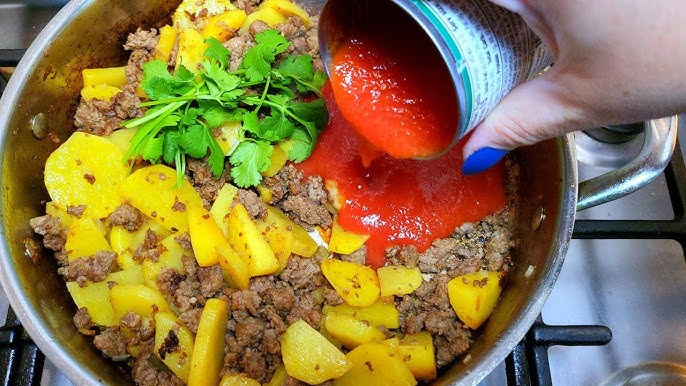
In the same pot, cook chopped onion, bell pepper, garlic, and tomato until softened and fragrant. This mixture creates the classic sofrito base that gives carne con papas its comforting taste. Stir in your spices so the flavors blend well.
Step 4 – Simmering to Tender Perfection
Return the beef to the pot and add enough broth or water to cover it partly. Let it simmer gently until the meat starts to become tender. Slow cooking is important because it helps the beef become soft and flavorful.
Step 5 – Adding the Potatoes at the Right Time
Peel and cut the potatoes into chunks, then add them once the beef is nearly tender. This keeps the potatoes from getting too soft too early. Let everything cook until the potatoes are tender and the sauce thickens slightly.
Step 6 – Final Seasoning and Texture Adjustments
Taste the stew and adjust the salt, pepper, or spices as needed. If the sauce is too thin, simmer uncovered for a few more minutes. Serve hot with rice, bread, or your favorite side.
Pro Tips for the Best Carne Con Papas
Even though this dish is straightforward, a few expert-level insights can elevate your results dramatically. First, always brown the beef properly. Skipping this step sacrifices complexity. Those caramelized edges create foundational flavor that simmering alone cannot replicate.
Second, control your heat. A gentle simmer is key. High heat can toughen the meat and reduce the sauce too quickly, leaving you with dry beef and undercooked potatoes. Low and slow is the philosophy here.
Another game-changing tip? Let the stew rest. If you can, turn off the heat and allow it to sit covered for 15–20 minutes before serving. This resting period allows flavors to settle and redistribute. In fact, many cooks swear that Carne Con Papas tastes even better the next day. Overnight refrigeration deepens the seasoning and thickens the sauce beautifully.
Use fresh spices whenever possible. Ground cumin and paprika lose potency over time. Fresh spices create a noticeable difference in aroma and taste.
Lastly, taste throughout the cooking process. Professional chefs constantly adjust seasoning as flavors evolve. Don’t wait until the end to correct balance. Cooking is interactive, and your palate is your best guide.
Common Mistakes to Avoid
Even experienced cooks can stumble if they’re not careful. One of the most common mistakes is overcrowding the pot during the searing process. When too much beef goes in at once, it releases moisture and steams instead of browns. The result? Less flavor.
Another frequent issue is adding potatoes too early. As mentioned earlier, this can lead to overly soft or broken-down potatoes that muddy the texture of the stew. Patience here makes a huge difference.
Under-seasoning is another trap. Because this dish relies on simple ingredients, proper seasoning is crucial. Taste as you cook and adjust gradually. A bland stew is hard to fix at the very end.
Some people rush the simmering stage, assuming the beef is tender enough after 30 minutes. Tough cuts need time to break down. If the beef feels chewy, it simply hasn’t cooked long enough.
Avoid these pitfalls, and your Carne Con Papas will consistently turn out rich, balanced, and satisfying.
Delicious Variations of Carne Con Papas
One of the reasons Carne Con Papas remains so popular is its adaptability. In Cuban-style versions, green olives and sometimes raisins are added for sweet-salty contrast. Mexican variations may include diced jalapeños or chipotle peppers for smoky heat. Puerto Rican versions often highlight a well-developed sofrito with cilantro and culantro.
You can even experiment with protein swaps. While traditional recipes use beef, some households prepare it with pork or chicken. The cooking time will vary, but the foundational flavors remain comforting and familiar.
For a healthier twist, you might reduce the amount of oil and use leaner beef, though you’ll sacrifice some richness. Alternatively, you can bulk up the vegetable content with carrots, peas, or even zucchini for added nutrition.
Each variation tells a slightly different story, shaped by geography and family tradition. The core idea remains the same: tender meat, hearty potatoes, and a deeply seasoned sauce that brings everything together.
What to Serve with Carne Con Papas
Carne Con Papas is satisfying on its own, but pairing it thoughtfully makes the meal even better. The most traditional accompaniment is white rice. The fluffy grains soak up the savory sauce, ensuring none of that rich flavor goes to waste.
Warm corn or flour tortillas also work beautifully, especially if you’re leaning toward a Mexican-style preparation. A simple side salad with lime vinaigrette adds freshness and balance to the hearty stew.
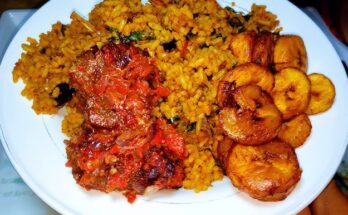
Some families serve it alongside fried plantains for a touch of sweetness that contrasts the savory beef. Others prefer crusty bread to scoop up every last drop of sauce.
The key is balance. Since the stew is rich and filling, lighter sides provide contrast without overwhelming the plate.
How to Store and Reheat Leftovers
If you’re lucky enough to have leftovers, you’re in for a treat. Allow the stew to cool completely before transferring it to an airtight container. It will keep in the refrigerator for up to 4 days.
To reheat, warm it gently on the stovetop over medium-low heat, adding a splash of broth or water if needed to loosen the sauce. Avoid high heat, which can cause the potatoes to break down further.
Carne Con Papas also freezes well for up to 3 months. Just be aware that potatoes may soften slightly after freezing and reheating. Still, the flavor remains deeply satisfying.
Leftovers often taste better the next day because the spices continue to meld. It’s one of those rare dishes that improves with time.
Nutritional Value and Health Considerations
Carne Con Papas is hearty and nutrient-dense. Beef provides high-quality protein, iron, zinc, and B vitamins. Potatoes offer potassium, vitamin C, and fiber, especially if you leave some of the skin on.
A typical serving contains a balanced mix of protein and carbohydrates, making it filling and energy-sustaining. To make it lighter, you can trim excess fat from the beef or reduce the oil slightly.
Portion control matters, especially if served with rice or bread. Balance your plate with vegetables or a fresh salad to round out the meal.
This dish isn’t about dieting—it’s about nourishment and satisfaction. When enjoyed in moderation, it fits comfortably into a balanced lifestyle.
FAQs about Carne Con Papas Recipe
1. What is carne con papas?
Carne con papas is a hearty dish made with beef and potatoes cooked in a rich, seasoned sauce or stew. It is popular in many Latin kitchens and is loved for its warm, comforting flavor.
2. What cut of beef works best for carne con papas?
Cuts like chuck roast, stew beef, or shoulder work very well because they become tender during slow cooking. These cuts also add deep flavor to the dish.
3. When should I add the potatoes?
Add the potatoes after the beef has started to become tender. This helps the potatoes cook through without turning too soft or falling apart too early.
4. How do I make the beef more tender?
Cook it slowly over low heat and give it enough time to soften. Searing the meat first also helps build flavor before simmering.
5. What can I serve with carne con papas?
It goes well with white rice, bread, plantains, or a simple salad. The sauce also tastes great spooned over rice for a filling meal.
Conclusion
Carne Con Papas is more than just a beef and potato stew. It’s comfort in a bowl, tradition in a pot, and proof that simple ingredients can create extraordinary flavor when treated with care. From properly searing the beef to timing the potatoes just right, each step builds toward a deeply satisfying result.
Whether you stick to the classic version or personalize it with olives, spice, or extra vegetables, this dish rewards patience and attention. The slow simmer transforms humble ingredients into something rich, tender, and unforgettable.
Now that you have the complete step-by-step guide, it’s time to bring this timeless recipe into your own kitchen.