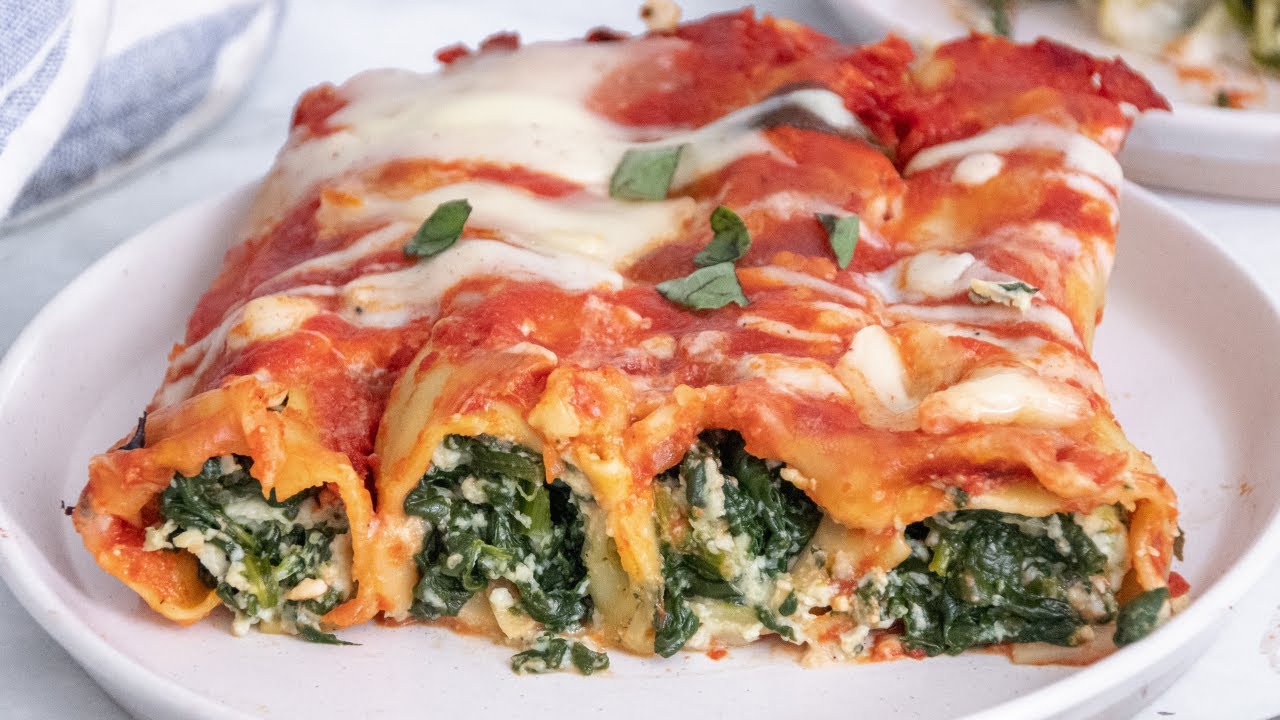
Cannelloni Pasta Recipe: If you’ve ever craved a pasta dish that feels both luxurious and comforting at the same time, cannelloni pasta is exactly what you’re looking for. Imagine large pasta tubes generously stuffed with a rich filling, smothered in a velvety sauce, topped with bubbling cheese, and baked until golden perfection. Sounds irresistible, right? That’s the magic of cannelloni. It’s not just another pasta dish—it’s an experience layered with flavor, texture, and tradition.
One of the reasons cannelloni stands out is its versatility. You can customize the filling based on dietary preferences, seasonal ingredients, or simply what’s in your fridge. Want something classic? Go with beef and tomato sauce. Prefer something lighter? Ricotta and spinach with béchamel sauce never disappoints. The adaptability makes it suitable for weeknight dinners, festive gatherings, and even meal prep.
The beauty of this dish lies in its simplicity. While it may look restaurant-quality, the preparation process is surprisingly manageable when broken down into clear steps. Stick with this detailed guide, and you’ll master it like a pro.
The Origin and History of Cannelloni
Cannelloni has deep roots in Italian culinary history, particularly in the southern regions of Italy. Though many associate it with traditional Italian restaurants worldwide, its origins trace back to early 20th-century Italy. Culinary historians suggest that cannelloni became popular in the Campania region, known for its rich pasta traditions and tomato-based sauces.
Initially, cannelloni was made using fresh pasta sheets rolled around filling rather than pre-formed tubes. This method allowed cooks to customize thickness and size. Over time, as dried pasta production became industrialized, ready-made cannelloni tubes emerged, making the dish more accessible to home cooks. That innovation transformed cannelloni from a specialty dish into a household staple.
Italian cuisine is deeply rooted in regional identity, and cannelloni reflects that beautifully. In northern Italy, you’ll often find versions filled with ricotta, spinach, and creamy béchamel sauce. In southern regions, tomato-based sauces and meat fillings dominate. This regional diversity shows how adaptable and culturally significant the dish has become.
Interestingly, cannelloni gained massive popularity outside Italy during the mid-20th century, especially in countries like the United States, the United Kingdom, and Australia. As Italian immigrants brought their recipes abroad, cannelloni quickly became synonymous with Italian comfort food. Today, it’s featured in countless cookbooks, cooking shows, and food blogs, often ranking among the top baked pasta recipes searched online.
Food experts often describe cannelloni as the perfect marriage of simplicity and indulgence. As Italian chef Marcella Hazan once said about stuffed pasta dishes, “The secret lies not in complexity but in balance.” Cannelloni embodies that philosophy perfectly. It doesn’t rely on exotic ingredients—just quality components combined thoughtfully.
Understanding its history makes cooking cannelloni even more meaningful. You’re not just preparing dinner; you’re recreating a dish that has been enjoyed for generations. And honestly, that makes every bite taste even better.
Why Cannelloni Is a Classic Italian Comfort Food
There’s something undeniably comforting about baked pasta. The bubbling cheese, the rich aroma of herbs and tomato sauce, and that first forkful pulling apart tender pasta—it hits differently. Cannelloni pasta takes that comfort to another level. Why? Because it feels both hearty and homemade, yet elegant enough for special occasions.
Comfort food isn’t just about taste—it’s about emotion. Cannelloni has a way of bringing people together around the table. It’s the kind of dish that works for Sunday family dinners, holiday celebrations, or even a cozy night in. The layered flavors create a sense of warmth and satisfaction that few other pasta dishes can match.
Another reason cannelloni holds classic status is its texture contrast. The pasta remains tender but firm, the filling is creamy or savory, and the top layer becomes slightly crisp from baking. That combination creates a multi-dimensional bite every time. You’re not just eating pasta; you’re experiencing a symphony of textures.
From a nutritional standpoint, cannelloni can also be balanced. When filled with spinach and ricotta, it offers protein, calcium, and iron. Meat-based versions provide high protein content, making it filling and energy-rich. Add a fresh salad on the side, and you’ve got a well-rounded meal.
Let’s not forget presentation. Cannelloni looks impressive when served. Those neatly arranged tubes coated in sauce and melted cheese make it visually appealing. If you’re hosting guests, it delivers restaurant-style presentation without overly complicated techniques.
The rise in “baked pasta recipe” searches in recent years reflects a broader trend: people want meals that feel nostalgic yet satisfying. Cannelloni checks every box—flavor, tradition, versatility, and comfort. That’s why it remains a timeless favorite across generations.
Ingredients You’ll Need
Before diving into the cooking process, let’s gather everything you need. Using quality ingredients makes a noticeable difference in the final result. Fresh herbs, good-quality cheese, and ripe tomatoes can transform your cannelloni from ordinary to unforgettable.
Here’s what you’ll need for a classic meat-based cannelloni recipe:
Ingredients for the Pasta and Filling
- 12–14 cannelloni pasta tubes
- 500g ground beef (or Italian sausage)
- 1 cup ricotta cheese
- 1 cup shredded mozzarella cheese
- ½ cup grated Parmesan cheese
- 1 small onion (finely chopped)
- 2 cloves garlic (minced)
- 1 egg
- 2 tablespoons olive oil
- Salt and black pepper to taste
- 1 teaspoon dried oregano
- 1 teaspoon dried basil
- Fresh parsley (optional)
Ingredients for the Sauce
- 2 cups tomato passata or crushed tomatoes
- 2 tablespoons tomato paste
- 1 teaspoon sugar (optional, to balance acidity)
- 1 teaspoon dried basil
- ½ teaspoon chili flakes (optional)
- Salt to taste
- 1 cup béchamel sauce (optional for layering)
- Extra mozzarella and Parmesan for topping
These ingredients create a balanced flavor profile—savory meat, creamy cheese, and rich tomato sauce. If you prefer a vegetarian option, you can substitute the meat with sautéed spinach and mushrooms while keeping the cheese mixture intact.
Choosing high-quality pasta is important. Look for brands made with durum wheat semolina, as they hold shape better during baking. Freshly grated cheese also melts more smoothly compared to pre-packaged shredded varieties.
Having everything prepared before you start cooking makes the process smoother and more enjoyable. Cooking should feel exciting, not stressful. Once your ingredients are ready, you’re all set to move into the step-by-step process of creating the perfect homemade cannelloni.
Kitchen Tools Required
Before diving into the cooking process, let’s talk about something many home cooks underestimate: having the right kitchen tools. You don’t need professional restaurant equipment to make perfect cannelloni, but a few essential tools will make your life much easier and your results far more consistent. Think of it like building a house—you could technically manage without proper tools, but why make it harder than it needs to be?
First and most importantly, you’ll need a large baking dish. A 9×13-inch rectangular dish works perfectly for most standard cannelloni recipes. It should be deep enough to hold sauce and pasta without spilling over during baking. Glass or ceramic dishes are ideal because they distribute heat evenly and allow you to see the bubbling sauce along the edges, which helps you judge doneness.
You’ll also need a large skillet or sauté pan for preparing the filling. A wide surface area allows the meat or vegetables to cook evenly without steaming. A wooden spoon or silicone spatula is best for breaking apart ground meat and mixing ingredients thoroughly.
For stuffing the cannelloni, a piping bag or even a large zip-top plastic bag with the corner cut off can be a game-changer. Trying to spoon filling into pasta tubes can get messy quickly. A piping method keeps things neat, quick, and efficient. If you don’t have either, a small spoon and patience will still do the trick.
A medium saucepan is necessary for preparing your tomato sauce or béchamel sauce. Consistent stirring ensures smooth texture and prevents burning. A whisk is especially helpful when making béchamel to avoid lumps.
Finally, basic tools like a cutting board, sharp knife, mixing bowls, measuring cups, and aluminum foil (for covering during baking) complete your setup. Having everything within reach before you start makes the entire cooking process feel organized and professional.
With your tools ready, it’s time to move into the heart of the recipe—the step-by-step preparation that transforms simple ingredients into a comforting masterpiece.
Step-by-Step Guide to Making Cannelloni
Now we get to the exciting part. Making homemade cannelloni might look complicated when you see it plated beautifully in a restaurant, but when broken down into clear stages, it becomes surprisingly manageable. The key is to approach it step by step without rushing. Think of it as assembling layers of flavor, one stage at a time.
Step 1 – Preparing the Filling
Start by making your filling. A classic cannelloni filling often includes ricotta, spinach, minced meat, garlic, onion, and grated cheese. Cook any meat first and allow it to cool slightly. Mix all the filling ingredients in a bowl until well combined and flavorful.
Step 2 – Preparing the Cannelloni Tubes
If you are using dried cannelloni tubes, check the package instructions to see whether they need pre-cooking. Many types can be filled without boiling first. If you are using fresh pasta sheets, cut and roll them into tube shapes after adding the filling.
Step 3 – Making the Sauce
Prepare a rich sauce to keep the cannelloni moist while baking. You can use a tomato sauce, béchamel sauce, or both for extra flavor. Cook the sauce until smooth and well seasoned. A good sauce helps the pasta soften properly in the oven.
Step 4 – Stuffing the Cannelloni
Spoon the filling into a piping bag or small spoon, then carefully fill each cannelloni tube. Make sure the filling is evenly distributed from one end to the other. This helps every bite taste balanced and satisfying.
Step 5 – Assembling the Dish
Spread a layer of sauce at the bottom of a baking dish. Arrange the filled cannelloni in a single layer, then cover them generously with more sauce. Sprinkle grated cheese on top for a golden finish.
Step 6 – Baking to Perfection
Cover the dish with foil and bake in a preheated oven until the pasta is tender. Remove the foil near the end so the top can brown nicely. Let it rest for a few minutes before serving.
Pro Tips for Perfect Cannelloni
Making perfect cannelloni pasta isn’t just about following steps—it’s about understanding the little details that elevate your dish from good to unforgettable. Think of these tips as the difference between a home-cooked meal and something that tastes like it came straight from a cozy Italian trattoria.
First, always focus on balance in seasoning. Many home cooks under-season the filling, assuming the sauce and cheese will compensate. They won’t. The filling needs to taste slightly stronger than you think it should when sampled alone. Once wrapped in pasta and baked with sauce, the flavors mellow out. Taste before stuffing. Adjust confidently.
Second, don’t skimp on the sauce. One of the biggest reasons cannelloni turns out dry is insufficient sauce. The pasta absorbs liquid while baking, especially if you’re using uncooked tubes. A generous layer underneath and complete coverage on top ensures tender, perfectly cooked pasta. If you’re unsure, add a little extra sauce. It’s better to have slightly more than not enough.
Another game-changing tip? Let your cannelloni rest after baking. It’s tempting to cut into it immediately when that cheese is bubbling and golden. But giving it 10–15 minutes allows the filling to set properly. This makes serving cleaner and enhances the overall texture.
Use freshly grated cheese whenever possible. Pre-shredded varieties often contain anti-caking agents that affect melting quality. Fresh mozzarella and Parmesan melt more smoothly and deliver richer flavor.
If you want deeper flavor complexity, sauté your tomato sauce with a splash of red wine before simmering. It adds subtle richness without overpowering the dish. Some Italian chefs even add a small pinch of nutmeg to the ricotta mixture—it’s subtle but transformative.
Finally, avoid overcrowding the baking dish. The tubes should sit snugly side by side, but not stacked or overlapping. Proper spacing ensures even heat distribution.
Cooking is like storytelling. The better the details, the more memorable the ending. Follow these tips, and your cannelloni will impress every time.
Delicious Variations of Cannelloni
One of the most exciting things about a cannelloni pasta recipe is how adaptable it is. Once you understand the structure—pasta, filling, sauce, cheese—you can customize it endlessly. It’s like a culinary canvas waiting for your creativity.
Different regions of Italy offer their own spins on cannelloni, and modern kitchens have embraced even more innovative variations. Whether you’re cooking for vegetarians, meat lovers, or someone experimenting with plant-based options, there’s a version that fits perfectly.
Let’s explore some of the most popular and delicious variations.
Spinach and Ricotta Cannelloni
If there’s one vegetarian version that rivals the classic meat filling, it’s spinach and ricotta cannelloni. This combination is a staple in Italian cuisine and remains one of the most searched cannelloni variations online. Why? Because it’s creamy, flavorful, and surprisingly satisfying.
To prepare this version, sauté fresh spinach with garlic and olive oil until wilted. Drain thoroughly to remove excess moisture—this step is critical. Too much water in the filling can make the final dish watery. Chop the spinach finely and mix it with ricotta cheese, grated Parmesan, egg, salt, pepper, and a small pinch of nutmeg.
The beauty of this filling lies in its simplicity. Ricotta provides creaminess, spinach adds freshness and earthiness, and Parmesan brings salty depth. When paired with either tomato sauce or béchamel (or both), the flavors become beautifully balanced.
This version feels lighter than meat-based cannelloni, making it perfect for spring or summer dinners. It’s also an excellent way to incorporate leafy greens into a comforting meal without sacrificing taste.
For extra richness, some cooks mix in shredded mozzarella directly into the filling. Others top it with extra béchamel for a creamier finish. Either way, spinach and ricotta cannelloni proves that vegetarian dishes can be just as indulgent as their meaty counterparts.
Meat Lovers Cannelloni
If you’re cooking for someone who believes a meal isn’t complete without meat, meat lovers cannelloni will not disappoint. This hearty version takes the traditional ground beef filling and elevates it with layers of savory flavor.
Instead of using only ground beef, consider combining beef with Italian sausage. The sausage adds herbs and subtle spice, creating more complexity. Some recipes even include finely diced pancetta for smoky depth. Brown the meats together with onions, garlic, and a splash of red wine for extra richness.
For a more robust filling, you can add a small amount of tomato paste directly into the meat mixture. This intensifies flavor and keeps the filling moist. Mixing in ricotta or mascarpone balances the richness and prevents the filling from becoming too dense.
Top this version generously with mozzarella and Parmesan. During baking, the fats from the meat blend with the tomato sauce and cheese, creating a deeply satisfying dish.
This variation is ideal for family gatherings or colder months when you crave something substantial and comforting. Pair it with crusty bread and a simple salad, and you have a meal that feels both rustic and celebratory.
Vegetarian and Vegan Options
Modern kitchens are increasingly exploring plant-based cooking, and cannelloni adapts beautifully to these preferences. A vegetarian cannelloni can include roasted vegetables like zucchini, mushrooms, bell peppers, and eggplant. Roasting intensifies their natural sweetness and prevents excess moisture.
For a vegan version, substitute ricotta with plant-based alternatives made from cashews, tofu, or almonds. Blend soaked cashews with nutritional yeast, lemon juice, garlic, and salt to create a creamy ricotta-style filling. It’s surprisingly delicious and pairs perfectly with tomato sauce.
Use dairy-free mozzarella and skip traditional béchamel, or prepare a vegan béchamel using plant-based milk and olive oil instead of butter. The result remains creamy and comforting without animal products.
These variations show that cannelloni is not limited by dietary restrictions. With thoughtful substitutions, you can create a dish that satisfies everyone at the table.
Common Mistakes to Avoid
Even experienced cooks can stumble when preparing baked pasta. Understanding common pitfalls helps you avoid disappointment and ensures your homemade cannelloni turns out perfectly every time.
One frequent mistake is undercooking or overcooking the pasta. If pre-boiling, remember it should remain slightly firm because it continues cooking in the oven. Overcooked pasta can tear during stuffing and become mushy after baking.
Another issue is watery filling. Vegetables like spinach and mushrooms release moisture during cooking. Always drain and cool them before mixing into cheese. Excess liquid can ruin the texture of your dish.
Insufficient sauce coverage is another common problem. Dry pasta edges mean uneven cooking. Ensure complete coverage before baking.
Overbaking can also dry out the dish. Once the cheese turns golden and bubbly, remove it. Remember, it continues cooking slightly while resting.
Avoid rushing the resting period. Cutting too soon causes filling to spill out and sauce to separate.
Cooking is about patience. Paying attention to these details ensures your cannelloni delivers the rich, balanced flavors it’s known for.
Serving Suggestions and Pairings
Cannelloni is a hearty dish on its own, but thoughtful pairings elevate the dining experience. A crisp green salad with lemon vinaigrette balances the richness of cheese and sauce. The acidity cuts through the heaviness beautifully.
Garlic bread or warm focaccia complements the meal perfectly, allowing you to soak up any extra sauce. For beverages, sparkling water with lemon works well, while adults may enjoy pairing it with a medium-bodied red wine like Chianti or Sangiovese.
Presentation matters. Garnish with fresh basil or parsley before serving. A light sprinkle of freshly grated Parmesan adds finishing flair.
When plated carefully, cannelloni looks elegant enough for dinner parties yet comforting enough for casual family meals.
How to Store and Reheat Cannelloni
Leftover cannelloni stores beautifully. Allow it to cool completely before transferring to an airtight container. It can be refrigerated for up to 3–4 days.
To reheat, cover with foil and warm in the oven at 350°F (175°C) until heated through. Adding a spoonful of water or sauce prevents drying. Microwaving works for quick reheating but may soften texture slightly.
Cannelloni also freezes well. Assemble fully but do not bake. Wrap tightly and freeze for up to three months. Bake directly from frozen, adding extra cooking time.
Proper storage ensures you can enjoy this comforting dish beyond the first serving.
Nutritional Information
The nutritional value of cannelloni varies depending on filling and portion size. A typical meat-based serving averages 400–600 calories. It provides protein from meat and cheese, carbohydrates from pasta, and essential nutrients like calcium and iron.
Vegetarian versions tend to be slightly lower in calories and saturated fat. Using lean meats or plant-based alternatives can further adjust nutritional content.
Balancing portions with vegetables and salad creates a satisfying yet mindful meal.
FAQs about Cannelloni Pasta Recipe
1. What is cannelloni pasta?
Cannelloni is a type of tube-shaped pasta made for stuffing. It is usually filled with ingredients like ricotta, spinach, minced meat, or cheese, then covered with sauce and baked.
2. Do I need to boil cannelloni before filling it?
Not always. Many dried cannelloni tubes can be filled directly without pre-boiling, especially when baked in enough sauce. Always check the package instructions for the best result.
3. What filling works best for cannelloni?
Popular fillings include ricotta and spinach, minced beef, chicken, mushrooms, or mixed cheeses. The best filling is one that is flavorful, soft, and easy to pipe or spoon into the tubes.
4. What sauce goes well with cannelloni?
Cannelloni tastes great with tomato sauce, béchamel sauce, or a combination of both. The sauce keeps the pasta moist and helps it cook evenly in the oven.
5. Can I make cannelloni ahead of time?
Yes, cannelloni is a great make-ahead meal. You can assemble it earlier, refrigerate it, and bake it later. It also freezes well, making it convenient for busy days.
Conclusion
Cannelloni pasta is more than just a baked dish—it’s a celebration of flavor, tradition, and comfort. From carefully preparing the filling to layering sauce and cheese, each step builds toward a meal that feels both indulgent and homemade. Whether you choose classic meat, creamy spinach and ricotta, or a modern vegan twist, the structure remains beautifully versatile.
When prepared thoughtfully, cannelloni delivers tender pasta, rich filling, and bubbling golden cheese in every bite. It’s the kind of dish that gathers people around the table and leaves them asking for seconds.
Master this recipe once, and you’ll return to it again and again.