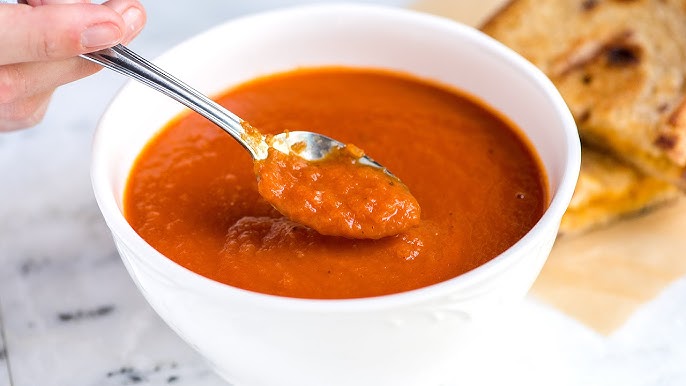
Canned Tomato Soup Recipe: There’s something incredibly comforting about opening a jar of homemade canned tomato soup in the middle of winter and knowing you made it yourself. It’s rich, vibrant, and packed with real tomato flavor—nothing like the overly processed versions sitting on grocery store shelves. If you’ve ever wanted to learn how to make your own canned tomato soup from scratch, this guide walks you through every step in a professional, easy-to-follow way.
Canning tomato soup isn’t just about preserving food. It’s about capturing the peak flavor of fresh tomatoes and extending it for months. According to the USDA, properly canned tomatoes can last up to 12–18 months when stored in a cool, dark place. That means one afternoon in the kitchen can provide comfort meals for an entire year.
In this complete guide, you’ll learn the exact ingredients you’ll need, the proper canning techniques, and a detailed step-by-step process to ensure your soup is safe, flavorful, and shelf-stable. Whether you’re new to home canning or looking to refine your skills, you’re in the right place.
Let’s get started.
Why Make Homemade Canned Tomato Soup?
Why go through the effort of canning tomato soup when you can buy it for a few dollars at the store? The answer is simple: control, flavor, and quality. When you make your own, you control every single ingredient. That means no artificial preservatives, no unnecessary sugar, and no mystery additives you can’t pronounce.
Homemade canned tomato soup tastes brighter and fresher because it starts with real, ripe tomatoes. Store-bought versions often rely on tomato paste concentrates and added starches. When you make it yourself, you get a naturally thick, velvety texture from slow-cooked tomatoes and carefully balanced seasoning.
There’s also a cost advantage. If you grow your own tomatoes or buy them in bulk during peak season, you can save significantly. According to agricultural market reports, tomato prices can drop by up to 40% during harvest season. Canning at that time allows you to preserve premium-quality produce at a fraction of the cost.
And then there’s the satisfaction factor. Pulling a jar off your pantry shelf and hearing that satisfying “pop” when you open it? That’s pride in edible form. Canning isn’t just cooking—it’s creating a food safety net for your household.
If you enjoy meal prepping, reducing food waste, or embracing sustainable kitchen practices, home canning tomato soup checks every box.
Understanding the Basics of Canning
Before diving into the recipe, it’s important to understand how canning works. Canning is a preservation method that removes air from jars and seals them to prevent bacteria from growing. When done correctly, it creates a vacuum seal that keeps food safe for long-term storage.
Tomatoes are naturally acidic, typically with a pH between 4.0 and 4.6. This acidity makes them suitable for water bath canning, but only if proper acidity levels are maintained. That’s why many safe canning recipes call for added lemon juice or citric acid. It’s not about flavor—it’s about safety.
Heat processing is essential because it destroys microorganisms and inactivates enzymes that could spoil the food. Skipping steps or shortening processing times can compromise safety. Following tested guidelines ensures your soup remains shelf-stable and safe to consume.
Professional food preservation experts emphasize consistency. That means using standardized jar sizes, precise processing times, and correct headspace measurements. Even small variations can impact the seal quality.
Canning might sound intimidating at first, but once you understand the principles, it becomes a straightforward and rewarding process. With the right preparation and attention to detail, you can confidently preserve your tomato soup like a pro.
Water Bath vs. Pressure Canning
One of the most common questions beginners ask is: should you use a water bath canner or a pressure canner for tomato soup? The answer depends on the recipe ingredients.
If your tomato soup contains only tomatoes and high-acid ingredients, water bath canning is typically sufficient. This method involves submerging sealed jars in boiling water for a specific period. It’s simple, accessible, and ideal for high-acid foods.
However, if you add low-acid ingredients such as cream, meat, or certain vegetables, you must use a pressure canner. Pressure canning reaches higher temperatures—around 240°F (116°C)—which are necessary to eliminate harmful bacteria like Clostridium botulinum.
For a classic tomato-based soup without dairy or meat, water bath canning works perfectly. But remember, cream or milk should always be added when reheating—not before canning.
Choosing the correct method isn’t optional. It’s essential for safety and shelf stability. When in doubt, follow guidelines from trusted sources like the USDA or National Center for Home Food Preservation.
Safety Tips for Canning Tomato Soup
Food safety should never be an afterthought. Proper sterilization, acidity balance, and processing time are non-negotiable elements of safe canning.
Always inspect jars for cracks or chips before using them. Even minor damage can prevent a proper seal. Wash jars thoroughly and sterilize them in boiling water if required by your processing time.
Add bottled lemon juice—not fresh—to maintain consistent acidity. Fresh lemons vary in pH, which can compromise safety. The standard recommendation is 1 tablespoon of bottled lemon juice per pint jar.
Leave proper headspace, usually about ½ inch for tomato soup. Too much or too little headspace can affect vacuum sealing. After processing, let jars cool undisturbed for 12–24 hours and check seals before storing.
Taking shortcuts in canning isn’t worth the risk. Precision and patience ensure your homemade tomato soup stays delicious and safe for months.
Ingredients You’ll Need
Let’s talk about what actually goes into making a rich, flavorful batch of canned tomato soup. The beauty of this recipe lies in its simplicity. You don’t need dozens of complicated ingredients. Instead, you focus on quality and balance.
Here’s a professional ingredient list for approximately 7 quart jars:
- 20 pounds ripe tomatoes (Roma or paste tomatoes preferred)
- 2 cups chopped onions
- 1 cup chopped celery (optional)
- 4 cloves garlic, minced
- 2 tablespoons salt (non-iodized)
- 2 tablespoons sugar (optional, to balance acidity)
- 2 tablespoons bottled lemon juice per quart (for acidity adjustment)
- 1 teaspoon black pepper
- Fresh basil or thyme (optional)
That’s it. Notice what’s missing? No flour, no cream, no butter. Dairy and thickeners should never be added before canning because they affect acidity and safety.
Each ingredient plays a role. Tomatoes provide the base, onions and garlic add depth, and lemon juice ensures safe preservation. Sugar helps balance tartness, especially if your tomatoes aren’t perfectly sweet.
Using fresh, high-quality produce makes all the difference. Since this soup will sit on your shelf for months, starting with peak-season tomatoes guarantees maximum flavor.
Choosing the Best Tomatoes
Not all tomatoes are created equal when it comes to canning. Paste varieties like Roma or San Marzano are ideal because they contain less water and more flesh. That means a thicker soup with less cooking time required for reduction.
Overripe tomatoes may seem tempting, but avoid those with bruises or signs of spoilage. Damaged produce can introduce unwanted bacteria. Choose firm, vibrant, fully ripe tomatoes for the best results.
If you’re buying in bulk from a farmers’ market, ask when they were harvested. Fresher tomatoes deliver better acidity levels and richer taste.
Your soup will only be as good as your tomatoes. Treat them like the star ingredient—because they are.
Essential Seasonings and Add-Ins
Seasoning is where your homemade canned tomato soup transforms from basic to unforgettable. While tomatoes are naturally flavorful, they still need support. Think of seasonings as the supporting cast in a movie—without them, the star can’t shine as brightly. The goal isn’t to overpower the tomato flavor but to enhance and balance it.
Salt is essential. Use non-iodized canning salt because iodized salt can cause cloudiness in the jars and affect appearance. Salt deepens the natural sweetness of tomatoes and rounds out acidity. Sugar, while optional, can help balance overly tart tomatoes, especially if you’re using varieties harvested slightly early. Just a small amount goes a long way.
Garlic and onions add savory depth. When simmered slowly with tomatoes, they create a foundation that tastes layered and complex rather than flat. Herbs like basil, thyme, or oregano can be added in moderation. Dried herbs are often safer for canning because they are more stable, but fresh herbs can be used if they’re clean and free of spoilage.
Avoid adding dairy, flour, cornstarch, rice, or pasta before canning. These ingredients alter density and acidity levels, making safe processing unpredictable. Instead, keep your canned soup as a rich tomato base. You can always add cream, cheese, or cooked pasta when reheating later.
The secret to professional-tasting tomato soup isn’t complexity—it’s balance. Taste your soup before canning and adjust salt or sweetness carefully. Once sealed in jars, those flavors will mellow slightly over time, creating a harmonious blend that feels both rustic and refined.
Equipment Checklist for Canning Tomato Soup
Before you start cooking, gather all necessary tools. Proper equipment ensures efficiency, safety, and consistent results. Imagine trying to bake a cake without measuring cups—it would be chaos. The same logic applies here.
You’ll need:
- Large stockpot (at least 12-quart capacity)
- Water bath canner with rack
- Mason jars (pint or quart size)
- New canning lids and bands
- Jar lifter
- Funnel
- Ladle
- Bubble remover or non-metal spatula
- Clean kitchen towels
A large stockpot is essential because tomatoes release a significant amount of liquid. Crowding them into a small pot leads to uneven cooking. A water bath canner must be deep enough to cover jars with at least 1–2 inches of boiling water.
Always use new lids. Reusing lids may result in failed seals. Bands can be reused if they’re rust-free and undamaged. A jar lifter prevents burns and allows you to safely transfer hot jars in and out of boiling water.
Organization is key. Lay out your equipment before you begin. Professional canners call this “mise en place,” a French term meaning everything in its place. When hot soup is ready for jars, you don’t want to scramble for tools.
Preparedness transforms canning from stressful to seamless. Once everything is in position, the process flows smoothly from one step to the next.
Step-by-Step Guide to Making Canned Tomato Soup
Now comes the heart of the process. Follow these steps carefully, and you’ll produce flavorful, shelf-stable tomato soup that rivals any store-bought brand.
Step 1 – Preparing the Tomatoes
Wash the tomatoes thoroughly and remove any bruised or damaged parts. Cut them into quarters so they cook faster and more evenly. For a smoother soup, you can peel them first by blanching them in hot water and slipping off the skins.
Step 2 – Cooking the Soup Base
Place the tomatoes in a large pot and cook over medium heat until they soften and release their juices. Add ingredients like onion, garlic, salt, and a little sugar if desired. Let everything simmer until the flavors blend well.
Step 3 – Blending for Smooth Texture
Blend the cooked mixture using an immersion blender or a regular blender until smooth. If you want an extra silky texture, strain the soup to remove seeds and pulp. Return it to the pot and simmer briefly to thicken if needed.
Step 4 – Sterilizing Jars Properly
Wash jars, lids, and bands in hot soapy water. Sterilize the jars by boiling them in water and keep them hot until ready to use. This helps keep the soup safe for storage.
Step 5 – Filling and Sealing the Jars
Pour the hot soup into the hot sterilized jars, leaving about 1/2 inch headspace. Wipe the rims clean, place the lids on top, and screw the bands on until fingertip tight.
Step 6 – Processing the Jars Safely
Process the filled jars in a boiling water bath or pressure canner, depending on your recipe’s acidity and ingredients. After processing, remove the jars carefully and let them cool completely. Check that the lids are sealed before storing them in a cool, dark place.
Storage Tips and Shelf Life
Proper storage determines how long your canned tomato soup maintains peak quality. While it can remain safe for up to 18 months, flavor is best within the first year.
Store jars in a cool (50–70°F), dark space. Avoid direct sunlight, which degrades nutrients and color. Remove screw bands after sealing to prevent rust.
Label jars with date and batch number. Organized storage makes rotation easier and prevents waste.
If a jar shows signs of spoilage—bulging lid, leakage, unusual odor—discard it immediately without tasting.
Safe storage equals safe enjoyment.
Common Mistakes to Avoid
Even experienced home cooks can make canning errors. Avoid thickening soup before processing. Never skip acidification. Don’t rush cooling time.
Using overripe or damaged tomatoes compromises quality. Reusing lids risks failed seals. Ignoring altitude adjustments can result in under-processing.
Canning rewards precision. Treat each step with respect, and your results will reflect that care.
Nutritional Benefits of Homemade Tomato Soup
Tomatoes are rich in lycopene, a powerful antioxidant linked to heart health. According to research published in the American Journal of Clinical Nutrition, higher lycopene intake may support reduced cardiovascular risk.
Homemade soup also contains vitamin C, potassium, and fiber. Without added preservatives or excessive sodium, it’s a cleaner alternative to many commercial options.
Cooking tomatoes actually increases lycopene availability. That means your canned soup isn’t just comforting—it’s nutritionally smart.
Creative Ways to Use Canned Tomato Soup
Think beyond the bowl. Use your soup as a pasta sauce base, a braising liquid for chicken, or a starter for chili. Add cream and fresh basil for a gourmet touch.
Pair with grilled cheese for a classic combination. Stir into casseroles or use as a pizza sauce alternative.
One jar, countless possibilities.
FAQs about Canned Tomato Soup Recipe
1. Can I use any type of tomato for canned tomato soup?
Yes, but Roma or plum tomatoes are often the best because they are meatier and contain less water. This gives the soup a richer flavor and thicker texture.
2. Do I need to peel the tomatoes before making the soup?
Peeling is not absolutely required, but it is highly recommended. It helps create a smoother and more refined soup without bits of tough skin.
3. How do I make canned tomato soup thicker?
You can simmer the soup longer to reduce extra liquid. Using paste tomatoes also helps because they naturally have less moisture.
4. How long does canned tomato soup last?
If properly sealed and stored in a cool, dark place, canned tomato soup can last up to 12 months. Once opened, it should be refrigerated and used within 3 to 4 days.
5. Is it safe to add cream or milk before canning?
No, it is not recommended to add milk, cream, or butter before canning. Dairy can affect the safety and shelf stability of the soup. Add those ingredients only when reheating before serving.
Conclusion
Making your own canned tomato soup is a practical skill that delivers flavor, nutrition, and long-term convenience. With the right ingredients, proper technique, and careful processing, you can create a shelf-stable pantry staple that tastes vibrant and homemade.
Each jar represents preparation, care, and craftsmanship. Once you master the process, you’ll wonder why you ever relied solely on store-bought versions.