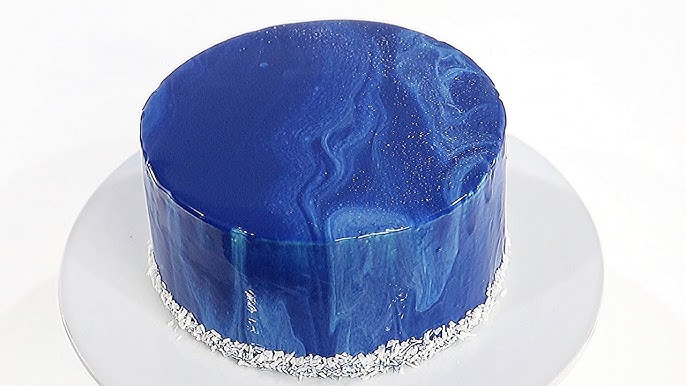
Cake Glaze Recipe: A cake glaze recipe is one of the simplest ways to give any dessert a polished, bakery-style finish. Whether we are topping a bundt cake, drizzling over pound cake, dressing up cupcakes, or adding a glossy layer to loaf cakes, the right glaze transforms an ordinary bake into something elegant, flavorful, and visually irresistible. A good glaze should be smooth, pourable, rich in taste, and easy to customize. It should set beautifully without becoming dull, gritty, or overly thick.
In this guide, we cover everything needed to make a perfect homemade cake glaze from scratch. We also show how to adjust the consistency, how to flavor it, how to avoid common mistakes, and how to use it across different types of cakes. With a few pantry staples and the right technique, we can create a glaze that looks refined, tastes balanced, and elevates nearly any dessert.
What Is a Cake Glaze?
A cake glaze is a thin, sweet topping poured or drizzled over baked goods. Unlike heavy frosting or buttercream, glaze has a lighter texture and a more fluid finish. It adds sweetness, moisture, sheen, and extra flavor without overpowering the cake underneath.
Most glaze recipes rely on a simple base of powdered sugar and liquid. The liquid may be milk, cream, lemon juice, orange juice, coffee, or even melted butter mixed with water. Once combined, the glaze becomes silky and smooth. It can be poured over a cooled cake, where it gently runs down the sides and settles into a glossy coating.
This style of topping works especially well for bundt cakes, lemon loaf cakes, vanilla pound cakes, coffee cakes, and tea cakes. It is also a smart choice when we want a polished finish without the effort of piping or spreading thick icing.
Why This Cake Glaze Recipe Works
This easy cake glaze recipe succeeds because it balances simplicity with flexibility. It uses accessible ingredients, comes together in minutes, and can be adapted for multiple desserts and flavor profiles.
Here is why it performs so well:
- Powdered sugar dissolves quickly for a smooth texture.
- Milk or cream creates a balanced, silky consistency.
- Vanilla extract adds warmth and depth.
- A small amount of melted butter gives the glaze a rich finish.
- The recipe is easy to thicken or thin based on the cake and desired style.
The result is a glaze that looks refined, tastes clean and sweet, and dries with an attractive finish. It is ideal for everyday baking and special occasions alike.
Ingredients for the Best Cake Glaze Recipe
To make a classic vanilla cake glaze, we only need a few ingredients:
- 2 cups powdered sugar, sifted
- 3 to 4 tablespoons milk or heavy cream
- 1 teaspoon vanilla extract
- 1 tablespoon melted butter
- Pinch of salt
Each ingredient has a purpose. The powdered sugar provides structure and sweetness. The milk loosens the mixture and helps create a pourable glaze. Vanilla gives the glaze that familiar bakery aroma. Melted butter enriches the flavor and softens the sweetness. A pinch of salt sharpens the flavor and keeps the glaze from tasting flat.
For a thinner drizzle, we add slightly more liquid. For a thicker glaze that coats the cake more heavily, we reduce the liquid and mix until just smooth.
How to Make Cake Glaze Step by Step
Making cake glaze from scratch is quick, but texture matters. We want the glaze to be smooth, lump-free, and easy to pour.
Step 1: Sift the Powdered Sugar
Place the powdered sugar into a medium bowl and sift it thoroughly. This step removes any lumps and helps create a smoother glaze. Skipping it can leave the glaze grainy or uneven.
Step 2: Add the Wet Ingredients
Pour in the vanilla extract, melted butter, and 3 tablespoons of milk or cream. Stir slowly at first, then whisk until the glaze starts to come together. If the mixture feels too thick, add the remaining liquid a little at a time.
Step 3: Whisk Until Smooth
Whisk the mixture until it becomes glossy and lump-free. The texture should be thick enough to coat the back of a spoon, yet loose enough to flow gently when poured.
Step 4: Test the Consistency
Lift the whisk and let the glaze fall back into the bowl. It should form a ribbon for a second or two before blending into the surface. That is the ideal consistency for most cakes.
Step 5: Glaze the Cake
Make sure the cake is fully cooled before glazing. Place the cake on a wire rack over a tray or parchment-lined surface. Pour the glaze slowly over the top, allowing it to drip naturally down the sides.
Let the glaze set before slicing or serving.
Best Texture for a Homemade Cake Glaze
The secret to a beautiful glazed cake is consistency. A glaze that is too thin will run off the cake and disappear. A glaze that is too thick will sit in clumps and lose its glossy finish.
For the best results:
- Use less liquid for loaf cakes and heavier coverage.
- Use more liquid for bundt cakes and soft drizzles.
- Always add liquid gradually.
- Let the glaze rest for a minute after whisking, then recheck the texture.
A properly mixed glaze should move smoothly but not look watery. It should cling lightly to the cake and set into a soft sheen.
How to Flavor Cake Glaze
One of the best things about a simple cake glaze recipe is how easily it can be customized. We can change the flavor to suit the cake, season, or event.
Vanilla Glaze
Use vanilla extract for a classic, versatile finish. This works well on yellow cake, pound cake, sugar cookies, and bundt cake.
Lemon Glaze
Replace the milk with fresh lemon juice and add a little lemon zest. This creates a bright, tangy glaze perfect for lemon loaf, blueberry cake, and poppy seed cake.
Orange Glaze
Use fresh orange juice and a bit of zest for a citrus glaze that pairs beautifully with vanilla cake, cranberry cake, and holiday bakes.
Chocolate Glaze
Add unsweetened cocoa powder and a little extra milk. For a richer result, use melted chocolate with cream and powdered sugar.
Coffee Glaze
Swap some of the liquid with brewed espresso or strong coffee. This glaze tastes excellent on chocolate cake, cinnamon cake, or mocha desserts.
Almond Glaze
Use almond extract in place of vanilla for a delicate nutty finish. This is especially good on white cake, cherry cake, and holiday pastries.
When to Glaze a Cake
Timing is important when making a perfect cake glaze recipe. The cake should be completely cool before applying the glaze. A warm cake melts the glaze too quickly, making it soak in rather than sit attractively on top.
Once the cake has cooled:
- Set it on a wire rack
- Place parchment or a tray underneath
- Pour the glaze from the center outward
- Let gravity create a natural finish
For thicker coverage, we can let the first layer set slightly, then add another drizzle on top.
Best Cakes for Glaze
A classic cake glaze works on more than just one type of dessert. It is ideal for cakes that do not need heavy frosting and benefit from a moist, glossy topping.
Some of the best options include:
- Pound cake
- Bundt cake
- Lemon loaf cake
- Coffee cake
- Tea cake
- Vanilla sponge cake
- Orange cake
- Blueberry loaf
- Cinnamon cake
- Carrot loaf cake
Glaze also works well on scones, muffins, donuts, sweet breads, and quick breads.
Common Cake Glaze Problems and Fixes
Even a simple glaze can go wrong if the balance is off. Fortunately, most issues are easy to correct.
Glaze Is Too Thin
Add more sifted powdered sugar, one tablespoon at a time, until the texture thickens.
Glaze Is Too Thick
Add milk or juice a teaspoon at a time. Stir after each addition to avoid over-thinning it.
Glaze Looks Lumpy
Sift the sugar before mixing and whisk thoroughly. If needed, strain the glaze through a fine sieve.
Glaze Is Too Sweet
Add a pinch of salt or a small amount of lemon juice to balance the flavor.
Glaze Does Not Set Properly
Use less liquid next time and allow the cake to cool fully before glazing.
How to Store Cake Glaze
Fresh homemade glaze is best used right after mixing, but it can be stored if needed. Place it in an airtight container and refrigerate for up to three days. Before using, stir it well. If it thickens in the fridge, add a few drops of milk or juice and whisk until smooth again.
If the glaze has already been poured over a cake, store the cake in a covered container at room temperature for a day or two, depending on the ingredients used. Cakes glazed with dairy-rich mixtures may last longer in the refrigerator.
Tips for a Professional-Looking Glaze
A cake glaze should not only taste good, it should also look polished. These tips help achieve a clean, bakery-style finish:
- Sift powdered sugar every time
- Cool the cake completely
- Use a wire rack for even dripping
- Pour from the center and let it flow outward
- Do not overmix once the glaze is smooth
- Adjust liquid gradually
- Match the glaze flavor to the cake itself
For an even more refined presentation, we can top the finished glaze with citrus zest, chopped nuts, sprinkles, toasted coconut, or edible flowers.
Easy Cake Glaze Variations for Every Occasion
The beauty of this recipe lies in how adaptable it is. We can make it simple for everyday baking or dress it up for holidays and gatherings.
For spring, a lemon glaze feels bright and fresh. For autumn, a maple glaze pairs wonderfully with spice cake. During the holidays, an orange vanilla glaze adds warmth and fragrance to festive loaves and bundt cakes. For birthdays or celebrations, a chocolate glaze gives a richer finish with broad appeal.
This flexibility makes glaze one of the most reliable dessert finishes in any kitchen.
FAQs about Cake Glaze Recipe
1. What is cake glaze?
Cake glaze is a smooth, sweet topping poured over cakes to add flavor, shine, and moisture. It is usually thinner than frosting and creates a light finish on the surface of the cake.
2. What ingredients are used to make cake glaze?
A basic cake glaze is often made with powdered sugar and liquid, such as milk, water, lemon juice, or vanilla extract. Some recipes also include melted butter for extra richness.
3. What is the difference between glaze and frosting?
Glaze is thinner and more pourable than frosting. Frosting is thick and spreadable, while glaze forms a light coating that can drip down the sides of the cake.
4. How do I make my cake glaze thicker or thinner?
To make glaze thicker, add more powdered sugar. To make it thinner, add a little more liquid, one teaspoon at a time, until you reach the desired consistency.
5. When should I add glaze to a cake?
It is best to add glaze when the cake has cooled slightly or completely, depending on the recipe. This helps the glaze set properly without melting too much.
6. Can I flavor cake glaze?
Yes. You can add flavors like vanilla, lemon, orange, almond, or cocoa powder to match the type of cake you are making.
7. How should I store cake with glaze?
Glazed cake can usually be stored in an airtight container at room temperature for 1–2 days or in the refrigerator for a longer period, depending on the ingredients used.
8. Can I use cake glaze on other desserts?
Yes. Cake glaze also works well on donuts, muffins, pound cakes, pastries, and sweet breads.
Final Thoughts
A dependable cake glaze recipe belongs in every baker’s collection. It is quick, elegant, versatile, and far easier than many traditional frostings. With only a few ingredients, we can create a topping that adds shine, sweetness, moisture, and flavor to nearly any cake.
The key is to keep the texture smooth, the consistency balanced, and the cake fully cooled before glazing. Once we master that, the possibilities become endless. From a simple vanilla cake glaze to bright citrus versions and rich chocolate finishes, this recipe adapts beautifully to every dessert table.
When we want a cake to look polished, taste complete, and feel just a little more special, a smooth homemade glaze is often the perfect finishing touch.