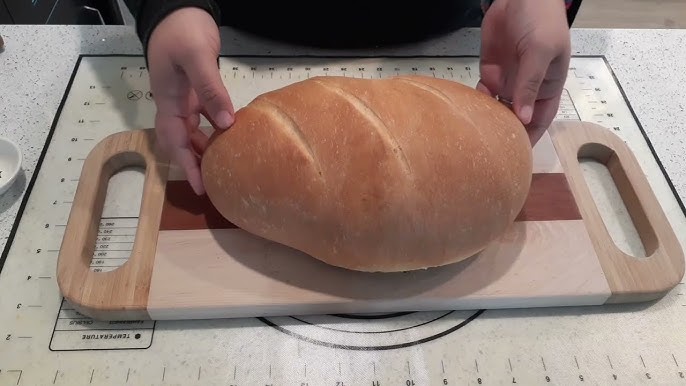
Buttermilk Bread Recipe: Few things in the kitchen are as comforting as the smell of freshly baked bread. Among the many types of homemade bread, buttermilk bread stands out for its soft texture, slightly tangy flavor, and rich, buttery aroma. This bread is incredibly versatile—it can be used for sandwiches, toast, French toast, or enjoyed warm with butter and honey.
Buttermilk bread is beloved because the buttermilk adds tenderness and depth of flavor, making the loaf softer and more flavorful than standard white bread. The natural acidity in buttermilk also helps activate baking ingredients and improves the texture of the dough.
In this complete guide, you’ll learn everything you need to know about making perfect homemade buttermilk bread—from ingredients and preparation to baking tips and storage methods.
Ingredients You’ll Need for Buttermilk Bread
Making buttermilk bread does not require complicated ingredients. Most of the items are pantry staples. However, the quality and balance of ingredients play an important role in achieving a soft and fluffy loaf.
Below are the essential ingredients used in traditional buttermilk bread.
1. All-Purpose Flour or Bread Flour
Flour forms the structural foundation of the bread.
- Bread flour is ideal because it has higher protein content, which produces more gluten and a better structure.
- All-purpose flour can also be used and produces a softer loaf.
You will typically need:
- 3½ to 4 cups flour
The exact amount depends on humidity and dough consistency.
2. Buttermilk
Buttermilk is the star ingredient of this recipe.
It contributes:
- Slight tangy flavor
- Soft crumb texture
- Improved moisture retention
- Enhanced yeast activity
If you do not have buttermilk, you can create a substitute by mixing:
- 1 cup milk
- 1 tablespoon lemon juice or vinegar
Let it sit for 10 minutes before using.
3. Active Dry Yeast
Yeast is the ingredient that makes the bread rise.
Common options include:
- Active dry yeast
- Instant yeast
- Rapid rise yeast
Typical measurement:
- 2¼ teaspoons (1 packet)
Yeast feeds on sugars in the dough and produces carbon dioxide, which creates the airy structure of bread.
4. Sugar or Honey
Sugar helps:
- Activate yeast
- Add mild sweetness
- Improve browning of the crust
You may use:
- 2 tablespoons granulated sugar
- or 2 tablespoons honey
Honey adds additional moisture and flavor.
5. Unsalted Butter
Butter enriches the bread and enhances flavor.
Functions of butter in bread:
- Tenderizes the crumb
- Adds richness
- Improves texture
Recommended quantity:
- 3 tablespoons softened butter
You can substitute with vegetable oil if needed.
6. Salt
Salt is essential for balancing flavor and controlling yeast fermentation.
Typical measurement:
- 1½ teaspoons salt
Without salt, bread may taste bland and yeast may over-ferment.
7. Warm Water (Optional)
Some recipes include a small amount of warm water to help activate yeast.
Ideal temperature:
- 105°F – 110°F (40°C – 43°C)
Too hot water may kill the yeast.
Equipment Needed to Make Buttermilk Bread
While bread baking does not require expensive tools, having the right equipment can make the process easier.
Basic equipment includes:
- Large mixing bowl
- Measuring cups and spoons
- Dough scraper (optional)
- Stand mixer with dough hook (optional)
- 9×5 inch loaf pan
- Clean kitchen towel
- Cooling rack
If you enjoy baking regularly, investing in a stand mixer can significantly simplify kneading.
Step-by-Step Guide to Making Buttermilk Bread
Making homemade buttermilk bread involves several stages, including mixing, kneading, proofing, shaping, and baking. Each step contributes to the final texture and flavor of the loaf.
Below is a detailed step-by-step guide.
Step 1 – Prepare the Ingredients
Gather your ingredients: all-purpose flour, buttermilk, yeast, sugar, salt, and butter. Make sure the buttermilk is slightly warm to help activate the yeast.
Step 2 – Activate the Yeast
In a small bowl, combine warm buttermilk, sugar, and active dry yeast. Stir gently and let the mixture sit for about 5–10 minutes until it becomes foamy. This shows that the yeast is active.
Step 3 – Mix the Dough
In a large bowl, combine flour and salt. Pour in the yeast mixture and add softened butter. Mix the ingredients together until a soft dough begins to form.
Step 4 – Knead the Dough
Transfer the dough to a lightly floured surface and knead it for about 8–10 minutes until it becomes smooth and elastic. Proper kneading helps develop the gluten structure of the bread.
Step 5 – Let the Dough Rise
Place the dough in a lightly greased bowl and cover it with a clean cloth. Let it rise in a warm place for about 1–1½ hours, or until the dough doubles in size.
Step 6 – Shape the Dough
Punch down the dough to remove air bubbles. Shape it into a loaf and place it into a greased loaf pan.
Step 7 – Bake the Bread
Preheat the oven to 375°F (190°C). Bake the bread for 30–35 minutes until the top is golden brown and the loaf sounds hollow when tapped.
Allow the bread to cool before slicing. Enjoy your soft and flavorful buttermilk bread! 🍞
Tips for Perfect Buttermilk Bread
Even simple bread recipes benefit from small professional techniques.
Use Room Temperature Ingredients
Cold ingredients slow yeast activity.
Bring butter and buttermilk close to room temperature before mixing.
Avoid Too Much Flour
Adding too much flour can produce dense bread.
The dough should be:
- Soft
- Slightly sticky
- Elastic
Proof in a Warm Environment
If your kitchen is cold, place the dough in:
- A turned-off oven with the light on
- Near a warm appliance
This helps maintain consistent rising.
Brush with Butter After Baking
For a softer crust, brush the hot loaf with melted butter immediately after baking.
Variations of Buttermilk Bread
Buttermilk bread is flexible and can be customized easily.
Honey Buttermilk Bread
Replace sugar with honey.
This creates:
- Slight sweetness
- Richer flavor
- Golden crust
Whole Wheat Buttermilk Bread
Replace part of the flour with whole wheat flour.
Suggested ratio:
- 2 cups bread flour
- 1½ cups whole wheat flour
Add extra buttermilk if the dough becomes dry.
Buttermilk Dinner Rolls
Instead of a loaf, divide the dough into 12 small balls and bake in a baking dish.
Bake time:
18–20 minutes
Herb Buttermilk Bread
Add herbs such as:
- Rosemary
- Thyme
- Garlic powder
This creates savory sandwich bread.
Nutritional Benefits of Buttermilk Bread
Buttermilk bread offers several nutritional advantages compared to commercial bread.
Protein
Flour and buttermilk contribute moderate protein levels.
Calcium
Buttermilk is rich in calcium, supporting bone health.
Energy
Carbohydrates provide sustained energy.
Lower Fat Option
Compared to enriched breads, buttermilk bread can contain less fat while remaining soft.
How to Store Buttermilk Bread
Proper storage keeps the bread fresh longer.
Room Temperature
Store in:
- Bread box
- Airtight container
Shelf life:
3–4 days
Refrigeration
Not recommended, as refrigeration dries bread quickly.
Freezing
For long-term storage:
- Slice the bread.
- Wrap tightly in plastic.
- Store in freezer bags.
Bread can last up to 3 months in the freezer.
Best Ways to Serve Buttermilk Bread
Buttermilk bread is extremely versatile.
Popular uses include:
- Sandwich bread
- Breakfast toast
- French toast
- Bread pudding
- Garlic bread
- Grilled cheese sandwiches
Its soft crumb and mild tang complement both sweet and savory toppings.
Common Mistakes to Avoid
Using Water That Is Too Hot
Hot liquids can kill yeast.
Always test temperature before mixing.
Not Kneading Enough
Under-kneaded dough produces dense bread.
Knead until smooth and elastic.
Over-Proofing
If the dough rises too long, it may collapse in the oven.
Cutting Bread Too Early
Allow bread to cool fully before slicing.
FAQs about Buttermilk Bread Recipe
1. What does buttermilk do in bread?
Buttermilk adds a slightly tangy flavor and helps create a soft and tender texture in bread. Its acidity also reacts with baking ingredients to improve the structure and rise of the loaf.
2. Can I use regular milk instead of buttermilk?
Yes, you can substitute buttermilk with regular milk if necessary. To make a simple buttermilk substitute, add 1 tablespoon of lemon juice or vinegar to 1 cup of milk and let it sit for about 5–10 minutes before using.
3. Why is my buttermilk bread dense?
Bread may turn out dense if the yeast is inactive, the dough was not kneaded enough, or the dough did not rise properly. Always ensure your yeast is fresh and allow the dough enough time to rise.
4. Can I make buttermilk bread in a bread machine?
Yes, buttermilk bread can be made in a bread machine. Simply add the ingredients according to the machine’s instructions and use the basic bread setting.
5. How should I store homemade buttermilk bread?
Store the bread in an airtight container or bread bag at room temperature for up to 3 days. For longer storage, keep it in the refrigerator or freeze it.
6. Can I freeze buttermilk bread?
Yes, buttermilk bread freezes well. Wrap the loaf tightly in plastic wrap and foil, then freeze it for up to 3 months. Thaw at room temperature before serving. 🍞
Final Thoughts
The slight tang from buttermilk enhances the flavor while the enriched dough creates a tender crumb that stays moist for days. Whether you enjoy it toasted with butter in the morning or layered with sandwich fillings for lunch, buttermilk bread is a timeless kitchen favorite.
Once you master this recipe, you can easily experiment with different variations, flavors, and shapes. Baking your own bread also allows you to control ingredients, avoid preservatives, and experience the joy of freshly baked homemade food.
With the step-by-step instructions provided in this guide, you can confidently bake a perfect loaf of soft, fluffy buttermilk bread right in your own kitchen.