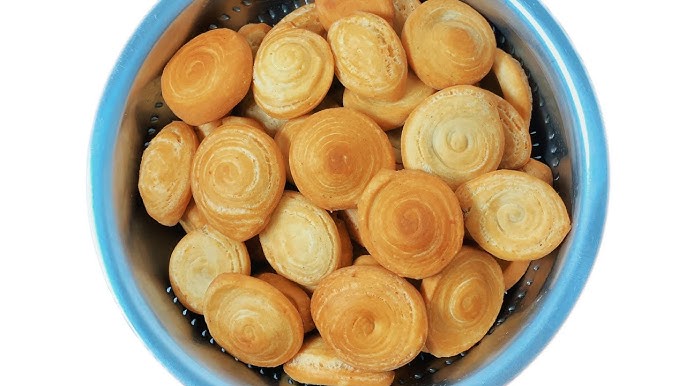
Bread Buns Recipe: Bread buns are one of the most versatile and beloved baked goods around the world. Whether used for burgers, sandwiches, breakfast rolls, or dinner sides, freshly baked bread buns offer unmatched softness, flavor, and aroma. Making them at home may seem intimidating at first, but with the right ingredients, techniques, and patience, anyone can produce bakery-quality buns in their own kitchen.
This comprehensive guide will walk you through everything you need to know about making perfect bread buns from scratch — including ingredients, preparation techniques, baking tips, and expert secrets for achieving soft, fluffy, golden buns every time.
Ingredients You’ll Need
To make classic homemade bread buns, you’ll need a few basic pantry ingredients. Each one plays an important role in the texture, flavor, and structure of the buns.
1. All-Purpose Flour or Bread Flour (4 cups)
Flour forms the foundation of the dough. Bread flour is ideal because it contains more protein, which helps develop gluten. Gluten provides elasticity and structure, allowing the dough to rise properly.
If bread flour is unavailable, all-purpose flour works perfectly as well.
2. Warm Milk (1 cup)
Milk enriches the dough, making the buns softer and slightly sweeter. It also helps produce a tender crumb.
Ensure the milk is warm but not hot — around 100–110°F (38–43°C) — to properly activate the yeast.
3. Active Dry Yeast (2 ¼ teaspoons / 1 packet)
Yeast is the ingredient responsible for fermentation and rising. It converts sugars into carbon dioxide, creating air bubbles that make the buns light and fluffy.
Instant yeast may also be used and does not require activation.
4. Granulated Sugar (3 tablespoons)
Sugar feeds the yeast and adds mild sweetness. It also contributes to the golden crust during baking through caramelization.
5. Salt (1 teaspoon)
Salt enhances flavor and regulates yeast activity. Without salt, bread can taste bland and rise too quickly.
6. Unsalted Butter (3 tablespoons, softened)
Butter enriches the dough and provides moisture and flavor. It also helps produce a soft texture and tender crumb.
7. Egg (1 large)
Eggs improve the richness and color of the buns while also helping bind the dough together.
8. Warm Water (¼ cup)
Water helps dissolve yeast and hydrate the flour during the mixing stage.
9. Egg Wash (1 egg + 1 tablespoon milk)
An egg wash brushed over the buns before baking creates a glossy golden crust.
10. Optional Toppings
You can customize your bread buns with various toppings such as:
- Sesame seeds
- Poppy seeds
- Everything seasoning
- Oats
- Garlic butter glaze
Step-by-Step Guide to Making Bread Buns
Making bread buns involves several stages: activating yeast, mixing dough, kneading, proofing, shaping, and baking. Follow these steps carefully for best results.
Step 1 – Gather the Ingredients
Prepare the ingredients you need: all-purpose flour, warm water or milk, sugar, active dry yeast, butter or oil, salt, and an egg (optional for brushing).
Step 2 – Activate the Yeast
In a small bowl, mix 1 cup warm water or milk, 1 tablespoon sugar, and 2 teaspoons active dry yeast. Stir gently and let it sit for 5–10 minutes until it becomes foamy.
Step 3 – Prepare the Dough
In a large bowl, combine 3 cups all-purpose flour and 1 teaspoon salt. Pour in the activated yeast mixture and add 2 tablespoons melted butter or oil. Mix until a soft dough forms.
Step 4 – Knead the Dough
Place the dough on a lightly floured surface and knead for 8–10 minutes until it becomes smooth and elastic.
Step 5 – Let the Dough Rise
Place the dough in a greased bowl, cover it with a clean cloth, and let it rise in a warm place for about 1 hour or until it doubles in size.
Step 6 – Shape the Buns
Punch down the dough to remove air and divide it into equal portions. Roll each portion into a smooth ball and place them on a lined baking tray.
Step 7 – Second Rise
Cover the buns lightly and let them rise again for 20–30 minutes. This step helps make the buns soft and fluffy.
Step 8 – Bake the Buns
Preheat the oven to 375°F (190°C). Brush the tops with beaten egg if desired and bake for 15–18 minutes until golden brown.
Step 9 – Cool and Serve
Allow the buns to cool slightly before serving. They are perfect for sandwiches, burgers, or as a side with meals.
Tips for Perfect Homemade Bread Buns
Use High-Quality Yeast
Fresh yeast ensures proper fermentation and rise. Always check the expiration date.
Measure Ingredients Accurately
Too much flour can create dense buns, while too little may produce sticky dough.
Do Not Rush the Rising Time
Proofing allows gluten to relax and gases to develop, producing lighter buns.
Maintain Proper Temperature
Yeast thrives in warm environments between 75°F and 95°F.
Too hot will kill yeast; too cold slows fermentation.
Common Mistakes to Avoid
Using Liquid That Is Too Hot
Hot liquid kills yeast and prevents the dough from rising.
Skipping Kneading
Without proper kneading, gluten cannot develop, resulting in dense buns.
Adding Too Much Flour
Excess flour makes buns dry and heavy.
Overbaking
Overbaking dries out bread and hardens the crust.
Variations of Bread Buns
Once you master the basic recipe, you can create different varieties.
Burger Buns
Make slightly larger buns and flatten them before the second rise.
Dinner Rolls
Shape smaller buns and bake them close together for pull-apart rolls.
Whole Wheat Buns
Substitute half the flour with whole wheat flour.
Garlic Butter Buns
Brush baked buns with melted garlic butter.
Cheese Buns
Add shredded cheese into the dough or sprinkle on top.
How to Store Bread Buns
Fresh bread buns stay soft when stored properly.
Room Temperature
Place buns in an airtight container for 2–3 days.
Refrigerator
Not recommended, as refrigeration dries bread quickly.
Freezer
Wrap buns tightly and freeze for up to 3 months.
To reheat, thaw and warm in the oven at 300°F (150°C) for 10 minutes.
Nutritional Overview
Typical homemade bread buns contain:
- Calories: ~180–220
- Carbohydrates: ~30g
- Protein: ~6g
- Fat: ~4g
Exact values vary depending on ingredients and size.
Why Homemade Bread Buns Are Better
Store-bought buns often contain preservatives and additives to extend shelf life.
Homemade buns offer several advantages:
- Fresh flavor
- Better texture
- No artificial preservatives
- Customizable ingredients
- Healthier options
Serving Ideas
Bread buns are incredibly versatile and can be served in many ways.
Some popular uses include:
- Burgers
- Chicken sandwiches
- Breakfast egg sandwiches
- Sliders
- Garlic bread rolls
- Dinner sides with soup
They pair beautifully with soups, stews, salads, and grilled meats.
FAQs about Bread Buns Recipe
1. What ingredients are needed to make bread buns?
Basic bread buns are made with flour, yeast, warm water or milk, sugar, salt, and butter or oil. Some recipes also include eggs to make the buns richer and softer.
2. Why didn’t my bread buns rise properly?
This can happen if the yeast is expired, the liquid is too hot or too cold, or the dough was not given enough time to rise. Yeast works best with warm liquid and a warm environment.
3. How do I make bread buns soft and fluffy?
To achieve soft buns, make sure to knead the dough well, allow enough rising time, and avoid adding too much flour. Using milk or butter also helps create a softer texture.
4. Can I make bread buns without eggs?
Yes, bread buns can be made without eggs. Eggs are optional and mostly used for richer flavor or for brushing the top to create a golden crust.
5. How should I store homemade bread buns?
Store bread buns in an airtight container at room temperature for up to 2–3 days. For longer storage, keep them in the refrigerator or freezer.
6. Can bread buns be frozen?
Yes, bread buns freeze well. Wrap them in plastic wrap or place them in a freezer-safe bag and store them for up to 2 months.
7. What can bread buns be used for?
Bread buns are versatile and can be used for burgers, sandwiches, breakfast rolls, or served as a side with soups and stews.
Final Thoughts
Making homemade bread buns may seem complicated at first, but once you understand the process, it becomes a rewarding and enjoyable kitchen skill. With just a handful of basic ingredients and a little patience, you can create soft, fluffy, golden buns that rival those from professional bakeries.
The key secrets are proper yeast activation, good kneading technique, adequate proofing time, and correct baking temperature. Master these fundamentals, and your bread buns will turn out perfect every time.
Freshly baked buns filling your kitchen with warm aroma are one of the most satisfying rewards of home baking.