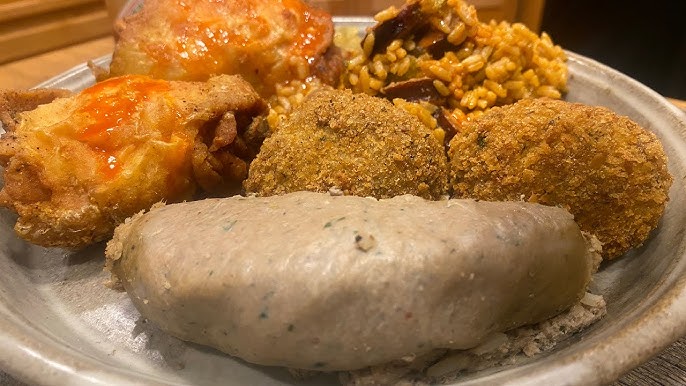
Boudin Cajun Recipe: Cajun boudin is one of the most beloved traditional foods from Louisiana. This flavorful sausage is a mixture of pork, rice, vegetables, and bold Cajun spices stuffed into sausage casings. Unlike many sausages that focus heavily on meat, boudin balances tender pork with seasoned rice, creating a rich and comforting dish that reflects the heart of Cajun cooking.
Boudin is commonly found in Louisiana butcher shops, roadside markets, and Cajun restaurants. It is often served steamed, grilled, or smoked, and sometimes even fried into crispy boudin balls. While it may seem like a specialty dish, you can absolutely recreate authentic Cajun boudin at home.
In this comprehensive guide, you’ll learn everything you need to know—from ingredients and preparation to cooking tips and traditional serving ideas.
Ingredients You’ll Need
Making Cajun boudin requires a combination of fresh meat, rice, vegetables, and spices. These ingredients create the signature flavor and texture that make this sausage unique.
Main Ingredients
- 3 pounds pork shoulder (Boston butt)
- 1 pound pork liver (optional but traditional)
- 2 cups long-grain white rice
- 1 large onion, chopped
- 2 celery stalks, chopped
- 1 green bell pepper, chopped
- 4 garlic cloves, minced
- 4 cups pork broth (or cooking liquid from the meat)
Seasonings
- 2 teaspoons salt
- 2 teaspoons black pepper
- 1 teaspoon cayenne pepper
- 1 teaspoon white pepper
- 1 teaspoon paprika
- 1 teaspoon dried thyme
- 1 teaspoon Cajun seasoning
- 2 tablespoons chopped fresh parsley
- 3 green onions, sliced
Other Ingredients
- Natural hog casings (for stuffing)
- Water for cooking
- Cooking oil (optional)
Understanding Cajun Boudin
Before cooking, it helps to understand what makes boudin special.
What Is Boudin?
Boudin is a Cajun sausage made primarily with pork, rice, and vegetables. The mixture is seasoned heavily and stuffed into sausage casings.
Unlike many sausages, boudin is partially cooked before stuffing. This means the final sausage only needs reheating before serving.
Types of Boudin
There are several variations of Cajun boudin:
- Boudin Blanc – Traditional pork and rice sausage
- Boudin Rouge – Made with pork blood
- Seafood Boudin – Uses shrimp or crawfish
- Smoked Boudin – Smoked for deeper flavor
For this recipe, we focus on classic Cajun boudin blanc.
Step-by-Step Guide to Making Cajun Boudin
Follow these steps carefully to achieve authentic flavor and texture.
Step 1 – Gather the Ingredients
Prepare the ingredients you need. Traditional Cajun boudin usually includes pork shoulder, pork liver, cooked rice, onions, celery, bell peppers, garlic, Cajun seasoning, salt, black pepper, and sausage casings.
Step 2 – Cook the Pork
Place the pork shoulder and pork liver in a large pot and cover with water. Bring it to a boil, then reduce the heat and simmer for about 45–60 minutes until the meat becomes tender.
Step 3 – Chop the Vegetables
While the meat cooks, finely chop onions, celery, bell peppers, and garlic. These vegetables form the classic Cajun flavor base.
Step 4 – Cook the Vegetables
Remove the cooked pork from the pot and set it aside. In a skillet, sauté the onions, celery, bell peppers, and garlic for 5–7 minutes until softened and fragrant.
Step 5 – Grind the Meat
Using a meat grinder or food processor, grind the cooked pork and liver into small pieces.
Step 6 – Mix the Filling
In a large bowl, combine the ground meat, cooked rice, sautéed vegetables, Cajun seasoning, salt, and black pepper. Mix well until everything is evenly blended.
Step 7 – Stuff the Sausage Casings
Rinse the sausage casings and carefully stuff them with the boudin mixture using a sausage stuffer. Twist the casing into sausage-sized links.
Step 8 – Steam and Serve
Place the sausages in a steamer and cook for 10–15 minutes until heated through. Serve the Cajun boudin warm as a snack or main dish.
How to Serve Cajun Boudin
Boudin is versatile and can be enjoyed in many ways.
Classic Cajun Style
Serve boudin warm with:
- Crackers
- Mustard
- Pickles
Many people simply squeeze the filling out of the casing and eat it.
Boudin Balls
Another popular preparation is deep-fried boudin balls.
Steps:
- Remove filling from casing.
- Form small balls.
- Coat in flour, egg, and breadcrumbs.
- Fry until golden brown.
They are crispy outside and creamy inside.
Breakfast Boudin
Boudin also works well for breakfast.
Serve with:
- Eggs
- Biscuits
- Grits
The savory flavor pairs beautifully with morning dishes.
Tips for Perfect Cajun Boudin
Use Fresh Ingredients
Fresh pork and vegetables provide the best flavor.
Balance the Rice
Too much rice can dilute the flavor. Aim for a balanced ratio.
Adjust Spice Level
Cajun cooking is known for bold seasoning, but you can adjust cayenne pepper to your preference.
Keep the Filling Moist
Dry boudin is unpleasant. Always add enough broth to keep it tender.
Common Mistakes to Avoid
Overcooking the Meat
This can make the filling dry and tough.
Overstuffing the Casings
Boudin should remain soft and pliable.
Skipping the Liver
While optional, liver adds authentic flavor.
Storing Cajun Boudin
Proper storage keeps your homemade sausage fresh.
Refrigerator
Store in airtight containers for 3–4 days.
Freezer
Wrap tightly and freeze for up to 3 months.
Reheating
Best reheating methods:
- Steaming
- Baking
- Air frying
Avoid microwaving too long as it may dry the sausage.
Nutritional Overview
A typical serving of Cajun boudin contains:
- Calories: 250–300
- Protein: 15–20g
- Carbohydrates: 20–25g
- Fat: 12–18g
The rice provides energy while the pork delivers rich protein.
Why Cajun Boudin Is So Popular
Boudin represents Cajun culture and tradition.
It was historically created as a way to use every part of the pig. By combining meat with rice and spices, Cajun families could create a hearty and flavorful meal that fed many people.
Today, it remains one of Louisiana’s most iconic foods.
FAQs about Boudin Cajun Recipe
1. What is Cajun boudin made of?
Cajun boudin is a traditional sausage made from pork, pork liver, cooked rice, onions, bell peppers, celery, garlic, and Cajun spices. The mixture is usually stuffed into sausage casings and lightly cooked or steamed.
2. What does Cajun boudin taste like?
Cajun boudin has a savory, slightly spicy flavor with a soft texture because it contains cooked rice mixed with seasoned pork and vegetables.
3. Is boudin fully cooked?
Most Cajun boudin sold in markets is fully cooked and only needs to be reheated by steaming, grilling, or baking before serving.
4. How is Cajun boudin usually served?
It is commonly served hot as a snack or meal, often with crackers, bread, or mustard. In Louisiana, people often eat it directly from the casing.
5. Can Cajun boudin be grilled or fried?
Yes, boudin can be grilled, baked, or lightly fried to add a crispy exterior while keeping the inside soft and flavorful.
6. How should boudin be stored?
Store fresh boudin in the refrigerator for up to 3–4 days. It can also be frozen for up to 2–3 months if wrapped tightly.
7. What is the difference between Cajun and Creole boudin?
Cajun boudin usually contains pork and rice with simple seasonings, while Creole-style versions may include different spices or seafood ingredients depending on the recipe.
Conclusion
Making authentic Cajun boudin at home is a rewarding cooking experience. While it may seem complex at first, the process becomes straightforward when broken into clear steps: cook the meat, prepare the rice, grind the mixture, season generously, and stuff into casings.
The result is a rich, flavorful sausage packed with Cajun tradition. Whether you enjoy it steamed, grilled, smoked, or fried into crispy boudin balls, this dish offers a taste of Louisiana’s vibrant culinary heritage.
Once you try homemade boudin, you’ll understand why it’s considered one of the greatest comfort foods in Cajun cuisine.