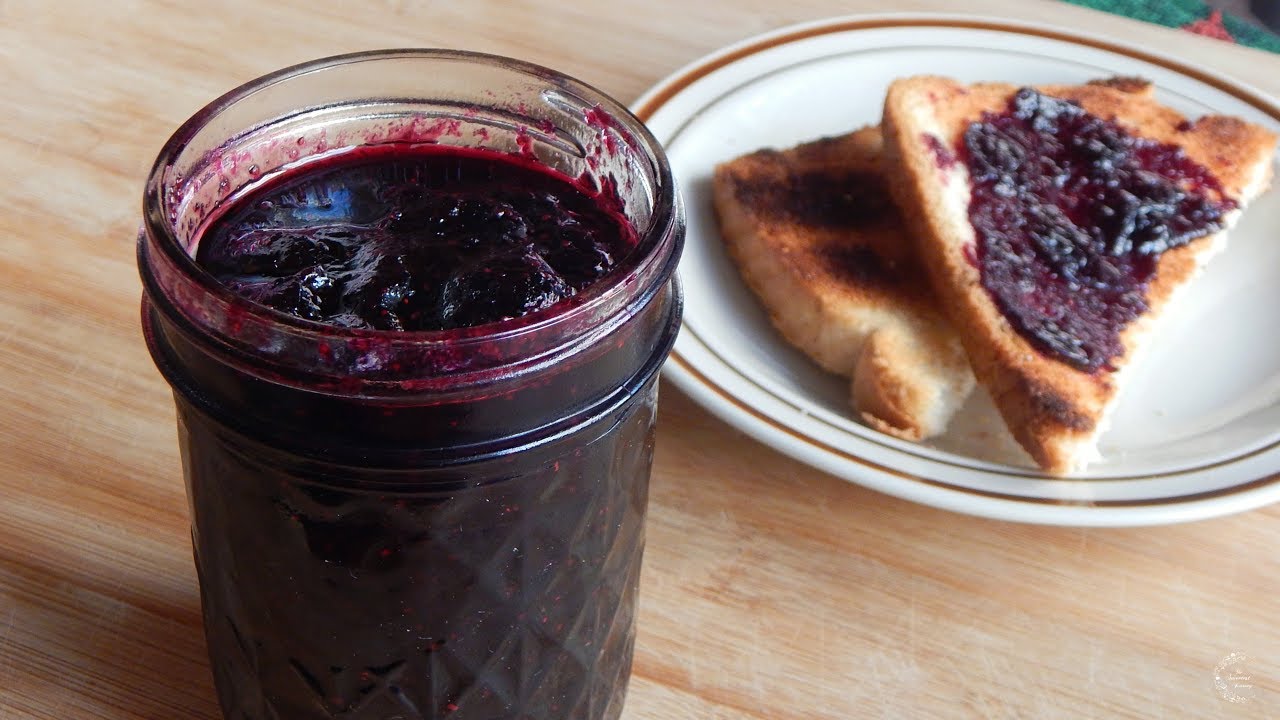
Blueberry Jelly Recipe: Blueberry jelly is a smooth, sweet, and vibrant fruit preserve made from fresh blueberry juice, sugar, and pectin. Unlike jam, which contains crushed fruit, jelly is crystal clear and spreads easily on toast, biscuits, pancakes, and desserts. Homemade blueberry jelly has a brighter flavor and richer aroma than store-bought versions, and it allows you to control the sweetness, ingredients, and texture.
In this detailed guide, you will learn everything you need to know about making blueberry jelly from scratch—from selecting the best blueberries to properly setting and storing the jelly. Even if you are a beginner, this step-by-step guide will help you create a perfectly set, flavorful jelly every time.
Ingredients You’ll Need
Before starting the process, gather all the ingredients and tools required. Using fresh and high-quality ingredients will greatly improve the final taste of your jelly.
Main Ingredients
- Fresh Blueberries – 4 cups
- Granulated Sugar – 4 cups
- Lemon Juice – 2 tablespoons
- Powdered Fruit Pectin – 1 packet (about 1.75 oz)
- Water – ½ cup
Optional Ingredients
These are optional but can enhance flavor:
- Vanilla extract – ½ teaspoon
- Lemon zest – 1 teaspoon
- Honey – 2 tablespoons (for deeper sweetness)
Equipment Needed
To make blueberry jelly efficiently, you will need the following kitchen tools:
- Large saucepan or stockpot
- Wooden spoon or silicone spatula
- Fine mesh strainer or cheesecloth
- Jelly jars or mason jars
- Jar lids and rings
- Ladle
- Candy thermometer (optional but helpful)
- Large bowl
- Potato masher
- Funnel (for easy jar filling)
Having everything prepared before starting will make the process smoother and prevent mistakes.
Understanding Blueberry Jelly
Before diving into the recipe, it helps to understand what makes jelly different from jam or preserves.
Jelly vs Jam vs Preserves
| Type | Texture | Fruit Used |
|---|---|---|
| Jelly | Smooth and clear | Fruit juice |
| Jam | Thick with pulp | Crushed fruit |
| Preserves | Chunky | Whole fruit |
Blueberry jelly is made from strained blueberry juice, which gives it a glossy and translucent appearance.
Choosing the Best Blueberries
The quality of blueberries you use will significantly affect the taste and color of your jelly.
Fresh Blueberries
Fresh blueberries are the best option for making jelly because they provide the most vibrant flavor and natural sweetness.
Look for berries that are:
- Deep blue or purple
- Firm and plump
- Free from mold
- Slightly dusty in appearance (a natural protective coating)
Frozen Blueberries
Frozen blueberries can also work well if fresh ones are not available. Simply thaw them before cooking. Frozen berries often release more juice, which can actually help when making jelly.
Wild vs Cultivated Blueberries
Wild blueberries tend to have a stronger flavor and darker color, making them ideal for jelly. Cultivated blueberries are larger and slightly milder but still work perfectly.
Preparing the Blueberries
Proper preparation ensures the best flavor and cleanliness.
Step 1 – Wash the Blueberries
Place the blueberries in a colander and rinse them thoroughly under cool running water. Remove any stems, leaves, or damaged berries.
Step 2 – Sort the Fruit
Carefully inspect the berries and discard any that are:
- Mushy
- Moldy
- Green or underripe
Using good fruit ensures the best tasting jelly.
Step 3 – Measure the Berries
Accurate measurements are important in jelly making. Use about 4 cups of blueberries for a standard batch.
Extracting Blueberry Juice
Since jelly uses fruit juice instead of whole fruit, extracting the juice is an essential step.
Cooking the Berries
- Place the blueberries into a large saucepan.
- Add ½ cup of water.
- Heat over medium heat.
- Stir occasionally.
Mashing the Berries
Once the berries begin to soften, use a potato masher to gently crush them. This helps release the juice and flavor.
Continue cooking for about 10–15 minutes until the berries fully break down.
Straining the Juice
Place a fine mesh strainer or cheesecloth over a bowl and pour the cooked blueberry mixture through it.
Allow the juice to drip naturally for about 30 minutes.
Avoid squeezing too hard, as it can make the jelly cloudy.
You should obtain approximately 3 cups of blueberry juice.
Step-by-Step Guide to Making Blueberry Jelly
Now that the juice is prepared, it’s time to make the jelly.
Step 1 – Prepare the Blueberries
Start by washing 2–3 cups of fresh blueberries under cool running water. Remove any stems or damaged berries to ensure the jelly has a clean, fresh flavor.
Step 2 – Cook the Blueberries
Place the blueberries in a saucepan and add ½ cup of water. Cook over medium heat, stirring occasionally, until the berries soften and begin to burst. This usually takes about 10 minutes.
Step 3 – Mash and Extract the Juice
Use a spoon or potato masher to gently crush the blueberries. Pour the mixture through a fine strainer or cheesecloth to separate the juice from the skins and seeds. Collect the clear blueberry juice in a bowl.
Step 4 – Measure the Juice
Measure the extracted juice and return it to a clean saucepan. For every 1 cup of blueberry juice, add ¾ to 1 cup of sugar, depending on how sweet you want the jelly.
Step 5 – Add Pectin (Optional)
If you want a firmer jelly, add 1 tablespoon of fruit pectin. Stir well to combine all the ingredients.
Step 6 – Boil the Mixture
Bring the mixture to a rolling boil over medium-high heat while stirring constantly. Continue boiling for about 5–7 minutes until the jelly thickens.
Step 7 – Pour into Jars
Carefully pour the hot jelly into clean, sterilized jars, leaving a small space at the top. Seal the jars tightly.
Step 8 – Cool and Store
Allow the jars to cool completely at room temperature. Once set, store the blueberry jelly in the refrigerator and enjoy it on toast, biscuits, or desserts.
Cooling and Setting the Jelly
After sealing the jars:
- Place them on a towel.
- Allow them to cool at room temperature.
- Do not move them for 12–24 hours.
As the jelly cools, it will thicken and set.
You may hear a popping sound from the lids sealing—this is normal.
How to Store Blueberry Jelly
Proper storage ensures freshness and safety.
Pantry Storage
Unopened jars can last up to 1 year in a cool, dark pantry.
Refrigeration
Once opened, store the jelly in the refrigerator for 3–4 weeks.
Freezing
Blueberry jelly can also be frozen for up to 6 months.
Common Mistakes to Avoid
Making jelly is simple, but a few mistakes can affect the outcome.
Using Too Little Sugar
Sugar is important for both flavor and texture. Reducing it too much can prevent the jelly from setting.
Skipping Lemon Juice
Acid helps activate pectin, so lemon juice is necessary for proper gelling.
Overcooking
Cooking the jelly too long can make it too thick or sticky.
Not Measuring Ingredients Properly
Jelly recipes rely on precise measurements for the correct texture.
Tips for Perfect Blueberry Jelly
Follow these expert tips to achieve the best results.
Use Fresh Fruit
Fresh berries produce brighter flavor and color.
Avoid Over-Stirring
Stir enough to dissolve sugar but avoid excessive agitation.
Use a Wide Pot
A wide pot allows faster evaporation and better consistency.
Work Quickly
Jelly thickens quickly, so fill jars while the mixture is still hot.
Flavor Variations
Blueberry jelly can be customized with other flavors.
Blueberry Lemon Jelly
Add extra lemon zest for a refreshing citrus twist.
Blueberry Lavender Jelly
Add a small amount of culinary lavender for a floral aroma.
Blueberry Mint Jelly
Mint leaves can create a refreshing and unique flavor.
Blueberry Vanilla Jelly
A dash of vanilla extract adds warm sweetness.
Ways to Use Blueberry Jelly
Blueberry jelly is incredibly versatile in the kitchen.
Breakfast Uses
- Spread on toast
- Pancakes
- Waffles
- English muffins
- Biscuits
Dessert Uses
- Cake fillings
- Thumbprint cookies
- Cheesecake topping
- Yogurt swirl
Savory Pairings
Blueberry jelly also pairs well with:
- Roast chicken
- Turkey
- Pork
- Cheese platters
Health Benefits of Blueberries
Blueberries are not only delicious but also packed with nutrients.
Rich in Antioxidants
Blueberries contain powerful antioxidants that help protect cells from damage.
Supports Brain Health
Research suggests blueberries may help improve memory and cognitive function.
Heart Health
They may help lower blood pressure and improve cholesterol levels.
Low in Calories
Blueberries are naturally low in calories and high in vitamins.
Why Homemade Jelly Is Better
Many people prefer homemade jelly over store-bought versions for several reasons.
No Artificial Preservatives
You control the ingredients and avoid unnecessary additives.
Better Flavor
Fresh fruit produces a richer and more natural taste.
Customizable Sweetness
You can adjust sweetness and flavors according to your preference.
Cost Effective
Making jelly at home is often cheaper, especially when blueberries are in season.
FAQs about Blueberry Jelly Recipe
1. What is the difference between blueberry jelly and blueberry jam?
Blueberry jelly is made from strained blueberry juice, giving it a smooth and clear texture. Blueberry jam, on the other hand, contains crushed whole fruit, making it thicker with small fruit pieces.
2. Do I need pectin to make blueberry jelly?
Pectin is often used to help the jelly set and thicken properly. However, blueberries naturally contain some pectin, so you can make jelly without it by cooking the mixture longer.
3. How do I know when the jelly is ready?
You can test the jelly by placing a small spoonful on a cold plate. If it wrinkles slightly when pushed with your finger, it has reached the proper jelly consistency.
4. How long does homemade blueberry jelly last?
When stored in sterilized, sealed jars, blueberry jelly can last up to one year in a cool, dark place. Once opened, it should be kept in the refrigerator and used within 2–3 weeks.
5. Can I use frozen blueberries for jelly?
Yes, frozen blueberries work very well. Simply thaw them before cooking, and follow the same process as with fresh berries.
6. Why didn’t my blueberry jelly set properly?
This may happen if there was not enough pectin, too little sugar, or insufficient boiling time. Reheating the jelly and adding a little more pectin can help fix it.
7. What can I serve with blueberry jelly?
Blueberry jelly is delicious on toast, biscuits, pancakes, waffles, and pastries, and it can also be used as a sweet glaze for desserts or meats.
Final Thoughts
The key to perfect blueberry jelly lies in using quality fruit, measuring ingredients accurately, and following the cooking process carefully. Once you master the technique, you can experiment with different flavors and variations to create your own unique recipes.
Whether you spread it on warm toast, use it as a dessert topping, or gift it to friends and family, homemade blueberry jelly is a delightful addition to any kitchen.
With this step-by-step guide, you now have everything you need to make perfect blueberry jelly from scratch. Enjoy the process, savor the flavor, and share the sweetness with those around you.