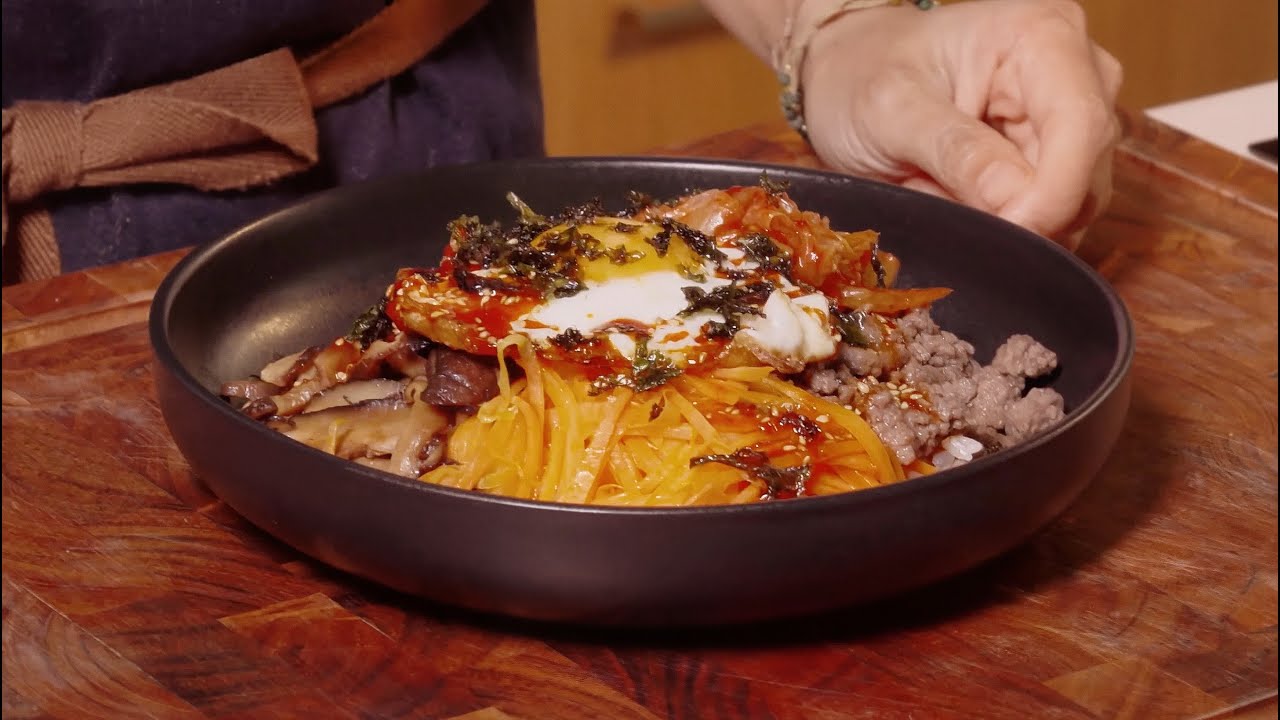
Bibimbap Recipe: Bibimbap is one of the most famous dishes in Korean cuisine. The word bibimbap literally means “mixed rice.” It is a colorful bowl of warm rice topped with sautéed vegetables, protein, egg, and spicy gochujang sauce, all mixed together before eating.
This dish is loved worldwide because it is healthy, customizable, visually beautiful, and incredibly flavorful. Each ingredient brings its own taste and texture, creating a balanced meal in a single bowl.
In this detailed guide, you will learn everything about how to prepare authentic bibimbap from scratch, including ingredients, preparation methods, cooking techniques, and expert tips.
Ingredients You’ll Need
Bibimbap uses simple ingredients, but the magic comes from variety and balance. The dish usually includes rice, vegetables, protein, egg, and a flavorful sauce.
Below is the traditional ingredient list.
Rice Base
Rice is the foundation of bibimbap.
- 2 cups short-grain white rice
- 2 ½ cups water
Short-grain rice is preferred because it is slightly sticky, allowing the ingredients to blend well when mixed.
You can also substitute with:
- Brown rice
- Cauliflower rice (low-carb option)
- Multigrain rice
Protein Options
Traditional bibimbap often uses beef, but you can choose other proteins.
Beef marinade
- 200g thinly sliced beef (ribeye or sirloin)
- 1 tablespoon soy sauce
- 1 teaspoon sesame oil
- 1 teaspoon sugar
- 1 minced garlic clove
- ½ teaspoon black pepper
Alternative proteins:
- Chicken
- Tofu
- Shrimp
- Mushrooms (vegetarian option)
Vegetable Toppings
Vegetables provide color, nutrition, and texture.
Typical vegetables include:
- 1 carrot (julienned)
- 1 zucchini (thinly sliced)
- 1 cup spinach
- 1 cup bean sprouts
- 1 cup shiitake mushrooms
- ½ cucumber (optional)
- 1 tablespoon sesame oil
- Salt to taste
Each vegetable is usually seasoned lightly and cooked separately.
Egg
- 4 eggs (one per bowl)
The egg is typically sunny-side-up, placed on top of the dish.
Bibimbap Sauce (Gochujang Sauce)
The sauce gives bibimbap its signature spicy and savory flavor.
Ingredients:
- 2 tablespoons gochujang (Korean chili paste)
- 1 tablespoon sesame oil
- 1 tablespoon sugar or honey
- 1 tablespoon water
- 1 teaspoon vinegar
- 1 teaspoon minced garlic
Mix until smooth.
Optional Garnishes
To enhance flavor and presentation:
- Sesame seeds
- Seaweed flakes
- Kimchi
- Green onions
Step-by-Step Guide to Making Bibimbap
Making bibimbap may look complicated, but the process becomes easy when broken down into steps.
Step 1 – Cook the Rice
Start by cooking short-grain white rice according to package instructions. Once cooked, keep it warm and fluffy. Rice forms the base of bibimbap.
Step 2 – Prepare the Vegetables
Wash and slice vegetables such as carrots, zucchini, spinach, mushrooms, and bean sprouts. Each vegetable is usually cooked separately to maintain its flavor and color.
Step 3 – Sauté the Vegetables
Heat a small amount of sesame oil in a pan. Lightly sauté each vegetable with a pinch of salt for 1–2 minutes until just tender. Set them aside in separate sections.
Step 4 – Cook the Protein
In the same pan, cook thinly sliced beef, chicken, tofu, or mushrooms with soy sauce, garlic, and sesame oil. Cook until browned and flavorful.
Step 5 – Fry the Egg
Fry an egg in a skillet until the whites are set but the yolk remains slightly runny. This adds richness to the dish.
Step 6 – Assemble the Bowl
Place a generous portion of warm rice in a large bowl. Arrange the cooked vegetables and protein neatly on top in separate sections.
Step 7 – Add Sauce and Egg
Place the fried egg in the center and add a spoonful of gochujang (Korean chili paste) or bibimbap sauce. Drizzle a little sesame oil for extra flavor.
Step 8 – Mix and Serve
Just before eating, mix everything together thoroughly so the rice, vegetables, sauce, and egg combine into a flavorful dish. Serve immediately.
What Makes Bibimbap Special
Bibimbap is special because it represents the balance of Korean cuisine.
The dish includes:
- Protein
- Vegetables
- Carbohydrates
- Healthy fats
- Fermented flavors
It also follows the Korean concept of five colors, representing harmony in food.
These colors include:
- White (rice)
- Green (vegetables)
- Red (gochujang)
- Yellow (egg yolk)
- Black/brown (mushrooms or seaweed)
This balance makes bibimbap both nutritious and visually appealing.
Different Types of Bibimbap
Bibimbap has many regional variations.
Jeonju Bibimbap
Jeonju is famous for its traditional bibimbap.
Features:
- Rich beef broth rice
- High-quality vegetables
- Raw egg yolk topping
It is considered the most authentic version.
Dolsot Bibimbap
This version is served in a hot stone bowl.
The stone bowl creates:
- Crispy rice at the bottom
- A sizzling presentation
Many people consider dolsot bibimbap the most flavorful variation.
Vegetarian Bibimbap
Protein can be replaced with:
- Tofu
- Mushrooms
- Tempeh
The dish remains satisfying and nutritious.
Seafood Bibimbap
Seafood versions may include:
- Shrimp
- Squid
- Crab
This variation adds a fresh ocean flavor.
Health Benefits of Bibimbap
Bibimbap is considered a balanced and healthy meal.
High Nutritional Value
The combination of vegetables provides:
- Vitamins
- Minerals
- Fiber
Balanced Macronutrients
The dish contains:
- Carbohydrates from rice
- Protein from meat or tofu
- Healthy fats from sesame oil
Low in Processed Ingredients
Bibimbap uses fresh whole foods, making it a nutritious choice.
Tips for Making the Best Bibimbap
Follow these tips to elevate your bibimbap.
Use Fresh Vegetables
Fresh ingredients provide the best flavor and texture.
Cook Vegetables Separately
This preserves individual flavors and prevents mushiness.
Don’t Overuse Sauce
Add sauce gradually so the dish doesn’t become overpowering.
Serve Immediately
Bibimbap tastes best when served warm.
Use Sesame Oil Carefully
A small amount provides a strong aroma.
Common Mistakes to Avoid
Even simple dishes can go wrong if not prepared correctly.
Overcooking Vegetables
Vegetables should remain slightly crisp.
Using Cold Rice
Warm rice helps blend flavors.
Skipping the Sauce
The gochujang sauce is essential.
Overcrowding the Bowl
Maintain balance between rice and toppings.
Serving Suggestions
Bibimbap is often served with traditional Korean side dishes.
Popular sides include:
- Kimchi
- Pickled radish
- Korean soup (Doenjang soup)
These sides complement the main dish perfectly.
How to Store Leftovers
If you have leftovers:
- Store components separately in airtight containers
- Refrigerate for up to 3 days
Reheat the rice and vegetables before assembling.
Avoid reheating the egg.
Why Bibimbap Is Popular Worldwide
Bibimbap has become a global favorite because it is:
- Customizable
- Healthy
- Visually attractive
- Flavorful
Many restaurants around the world serve their own variations of this Korean classic.
The dish has also gained popularity due to the global rise of Korean cuisine and culture.
FAQs about Bibimbap Recipe
1. What does Bibimbap mean?
Bibimbap is a Korean word that means “mixed rice.” The dish consists of warm rice topped with vegetables, protein, egg, and a flavorful chili sauce, all mixed together before eating.
2. What rice is best for Bibimbap?
Short-grain white rice is the traditional choice because it is slightly sticky and holds the ingredients together well. Brown rice can also be used for a healthier option.
3. Is Bibimbap always served with meat?
No. While beef is commonly used, Bibimbap can easily be vegetarian or vegan. Tofu, mushrooms, or extra vegetables can replace meat.
4. What sauce is used in Bibimbap?
The most common sauce is gochujang, a Korean fermented chili paste. It adds spice, sweetness, and depth to the dish. Some people mix it with sesame oil, sugar, and vinegar to make a smoother sauce.
5. Can I customize the vegetables?
Yes. Bibimbap is very flexible. Common vegetables include carrots, spinach, zucchini, bean sprouts, and mushrooms, but you can add cucumbers, cabbage, or radish as well.
6. What is dolsot Bibimbap?
Dolsot Bibimbap is served in a hot stone bowl. The heat crisps the rice at the bottom, creating a delicious crunchy texture.
7. Can Bibimbap be made ahead of time?
The vegetables and protein can be prepared in advance, but the dish is best assembled fresh so the rice stays warm and the egg remains perfectly cooked.
Final Thoughts
Bibimbap is more than just a rice bowl—it is a symbol of balance, nutrition, and creativity in Korean cooking.
Its beauty lies in its simplicity. By combining fresh vegetables, protein, rice, and spicy sauce, you create a dish that is deeply satisfying and full of flavor.
Whether you enjoy traditional beef bibimbap, vegetarian versions, or sizzling stone-bowl styles, mastering this recipe allows you to experience one of Korea’s most beloved culinary traditions right at home.
Once you try making it yourself, you’ll see why bibimbap remains one of the most iconic and celebrated dishes in Korean cuisine.