Beurre Blanc Sauce Recipe: Beurre Blanc is one of the most elegant and refined sauces in classical French cuisine. Rich, silky, and delicately balanced between acidity and butteriness, this sauce elevates everything from seafood to poultry and vegetables. If you’ve ever enjoyed a perfectly seared fish topped with a glossy, creamy white sauce, chances are you’ve tasted this French masterpiece.
In this comprehensive guide, you’ll learn everything about Beurre Blanc — from its origins and ingredients to the precise technique professionals use to achieve that velvety texture every single time.
What Is Beurre Blanc Sauce?
Beurre Blanc (French for “white butter”) is a warm emulsified butter sauce made by reducing vinegar and/or white wine with shallots, then whisking in cold butter to create a smooth, creamy consistency. Unlike heavy cream-based sauces, Beurre Blanc relies purely on butter emulsification for its body.
It is:
- Silky and smooth
- Tangy yet rich
- Light in texture
- Perfect for seafood
The History of Beurre Blanc
Beurre Blanc originated in the Loire Valley of France in the late 19th century. It was traditionally served with freshwater fish like pike. The sauce became famous for its simplicity and elegance — using only a handful of ingredients to create something extraordinary.
Today, it remains a foundational sauce in professional kitchens worldwide.
Ingredients You’ll Need
The beauty of Beurre Blanc lies in its simplicity. However, quality matters tremendously. Each ingredient plays a critical role in flavor and texture.
Core Ingredients
1. Unsalted Butter (1 cup / 225g)
- Must be cold
- Cut into small cubes
- Use high-quality European-style butter for best results
2. Dry White Wine (½ cup)
- Sauvignon Blanc, Pinot Grigio, or Muscadet work beautifully
- Avoid sweet wines
3. White Wine Vinegar (2 tablespoons)
- Adds essential acidity
- Can substitute with champagne vinegar
4. Shallots (2 tablespoons finely minced)
- Essential aromatic base
- Provides subtle sweetness
5. Heavy Cream (Optional – 1 tablespoon)
- Helps stabilize sauce
- Not traditional but recommended for beginners
6. Salt (to taste)
7. White Pepper (optional)
Optional Flavor Enhancers
- Fresh lemon juice (few drops)
- Fresh herbs (tarragon, chives, dill)
- Fish stock (small splash)
- Orange zest (for citrus variation)
Step-by-Step Guide to Making Beurre Blanc Sauce
Precision and technique are everything when making Beurre Blanc. Follow this professional method carefully.
Step 1 – Prepare the Reduction
In a small saucepan, combine finely chopped shallots, white wine, and a splash of white wine vinegar. Place over medium heat and simmer until the liquid reduces to about 2–3 tablespoons. This concentrated reduction builds the sauce’s signature tangy depth.
Step 2 – Lower the Heat
Once reduced, lower the heat to very low. Beurre Blanc is an emulsified butter sauce, so keeping the temperature gentle prevents it from separating.
Step 3 – Add Cold Butter Gradually
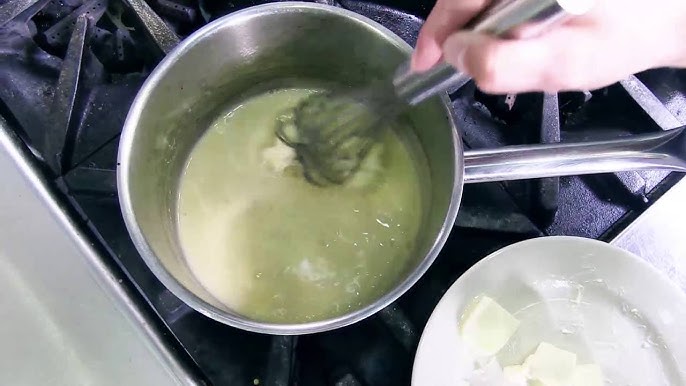
Cut cold unsalted butter into small cubes. Whisk in one cube at a time, allowing each piece to melt slowly before adding the next. Continuous whisking helps create a smooth, creamy emulsion.
Step 4 – Maintain Emulsion
As you continue adding butter, the sauce will thicken and turn pale, glossy, and velvety. Keep the heat low and whisk steadily. Do not let the sauce boil.
Step 5 – Season Carefully
Once all the butter is incorporated, season with salt and a pinch of white pepper. Taste and adjust acidity if needed.
Step 6 – Strain (Optional)
For a refined texture, strain the sauce through a fine sieve to remove the shallots. This step is optional but gives a smoother finish.
Step 7 – Serve Immediately
Beurre Blanc is best served fresh and warm. Spoon it over fish, seafood, chicken, or vegetables. Avoid reheating at high temperatures, as the sauce may break.
Understanding Emulsification: Why Technique Matters
Beurre Blanc is an emulsified sauce, meaning fat (butter) is suspended in liquid (wine reduction). If temperature is too high, the emulsion breaks, separating into butterfat and liquid.
Key Rules:
- Keep heat low
- Add butter gradually
- Whisk constantly
- Use cold butter
Common Mistakes and How to Avoid Them
1. Sauce Breaks
Cause: Too much heat.
Fix: Whisk in 1 tablespoon cold water off heat.
2. Too Thin
Cause: Insufficient reduction.
Fix: Reduce liquid further next time.
3. Too Thick
Add splash warm water or stock.
4. Too Sour
Add more butter.
Professional Chef Tips
- Swirl pan instead of whisking if confident.
- Keep sauce between 120–140°F.
- Do not reheat directly on high heat.
- Use heavy-bottomed saucepan.
Flavor Variations
Lemon Beurre Blanc
Add fresh lemon juice at end.
Orange Beurre Blanc
Use orange juice reduction.
Herb Beurre Blanc
Stir in chopped tarragon or chives.
Capers Version
Add rinsed capers for briny touch.
Champagne Beurre Blanc
Replace wine with champagne.
What to Serve with Beurre Blanc
Beurre Blanc pairs beautifully with:
- Seared salmon
- Grilled sea bass
- Poached cod
- Scallops
- Shrimp
- Lobster
- Roasted asparagus
- Steamed green beans
- Chicken breast
Storage and Reheating
Beurre Blanc is best fresh.
If storing:
- Refrigerate up to 2 days.
- Reheat gently over double boiler.
- Whisk constantly.
Do NOT microwave.
Make-Ahead Strategy for Restaurants
Professional kitchens:
- Prepare reduction ahead of time.
- Finish with butter à la minute.
This ensures fresh emulsion.
Is Beurre Blanc Healthy?
It is butter-based, so it’s rich in fat. However:
- No flour
- No starch
- Low carb
- Keto-friendly
Use moderately.
Why This Is the Best Beurre Blanc Recipe
This method:
- Uses professional technique
- Ensures stable emulsion
- Maintains classic French authenticity
- Works for beginners and chefs alike
- Offers flexibility for variations
FAQs about Beurre Blanc Sauce Recipe
1. What is Beurre Blanc?
Beurre Blanc is a classic French butter sauce made by emulsifying cold butter into a reduction of white wine, vinegar, and shallots. It’s known for its smooth, velvety texture and delicate tangy flavor.
2. Why did my Beurre Blanc separate?
The sauce usually breaks if it becomes too hot or if the butter is added too quickly. Keep the heat very low and whisk in cold butter gradually to maintain a stable emulsion.
3. Can I make Beurre Blanc ahead of time?
It’s best served immediately. However, you can prepare the wine reduction in advance and refrigerate it. When ready to serve, gently reheat the reduction and whisk in fresh cold butter.
4. Can I reheat Beurre Blanc?
Reheating is tricky because high heat can cause separation. If needed, warm it very gently over low heat while whisking continuously.
5. What can I serve with Beurre Blanc?
It pairs beautifully with fish, shrimp, scallops, chicken, and steamed vegetables. It’s especially popular with poached or grilled seafood.
6. Can I add flavors to Beurre Blanc?
Yes. You can enhance it with fresh herbs, citrus zest, capers, or a splash of cream for added stability and richness.
7. Is Beurre Blanc gluten-free?
Yes. Traditional Beurre Blanc contains no flour or gluten-based ingredients, making it naturally gluten-free.
Final Thoughts
Mastering Beurre Blanc is a culinary milestone. It teaches precision, patience, and respect for temperature control. Once you understand how butter emulsifies with reduction, you unlock one of the most elegant sauces in French cuisine.
Whether you’re preparing an elegant dinner at home or aiming for restaurant-level presentation, this Beurre Blanc sauce will elevate your cooking instantly.
Rich. Silky. Balanced. Professional.
Now you know exactly how to make it — step by step.