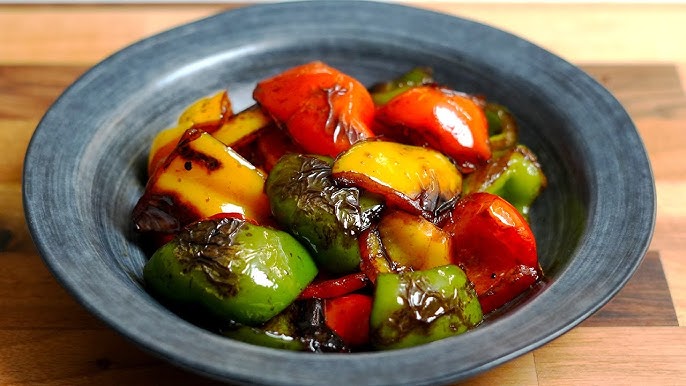
Sautéed Bell Peppers Recipe: If there’s one vegetable that instantly upgrades a meal, it’s bell peppers. Bright, colorful, slightly sweet, and beautifully tender when cooked right — sautéed bell peppers are like confetti for your plate. They bring life, flavor, and texture to almost anything.
Think about it. Tacos? Better with peppers. Pasta? Absolutely. Sandwiches? Next level.
They’re simple, yes. But simple doesn’t mean boring.
Flavor, Texture, and Versatility
When sautéed correctly, bell peppers become soft yet slightly crisp, with caramelized edges that taste subtly sweet. It’s like they transform from crunchy garden vegetables into silky ribbons of flavor.
And the best part? They play well with almost everything.
Nutritional Benefits of Bell Peppers
Bell peppers are loaded with vitamin C — more than oranges, surprisingly. They also contain antioxidants, fiber, and essential nutrients that support immunity and skin health.
So yes, they taste amazing. But they’re also doing your body a favor.
Choosing the Best Bell Peppers
Not all peppers are created equal. The color matters. The firmness matters. Even the shine matters.
Color Differences Explained
Bell peppers change flavor as they ripen.
Red vs Yellow vs Green vs Orange
- Green peppers: Slightly bitter, grassy flavor.
- Yellow peppers: Mild and sweet.
- Orange peppers: Sweeter and fruity.
- Red peppers: Fully ripened, sweetest and richest.
If you want sweetness and color contrast, mix them. It’s like painting with vegetables.
How to Pick Fresh Peppers at the Store
Look for:
- Firm skin
- Bright color
- Smooth surface
- No wrinkles or soft spots
Heavy peppers usually mean they’re juicy and fresh.
Ingredients You’ll Need
Let’s keep it simple.
Core Ingredients
- 3–4 bell peppers (mixed colors recommended)
- 1–2 tablespoons olive oil
- ½ teaspoon salt (adjust to taste)
- ¼ teaspoon black pepper
Optional Add-Ins for Extra Flavor
- 2 cloves garlic (minced)
- ½ sliced onion
- Red pepper flakes
- Italian seasoning
- Lemon juice
- Fresh herbs (parsley or basil)
These extras take your peppers from “good” to “restaurant-quality.”
Tools You’ll Need
Best Pan for Sautéing
Use a large skillet — stainless steel or cast iron works best. Non-stick is fine too, but you won’t get the same caramelization.
A wide pan prevents overcrowding. Space equals browning.
Knife Skills Matter
Slice evenly. If one piece is thick and another thin, they won’t cook evenly. Aim for strips about ¼ inch thick.
Uniform slices = uniform cooking.
Step-by-Step Guide to Making Sautéed Bell Peppers
Step 1 – Wash and Prep
Rinse the bell peppers thoroughly under cold water to remove any dirt. Pat them dry with a clean towel. Remove the stems, cut the peppers in half, and scoop out the seeds and white membranes.
Step 2 – Slice Evenly
Place the cleaned pepper halves flat on a cutting board and slice them into even strips. Keeping the slices uniform ensures they cook at the same rate and gives the dish a neat appearance.
Step 3 – Heat the Pan Properly
Place a large skillet over medium to medium-high heat. Allow the pan to heat for about 1–2 minutes before adding any ingredients. A properly heated pan helps achieve a slight char and prevents sogginess.
Step 4 – Add Oil and Aromatics
Add 1–2 tablespoons of olive oil to the hot pan. Once shimmering, add minced garlic or sliced onions if desired. Sauté the aromatics for about 30 seconds to 1 minute until fragrant.
Step 5 – Add Bell Peppers
Add the sliced bell peppers to the pan in a single layer if possible. Avoid overcrowding, as this can cause steaming instead of sautéing.
Step 6 – Season and Stir
Season with salt, black pepper, and optional spices like paprika or chili flakes. Stir occasionally to ensure even cooking while allowing some pieces to lightly caramelize.
Step 7 – Cook to Desired Texture
Cook for 5–8 minutes, depending on your preference. For crisp-tender peppers, cook for about 5 minutes. For softer, more caramelized peppers, cook a bit longer.
Step 8 – Finish and Serve
Remove from heat and add a splash of lemon juice or balsamic vinegar for brightness. Serve warm as a side dish, in sandwiches, wraps, or alongside grilled meats.
Pro Tips for Perfect Texture
Avoid Overcrowding
Crowded peppers steam instead of sauté. If needed, cook in batches.
High Heat vs Medium Heat
Medium-high heat works best. Too low? Mushy. Too high? Burnt edges, raw centers.
Balance is everything.
Flavor Variations
Garlic Butter Version
Replace olive oil with butter. Add extra garlic. Finish with parsley.
Rich, comforting, irresistible.
Italian-Style Peppers
Add oregano, basil, and sliced onions. Perfect for pasta or sausage sandwiches.
Spicy Mexican-Inspired Version
Add cumin, chili powder, and lime juice. Great for fajitas.
Asian Stir-Fry Style
Add soy sauce, sesame oil, and ginger. Serve over rice.
Serving Suggestions
As a Side Dish
Serve next to grilled chicken, steak, or fish.
In Sandwiches and Wraps
Layer into paninis or wraps for color and sweetness.
Over Pasta or Rice
Mix into creamy pasta or fluffy rice bowls.
With Grilled Meat or Fish
The sweetness balances smoky flavors beautifully.
Storage and Reheating Tips
Store in airtight container for up to 4 days.
Reheat in skillet for best texture. Microwave works, but may soften them further.
Avoid freezing — texture changes significantly.
Common Mistakes to Avoid
- Not preheating the pan
- Using too much oil
- Overcooking
- Overcrowding
- Cutting uneven slices
Each mistake affects texture.
Health Benefits of Bell Peppers
Bell peppers support:
- Immune system
- Eye health
- Skin health
- Heart health
They’re low in calories and high in antioxidants. A true powerhouse vegetable.
FAQs about Sautéed Bell Peppers Recipe
1. Can I sauté frozen bell peppers?
Yes, you can use frozen bell peppers, but keep in mind they will have a softer texture compared to fresh ones. For better results, thaw them first and drain any excess water. This helps prevent steaming and allows them to sauté properly.
2. How do I keep them slightly crunchy?
To maintain a crisp-tender texture, cook the peppers for only 4–5 minutes over medium-high heat. Avoid over-stirring, as constant movement can prevent light caramelization and soften them too much.
3. Can I meal prep sautéed bell peppers?
Absolutely. Sautéed bell peppers store well in the refrigerator for up to 3–4 days in an airtight container. For best texture, reheat them quickly in a skillet rather than the microwave.
4. What oil works best?
Olive oil is a popular choice because it adds flavor and handles medium-high heat well. Avocado oil is another excellent option due to its high smoke point and neutral taste.
5. Can I add protein directly to the pan?
Yes, you can. For best results, cook the protein first and remove it from the pan. Sauté the peppers separately, then combine everything at the end to keep both components perfectly cooked.
Conclusion
Sautéed bell peppers may look simple, but when cooked correctly, they become something special. Sweet, vibrant, and endlessly versatile, they elevate everything from tacos to pasta.
Once you master this method, you’ll find yourself adding them to everything.
Simple ingredients. Proper heat. Perfect results.