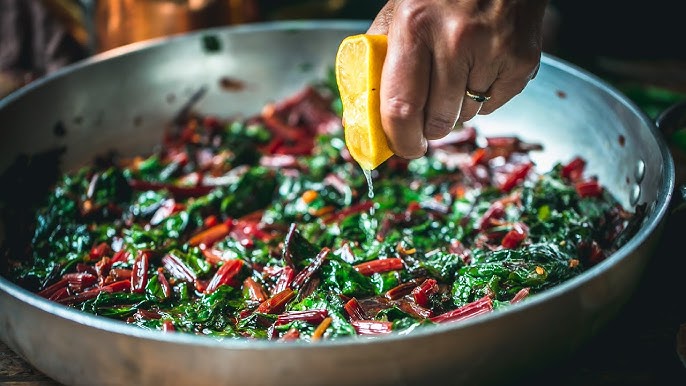
Beets Beet Greens Recipe: Beets are often praised for their vibrant color and earthy sweetness. But here’s the secret most people overlook: the greens attached to those beets are just as valuable—if not more. Throwing them away is like buying a two-piece suit and wearing only the jacket.
Beets and beet greens together create a balanced dish. The roots bring sweetness and depth, while the greens add a slightly bitter, spinach-like bite. When cooked properly, they complement each other beautifully.
Why You Should Never Throw Away Beet Greens
Beet greens are packed with nutrients and flavor. They’re tender when sautéed and add a wonderful contrast to roasted beets. Waste less. Eat more. Win-win.
Flavor Profile and Cooking Potential
Beets taste earthy and slightly sweet. Beet greens taste similar to Swiss chard or spinach but with a mild peppery edge. Together? A perfect harmony.
Health Benefits of Beets and Beet Greens
If food could double as medicine, beets would be at the top of the list.
Nutritional Value of Beets
Beets are rich in:
- Fiber
- Folate
- Manganese
- Potassium
- Natural nitrates
They support heart health and may improve blood flow.
Nutritional Value of Beet Greens
Beet greens contain:
- Vitamin A
- Vitamin C
- Vitamin K
- Iron
- Calcium
Vitamins and Minerals Breakdown
Beet greens actually contain more iron than spinach. Yes, more. That alone should convince you to stop tossing them.
Ingredients You’ll Need
Main Ingredients
- 4 medium fresh beets with greens attached
- 2 tablespoons olive oil
- 3 cloves garlic, minced
- 1 small onion, diced
- Salt to taste
- Black pepper to taste
- 1 tablespoon lemon juice
Optional Add-ins for Flavor Boost
- Red pepper flakes
- Parmesan cheese
- Feta cheese
- Balsamic glaze
- Butter (for richness)
Kitchen Tools Required
Essential Tools
- Sharp knife
- Cutting board
- Large skillet
- Baking tray
- Aluminum foil
Optional Equipment
- Vegetable peeler
- Salad spinner
Step-by-Step Guide to Cooking Beets & Beet Greens
Step 1 – Wash and Prep the Beets
Rinse the beets thoroughly under cold running water to remove dirt. Trim off the stems and root ends, but leave a small portion attached to prevent excessive bleeding during cooking. Scrub gently with a vegetable brush if needed.
Step 2 – Separate the Greens
Cut the leafy tops (beet greens) away from the beet bulbs. Keep them separate because they cook much faster than the roots. Set the greens aside for later preparation.
Step 3 – Roast or Boil the Beets
For roasting, wrap the beets in foil with a drizzle of olive oil and roast at 400°F (200°C) for 40–60 minutes until fork-tender. For boiling, place them in a pot of water and cook for 30–45 minutes until soft. Once cooked, allow them to cool slightly and peel off the skins.
Step 4 – Chop and Prepare the Greens
Rinse the beet greens thoroughly, as they may hold dirt. Chop the leaves into bite-sized pieces and slice the stems thinly. The stems can be cooked first since they are firmer.
Step 5 – Sauté Aromatics
Heat olive oil or butter in a skillet over medium heat. Add minced garlic and chopped onions, cooking for 2–3 minutes until fragrant and softened.
Step 6 – Cook the Beet Greens
Add the chopped stems first and sauté for 2 minutes. Then add the leafy greens and cook for another 3–5 minutes until wilted and tender. Season with salt and pepper.
Step 7 – Combine and Finish
Slice or cube the cooked beets and serve alongside the sautéed greens. You can drizzle with lemon juice or sprinkle with feta cheese for added flavor. Serve warm or at room temperature.
Flavor Variations
Mediterranean Style
Add olives, feta, and a splash of red wine vinegar.
Garlic Butter Version
Swap olive oil for butter. Add extra garlic.
Vegan & Dairy-Free Option
Use nutritional yeast for cheesy flavor.
Storage and Reheating Tips
Refrigeration
Store in airtight container up to 4 days.
Freezing
Freeze cooked beets separately from greens for best texture.
Serving Suggestions
As a Side Dish
Perfect next to grilled chicken or salmon.
In Grain Bowls
Add quinoa or brown rice.
With Protein
Pair with roasted tofu or steak.
Common Mistakes to Avoid
- Overcooking greens (they turn mushy)
- Not washing thoroughly
- Skipping seasoning
- Throwing away stems
FAQs about Beets Beet Greens Recipe
1. Can I eat beet greens raw?
Yes, beet greens can be eaten raw and added to salads or smoothies. They have a slightly earthy flavor similar to spinach. However, cooking them makes the texture softer and the taste milder, which many people prefer.
2. Do beet greens taste bitter?
Beet greens can have a mild bitterness, especially when raw. Light sautéing or steaming helps soften that bitterness and enhances their natural flavor. Adding a splash of lemon juice can also balance the taste.
3. How do I prevent staining from beets?
Beets release a strong natural pigment that can stain hands and surfaces. Wear gloves while handling them and wipe down cutting boards and countertops immediately after use to prevent permanent stains.
4. Can I use canned beets?
Fresh beets provide the best texture and flavor, but canned beets can be used if you’re short on time. Just drain and rinse them before use to remove excess liquid.
5. Are beet greens healthier than the roots?
Both are highly nutritious, but beet greens contain higher levels of vitamins A and K. Including both in your meals offers a wider range of nutrients and health benefits.
Conclusion
Beets and beet greens truly are a powerhouse duo—earthy, vibrant, nutritious, and incredibly versatile in the kitchen. By cooking both the roots and the greens, you reduce waste while maximizing flavor and nutrients.
The natural sweetness of roasted or boiled beets pairs beautifully with the tender, slightly savory greens, creating a balanced and satisfying dish. Whether served as a simple side, added to salads, or paired with grains and proteins, this combination elevates everyday meals with color and depth.
Once you master this recipe, you’ll never see beet tops as scraps again—only as delicious potential.