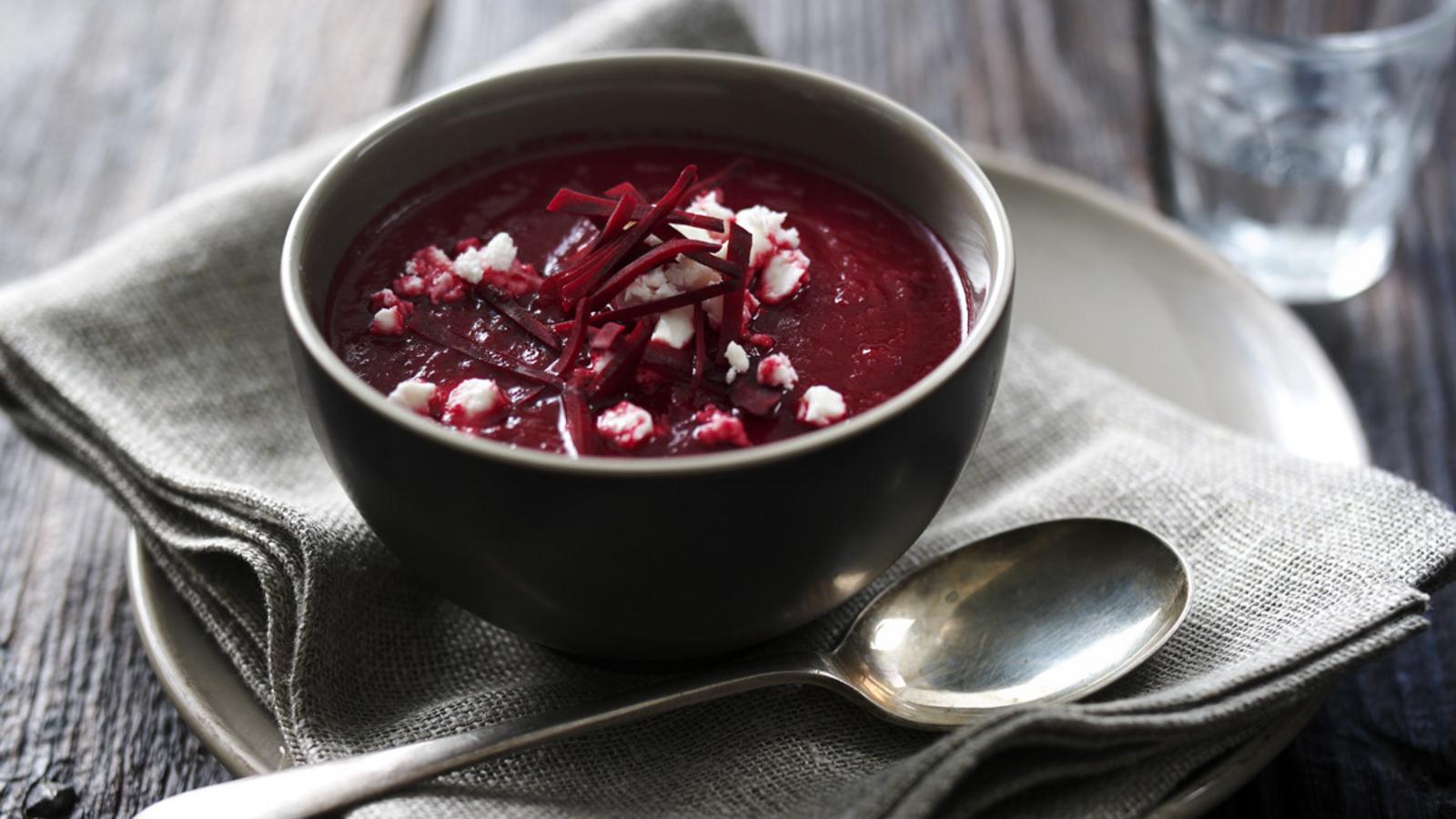
Beetroot Soup Recipe: Beetroot soup is bold. It’s vibrant. It’s the kind of dish that turns heads the moment it hits the table. That deep ruby color? Pure drama. But beyond the beauty lies something even better—flavor and nourishment in one bowl.
If you’ve ever tasted beetroot soup, you know it’s earthy, slightly sweet, and incredibly comforting. It’s like wrapping yourself in a warm blanket on a cold evening. And the best part? It’s surprisingly easy to make.
Let’s break it down step by step.
Why Beetroot Soup Is So Popular
Beetroot soup has been loved for centuries, especially in Eastern European cuisine. It’s filling yet light. Simple yet elegant. Affordable yet impressive.
People love it because:
- It’s nutritious.
- It’s naturally sweet.
- It looks stunning.
- It can be made creamy or light.
It’s the kind of recipe that feels gourmet—but is actually beginner-friendly.
Health Benefits of Beetroot Soup
Nutritional Value of Beetroot
Beetroot is packed with:
- Fiber
- Vitamin C
- Folate
- Potassium
- Antioxidants
It’s low in calories but rich in nutrients. That’s a rare combination.
Benefits for Heart Health
Beets contain nitrates that help improve blood flow and may lower blood pressure. Think of them as tiny helpers for your arteries.
Benefits for Digestion
Thanks to fiber, beetroot supports a healthy digestive system. It keeps things moving smoothly.
Immune-Boosting Properties
With antioxidants and vitamin C, beetroot helps strengthen your immune system. One bowl can do more than just warm you up—it supports your overall health.
Ingredients You’ll Need
Core Ingredients
- 4 medium fresh beetroots
- 1 medium onion
- 2 cloves garlic
- 1 medium carrot
- 1 medium potato
- 4 cups vegetable or chicken broth
- 2 tablespoons olive oil
- Salt to taste
- Black pepper to taste
Optional Add-Ins for Extra Flavor
Creamy Additions
- Heavy cream
- Greek yogurt
- Coconut milk
Herbal Enhancements
- Fresh dill
- Parsley
- Thyme
These extras elevate the soup from simple to restaurant-level.
Kitchen Tools Required
- Sharp knife
- Cutting board
- Large pot
- Blender (immersion or countertop)
- Ladle
Nothing fancy. Just basic kitchen essentials.
How to Choose Fresh Beetroot
Pick beets that are:
- Firm
- Smooth
- Deep in color
- Free from soft spots
If the greens are attached and look fresh, that’s a bonus—it means they were recently harvested.
Preparing the Beetroot Properly
Washing and Peeling
Rinse thoroughly under running water. Peel using a vegetable peeler. Be careful—beetroot stains easily.
Tip: Wear gloves if you don’t want pink hands.
Cutting Techniques
Dice into small cubes for faster cooking. Uniform pieces ensure even cooking.
Step-by-Step Guide to Making Beetroot Soup
Step 1 – Prepare the Ingredients
Wash and peel fresh beetroot, then chop it into small cubes for even cooking. Prepare additional vegetables such as onions, garlic, carrots, and potatoes. Having everything chopped and ready makes the cooking process smooth and efficient.
Step 2 – Sauté Aromatics
Heat a tablespoon of olive oil or butter in a large pot over medium heat. Add chopped onions and cook for 3–4 minutes until soft and translucent. Stir in minced garlic and cook for another 30 seconds until fragrant. This creates a flavorful base.
Step 3 – Add Beetroot and Vegetables
Add the chopped beetroot, carrots, and potatoes to the pot. Stir well to coat them with the aromatics. Let them cook together for 2–3 minutes to slightly soften and enhance flavor.
Step 4 – Pour in Broth and Simmer
Pour in enough vegetable or chicken broth to fully cover the vegetables. Bring the mixture to a gentle boil, then reduce heat and simmer for 25–35 minutes, or until the beetroot and potatoes are tender.
Step 5 – Blend the Soup
Once the vegetables are soft, remove the pot from heat. Use an immersion blender to blend the soup until smooth and creamy. Alternatively, carefully transfer to a countertop blender in batches.
Step 6 – Adjust Seasoning
Return the soup to low heat and season with salt, black pepper, and a splash of lemon juice or vinegar to brighten the flavor. Adjust to taste.
Step 7 – Garnish and Serve
Serve hot, garnished with a swirl of cream or yogurt and fresh herbs like parsley or dill. Enjoy with crusty bread for a comforting meal.
Variations of Beetroot Soup
Creamy Beetroot Soup
Add ½ cup cream before blending. It creates a luxurious texture.
Vegan Beetroot Soup
Use vegetable broth and coconut milk instead of cream.
Spiced Beetroot Soup
Add cumin, ginger, or paprika for warmth.
Small tweaks. Big impact.
Tips for Perfect Beetroot Soup
- Roast beetroot before boiling for deeper flavor.
- Add apple for natural sweetness.
- Blend longer for ultra-smooth texture.
- Balance sweetness with acidity.
Think of it like adjusting music volume—small changes make a big difference.
Storage and Reheating Instructions
Store in an airtight container in the fridge for up to 4 days.
Freeze for up to 3 months.
Reheat gently on the stove. Add a splash of broth if too thick.
Common Mistakes to Avoid
- Overcooking until flavor dulls
- Under-seasoning
- Not blending properly
- Skipping acid (like lemon or vinegar)
Balance is everything.
Serving Suggestions
Serve with:
- Garlic bread
- Grilled cheese sandwich
- Toasted sourdough
You can even chill it and serve cold during summer.
FAQs about Beetroot Soup Recipe
1. Can I roast beetroot before making soup?
Yes, roasting beetroot before adding it to soup enhances its natural sweetness and creates a deeper, richer flavor. Simply toss the chopped beetroot with a little oil and roast at 400°F (200°C) until tender before adding it to your pot.
2. Can I make beetroot soup without potato?
Absolutely. While potato adds thickness and creaminess, it is not essential. You can omit it entirely or substitute with cauliflower for a lighter, lower-carb option while still achieving a smooth texture.
3. Why is my beetroot soup too sweet?
Beetroot is naturally sweet, especially when cooked. To balance the flavor, add a splash of lemon juice or vinegar. A small pinch of salt can also help reduce excessive sweetness and enhance overall flavor.
4. Can I make this soup ahead of time?
Yes, beetroot soup stores well and often tastes better the next day. As it rests, the flavors blend and deepen. Store in the refrigerator and reheat gently before serving.
5. How do I prevent beetroot stains while cooking?
Beetroot can stain hands and surfaces easily. Wear gloves while handling it and wipe down countertops immediately after contact. Cleaning promptly helps prevent permanent stains.
Conclusion
Beetroot soup is more than just a recipe. It’s a statement. It’s vibrant, nourishing, and incredibly satisfying. Whether you prefer it creamy, spicy, or vegan, this step-by-step guide gives you everything you need to create a perfect bowl every time.
Simple ingredients. Powerful flavor. Beautiful color.
Now it’s your turn—grab those beets and start cooking.