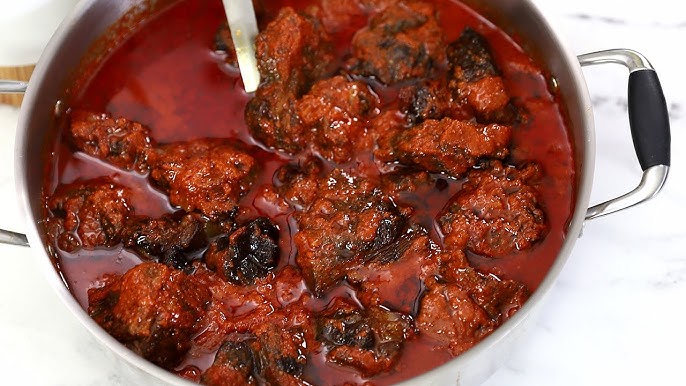
Beef Stew Seasoning Recipe: When it comes to comfort food, nothing beats a rich, hearty beef stew. But here’s the truth most people overlook: the magic isn’t just in the meat — it’s in the seasoning. A perfectly balanced beef stew seasoning transforms ordinary ingredients into a deep, savory, soul-warming masterpiece.
In this comprehensive guide, you’ll learn how to create a homemade beef stew seasoning blend from scratch, why each ingredient matters, how to customize it, storage tips, and exactly how to use it for maximum flavor.
Let’s build flavor the right way.
Why Homemade Beef Stew Seasoning Is Better Than Store-Bought
Store-bought seasoning blends are convenient, but they often contain:
- Excess sodium
- Preservatives
- Artificial flavor enhancers
- Fillers and anti-caking agents
When you make your own blend:
- You control the salt level
- You avoid additives
- You adjust flavor intensity
- You save money long-term
- You get fresher, stronger flavor
Think of it like tailoring a suit instead of buying one off the rack — it simply fits better.
Ingredients You’ll Need
Below is the foundational blend for a classic, balanced beef stew seasoning.
Core Ingredients (Essential Base)
- 2 tablespoons paprika
- 1 tablespoon garlic powder
- 1 tablespoon onion powder
- 2 teaspoons dried thyme
- 2 teaspoons dried rosemary (crushed)
- 1 teaspoon dried oregano
- 1 teaspoon ground black pepper
- 1 teaspoon salt (adjust to taste)
- 1 teaspoon dried parsley
- ½ teaspoon ground bay leaf (or crushed dried bay leaves)
Optional Flavor Boosters (For Depth & Complexity)
- ½ teaspoon smoked paprika (for smokiness)
- ½ teaspoon crushed red pepper flakes (for mild heat)
- 1 teaspoon brown sugar (balances acidity)
- ½ teaspoon celery seed
- ½ teaspoon mustard powder
- ½ teaspoon ground cumin (adds warmth)
These additions allow you to personalize your blend depending on your stew style.
Understanding Each Ingredient (Why It Matters)
A seasoning blend isn’t random. Each ingredient plays a strategic role.
Paprika – The Foundation
Paprika adds:
- Mild sweetness
- Rich color
- Subtle warmth
It forms the backbone of the seasoning.
Garlic & Onion Powder – The Aromatic Duo
These two provide:
- Savory depth
- Umami enhancement
- Rounded flavor
They dissolve evenly in broth, unlike fresh aromatics which can sometimes overpower.
Thyme & Rosemary – The Herb Structure
These herbs bring:
- Earthiness
- Classic stew aroma
- Long-simmer compatibility
Rosemary must be crushed to avoid woody texture.
Oregano – The Balance Agent
Oregano adds a slightly peppery bitterness that balances the sweetness of carrots and onions in stew.
Black Pepper – The Heat Base
Pepper delivers warmth without spice overload. Freshly ground works best.
Bay Leaf – The Secret Depth Builder
Bay leaf creates background complexity. You won’t taste it directly — but remove it, and something feels missing.
Step-by-Step Guide to Making Beef Stew Seasoning
Let’s walk through this properly.
Step 1 – Gather Your Base Spices
Start with the essential dry ingredients: salt, black pepper, paprika, garlic powder, and onion powder. These form the flavorful foundation of your beef stew seasoning.
Step 2 – Add Herbal Notes
Include dried thyme, rosemary, and bay leaf (crushed finely). These herbs add depth and that classic, comforting stew aroma. Make sure the herbs are fresh and not stale for the best flavor.
Step 3 – Enhance with Savory Boosters
Add a small amount of ground celery seed and a pinch of cayenne pepper (optional) for subtle heat. You can also mix in a little brown sugar to balance flavors if desired.
Step 4 – Measure Precisely
Use measuring spoons to maintain balance. A simple ratio could be:
- 1 tablespoon paprika
- 1 teaspoon garlic powder
- 1 teaspoon onion powder
- 1 teaspoon dried thyme
- ½ teaspoon rosemary
- 1 teaspoon salt
- ½ teaspoon black pepper
Adjust quantities based on taste preference.
Step 5 – Mix Thoroughly
Combine all ingredients in a clean, dry bowl. Stir well until evenly blended. Breaking up any herb clumps ensures consistent flavor in every spoonful.
Step 6 – Store Properly
Transfer the seasoning mix to an airtight jar. Store in a cool, dry place away from sunlight. Properly stored, it will stay fresh for up to 6 months.
Use 1–2 tablespoons of this seasoning per batch of beef stew for rich, balanced flavor.
How to Use Beef Stew Seasoning Properly
Making the blend is one thing. Using it correctly is another.
For 1 kg (2 lbs) of Beef:
Use 1½ to 2 tablespoons of seasoning.
Application Method
Method 1 – Direct Meat Coating
- Pat beef dry.
- Toss cubes with seasoning.
- Sear in hot oil before adding liquid.
This creates a flavor crust.
Method 2 – Add to Broth
Add seasoning directly into broth during simmering for gradual infusion.
Method 3 – Combined Technique (Best Results)
- Coat meat before searing.
- Add extra ½ tablespoon into broth.
Layered seasoning equals layered flavor.
Custom Variations of Beef Stew Seasoning
Different cuisines require different twists.
Classic American Style
Stick to base ingredients. Balanced and hearty.
Spicy Southern Style
Add:
- Extra black pepper
- Cayenne
- Smoked paprika
French-Inspired Herb Blend
Increase:
- Thyme
- Bay leaf
- Parsley
Reduce paprika slightly.
Smoky Rustic Style
Add:
- Chipotle powder
- Smoked paprika
- Ground coriander
Common Mistakes to Avoid
Over-Salting
Remember: broth may already contain salt.
Too Much Rosemary
Rosemary is powerful. Too much makes stew taste medicinal.
Skipping Searing
Seasoning blooms when heated in fat.
Using Old Spices
If your spices smell dull, your stew will taste dull.
Health Benefits of Homemade Seasoning
Many herbs in this blend offer health advantages:
- Garlic powder supports immune health
- Thyme has antibacterial properties
- Rosemary contains antioxidants
- Black pepper aids digestion
By controlling sodium, you make your stew heart-healthier.
Batch Scaling Guide
Want to make bulk seasoning?
Small Batch (5 Uses)
Multiply base recipe by 5.
Family Batch (10 Uses)
Multiply by 10.
Commercial Batch
Weigh ingredients in grams for accuracy.
Pairing Your Seasoning with Ingredients
Great seasoning shines when paired correctly.
Best vegetables for this blend:
- Carrots
- Potatoes
- Celery
- Mushrooms
- Peas
Best beef cuts:
- Chuck roast
- Brisket
- Short ribs
How to Store for Long-Term Freshness
- Keep away from moisture.
- Avoid direct sunlight.
- Do not store above stove.
For extended storage, vacuum-seal.
Make It Gluten-Free, Keto, or Low-Sodium
- Omit sugar for keto.
- Reduce salt for low-sodium.
- Avoid pre-mixed spice blends with fillers for gluten-free safety.
Pro Chef Tips for Maximum Flavor
- Toast spices lightly in dry pan before blending.
- Add a splash of Worcestershire sauce in stew.
- Deglaze pan after searing meat.
- Finish stew with fresh herbs for brightness.
Think of seasoning as architecture — build the base, strengthen the structure, then polish the finish.
FAQs about Beef Stew Seasoning Recipe
1. Can I use fresh herbs instead of dried?
Yes, you can use fresh herbs, but they should not be mixed into the dry seasoning blend. Fresh herbs contain moisture and can reduce shelf life. Instead, add them directly to the stew during cooking. As a general rule, use about three times the amount of fresh herbs compared to dried for similar flavor strength.
2. How long does homemade beef stew seasoning last?
When stored properly in an airtight container away from light, heat, and moisture, homemade beef stew seasoning can last up to 6 months. For best flavor, keep it in a cool, dry pantry.
3. Can I make it salt-free?
Absolutely. You can omit the salt entirely from the blend and season your stew separately. This gives you better control over sodium levels and allows you to adjust according to dietary needs.
4. Is this seasoning good for other dishes?
Yes, it’s very versatile. This blend works well in pot roast, slow cooker beef recipes, meat pies, beef soups, and even as a rub for grilled steak. It adds warm, savory depth to many dishes.
5. How much seasoning should I use per cup of broth?
A good guideline is about ½ teaspoon of seasoning per cup of broth. Adjust to taste depending on how bold you prefer the flavor.
Conclusion
A great beef stew doesn’t happen by accident. It’s engineered through thoughtful seasoning. By creating your own beef stew seasoning blend, you control flavor, health, and depth in every bite.
Instead of relying on pre-packaged mixes, you now have a professional, customizable recipe that transforms simple ingredients into a comforting, rich, unforgettable meal.
Flavor is not complicated — it’s intentional.
And now, you know exactly how to build it.