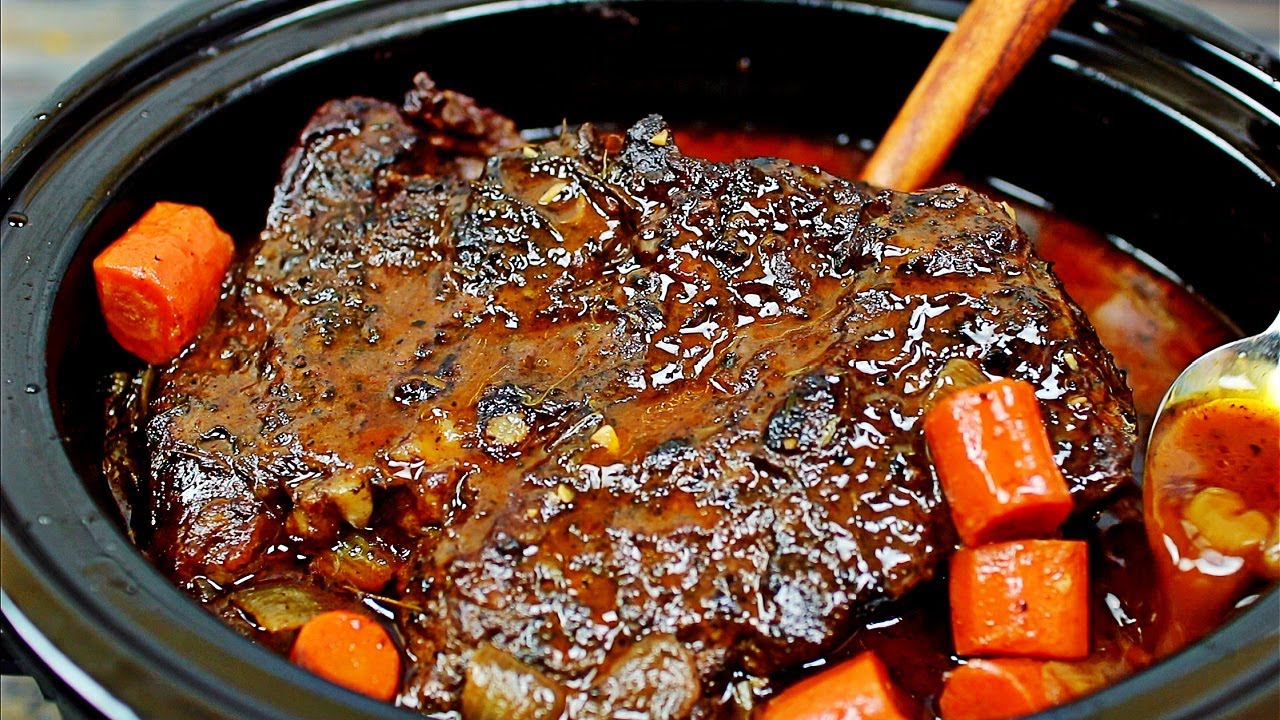
Beef Pot Roast Recipe: There’s something magical about a beef pot roast slowly cooking in the oven. The rich aroma fills the kitchen. The meat becomes fork-tender. The vegetables soak up all that deep, savory flavor.
If you’ve ever wondered how to make the perfect beef pot roast — juicy, flavorful, and fall-apart tender — you’re in the right place.
Today, I’ll walk you through everything. From choosing the right cut of beef to building flavor layers and achieving that melt-in-your-mouth texture.
Let’s dive in.
What Is Beef Pot Roast?
Beef pot roast is a classic slow-cooked dish where a tough cut of beef transforms into something unbelievably tender. It’s hearty. It’s warm. It’s satisfying.
Think of it as the culinary equivalent of a cozy blanket.
The Science Behind Slow Cooking
Here’s what happens: tough cuts like chuck roast are packed with connective tissue. When you cook them low and slow, collagen breaks down into gelatin. That’s what creates that silky texture and deep richness.
Slow cooking is not just a method. It’s transformation.
Choosing the Best Cut of Beef
Chuck Roast
This is the gold standard. Well-marbled, affordable, and perfect for slow braising.
Brisket
Lean but flavorful. Needs patience.
Round Roast
Leaner and slightly firmer. Best if cooked carefully.
Why Marbling Matters
Fat equals flavor. Those thin white streaks of fat melt during cooking, keeping your roast moist and tender.
No marbling? Expect dry meat.
Ingredients You’ll Need
Let’s keep it simple and powerful.
The Meat
- 3–4 lb chuck roast
Vegetables
- 4 carrots (cut into chunks)
- 4 potatoes (quartered)
- 1 large onion (sliced)
- 2 celery stalks
Aromatics
- 4 garlic cloves
- 2 sprigs fresh rosemary
- 2 sprigs thyme
- 2 bay leaves
Liquid & Flavor Builders
- 2 cups beef broth
- 1 cup red wine (optional but recommended)
- 2 tablespoons tomato paste
- 2 tablespoons Worcestershire sauce
Optional Enhancers
- Mushrooms
- Pearl onions
- Parsnips
Essential Tools for Perfect Pot Roast
- Dutch oven (heavy-bottomed pot)
- Tongs
- Sharp knife
- Cutting board
- Meat thermometer
A Dutch oven is ideal because it retains heat evenly.
Step-by-Step Guide to Making Beef Pot Roast
Step 1 – Prepare and Season the Beef
Start with a chuck roast or similar well-marbled cut. Pat the beef dry with paper towels to help it brown properly. Season generously on all sides with salt, black pepper, and optional herbs like thyme or rosemary. Let it sit at room temperature for about 20–30 minutes before cooking.
Step 2 – Sear the Meat
Heat a large Dutch oven or heavy pot over medium-high heat and add a tablespoon of oil. Once hot, place the beef in the pot and sear for 3–4 minutes per side until a deep brown crust forms. This step builds rich flavor. Remove the beef and set aside.
Step 3 – Sauté Aromatics
In the same pot, add chopped onions, carrots, and celery. Cook for 3–5 minutes until softened. Stir in minced garlic and cook for another 30 seconds until fragrant.
Step 4 – Deglaze the Pot
Pour in a splash of beef broth or red wine to deglaze the pot. Scrape the bottom with a wooden spoon to lift the browned bits—this adds depth to the sauce.
Step 5 – Add Vegetables and Liquid
Return the seared beef to the pot. Add more carrots and potatoes around the roast if desired. Pour in enough beef broth to come halfway up the sides of the meat. Add a bay leaf or fresh herbs for extra flavor.
Step 6 – Slow Cook to Perfection
Cover the pot and reduce heat to low, or transfer to a 325°F (163°C) oven. Cook for 2½–3½ hours, until the meat is fork-tender and easily pulls apart.
Step 7 – Rest and Slice
Remove the roast and let it rest for 10–15 minutes before slicing. Serve with the vegetables and spoon the rich cooking juices over the top for a comforting, flavorful meal.
Cooking Methods Explained
Oven Method
Best for consistent heat.
Slow Cooker Method
Cook on LOW for 8 hours.
Instant Pot Method
Pressure cook for 60–70 minutes.
How to Know When It’s Done
Internal temperature should reach 195–205°F.
Fork should slide in easily.
If it fights back, cook longer.
Making the Perfect Gravy
Strain liquid.
Simmer and reduce.
Add cornstarch slurry if thicker gravy desired.
Pro Tips for Maximum Flavor
- Salt generously
- Don’t skip the sear
- Use fresh herbs
- Let it rest
Flavor builds in layers.
Common Mistakes to Avoid
- Cooking too hot
- Skipping browning
- Not enough liquid
- Slicing too soon
What to Serve with Pot Roast
- Mashed potatoes
- Crusty bread
- Steamed green beans
- Roasted Brussels sprouts
Storage and Reheating Tips
Store in airtight container up to 4 days.
Freeze up to 3 months.
Reheat gently with broth.
Variations and Flavor Twists
- Add balsamic vinegar
- Use beer instead of wine
- Add smoked paprika
- Try Italian seasoning
FAQs about Beef Pot Roast Recipe
1. Can I make pot roast without wine?
Yes, you can. Simply replace the wine with extra beef broth. The broth will still provide moisture and depth of flavor. If you want a slight tang similar to wine, you can add a small splash of balsamic vinegar or Worcestershire sauce.
2. Why is my pot roast tough?
Pot roast becomes tender with time. If it’s tough, it likely needs to cook longer. Cuts like chuck roast contain connective tissue that breaks down slowly during low, steady cooking. Be patient—low and slow is the key.
3. Can I cook pot roast on the stovetop?
Yes. After searing the meat and adding liquids, reduce the heat to low, cover the pot, and let it simmer gently for 3–4 hours. Make sure it maintains a low simmer rather than a rapid boil to prevent drying out.
4. Should the meat be fully submerged?
No. For proper braising, the liquid should come about halfway up the sides of the meat. This allows the roast to cook evenly while developing rich flavor from both the liquid and the exposed surface.
5. Can I prepare it ahead of time?
Absolutely. In fact, pot roast often tastes even better the next day. As it rests in the refrigerator, the flavors deepen and become more balanced. Reheat gently before serving for best results.
Conclusion
Beef pot roast is the ultimate comfort food—simple, hearty, and deeply satisfying. With the right cut of beef, proper seasoning, and slow cooking, you can transform basic ingredients into a rich, tender meal that feels both rustic and special.
The key is patience: sear well, cook low and slow, and allow the meat to rest before serving. Whether enjoyed with family on a cozy evening or prepared for a special Sunday dinner, beef pot roast never disappoints.
Follow these steps, trust the process, and you’ll have a flavorful, fork-tender dish worth making again and again.