Bottom Round Roast Recipe: If you’ve ever stood in front of the meat section wondering, “Can I really turn this affordable cut into something tender and juicy?” — you’re in the right place.
Bottom round roast has a reputation. Some say it’s tough. Others say it’s dry. But here’s the truth: treat it right, and it transforms into a flavorful, satisfying, crowd-pleasing meal.
Let’s break it down step by step.
What Is Bottom Round Roast?
Where It Comes From on the Cow
Bottom round roast comes from the rear leg of the cow. That muscle works hard, which means it’s lean and firm. Think of it like an athlete’s leg muscle — strong, but not naturally tender.
Why It’s Affordable Yet Flavorful
Because it’s lean and slightly tougher than premium cuts like ribeye, it costs less. But that doesn’t mean less flavor. In fact, when cooked properly, it delivers deep, beefy richness that rivals expensive cuts.
The secret? Temperature control and patience.
Why You’ll Love This Recipe
Budget-Friendly Family Meal
You can feed a family of 6 for the price of two steaks. That’s a win.
Perfect for Meal Prep
Cook once. Slice thin. Use for sandwiches, wraps, rice bowls, or salads all week.
Great for Leftovers
Leftover roast beef sandwiches? Yes, please.
Ingredients You’ll Need
Here’s everything you need for a perfectly seasoned bottom round roast:
- 3–4 lb bottom round roast
- 2 tablespoons olive oil
- 1 tablespoon kosher salt
- 2 teaspoons black pepper
- 1 tablespoon garlic powder
- 1 tablespoon onion powder
- 1 teaspoon paprika
- 1 teaspoon dried rosemary
- 1 teaspoon dried thyme
- 4 cloves fresh garlic (minced)
- 1 large onion (sliced)
- 2 cups beef broth
Simple ingredients. Big flavor.
Optional Add-Ins and Flavor Boosters
Herb Variations
Swap rosemary for oregano. Add Italian seasoning. Play with fresh herbs.
Garlic Butter Upgrade
Mix softened butter with garlic and herbs. Rub it all over before roasting. Game changer.
Vegetable Additions
Add carrots, potatoes, and celery around the roast for a one-pan meal.
Kitchen Tools Required
Roasting Pan vs Dutch Oven
A roasting pan allows airflow for crisp edges. A Dutch oven traps moisture. Both work — it depends on your preference.
Why a Meat Thermometer Is Essential
Guessing doneness is risky. A thermometer guarantees precision. Think of it as insurance for your dinner.
Preparing the Bottom Round Roast
Bringing Meat to Room Temperature
Remove the roast from the fridge 45–60 minutes before cooking. Cold meat cooks unevenly.
Seasoning for Maximum Flavor
Pat the roast dry. Moisture prevents browning.
Dry Rub Method
Mix salt, pepper, garlic powder, onion powder, paprika, rosemary, and thyme. Coat evenly.
Marinade Option
Want deeper flavor? Marinate overnight in olive oil, garlic, herbs, and beef broth.
Step-by-Step Guide to Cooking Bottom Round Roast
Step 1 – Preheat the Oven
Preheat your oven to 325°F (163°C). Cooking a bottom round roast at a moderate temperature allows it to cook evenly without drying out. While the oven heats, remove the roast from the refrigerator and let it sit at room temperature for about 30 minutes.
Step 2 – Sear the Roast
Pat the roast dry with paper towels and season generously with salt, black pepper, and any preferred herbs. Heat a large skillet over medium-high heat and add a tablespoon of oil. Sear the roast on all sides for 2–3 minutes per side until a rich brown crust forms. This step locks in flavor and enhances texture.
Step 3 – Prepare the Roasting Base
Place chopped onions, carrots, and celery in the bottom of a roasting pan to create a flavorful base. Set the seared roast on top of the vegetables. You may add a cup of beef broth or stock to keep the environment moist during roasting.
Step 4 – Roast to Perfection
Transfer the roasting pan to the preheated oven. Roast uncovered for about 20–25 minutes per pound. Cooking time will vary depending on size and desired doneness.
Step 5 – Monitor Internal Temperature
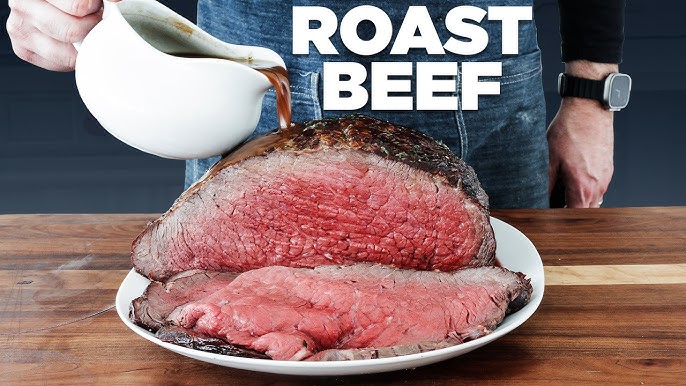
Use a meat thermometer inserted into the thickest part of the roast. For medium-rare, aim for 130–135°F; for medium, 140–145°F. Avoid overcooking, as bottom round is lean and can become tough.
Step 6 – Rest Before Slicing
Remove the roast from the oven and loosely tent it with foil. Let it rest for 15–20 minutes. Resting allows the juices to redistribute throughout the meat.
Step 7 – Slice Against the Grain
Identify the direction of the muscle fibers and slice thinly against the grain. This shortens the fibers and makes each bite more tender and easier to chew.
Internal Temperature Guide
Cooking is science. Precision matters.
For best results, aim for medium rare (135°F). It keeps the roast juicy and tender.
Tips for a Tender Bottom Round Roast
- Don’t overcook.
- Always rest before slicing.
- Slice thinly.
- Consider slow roasting for extra tenderness.
- Use broth to maintain moisture.
Think low and slow, not hot and rushed.
How to Make Gravy from Pan Drippings
- Remove roast.
- Strain drippings into saucepan.
- Add 1 tablespoon flour.
- Whisk and cook until thick.
- Adjust seasoning.
That’s liquid gold right there.
Serving Suggestions
Classic Side Dishes
- Mashed potatoes
- Roasted vegetables
- Green beans
- Dinner rolls
Low-Carb Pairings
- Cauliflower mash
- Garlic sautéed spinach
- Zucchini noodles
Sandwich Ideas
- French dip with au jus
- Roast beef sliders
- Beef and cheddar melts
Storage and Reheating Tips
Store in airtight container up to 4 days.
To reheat:
- Add a splash of broth.
- Cover with foil.
- Warm at 300°F until heated through.
Microwaving dries it out. Oven reheating keeps it juicy.
Common Mistakes to Avoid
- Skipping the thermometer
- Overcooking
- Cutting immediately
- Not slicing against the grain
Small mistakes. Big consequences.
FAQs about Bottom Round Roast Recipe
1. Is bottom round roast tough?
Bottom round roast is a lean cut of beef, so it can become tough if overcooked. The key is to cook it to medium-rare (about 130–135°F internal temperature) and slice it thinly against the grain. Proper resting time after roasting also helps keep the meat tender and juicy.
2. Can I cook it in a slow cooker?
Yes, bottom round roast works well in a slow cooker. Cook it on low for about 8 hours with beef broth and vegetables. The low, steady heat helps break down the fibers, resulting in fork-tender meat. This method is especially good if you prefer a softer texture.
3. Should I cover it while roasting?
For the best crust, roast it uncovered so the exterior can brown properly. If you notice it browning too quickly, you can loosely cover it with foil to prevent burning while allowing it to continue cooking evenly.
4. How long per pound should I cook it?
At 325°F (163°C), plan for about 20–25 minutes per pound. However, always rely on a meat thermometer rather than time alone, as oven performance and roast size can vary.
5. Can I freeze leftover roast?
Yes, leftover bottom round roast freezes well. Wrap it tightly in plastic wrap or foil, then place it in an airtight container or freezer bag. It can be stored in the freezer for up to 3 months.
Conclusion
Bottom round roast proves that affordable doesn’t mean average. With the right seasoning, careful temperature control, and proper slicing technique, you can transform this humble cut into a tender, flavorful centerpiece.
It’s simple. It’s practical. And once you master it, you’ll never look at this cut the same way again.
Ready to roast?