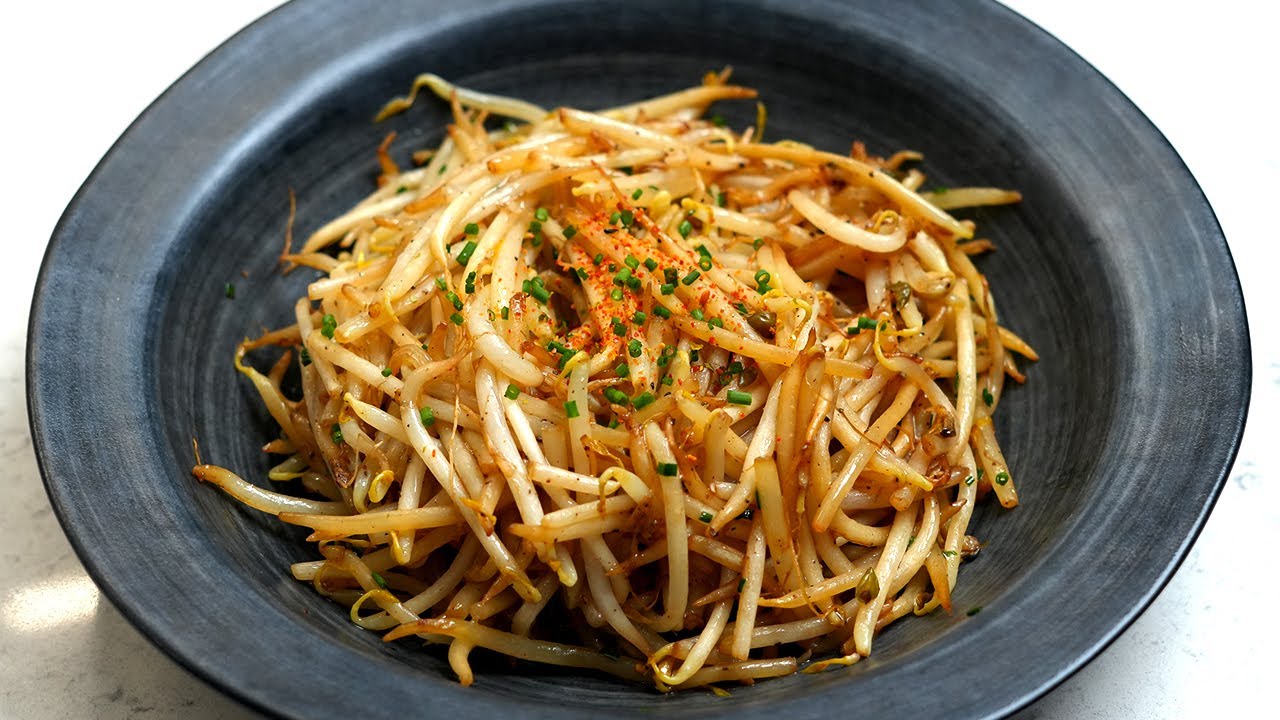
Bean Sprout Recipe: Bean sprouts are one of those humble ingredients that quietly transform any dish. Crunchy, fresh, and incredibly versatile, they bring life to stir-fries, soups, salads, and noodles. If you’ve ever wondered how to cook bean sprouts perfectly without turning them soggy or bland, you’re in the right place.
Today, we’re diving deep. Not just a quick recipe — but a full, professional, SEO-optimized guide that teaches you everything from selecting the best sprouts to mastering different cooking techniques.
Let’s get started.
What Are Bean Sprouts?
Bean sprouts are young shoots grown from germinated beans. The most common varieties are mung bean sprouts and soybean sprouts. They’re crunchy, juicy, and mild in flavor — like nature’s little water balloons packed with nutrients.
Types of Bean Sprouts
- Mung Bean Sprouts – Thin, crisp, and commonly used in Asian cooking.
- Soybean Sprouts – Slightly thicker with a nuttier flavor.
Nutritional Benefits
Bean sprouts are low in calories but high in vitamin C, fiber, folate, and antioxidants. Think of them as tiny nutritional powerhouses that support digestion and boost immunity.
Why You’ll Love This Bean Sprout Recipe
Why choose bean sprouts?
Because they’re:
- Quick to cook (under 10 minutes!)
- Budget-friendly
- Healthy and low-calorie
- Versatile in countless dishes
It’s like having a secret weapon in your kitchen.
Ingredients You’ll Need
Main Ingredients
- 3 cups fresh mung bean sprouts
- 2 tablespoons vegetable oil or sesame oil
- 3 cloves garlic (minced)
- 1 tablespoon soy sauce
- 1 teaspoon salt (adjust to taste)
- ½ teaspoon black pepper
- 1 teaspoon sesame oil (optional for aroma)
- 2 green onions (chopped)
Optional Add-ins
Protein Options
- Sliced chicken
- Shrimp
- Tofu
- Beef strips
Flavor Boosters
- Red chili flakes
- Oyster sauce
- Fresh ginger
- Lemon juice
Kitchen Tools Required
You don’t need fancy equipment:
- Large skillet or wok
- Spatula
- Knife
- Cutting board
- Strainer
Simple tools. Big flavor.
How to Prepare Bean Sprouts Properly
Washing and Cleaning
Always rinse sprouts thoroughly under cold running water. Remove any discolored or mushy sprouts.
Fresh sprouts should be:
- Crisp
- White
- Slightly moist
- Odor-free
If they smell sour, toss them.
Removing Tails (Optional)
Some people remove the thin root tails for a cleaner look. It’s optional but gives a restaurant-quality appearance.
Step-by-Step Guide to Cooking Bean Sprouts
Step 1 – Heat the Pan
Start with a clean wok or large frying pan. Place it over medium-high to high heat and allow it to get properly hot before adding anything. This step is crucial because high heat helps maintain the crisp texture of the bean sprouts. Once the pan is hot, add 1–2 tablespoons of cooking oil (such as vegetable, peanut, or sesame oil). Swirl the oil to coat the surface evenly.
Step 2 – Add Aromatics
Add finely chopped garlic, sliced onions, or grated ginger to the hot oil. Stir quickly for about 20–30 seconds until fragrant. Be careful not to burn them. Aromatics create a flavorful base that enhances the mild taste of the bean sprouts.
Step 3 – Add Bean Sprouts
Add the rinsed and well-drained bean sprouts to the pan. Spread them out evenly. Avoid overcrowding, as this can cause steaming instead of stir-frying. Toss gently but continuously to ensure even cooking.
Step 4 – Season Properly
Season with a pinch of salt and a splash of soy sauce. You can also add black pepper, chili flakes, or a dash of oyster sauce for extra flavor. Keep the seasoning light so the natural freshness of the sprouts shines through.
Step 5 – Cook Briefly
Cook for only 2–4 minutes on high heat. Stir constantly. The sprouts should slightly soften but remain crunchy. Overcooking will make them watery and limp.
Step 6 – Final Touches
Turn off the heat and add finishing touches such as sliced green onions, sesame seeds, or a squeeze of fresh lemon juice. Serve immediately while hot and crisp for the best texture and flavor.
Cooking Tips for Perfect Crunch
- Use high heat
- Do not overcrowd the pan
- Cook quickly
- Avoid adding too much liquid
- Serve immediately
Bean sprouts are like delicate dancers — treat them gently.
Variations of Bean Sprout Recipes
Asian Stir-Fry Style
Add sliced bell peppers, carrots, and protein for a complete meal.
Garlic Butter Bean Sprouts
Replace oil with butter and increase garlic for a rich twist.
Spicy Bean Sprouts
Add chili oil or fresh red chili slices.
Korean-Style Seasoned Bean Sprouts
Blanch sprouts for 2 minutes. Drain. Mix with garlic, sesame oil, salt, and sesame seeds.
Simple. Refreshing. Delicious.
How to Store Bean Sprouts
Store in the refrigerator in a breathable container. Use within 2–3 days.
You can also:
- Rinse daily to keep fresh
- Avoid sealing airtight completely
Freshness equals crunch.
Common Mistakes to Avoid
- Overcooking
- Not rinsing properly
- Using low heat
- Adding too much sauce
- Storing too long
Small mistakes make a big difference.
Serving Suggestions
Serve bean sprouts:
- With fried rice
- Over noodles
- Inside spring rolls
- As a side dish
- In soups like ramen
They add texture like a drumbeat in music — subtle but essential.
FAQs about Bean Sprout Recipe
1. Can I eat bean sprouts raw?
Yes, bean sprouts can be eaten raw, especially in salads, sandwiches, and spring rolls. However, make sure they are very fresh and thoroughly washed under clean running water before eating. Because sprouts grow in warm, moist conditions, they can sometimes carry bacteria. If you’re unsure about their freshness or have a sensitive immune system, lightly cooking them is a safer option.
2. How long should bean sprouts be cooked?
Bean sprouts cook very quickly. Ideally, they should be stir-fried or sautéed for only 2–4 minutes on high heat. This short cooking time keeps them crisp and prevents excess water from being released. Overcooking can make them soft and watery.
3. Why are my bean sprouts soggy?
Soggy bean sprouts usually happen when they are overcooked or when too much liquid is added during cooking. Low heat can also cause them to steam instead of fry. To avoid this, cook on high heat, use minimal sauce, and avoid overcrowding the pan.
4. Can I freeze bean sprouts?
Freezing is not recommended. Bean sprouts have a high water content, and freezing changes their texture. Once thawed, they become limp and lose their natural crunch.
5. Are bean sprouts healthy for weight loss?
Absolutely. Bean sprouts are low in calories, high in fiber, and packed with nutrients. They help you feel full without adding many calories, making them a great addition to a weight-loss-friendly diet.
Conclusion
Bean sprouts may look simple, but they’re anything but boring. With the right technique, they become crisp, flavorful, and deeply satisfying. Whether you stir-fry them quickly for a weeknight side dish or dress them up with proteins and spices, they deliver freshness and nutrition in every bite.
Now you know the secrets — high heat, quick cooking, light seasoning.
Your kitchen just leveled up.