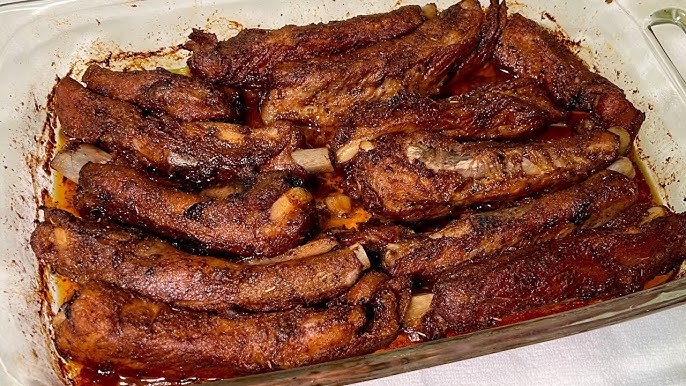
Baked Pork Riblets Recipe: Have you ever tasted riblets so tender they practically melt in your mouth? That’s exactly what we’re creating today. Think of pork riblets as the smaller, flavor-packed cousins of full racks of ribs.
They cook faster, absorb seasoning beautifully, and are perfect for weeknight dinners or weekend gatherings.
What Are Pork Riblets?
Pork riblets are smaller cuts sliced from spare ribs. They contain bone, meat, and just enough fat to stay juicy during cooking. They’re like the hidden treasure of the pork world—affordable, flavorful, and incredibly satisfying.
Why Baking Is the Best Method
Baking is gentle. It allows the meat to cook slowly, breaking down connective tissues without drying it out. Unlike grilling, which can burn the outside before the inside becomes tender, oven baking gives you full control.
What Makes This Recipe Special
This recipe focuses on three things: flavor layering, moisture retention, and perfect caramelization. It’s not just about throwing riblets in the oven—it’s about building taste step by step.
Ingredients You’ll Need
Let’s keep things simple but powerful.
Main Ingredients
- 2–3 pounds pork riblets
- 2 tablespoons olive oil
- Salt (to taste)
- Black pepper (to taste)
Dry Rub Ingredients
- 2 tablespoons brown sugar
- 1 tablespoon smoked paprika
- 1 teaspoon garlic powder
- 1 teaspoon onion powder
- 1 teaspoon chili powder
- ½ teaspoon cayenne pepper (optional)
- 1 teaspoon dried thyme
Sauce Ingredients
- 1 cup BBQ sauce
- 2 tablespoons honey
- 1 tablespoon apple cider vinegar
- 1 teaspoon Worcestershire sauce
Optional Flavor Boosters
- Liquid smoke (a few drops)
- Dijon mustard
- Fresh minced garlic
Kitchen Tools Required
Essential Equipment
- Baking tray
- Aluminum foil
- Mixing bowls
- Tongs
- Oven
Optional Tools for Better Results
- Meat thermometer
- Basting brush
- Wire rack
Preparing the Pork Riblets
Preparation is half the battle.
Cleaning and Trimming
Rinse lightly under cold water. Pat dry thoroughly. Remove excess fat if necessary, but don’t remove all of it—fat equals flavor.
Removing the Membrane
Flip the riblets over. If you see a thin silver membrane, slide a knife underneath and peel it off. This step makes a huge difference in tenderness.
Patting Dry for Better Flavor
Moisture prevents seasoning from sticking. Dry meat equals better crust.
Making the Perfect Dry Rub
Flavor is like music—it needs harmony.
Balancing Sweet, Smoky, and Spicy
Brown sugar adds sweetness. Paprika gives smokiness. Chili and cayenne add heat. Garlic and onion create depth.
Mix everything thoroughly before applying.
How Long to Marinate
At least 30 minutes. Overnight? Even better. The longer it sits, the deeper the flavor.
Step-by-Step Guide to Baking Pork Riblets
Step 1 – Preheat the Oven
Preheat your oven to 300°F (150°C). Low and slow cooking helps break down the connective tissue in pork riblets, making them tender and juicy.
Step 2 – Season Generously
Pat the riblets dry with paper towels. Rub them generously with a blend of salt, black pepper, paprika, garlic powder, onion powder, and a touch of brown sugar. Massage the seasoning into the meat for full flavor coverage.
Step 3 – Wrap in Foil
Place the seasoned riblets on a large sheet of aluminum foil. Add a splash of apple juice or broth for moisture, then wrap tightly to seal in steam. This prevents the meat from drying out during the long bake.
Step 4 – Slow Bake
Place the wrapped riblets on a baking sheet and bake for 2–2½ hours. The meat should become fork-tender and begin pulling away from the bone.
Step 5 – Add Sauce
Carefully unwrap the foil and transfer the riblets to a lined baking sheet. Brush generously with your favorite barbecue sauce, coating all sides evenly.
Step 6 – Final Broil
Increase the oven temperature to 400°F (200°C) or switch to broil. Cook uncovered for 8–10 minutes until the sauce thickens and caramelizes. Watch closely to avoid burning.
Step 7 – Rest Before Serving
Remove the riblets from the oven and let them rest for 5–10 minutes. Resting allows the juices to redistribute, ensuring tender, flavorful bites. Serve warm and enjoy.
How to Know When Riblets Are Done
Internal Temperature Guide
Aim for 190–203°F for ultra-tender results.
Texture Check
Meat should pull away easily from the bone.
Best Sauces for Baked Pork Riblets
Classic BBQ Sauce
Sweet, smoky, and tangy.
Honey Garlic Glaze
Sticky and rich.
Spicy Chipotle Sauce
For those who love heat.
Serving Suggestions
Best Side Dishes
- Coleslaw
- Mashed potatoes
- Cornbread
- Grilled vegetables
Drinks That Pair Well
- Lemonade
- Iced tea
- Light beer
Storage and Reheating Tips
Refrigeration
Store in airtight container up to 4 days.
Freezing
Wrap tightly. Freeze up to 3 months.
Reheating Without Drying
Add a splash of water. Cover with foil. Heat at 300°F until warm.
Common Mistakes to Avoid
- Cooking at high temperature
- Skipping the foil wrap
- Not resting the meat
- Under-seasoning
Tips for Extra Tender Riblets
- Use apple juice inside foil for steam
- Let meat reach room temperature before baking
- Don’t rush the process
Nutritional Overview
Pork riblets provide protein, iron, and B vitamins. While higher in fat, baking instead of frying keeps them balanced.
Variations You Can Try
- Korean-style glaze
- Dry Cajun seasoning
- Teriyaki version
- Mustard-based BBQ
FAQs about Baked Pork Riblets Recipe
1. Can I bake riblets without foil?
Yes, you can bake riblets without foil, but they may dry out more easily. Foil helps trap moisture and creates steam, which keeps the meat tender during slow cooking. If skipping foil, consider adding extra liquid and monitoring closely.
2. How long should I marinate them?
Marinate riblets for at least 30 minutes to allow the flavors to absorb. For deeper, richer taste, marinate overnight in the refrigerator. The longer they sit, the more flavorful and tender they become.
3. Can I use store-bought rub?
Absolutely. Store-bought rubs are convenient and work well. Just check the salt content, as some blends are heavily salted. Adjust additional seasoning accordingly to avoid overpowering the meat.
4. What’s the best temperature for tenderness?
Around 300°F (150°C) is ideal for slow cooking. This low temperature allows the connective tissue to break down gradually, resulting in tender, juicy riblets.
5. Can I finish them on the grill?
Yes! After baking, place the riblets on a preheated grill for 5–10 minutes. This adds a smoky flavor and enhances caramelization, giving you the best of both oven and grill cooking.
Final Thoughts
Baked pork riblets are comfort food at its finest—messy, sticky, tender, and absolutely unforgettable. There’s something deeply satisfying about watching them transform in the oven, slowly becoming juicy and flavorful with every minute of cooking.
The low-and-slow method allows the seasoning to penetrate, the meat to soften, and the sauce to caramelize into a rich, glossy finish. It’s a process that rewards patience and delivers incredible results.
Once you master this simple technique, riblets will no longer feel intimidating. Instead, they’ll become your go-to dish for gatherings, family dinners, and indulgent weekend meals.