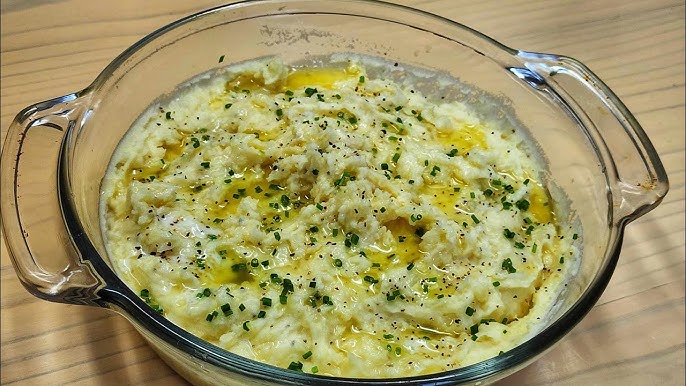
Baked Mashed Potatoes Recipe: If comfort food had a crown, baked mashed potatoes would wear it proudly.
There’s something magical about creamy mashed potatoes transformed in the oven—golden on top, fluffy inside, rich with butter and cream. It’s like your regular mashed potatoes went to finishing school and came back upgraded.
Whether you’re planning a holiday feast, Sunday dinner, or just craving something warm and indulgent, this baked mashed potatoes recipe will never disappoint.
Let’s dive in.
Why You’ll Love This Baked Mashed Potatoes Recipe
Perfect for Holidays and Weeknights
From Thanksgiving tables to simple family dinners, baked mashed potatoes fit everywhere. They’re elegant enough for special occasions yet easy enough for a Tuesday night.
Make-Ahead Friendly
You can prepare everything in advance, refrigerate, and bake when ready. That means less stress and more time enjoying your guests.
Crowd-Pleasing Texture
Creamy, fluffy, buttery… and slightly crispy on top. It’s texture heaven.
What Are Baked Mashed Potatoes?
Baked mashed potatoes are traditional mashed potatoes mixed with butter, cream, cheese (optional), then baked in a casserole dish until lightly golden.
Difference Between Regular and Baked Mashed Potatoes
Regular mashed potatoes are served immediately after mashing.
Baked mashed potatoes go one step further—into the oven. This extra step adds:
- A golden crust
- Slightly firmer texture
- Deeper flavor
Think of it as mashed potatoes 2.0.
Ingredients You’ll Need
Essential Ingredients
- 2½ – 3 pounds Yukon Gold or Russet potatoes
- ½ cup unsalted butter (softened)
- ¾ – 1 cup heavy cream or whole milk
- ½ cup sour cream
- 1 teaspoon salt (adjust to taste)
- ½ teaspoon black pepper
- 2 large eggs (optional for extra structure)
Optional Add-Ins for Extra Flavor
- 1 cup shredded cheddar or mozzarella
- 3 cloves minced garlic
- Fresh chopped chives
- Parmesan cheese
- Crispy bacon bits
Best Type of Potatoes to Use
- Yukon Gold – creamy and buttery naturally
- Russet – fluffy and light
Avoid waxy potatoes. They don’t mash well.
Kitchen Tools Required
- Large pot
- Potato masher or ricer
- Mixing bowl
- Baking dish (9×13 recommended)
- Spatula
Simple tools. Big results.
Step-by-Step Guide to Making Baked Mashed Potatoes
Step 1 – Choose and Prep the Potatoes
Select starchy potatoes like Russet or Yukon Gold for the creamiest texture. Peel them if desired, then cut into evenly sized chunks. Rinse briefly under cold water to remove excess starch.
Step 2 – Boil Until Fork-Tender
Place the potato chunks in a large pot and cover with cold, salted water. Bring to a boil, then reduce to a gentle simmer. Cook for 15–20 minutes, or until the potatoes are fork-tender and easily pierced.
Step 3 – Drain and Dry
Drain the potatoes thoroughly in a colander. Return them to the warm pot and let them sit for a few minutes to allow excess moisture to evaporate. This step prevents watery mashed potatoes.
Step 4 – Mash to Perfection
Mash the potatoes using a potato masher or ricer until smooth. Avoid overmixing, as this can make them gummy. Aim for a fluffy consistency.
Step 5 – Add Creamy Ingredients
Stir in softened butter, warm milk or heavy cream, salt, and black pepper. For extra richness, add sour cream or cream cheese. Mix gently until creamy and well combined.
Step 6 – Transfer to Baking Dish
Preheat your oven to 375°F (190°C). Spoon the mashed potatoes into a lightly greased baking dish. Smooth the top with a spatula.
Step 7 – Add Toppings
Sprinkle shredded cheese, grated Parmesan, or breadcrumbs over the top. You can also add chopped chives, bacon bits, or a drizzle of melted butter for added flavor.
Step 8 – Bake Until Golden
Bake for 20–25 minutes, or until the top is heated through and lightly golden. For extra browning, broil for the last 2–3 minutes. Let cool slightly before serving.
Pro Tips for Ultra-Creamy Texture
Avoid Overmixing
Overmixing activates starch and makes potatoes gluey.
Gentle folding is key.
Warm Your Dairy
Cold milk cools potatoes instantly and affects texture.
Warm dairy blends better.
Season Properly
Salt the boiling water AND adjust seasoning after mashing.
Flavor builds in layers.
Variations You Can Try
Cheesy Baked Mashed Potatoes
Add cheddar and mozzarella inside and on top.
Cheese pulls like a dream when served hot.
Garlic Herb Version
Roast garlic beforehand and mash into potatoes.
Add thyme or rosemary.
Loaded Baked Mashed Potatoes
Top with:
- Bacon
- Sour cream
- Chives
- Extra cheese
Like a loaded baked potato—but creamier.
Sour Cream & Chive Twist
Increase sour cream and fold in fresh chives for tangy brightness.
Make-Ahead and Storage Tips
How to Prepare in Advance
Prepare mashed mixture.
Store in baking dish, covered, in refrigerator for up to 24 hours.
Bake when ready.
Refrigeration and Freezing
- Refrigerate up to 4 days
- Freeze up to 1 month
Thaw overnight before reheating.
Reheating Without Drying Out
Cover with foil.
Add a splash of milk before reheating.
Bake at 350°F until warmed through.
What to Serve with Baked Mashed Potatoes
- Roast chicken
- Grilled steak
- Turkey
- Meatloaf
- Gravy
It’s a universal side dish.
Common Mistakes to Avoid
- Overcooking potatoes (waterlogged texture)
- Using cold dairy
- Overmixing
- Under-seasoning
- Skipping the oven step
Small mistakes, big impact.
Nutritional Overview
Rich in:
- Carbohydrates
- Calcium (from dairy)
- Potassium
It’s comfort food, yes—but also satisfying and nourishing.
FAQs about Baked Mashed Potatoes Recipe
1. Can I make baked mashed potatoes without eggs?
Yes, you can. Eggs help add structure and a slightly firmer texture when baking, but they are completely optional. The recipe will still turn out creamy and delicious without them.
2. Can I use milk instead of heavy cream?
Absolutely. Whole milk works very well as a substitute for heavy cream. If you want to maintain richness, simply add a little extra butter to compensate for the lower fat content.
3. Why are my mashed potatoes gluey?
Mashed potatoes become gluey when they are overmixed or processed in a blender or food processor. Potatoes release starch when overworked, creating a sticky texture. Mash gently by hand or use a ricer for the best results.
4. Can I add cream cheese?
Yes, cream cheese is a great addition. It adds tanginess and extra richness to the mashed potatoes. You can replace part of the sour cream or butter with softened cream cheese for a smoother flavor.
5. How do I make the top extra crispy?
For a golden, crispy top, switch the oven to broil for the last 2–3 minutes of baking. Watch closely to prevent burning and ensure even browning.
Conclusion
Baked mashed potatoes are more than just a side dish—they’re comfort wrapped in cream, topped with golden perfection.
They’re forgiving, customizable, and crowd-approved. Whether you keep it classic or go fully loaded, this recipe guarantees fluffy, creamy results every time.
Once you try baking your mashed potatoes, you may never go back.