Roasted Cabbage Recipe: Cabbage doesn’t get the spotlight. It sits quietly in the produce aisle while broccoli, kale, and zucchini steal the fame. But here’s the truth: roasted cabbage is a game changer.
It’s like that quiet kid in class who suddenly becomes the star of the show.
From Bland to Bold – The Magic of Roasting
Raw cabbage can taste sharp and slightly bitter. Boiled cabbage? Soft and forgettable.
But roast it?
Everything changes.
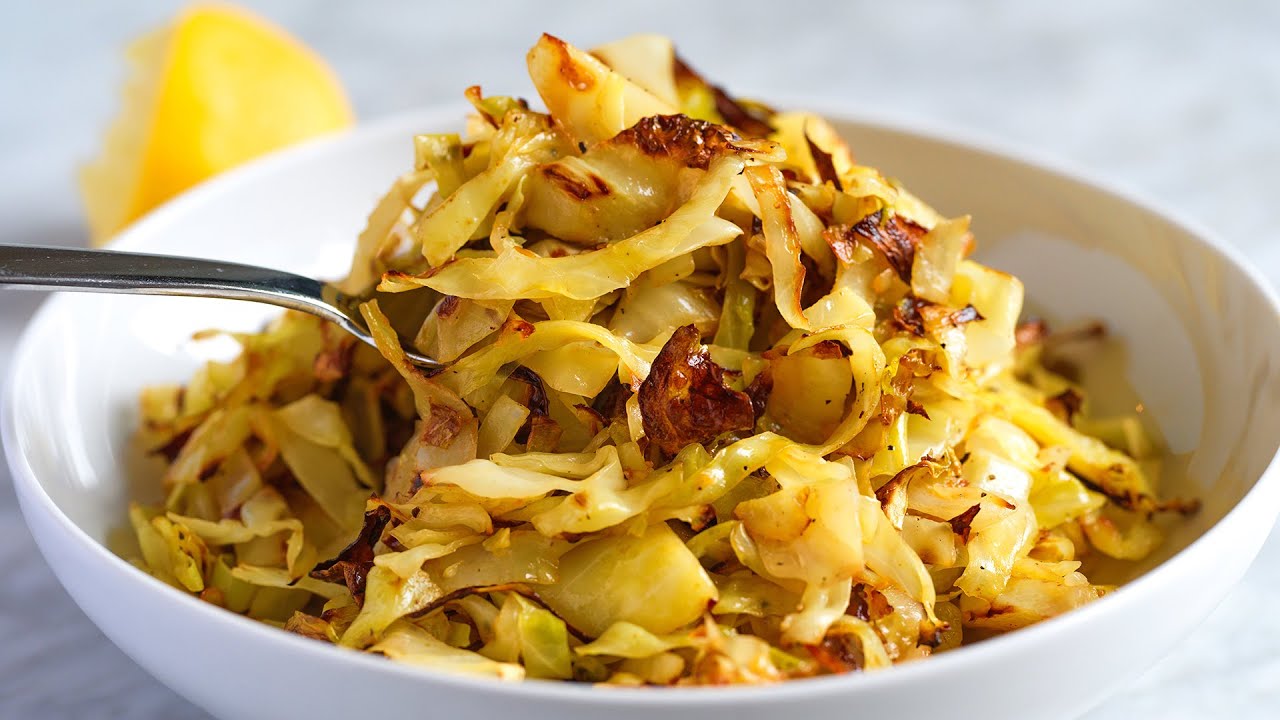
The high oven heat caramelizes the natural sugars in cabbage. The edges turn golden brown. The inside becomes tender and buttery. The bitterness fades, replaced with a sweet, nutty flavor.
Roasting cabbage is like turning a simple sketch into a masterpiece with just one bold stroke.
Health Benefits of Cabbage
Cabbage isn’t just tasty—it’s incredibly healthy.
It’s packed with:
- Vitamin C
- Vitamin K
- Fiber
- Antioxidants
- Anti-inflammatory compounds
It supports digestion, heart health, and immune function. And it’s low in calories, making it perfect for weight-conscious meals.
In short? It’s affordable, accessible, and ridiculously nutritious.
Ingredients You’ll Need
Let’s keep it simple.
Core Ingredients
- 1 large green cabbage
- 3 tablespoons olive oil
- 1 teaspoon salt
- ½ teaspoon black pepper
- 1 teaspoon garlic powder
That’s it. Five ingredients. Maximum flavor.
Optional Flavor Boosters
Want to elevate it?
Try adding:
- Smoked paprika
- Red pepper flakes
- Grated Parmesan
- Lemon zest
- Balsamic vinegar
- Fresh thyme or rosemary
Think of these as accessories to your outfit. The base is strong—but details make it unforgettable.
Best Types of Cabbage for Roasting
Green cabbage is classic.
Red cabbage works beautifully too—it turns slightly sweet and deep purple when roasted.
Savoy cabbage? Delicate and elegant.
Napa cabbage? Softer texture, cooks faster.
But for beginners? Stick to green cabbage.
Kitchen Tools Required
You don’t need anything fancy:
- Sharp knife
- Cutting board
- Large baking sheet
- Parchment paper (optional)
- Mixing bowl
- Tongs or spatula
Simple tools. Big results.
How to Choose the Perfect Cabbage
Pick one that feels heavy for its size. That means it’s dense and fresh.
Look for:
- Tight leaves
- No dark spots
- Crisp outer layers
Avoid cabbage that feels soft or has a strong odor.
Fresh cabbage should feel firm and slightly squeaky when squeezed.
Step-by-Step Guide to Making Roasted Cabbage
Let’s break this down clearly.
Step 1 – Preheat Your Oven Properly
Preheat your oven to 400°F (200°C). A hot oven is essential for achieving crispy edges and caramelized flavor. Allow the oven to fully heat before placing the cabbage inside for even roasting.
Step 2 – Prepare the Cabbage
Remove any damaged outer leaves from the cabbage. Rinse and pat it completely dry. Slice the cabbage into thick rounds or wedges, about ¾ to 1 inch thick. Keeping the core intact helps the slices hold together while roasting.
Step 3 – Season Generously
Place the cabbage pieces on a large tray. Drizzle with olive oil, ensuring both sides are lightly coated. Sprinkle generously with salt, black pepper, garlic powder, and paprika. For extra flavor, you can add dried herbs like thyme or oregano.
Step 4 – Arrange for Maximum Crispiness
Lay the cabbage pieces in a single layer on a lined baking sheet. Make sure they are not overlapping, as crowding traps moisture and prevents browning. Leave space between each piece for proper airflow.
Step 5 – Roast to Perfection
Place the tray in the oven and roast for 20–25 minutes. The cabbage should begin to soften while the edges turn golden brown.
Step 6 – Flip and Finish
Carefully flip each piece using a spatula. Return to the oven and roast for another 10–15 minutes until both sides are nicely caramelized and tender inside.
Step 7 – Final Touches and Garnish
Remove from the oven and let cool slightly. Finish with a squeeze of fresh lemon juice, a sprinkle of grated Parmesan (optional), or fresh herbs. Serve warm as a flavorful, crispy side dish.
How Long to Roast Cabbage
At 425°F:
- Thin wedges: 25–30 minutes
- Thick wedges: 35–40 minutes
Signs It’s Perfectly Done
- Crispy brown edges
- Fork-tender center
- Slight char marks
If it looks pale, it’s not done.
Color equals flavor.
Common Mistakes to Avoid
- Using low temperature
- Overcrowding the pan
- Skipping oil
- Cutting wedges too thin
- Under-seasoning
Avoid these and success is guaranteed.
Flavor Variations You Must Try
Let’s experiment.
Garlic Parmesan Roasted Cabbage
Add fresh minced garlic before roasting.
Sprinkle Parmesan in last 5 minutes.
Golden. Savory. Addictive.
Spicy Chili Roasted Cabbage
Add cayenne or red pepper flakes.
Finish with a drizzle of hot honey.
Sweet meets heat.
Honey Balsamic Glazed Cabbage
Mix 1 tablespoon honey with 1 tablespoon balsamic.
Brush during final 10 minutes.
Sticky. Sweet. Tangy.
Vegan Lemon Tahini Cabbage
Drizzle roasted cabbage with tahini sauce.
Add lemon juice and sesame seeds.
Creamy without dairy.
Is Roasted Cabbage Healthy?
Absolutely.
Nutritional Breakdown
One serving contains:
- Low calories
- High fiber
- Minimal carbs
- Rich vitamins
Olive oil adds heart-healthy fats.
Weight Loss Benefits
Cabbage is filling but low in calories.
It keeps you full longer.
Perfect for balanced eating plans.
What to Serve with Roasted Cabbage
Pair it with:
- Grilled chicken
- Baked salmon
- Steak
- Rice bowls
- Quinoa salads
- Lentils
Or eat it alone.
It’s satisfying enough.
How to Store and Reheat
Store leftovers in airtight container.
Refrigerate up to 4 days.
Reheat in oven at 375°F for 10 minutes.
Avoid microwave—it softens crispy edges.
Can You Freeze Roasted Cabbage?
You can, but texture changes.
It becomes softer after thawing.
Best enjoyed fresh.
FAQs about Roasted Cabbage Recipe
1. Can I roast cabbage without oil?
Yes, you can roast cabbage without oil, but it will not caramelize as well. Oil helps the cabbage brown evenly, develop crispy edges, and enhances the overall flavor. Without oil, the texture may be drier and less golden.
2. Why is my roasted cabbage soggy?
Soggy cabbage usually results from overcrowding the pan or using an oven temperature that’s too low. When pieces are too close together, they steam instead of roast. Always use a hot oven and leave space between wedges for proper airflow.
3. Can I use red cabbage instead?
Absolutely. Red cabbage roasts beautifully and develops a slightly sweeter flavor. It also creates a vibrant, colorful presentation that makes the dish visually appealing.
4. How do I make it extra crispy?
For extra crispiness, roast at a higher temperature (around 425°F/220°C) and make sure the wedges are well spaced. Flipping halfway through also helps both sides brown evenly.
5. Can I roast shredded cabbage?
Yes, you can roast shredded cabbage. Spread it in a thin, even layer and roast for about 15–20 minutes, stirring halfway through. It cooks faster than wedges and becomes lightly crisp with caramelized edges.
Conclusion
Roasted cabbage is proof that simple ingredients can create extraordinary flavor.
With just oil, heat, and seasoning, you transform an everyday vegetable into something bold, caramelized, and unforgettable.
It’s affordable. Healthy. Easy. Versatile.
Once you try it, cabbage will never be boring again.