Apricot Jelly Recipe: There’s something almost magical about apricot jelly. It’s bright, golden, lightly tangy, and sweet in a way that feels clean—not heavy or cloying. Store-bought versions often miss that fresh-fruit sparkle, but homemade apricot jelly? That’s a whole different story.
Making apricot jelly at home is like bottling sunshine. You control the sweetness, the texture, and the flavor depth. Whether you want it crystal clear for pastries, gently set for toast, or intensely fruity for desserts, this guide walks you through everything—from choosing apricots to sealing jars like a pro.
This is a complete, professional, step-by-step guide designed for beginners and experienced home cooks alike. No rushed steps. No assumptions. Just clear, confident guidance that works.
What Is Apricot Jelly?
Apricot jelly is a clear fruit spread made from apricot juice, sugar, and acid, cooked until it reaches a gel-like consistency. Unlike jam, which includes crushed fruit, jelly uses strained juice only, giving it a smooth, glassy finish.
Think of jelly as the refined cousin of jam—same flavor, cleaner look.
Apricot Jelly vs Apricot Jam vs Preserves
Let’s clear the confusion:
- Jelly: Made from fruit juice only. Smooth and clear.
- Jam: Made from crushed or pureed fruit.
- Preserves: Large fruit pieces suspended in syrup.
Apricot jelly is ideal when you want elegance—perfect for pastries, glazes, and cheese boards.
Why Apricots Are Perfect for Jelly
Apricots strike a rare balance:
- Naturally high in pectin
- Pleasant sweet-tart flavor
- Bright golden color
- Aromatic when cooked
They gel beautifully without needing heavy additives, especially when slightly underripe fruit is used.
Health Benefits of Apricots
While jelly is a treat, apricots themselves are nutritional powerhouses:
- Rich in vitamin A for eye health
- Contains antioxidants
- Provides dietary fiber (in whole fruit)
- Naturally low in calories
Homemade jelly avoids artificial colors, preservatives, and excessive corn syrup.
Tools and Equipment You’ll Need
Preparation matters. Here’s what you’ll need:
- Large heavy-bottom pot
- Wooden spoon
- Fine mesh sieve or jelly bag
- Cheesecloth (optional)
- Candy or digital thermometer
- Sterilized glass jars with lids
- Water bath canner or deep pot
- Ladle and funnel
Having the right tools makes the process smooth and stress-free.
Ingredients You’ll Need
Fresh Apricots
- 2.5–3 kg ripe or slightly underripe apricots
Sugar
- 4–5 cups granulated sugar
(Sugar isn’t just sweet—it helps with setting and preservation.)
Lemon Juice
- ¼ cup freshly squeezed lemon juice
Pectin (Optional)
- Natural pectin from apricots usually suffices
- Commercial pectin optional for firmer set
Water
- Enough to barely cover fruit during cooking
How to Choose the Best Apricots
The best jelly starts with the right fruit:
- Choose firm but fragrant apricots
- Avoid bruised or moldy fruit
- Slightly underripe fruit boosts natural pectin
Mixing ripe and underripe apricots gives perfect balance.
How to Wash, Pit, and Prepare Apricots
- Rinse apricots under cool running water
- Cut in half and remove pits
- Do not peel—the skins help release pectin
- Chop roughly to help juice extraction
No need for perfection here. Jelly forgives rough cuts.
Measuring Ingredients Correctly
Precision matters:
- Measure juice after extraction
- Match sugar volume to juice amount
- Too little sugar = weak set
- Too much sugar = overly firm jelly
Step-by-Step Guide to Making Apricot Jelly
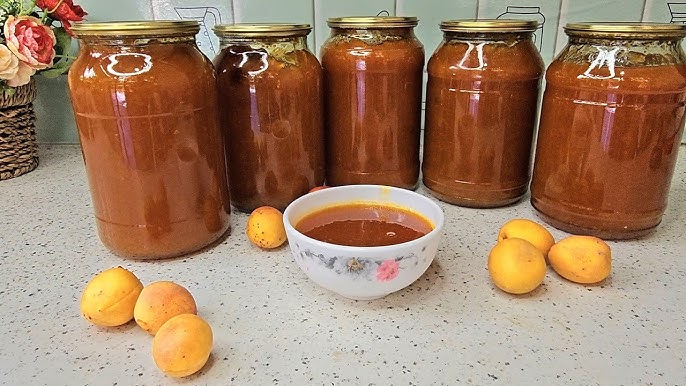
Apricot jelly is bright, delicate, and beautifully smooth, capturing the pure flavor of ripe apricots.
Step 1: Cooking the Apricots
Wash, halve, and pit fresh apricots. Place them in a large pot with enough water to barely cover. Bring to a gentle boil, then simmer for 20–30 minutes until the fruit is very soft.
Step 2: Extracting the Juice
Pour the cooked apricots into a jelly bag, cheesecloth, or fine sieve set over a bowl. Let the juice drip naturally for several hours or overnight. Do not squeeze—this keeps the jelly clear.
Step 3: Testing Natural Pectin
Apricots contain natural pectin. To test, mix 1 teaspoon of cooled juice with 1 tablespoon of rubbing alcohol (discard after testing). If it forms a solid clump, pectin levels are sufficient.
Step 4: Adding Sugar and Acid
Measure the extracted juice. Add equal parts sugar and stir well. Add lemon juice to brighten flavor and help the jelly set.
Step 5: Achieving the Perfect Gel Point
Bring the mixture to a rolling boil, stirring frequently. Cook until it reaches 220°F (104°C) or passes the wrinkle test on a chilled plate.
Step 6: Skimming Foam
Remove from heat and skim off any foam using a spoon. This improves clarity and appearance.
Step 7: Jar Filling and Sealing
Pour hot jelly into sterilized jars, leaving ¼ inch headspace. Wipe rims, seal tightly, and process in a water bath if shelf storage is desired.
This apricot jelly is golden, fragrant, and versatile—perfect for toast, pastries, or cheese boards. 🍑🍯
Water Bath Canning Explained
Water bath canning creates a vacuum seal that:
- Prevents spoilage
- Extends shelf life
- Ensures safety
Always follow correct processing times.
How Long Apricot Jelly Lasts
- Unopened: up to 12 months
- Opened (refrigerated): 3–4 weeks
Store in a cool, dark place.
Apricot Jelly Variations
Low-Sugar Apricot Jelly
Use low-sugar pectin and reduce sugar by half. Flavor becomes fruit-forward and lighter.
Spiced Apricot Jelly
Add cinnamon sticks or cloves during cooking for warmth.
Apricot Jelly with Honey
Replace part of sugar with honey for floral depth.
Ginger or Vanilla Apricot Jelly
Fresh ginger adds heat; vanilla adds softness.
Troubleshooting Common Problems
Why Didn’t My Jelly Set?
- Undercooked
- Not enough acid
- Too much liquid
Reboil with added lemon juice.
Over-Set Jelly
Add warm water and gently reheat.
Cloudy Jelly
Usually caused by squeezing juice bag.
How to Use Apricot Jelly
- Spread on toast and croissants
- Glaze for meats and vegetables
- Filling for pastries
- Paired with cheese
- Swirled into yogurt or oatmeal
It’s versatile, elegant, and endlessly useful.
FAQs about Apricot Jelly Recipe
1. Can I make apricot jelly without pectin?
Yes. Apricots naturally contain pectin, especially when they’re slightly underripe. With proper cooking and added lemon juice, the jelly will set without commercial pectin.
2. Why is my jelly too sweet?
Too much sugar or overcooking can intensify sweetness. You can balance the flavor by adding more lemon juice, which brightens the jelly and reduces the perception of excess sugar.
3. Can I freeze apricot jelly instead of canning?
Yes. Apricot jelly can be frozen in airtight containers. The texture may soften slightly after thawing, but the flavor will remain excellent.
4. Is apricot jelly gluten-free?
Absolutely. Apricot jelly is naturally gluten-free, as it contains only fruit, sugar, and acid.
5. Can I use dried apricots?
Fresh apricots are best. Dried apricots lack natural pectin and clarity, which affects both texture and appearance. They’re better suited for jams or spreads.
These tips will help you make clear, well-balanced apricot jelly with confidence. 🍑🍯
Conclusion
Homemade apricot jelly isn’t just a recipe—it’s a skill worth mastering. Once you’ve made it once, you’ll never go back to store-bought. The flavor is brighter, the texture smoother, and the satisfaction unbeatable. Follow these steps carefully, trust the process, and you’ll have jars of golden perfection ready to enjoy all year long.