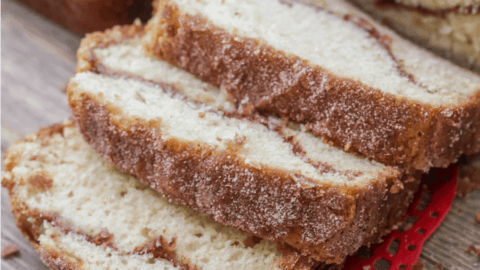
Amish Bread Starter Recipe: If you’ve ever received a mysterious bag of batter with instructions to “mash the bag and wait,” congratulations—you’ve encountered Amish Bread Starter, also known as Amish Friendship Bread Starter. This humble mixture of flour, sugar, milk, and yeast has been passed around kitchens for generations, creating sweet, cinnamon-laced loaves and a sense of community along the way.
In this guide, we’re going all in. You’ll learn how to make Amish bread starter from scratch, how to care for it day by day, how to bake with it, and how to avoid the most common mistakes. Whether you’re a beginner or someone who wants a foolproof, professional-level explanation, you’re in the right place.
Think of this starter like a living pet—feed it, don’t suffocate it, and it will reward you with amazing bread.
Let’s get started.
What Is Amish Bread Starter?
Amish bread starter is a sweet fermented batter used to make Amish Friendship Bread. Unlike sourdough, which relies on wild yeast, this starter uses commercial yeast, making it more predictable and beginner-friendly.
The starter ferments over 10 days, during which it’s fed with flour, sugar, and milk. At the end of the cycle, you divide it, bake with it, and share it—hence the name friendship bread.
Why Amish Bread Starter Is So Popular
There’s a reason this recipe keeps making a comeback:
- Beginner-friendly fermentation
- No special baking skills required
- Soft, sweet, cake-like bread
- Perfect for gifting and sharing
- Customizable flavors
It’s less “science lab” and more “cozy kitchen tradition.”
How Amish Bread Starter Works (The Fermentation Process)
Fermentation happens when yeast consumes sugar and produces gas. That gas creates tiny air pockets, giving the bread a soft texture.
Here’s the simple breakdown:
- Sugar feeds the yeast
- Yeast produces carbon dioxide
- Batter expands and bubbles
- Flavor deepens over time
Because this is a sweet starter, the fermentation is mild—not sour or sharp.
Ingredients You’ll Need for Amish Bread Starter
Basic Starter Ingredients
You only need four pantry staples:
- All-purpose flour – 1 cup
- Granulated sugar – 1 cup
- Milk – 1 cup (whole or 2%)
- Active dry yeast – 1 packet (2¼ teaspoons)
That’s it. No fancy flours. No complicated ratios.
Ingredient Notes and Substitutions
- Milk: Dairy works best. Avoid plant milk unless labeled “unsweetened.”
- Sugar: White sugar is traditional. Brown sugar alters fermentation speed.
- Flour: All-purpose only. Bread flour makes it too dense.
- Yeast: Active dry yeast is ideal. Instant yeast can work but may ferment faster.
Best Tools and Equipment to Use
- Glass or plastic bowl
- Wooden spoon or silicone spatula
- Measuring cups
- Plastic wrap or clean kitchen towel
- Resealable gallon bags (optional)
⚠️ Avoid metal bowls and spoons. Metal can react with fermentation and affect the starter.
Understanding the 10-Day Amish Bread Starter Cycle
The magic happens over 10 days:
- Days 1–4: Fermentation begins
- Day 5: First feeding
- Days 6–9: Maintenance
- Day 10: Final feeding + baking
Consistency matters more than precision. Missing one stir won’t ruin it—but feeding days are non-negotiable.
Step-by-Step Amish Bread Starter Recipe
Day 1: Making the Starter from Scratch
In a large glass or plastic bowl, combine:
- 1 cup warm milk (not hot)
- 1 cup granulated sugar
- 1 cup all-purpose flour
- 1 packet active dry yeast
Stir gently until combined. The mixture will be thick and lumpy—that’s normal.
Cover loosely with plastic wrap or a towel and place it in a warm, draft-free area.
Do not refrigerate.
Day 2–4: Feeding and Letting It Rest
Once a day:
- Stir the mixture gently
- Scrape down the sides
- Re-cover loosely
You may notice bubbles, slight expansion, and a sweet-yeasty smell.
That means it’s alive and happy.
Day 5: First Feeding Day
Add:
- 1 cup flour
- 1 cup sugar
- 1 cup milk
Stir well until smooth. The batter should be pourable but thick—like pancake batter.
Cover again and return to its warm spot.
Day 6–9: Maintaining the Starter
Each day:
- Stir once
- Keep covered
- Leave at room temperature
The starter may rise and fall. That’s normal fermentation behavior.
Day 10: Final Feeding and Baking Day
Add again:
- 1 cup flour
- 1 cup sugar
- 1 cup milk
Stir thoroughly.
Now divide the starter:
- 1 cup to bake
- 1 cup to keep
- 1 cup(s) to share or freeze
How to Store the Starter Each Day
- Keep loosely covered
- Room temperature only
- Avoid direct sunlight
- Stir daily (except feeding days)
What the Starter Should Look and Smell Like
Healthy starter:
- Creamy beige color
- Small bubbles
- Sweet, slightly tangy aroma
Discard if:
- Smells rotten or moldy
- Turns pink, green, or black
How to Bake Amish Friendship Bread Using the Starter
Classic Amish Cinnamon Bread Recipe
Ingredients:
- 1 cup Amish bread starter
- ¾ cup vegetable oil
- 3 eggs
- ½ cup milk
- 1 cup sugar
- 2 teaspoons cinnamon
- 2 teaspoons vanilla
- 2 cups flour
- 1½ teaspoons baking powder
- ½ teaspoon baking soda
- ½ teaspoon salt
For cinnamon swirl:
- ⅓ cup sugar
- 2 teaspoons cinnamon
Baking Instructions
- Preheat oven to 325°F (165°C)
- Grease two loaf pans
- Mix wet ingredients
- Add dry ingredients
- Pour batter into pans
- Sprinkle cinnamon sugar
- Bake 50–60 minutes
Cool before slicing.
Baking Tips for Perfect Texture
- Don’t overmix
- Use room-temperature eggs
- Check doneness with a toothpick
- Let bread rest before slicing
Common Mistakes to Avoid
- Using metal bowls
- Refrigerating the starter
- Skipping feeding days
- Sealing airtight
- Using expired yeast
Troubleshooting Amish Bread Starter Problems
Too thick? Add a splash of milk
Too runny? Add 1–2 tablespoons flour
No bubbles? Move to warmer area
Strong smell? Stir and continue
How to Store, Freeze, or Share Amish Bread Starter
- Short-term: Room temperature
- Freezing: Freeze in airtight bag up to 3 months
- Sharing: Label with day-by-day instructions
Flavor Variations and Creative Uses
- Chocolate chip bread
- Banana nut bread
- Pumpkin spice loaf
- Blueberry lemon muffins
- Pancakes and waffles
Nutritional Information and Serving Suggestions
Per slice (approximate):
- Calories: 180–220
- Carbs: 30g
- Fat: 8g
- Protein: 4g
Serve with coffee, tea, or as a breakfast loaf.
Why This Recipe Works Every Time
- Balanced sugar-to-yeast ratio
- Controlled fermentation
- Simple ingredients
- Flexible baking options
It’s forgiving, reliable, and delicious.
FAQs about Amish Bread Starter Recipe
1. Can I make Amish bread starter without yeast?
No. This recipe depends on commercial yeast to start fermentation reliably. Without yeast, the starter will not activate properly.
2. Can I refrigerate the starter?
Yes, but only after day 10. Refrigeration slows fermentation and is best used once the starter is mature or if you need to pause feeding.
3. How long does Amish bread last?
Amish bread stays fresh for up to 3 days at room temperature when stored in an airtight container, or up to 1 week in the refrigerator.
4. Can I double the recipe?
Yes. You can scale the recipe up as long as you keep the feeding ratios consistent. This ensures proper fermentation and texture.
5. Is Amish bread starter the same as sourdough?
No. Amish bread starter is sweet and yeast-based, while sourdough relies on wild fermentation and has a tangy flavor profile.
These tips will help you maintain a healthy, predictable Amish bread starter and bake with confidence. 🍞
Conclusion
Amish bread starter is more than a recipe—it’s a tradition. With just a few pantry staples and a little patience, you can create a living starter that feeds families, friendships, and cravings for something homemade and comforting. Follow this step-by-step guide, trust the process, and enjoy the reward: soft, cinnamon-scented loaves that feel like a warm hug from the oven.