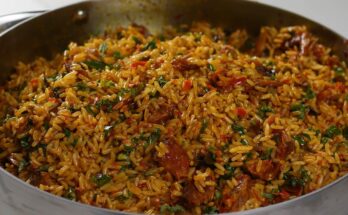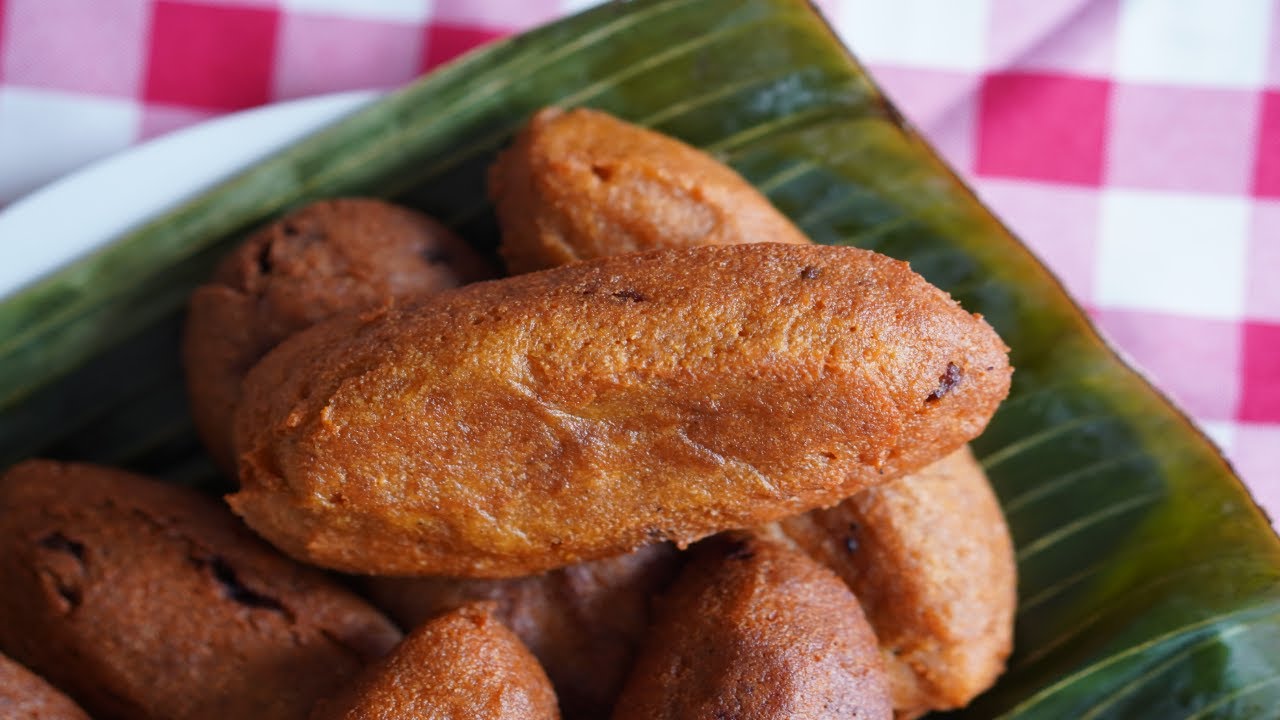
Alcapurrias Recipe: If there’s one food that instantly transports you to the streets of the Caribbean, it’s alcapurrias. Crispy on the outside, soft and savory on the inside, these golden fritters are pure comfort wrapped in tradition. Think of them as the Caribbean’s answer to stuffed fritters—bold, flavorful, and impossible to eat just one.
Alcapurrias are especially popular as street food. Vendors fry them fresh, serve them hot, and hand them over wrapped in paper like edible gold. But here’s the good news: you don’t need a street cart to enjoy authentic alcapurrias. With the right ingredients and a little patience, you can make restaurant-quality alcapurrias right at home.
This guide walks you through everything—ingredients, techniques, common mistakes, and pro tips—so you can master this iconic dish confidently.
What Are Alcapurrias Made Of?
At their core, alcapurrias have two main components: the masa (dough) and the filling.
The Masa (Dough)
The masa is what makes alcapurrias unique. Unlike flour-based doughs, alcapurrias use grated root vegetables for a rich, earthy flavor.
Common ingredients include:
- Yautía (taro root) – adds elasticity and structure
- Green bananas – provide firmness
- Green plantains – add body and flavor
These are grated raw, then seasoned and mixed into a thick, slightly sticky dough.
The Filling (Picadillo)
The filling is usually savory and well-seasoned, often made with:
- Ground beef or chicken
- Sofrito
- Tomato sauce
- Olives, capers, and spices
The contrast between the crispy shell and juicy filling is what makes alcapurrias unforgettable.
Ingredients You’ll Need
Ingredients for the Masa
- 2 pounds yautía (taro root)
- 3 green bananas
- 1 green plantain
- 2 tablespoons achiote oil (for color and flavor)
- 1 teaspoon salt
- ½ teaspoon black pepper
- 1 teaspoon garlic powder
Ingredients for the Filling (Beef Picadillo)
- 1 pound ground beef
- 2 tablespoons olive oil
- ½ cup sofrito
- ½ cup tomato sauce
- ¼ cup green olives, chopped
- 1 teaspoon cumin
- 1 teaspoon oregano
- Salt and pepper to taste
Ingredients for Frying & Serving
- Vegetable or canola oil (for deep frying)
- Optional dipping sauces (garlic sauce, hot sauce)
Kitchen Tools You’ll Need
Before you start, make sure you have:
- A box grater or food processor
- Large mixing bowls
- Heavy-bottom frying pan or deep fryer
- Slotted spoon
- Paper towels
Having everything ready makes the process smooth and stress-free.
Step-by-Step Guide to Making Alcapurrias
Step 1 – Preparing the Root Vegetables
Peel the yautía, bananas, and plantain carefully. Rinse them well to remove excess starch. Keep them submerged in water until ready to grate to prevent browning.
Step 2 – Making the Masa
Grate all the root vegetables finely. Transfer to a large bowl and mix with:
- Achiote oil
- Salt
- Pepper
- Garlic powder
Stir until you get a thick, cohesive dough. It should be moist but not watery.
Step 3 – Preparing the Picadillo Filling
Heat olive oil in a pan. Add sofrito and cook until fragrant. Add ground beef and cook until browned. Stir in tomato sauce, olives, and spices. Cook until thick and flavorful. Let it cool completely before assembling.
Step 4 – Assembling the Alcapurrias
Scoop a portion of masa into your palm. Flatten it gently. Add a spoonful of filling in the center. Carefully fold and seal, shaping into an oval or torpedo form.
Step 5 – Frying the Alcapurrias
Heat oil to 350°F (175°C). Fry alcapurrias in batches, turning occasionally, until golden brown—about 5–7 minutes.
Step 6 – Draining and Resting
Remove and drain on paper towels. Let them rest for a minute before serving.
Common Mistakes to Avoid
- Too much moisture in the masa causes breakage
- Overfilling leads to leaks
- Oil too cold results in greasy alcapurrias
Small details make a big difference.
Variations of Alcapurrias
Beef Alcapurrias
Classic and bold, perfect for first-timers.
Chicken Alcapurrias
Lighter but still flavorful.
Seafood Alcapurrias
Shrimp or crab fillings are incredibly popular.
Vegetarian Alcapurrias
Use seasoned lentils or mushrooms for a plant-based twist.
Best Oil and Frying Temperature Explained
Choosing the Right Oil
Neutral oils like vegetable or canola work best.
Ideal Frying Temperature
Maintain 350°F to achieve crispiness without burning.
How to Store and Reheat Alcapurrias
Refrigeration
Store cooked alcapurrias in an airtight container for up to 3 days.
Freezing
Freeze uncooked alcapurrias individually, then fry straight from frozen.
Reheating
Reheat in an oven or air fryer for best texture.
What to Serve with Alcapurrias
- Garlic sauce
- Spicy mayo
- Fresh salad or fried plantains
Nutritional Overview
Alcapurrias are:
- High in carbohydrates
- Moderate in protein
- Rich in flavor and energy
They’re indulgent, not diet food—and that’s okay.
Why Homemade Alcapurrias Taste Better
When you make them yourself:
- You control seasoning
- You use fresh oil
- You adjust fillings to taste
Homemade always wins.
Pro Tips for Perfect Street-Style Alcapurrias
- Chill masa slightly before shaping
- Wet hands to prevent sticking
- Fry in small batches
FAQs about Alcapurrias Recipe
1. Can I make alcapurrias ahead of time?
Yes. Alcapurrias can be prepared in advance and frozen uncooked. This helps them hold their shape better and prevents them from becoming oily when fried. Fry directly from frozen—no thawing needed.
2. Why is my masa falling apart?
This usually means the masa has too much moisture or not enough yautía (taro root) to bind it properly. Make sure excess liquid is squeezed out of grated ingredients and the masa is well mixed.
3. Can I bake alcapurrias instead of frying?
Traditional alcapurrias are fried for their signature crispy exterior. However, air frying is a workable alternative, though the texture will be slightly different and less crisp than deep frying.
4. Are alcapurrias gluten-free?
Yes. Alcapurrias are naturally gluten-free because they’re made from root vegetables like yautía and green bananas, not wheat flour.
5. What’s the best filling for beginners?
Beef picadillo is the easiest and most forgiving filling. It’s flavorful, holds together well, and is less likely to release excess moisture during cooking.
These tips will help you make well-structured, flavorful alcapurrias with confidence.
Conclusion
Alcapurrias are more than food—they’re an experience. Crispy, savory, and deeply satisfying, they bring Caribbean flavors straight to your kitchen. With this step-by-step guide, you now have everything you need to make authentic, professional-quality alcapurrias at home. Once you try them, they’ll become a regular favorite.