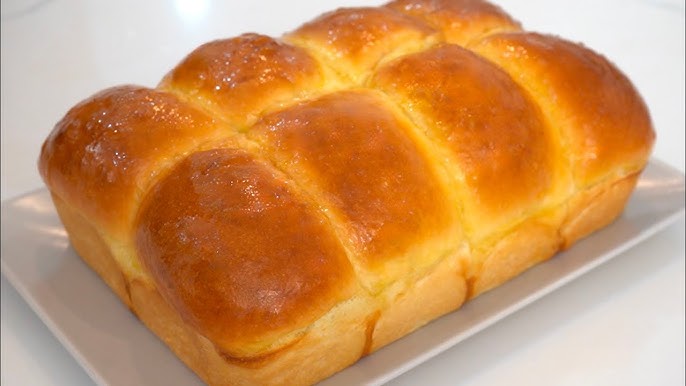
Yogurt Bread Recipe: Yogurt bread is one of those magical recipes that feels almost too simple for how good the results are. Imagine slicing into a warm loaf with a soft, tender crumb, a lightly golden crust, and a subtle tang that makes every bite interesting without being overpowering. That’s yogurt bread in a nutshell.
This recipe has become increasingly popular among home bakers because it delivers reliable results, requires minimal ingredients, and doesn’t demand professional baking skills. Whether you’re new to bread baking or someone who bakes regularly, yogurt bread is one of those dependable recipes that always earns a spot in your kitchen rotation.
What Is Yogurt Bread?
Yogurt bread is a homemade bread recipe that uses yogurt as a key ingredient to improve moisture, texture, and flavor. Depending on the method, it can be made with or without yeast, making it extremely versatile. The yogurt acts as a tenderizer, giving the bread a soft crumb while also adding a mild tang similar to sourdough—without the long fermentation process.
Why Yogurt Bread Is Gaining Popularity
People are turning to yogurt bread because it:
- Requires fewer ingredients than traditional bread
- Stays moist longer
- Can be made quickly
- Works for both sweet and savory recipes
- Is beginner-friendly
In a world where time matters, yogurt bread offers homemade quality without complexity.
Taste, Texture, and Aroma Overview
Yogurt bread has:
- A soft, fluffy interior
- A lightly crisp crust
- A gentle tangy flavor
- A comforting, bakery-style aroma
It’s mild enough to pair with sweet toppings like honey or jam, yet sturdy enough for savory spreads, sandwiches, or soups.
Why Bake Bread with Yogurt?
Yogurt as a Natural Dough Improver
Yogurt contains natural acids that help relax gluten strands. This makes the dough easier to work with and results in a softer finished loaf. It’s similar to what buttermilk does in baking—but with more body and creaminess.
How Yogurt Affects Texture and Moisture
One of the biggest benefits of yogurt is moisture retention. Yogurt traps water in the dough, which:
- Prevents dryness
- Keeps bread soft for days
- Reduces crumbly texture
Nutritional Advantages of Yogurt Bread
Protein Content
Yogurt adds protein, making yogurt bread slightly more filling than standard white bread.
Digestive Benefits
Using yogurt with live cultures can make bread easier to digest for some people.
Reduced Fat Options
You can use low-fat or non-fat yogurt without sacrificing texture.
Types of Yogurt Bread You Can Make
No-Yeast Yogurt Bread
Quick and easy. Ideal when you want bread fast.
Yeasted Yogurt Bread
More traditional texture with added softness.
Whole Wheat Yogurt Bread
Heartier, richer in fiber, and deeply satisfying.
Sweet vs Savory Yogurt Bread
From cinnamon-infused loaves to garlic-herb bread, yogurt adapts beautifully.
Ingredients You’ll Need
Core Ingredients
- All-purpose flour
- Plain yogurt (Greek or regular, thick)
- Baking powder or yeast
- Salt
- Sugar or honey
- Oil or melted butter
- Water or milk (if needed)
Optional Add-Ins
- Seeds (sesame, flax, sunflower)
- Herbs (rosemary, thyme)
- Dried fruits
- Cheese
Ingredient Substitutions
Dairy-Free Options
Use plant-based yogurt with a thick consistency.
Gluten-Free Adjustments
Use gluten-free flour blends with binding agents.
Essential Tools and Equipment
Baking Tools
- Mixing bowl
- Measuring cups and spoons
- Loaf pan or baking tray
- Oven
Measuring Tips for Accuracy
Always level your flour and measure yogurt precisely to avoid dense bread.
Step-by-Step Yogurt Bread Recipe
Step 1 – Preparing the Ingredients
Gather all ingredients and bring them to room temperature. You’ll need plain yogurt, flour, yeast or baking powder (depending on recipe style), salt, and a little oil or butter. Proper prep ensures even mixing and consistent results.
Step 2 – Mixing the Dough
In a large bowl, combine the yogurt with the leavening agent and oil. Gradually add the flour and salt, mixing until a soft, slightly sticky dough forms. The yogurt adds moisture and tenderness to the bread.
Step 3 – Kneading or Folding
Turn the dough onto a lightly floured surface. Knead for 5–8 minutes until smooth and elastic, or gently fold the dough in the bowl if it’s a no-knead version. Proper development gives the bread structure without toughness.
Step 4 – Resting and Proofing
Place the dough in a lightly oiled bowl, cover, and let it rest in a warm spot. If using yeast, allow it to rise until doubled, about 1–2 hours. For quick breads, a short 10–15 minute rest is enough.
Step 5 – Shaping the Bread
Gently deflate the dough and shape it into a loaf or round, depending on your pan or baking style. Place it into a greased loaf pan or onto a lined baking tray.
Step 6 – Baking the Bread
Bake in a preheated 375°F (190°C) oven for 30–40 minutes, until golden brown and the loaf sounds hollow when tapped. Tent with foil if it browns too quickly.
Step 7 – Cooling and Slicing
Transfer the bread to a wire rack and cool for at least 20 minutes before slicing. Cooling allows the crumb to set and prevents gumminess.
This yogurt bread is soft, lightly tangy, and perfect for toast, sandwiches, or simple snacking.
Baking Tips for Perfect Yogurt Bread
Avoiding Dense Bread
Don’t over-mix. Soft dough equals soft bread.
How to Get a Soft Crumb
Use thick yogurt and adequate resting time.
Crust Color and Finish
Brush with milk or butter for shine.
Common Mistakes and How to Fix Them
Bread Didn’t Rise
Check baking powder or yeast freshness.
Bread Too Sour
Use fresh yogurt and avoid over-proofing.
Gummy or Wet Texture
Bake fully and cool before slicing.
Flavor Variations and Enhancements
Sweet Yogurt Bread Ideas
- Honey and vanilla
- Cinnamon swirl
- Lemon zest
Savory Yogurt Bread Ideas
- Garlic and herbs
- Cheese and black pepper
- Olive and rosemary
Herbs, Seeds, and Spices
Add texture and aroma without changing structure.
Serving Suggestions
Breakfast Ideas
Toast with butter, honey, or jam.
Lunch and Dinner Pairings
Perfect with soups, salads, and stews.
Toasting and Storage Tips
Toasts beautifully without drying out.
How to Store Yogurt Bread
Room Temperature Storage
Store in an airtight container for 2–3 days.
Refrigeration
Extends shelf life but may dry slightly.
Freezing Yogurt Bread
Freeze sliced for up to 3 months.
Yogurt Bread Nutrition Overview
Calories and Macronutrients
Balanced carbs, moderate protein, and controlled fat.
Is Yogurt Bread Healthy?
Yes—especially compared to store-bought bread with preservatives.
FAQs about Yogurt Bread Recipe
1. Can I use flavored yogurt?
Yes, you can. However, plain yogurt works best if you want a neutral flavor. Flavored yogurt will add sweetness and can slightly change the taste of the bread.
2. Why is my yogurt bread dense?
Dense bread is usually caused by too much flour or insufficient resting or proofing time. Measuring flour accurately and allowing the dough to rest properly improves texture.
3. Can I make yogurt bread without an oven?
Yes. Yogurt bread can be cooked on a stovetop using a heavy, covered pan over low heat. This method requires patience to ensure even cooking.
4. Is Greek yogurt better than regular yogurt?
Greek yogurt creates a richer, denser crumb due to its thicker consistency. Regular yogurt works too but may result in a lighter texture.
5. How do I make yogurt bread fluffier?
Use fresh leavening agents, avoid over-mixing the dough, and allow enough time for resting or proofing.
These tips help you achieve soft, flavorful yogurt bread with consistent results.
Conclusion
Yogurt bread is proof that great bread doesn’t need to be complicated. With simple ingredients, minimal effort, and reliable results, it’s one of the most rewarding recipes you can bake at home. Whether you prefer it sweet, savory, quick, or yeasted, yogurt bread adapts to your needs and delivers comfort in every slice.