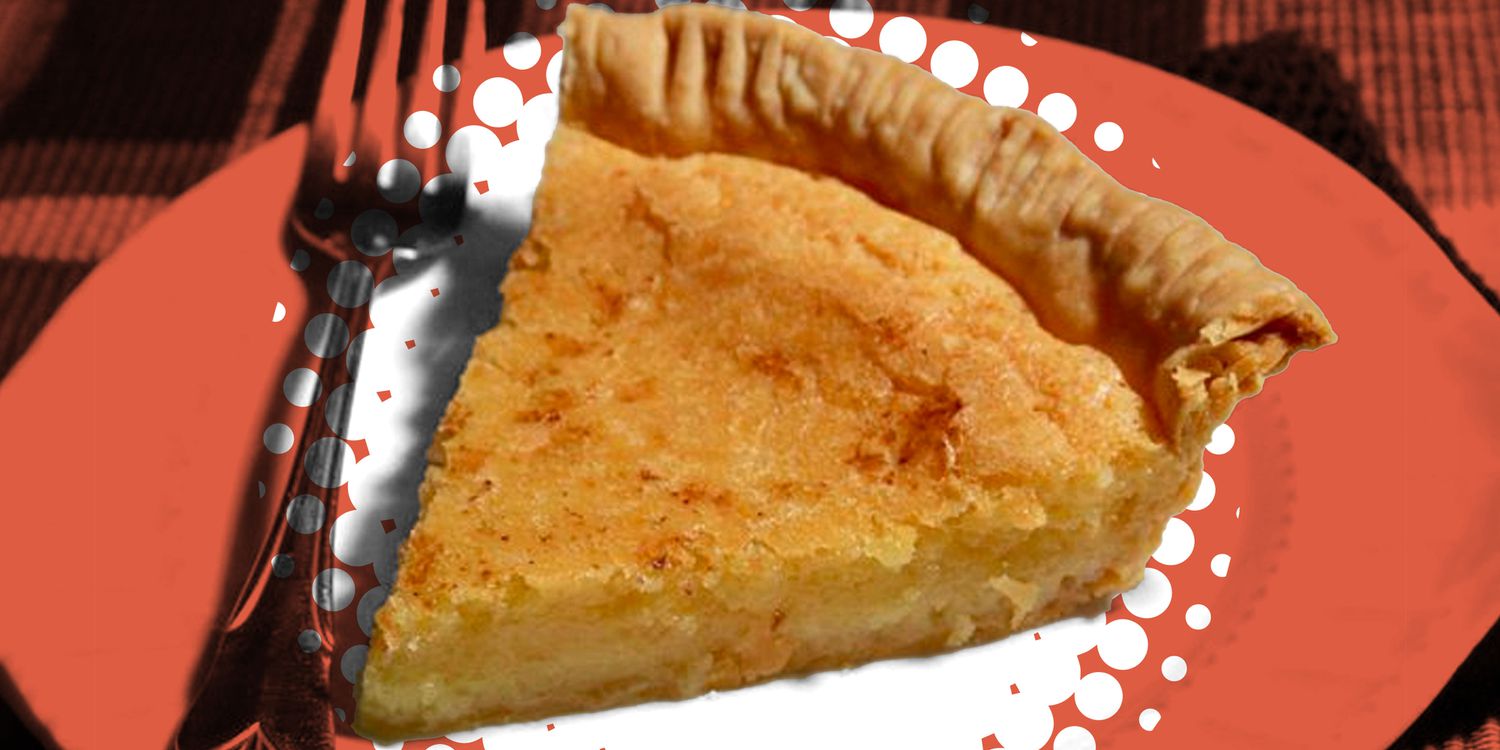
Vinegar Pie Recipe: Vinegar pie is one of those recipes that makes people pause and say, “Wait… vinegar?” But trust me—this old-fashioned dessert is pure comfort in pie form. Vinegar pie is a classic Southern and Depression-era dessert made with pantry staples like sugar, eggs, butter, and a small amount of vinegar. That vinegar doesn’t make the pie sour. Instead, it brightens the sweetness, much like lemon juice does in a lemon pie.
Think of it as the quiet cousin of lemon chess pie—smooth, custardy, slightly tangy, and deeply nostalgic.
Why You’ll Love This Vinegar Pie Recipe
If you enjoy simple desserts with big flavor, vinegar pie will win you over fast.
- It’s incredibly affordable – Made from basic pantry ingredients.
- It’s easy – No fancy techniques or equipment needed.
- It tastes sophisticated – Sweet, buttery, and gently tangy.
- It keeps well – Perfect for make-ahead desserts.
This is the kind of pie your grandmother probably made without measuring cups—and somehow it always turned out perfect.
Ingredients You’ll Need
Pie Crust
- 1 unbaked 9-inch pie crust (homemade or store-bought)
Vinegar Pie Filling
- 1 cup granulated sugar
- 2 tablespoons all-purpose flour
- 4 large eggs
- 1/2 cup unsalted butter, melted and cooled slightly
- 1/4 cup whole milk or evaporated milk
- 1 tablespoon apple cider vinegar or white vinegar
- 1 teaspoon vanilla extract
- 1/4 teaspoon salt
Optional Flavor Enhancements
- 1/4 teaspoon ground nutmeg
- 1/4 teaspoon ground cinnamon
- Zest of 1 lemon (optional but lovely)
Kitchen Tools You’ll Need
- Mixing bowl
- Whisk
- Measuring cups and spoons
- 9-inch pie dish
- Oven
Nothing fancy here—this recipe keeps things refreshingly simple.
Step-by-Step Guide to Making Vinegar Pie
Step 1 – Prepare the Pie Crust
Preheat your oven to 350°F (175°C). Place your unbaked pie crust into a 9-inch pie dish and crimp the edges. Set aside while you prepare the filling.
Step 2 – Mix the Dry Ingredients
In a large mixing bowl, whisk together the sugar, flour, and salt. This ensures the flour distributes evenly and prevents lumps later.
Step 3 – Add the Eggs
Crack in the eggs and whisk until the mixture becomes smooth and slightly thickened. You’re building the custard base here—slow and steady wins.
Step 4 – Add Butter and Milk
Pour in the melted butter and milk, whisking continuously. The filling should look silky and glossy at this point.
Step 5 – Balance the Vinegar Flavor
Now comes the star ingredient. Add the vinegar and vanilla extract. Don’t panic—this small amount of vinegar won’t overpower the pie. Instead, it sharpens the sweetness and gives the pie its signature flavor.
If using spices or lemon zest, stir them in now.
Step 6 – Fill the Pie Crust
Carefully pour the filling into the prepared pie crust. Tap the pie dish gently on the counter to release any air bubbles.
Step 7 – Bake the Pie
Place the pie on the center rack of the oven and bake for 45–50 minutes, or until the center is just set. It should jiggle slightly but not look wet.
If the crust edges brown too quickly, loosely cover them with foil.
Step 8 – Cool and Set
Remove the pie from the oven and let it cool completely at room temperature. The filling will firm up as it cools, giving you that classic custard texture.
How to Know When Vinegar Pie Is Done
- The edges are fully set
- The center jiggles slightly but doesn’t ripple
- A knife inserted near the center comes out mostly clean
Overbaking is the enemy here—custard pies continue to cook as they cool.
Common Mistakes to Avoid
Using Too Much Vinegar
More is not better. Stick to the recipe or the pie will taste sharp instead of balanced.
Overbaking
A dry vinegar pie loses its creamy charm. Pull it from the oven while the center still has a gentle wobble.
Skipping Cooling Time
This pie needs time to set. Cutting too early leads to a runny slice.
Vinegar Pie Flavor Variations
Lemon Vinegar Pie
Replace half the vinegar with fresh lemon juice and add extra lemon zest for a brighter flavor.
Spiced Vinegar Pie
Increase cinnamon and nutmeg slightly for a warm, holiday-style dessert.
Vanilla-Forward Vinegar Pie
Add an extra 1/2 teaspoon vanilla for a richer, bakery-style flavor.
How to Serve Vinegar Pie
Best Toppings
- Fresh whipped cream
- Vanilla ice cream
- Light dusting of powdered sugar
When to Serve It
Vinegar pie is perfect for:
- Sunday dinners
- Holiday dessert tables
- Potlucks and gatherings
It’s unexpected—in the best way.
How to Store and Reheat Vinegar Pie
- Refrigerator: Store covered for up to 4 days
- Freezer: Wrap tightly and freeze for up to 2 months
- Reheating: Serve cold or let sit at room temperature for 30 minutes
This pie actually tastes even better the next day.
Is Vinegar Pie Healthy?
Vinegar pie is a dessert, not a health food—but it’s lighter than many cream-based pies. Smaller slices go a long way thanks to its rich flavor.
Vinegar Pie vs Chess Pie vs Buttermilk Pie
- Vinegar Pie: Sweet with gentle tang
- Chess Pie: Sweeter, richer, cornmeal-based
- Buttermilk Pie: Creamier with dairy tang
They’re all cousins—but vinegar pie is the most subtle and refined.
FAQs about Vinegar Pie Recipe
1. Does vinegar pie taste like vinegar?
No. The vinegar enhances the sweetness and balances the flavors without making the pie taste sour or vinegary.
2. What type of vinegar works best?
Apple cider vinegar is the preferred choice because it adds mild fruitiness, but plain white vinegar works just as well.
3. Can I make vinegar pie ahead of time?
Yes. Vinegar pie actually tastes better the next day after it has fully chilled and the flavors have settled.
4. Can I use a store-bought crust?
Absolutely. A store-bought crust works perfectly and is a great time-saving option.
5. Is vinegar pie the same as depression pie?
They are closely related. Vinegar pie is one of several “desperation pies” traditionally made with simple pantry staples.
Conclusion
Vinegar pie is proof that simple ingredients can create something extraordinary. It’s sweet, creamy, lightly tangy, and deeply comforting—like a handwritten recipe passed down through generations. If you’ve never tried it before, this recipe is the perfect place to start. One bite, and you’ll understand why this humble pie has stood the test of time.