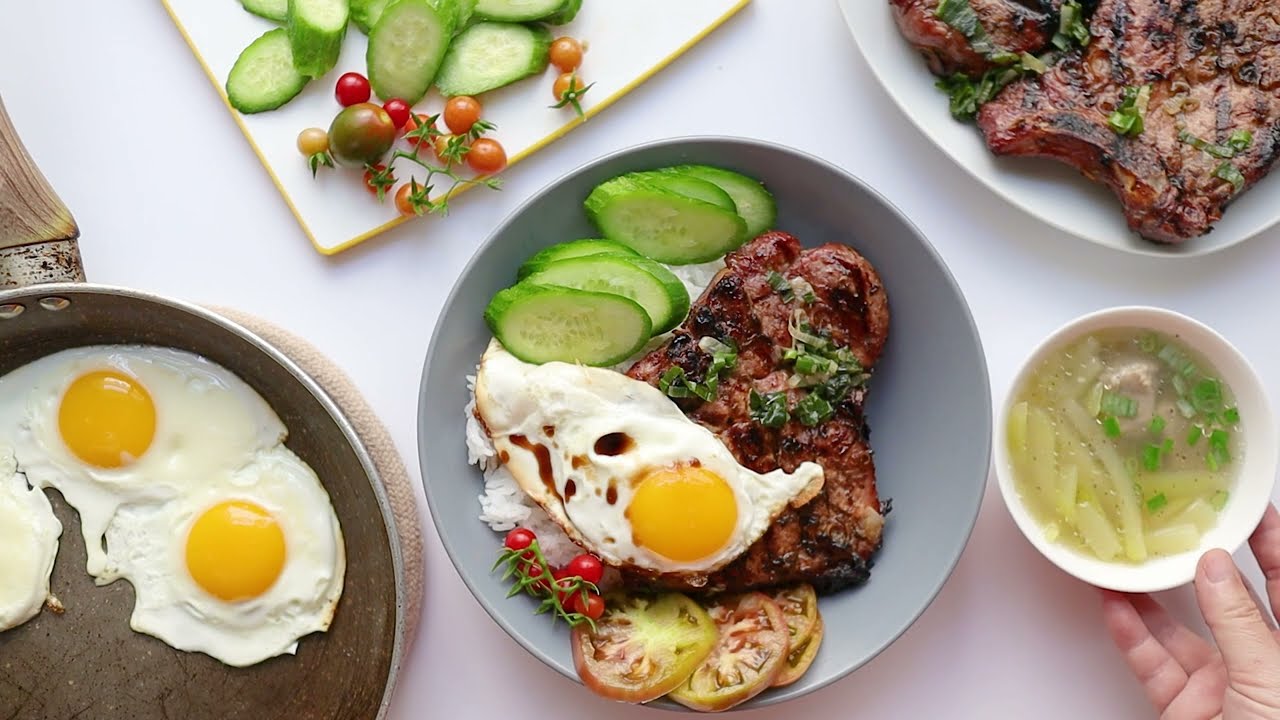
Vietnamese Pork Chop Recipe: Vietnamese pork chops are bold, smoky, savory, slightly sweet, and deeply comforting. If you’ve ever tasted Cơm Sườn (Vietnamese broken rice with grilled pork chop) at a Vietnamese restaurant, you already know how unforgettable this dish can be. The good news? You don’t need a restaurant kitchen to recreate it. With the right marinade, technique, and timing, you can make authentic Vietnamese pork chops at home—juicy on the inside, caramelized on the outside, and bursting with flavor.
This professional, guide walks you through everything: ingredients, marinade secrets, step-by-step cooking methods, and expert tips that guarantee success.
What Makes Vietnamese Pork Chops So Special?
Vietnamese pork chops stand out because they balance sweet, savory, smoky, and umami flavors perfectly. Think of it like a well-composed song—every ingredient hits its note without overpowering the others.
Flavor Profile Explained
The sweetness usually comes from sugar or honey, the savory punch from fish sauce and soy sauce, and the depth from garlic and shallots. When grilled or seared, these ingredients caramelize, forming that signature golden crust.
Why the Marinade Matters
Unlike quick Western marinades, Vietnamese pork chop marinade penetrates deeply. It’s not just a surface flavor—it transforms the meat from the inside out.
Ingredients You’ll Need
Pork Chops
- 4 bone-in or boneless pork chops (¾–1 inch thick)
Marinade Ingredients
- 3 tablespoons fish sauce
- 2 tablespoons soy sauce
- 2 tablespoons sugar (or brown sugar)
- 1 tablespoon honey (optional, for extra caramelization)
- 2 tablespoons neutral oil (vegetable or canola)
- 1 tablespoon oyster sauce
- 1 tablespoon minced garlic
- 1 tablespoon minced shallot
- ½ teaspoon ground black pepper
Optional Add-Ons
- Lemongrass (finely minced)
- Chili flakes or fresh chili
- Coconut water (for tenderness)
Choosing the Best Pork Chops
Bone-In vs Boneless
Bone-in pork chops retain more moisture and flavor, while boneless chops cook faster and are easier to slice. Both work beautifully in this recipe.
Thickness Matters
Aim for chops that are at least ¾ inch thick. Thin chops dry out quickly, while thicker ones stay juicy and forgiving.
Vietnamese Pork Chop Marinade Explained
Sweet Elements
Sugar and honey help caramelize the pork during cooking, giving it that irresistible golden finish.
Savory and Umami Base
Fish sauce is the backbone—it adds depth without making the dish taste “fishy.” Soy sauce and oyster sauce layer in richness.
Traditional vs Modern Tweaks
Traditional recipes rely heavily on sugar and fish sauce. Modern versions sometimes reduce sugar or add lemongrass for freshness. Both are valid—cook to your taste.
Step-by-Step Guide to Making Vietnamese Pork Chops
Step 1 – Preparing the Pork
Pat the pork chops dry with paper towels. Lightly score the edges to prevent curling during cooking.
Step 2 – Mixing the Marinade
In a bowl, combine fish sauce, soy sauce, sugar, honey, oil, oyster sauce, garlic, shallot, and pepper. Stir until the sugar dissolves completely.
Step 3 – Marinating the Pork
Place pork chops in a bowl or zip-top bag. Pour the marinade over them, ensuring even coverage.
- Minimum: 30 minutes
- Ideal: 4–8 hours
- Maximum: 24 hours (avoid longer to prevent mushy texture)
Step 4 – Cooking the Pork Chops
Grilling (Best Flavor)
- Preheat grill to medium-high
- Grill pork chops 4–5 minutes per side
- Baste lightly with leftover marinade
Pan-Searing
- Heat a skillet over medium-high
- Add a small amount of oil
- Cook 4–5 minutes per side until caramelized
Oven-Finishing
- Sear first, then bake at 375°F (190°C) for 5–7 minutes if chops are thick
How to Know When Pork Chops Are Done
Internal Temperature
The safe internal temperature is 145°F (63°C). Let rest for 3–5 minutes before serving.
Visual and Texture Cues
Juices should run clear, and the meat should feel firm but springy when pressed.
Common Mistakes to Avoid
Over-Marinating
Too long in a salty marinade can break down the meat excessively.
Cooking Over Excessively High Heat
High sugar content means the pork can burn quickly. Medium-high heat is ideal.
Serving Suggestions
Traditional Vietnamese Style
Serve with:
- Broken rice
- Fried egg
- Pickled carrots and daikon
- Fresh cucumber slices
Modern Pairings
- Steamed jasmine rice
- Rice noodles
- Asian slaw or grilled vegetables
Storage and Reheating Tips
Refrigeration
Store cooked pork chops in an airtight container for up to 3 days.
Freezing and Reheating
Freeze for up to 2 months. Reheat gently in a skillet or oven to maintain moisture.
Nutritional Notes
Vietnamese pork chops are high in protein and can be balanced with vegetables and rice for a complete meal. Adjust sugar levels if you’re watching carbs.
FAQs about Vietnamese Pork Chop Recipe
1. Can I use chicken instead of pork?
Yes. Chicken thighs are the best substitute because they stay juicy and absorb the marinade very well. Avoid chicken breast, which can dry out easily.
2. Is fish sauce necessary?
Fish sauce is highly recommended for authentic depth and umami flavor. However, if unavailable, soy sauce alone can work in a pinch, though the taste will be slightly different.
3. Can I cook these in an air fryer?
Yes. Cook at 375°F (190°C) for 12–14 minutes, flipping halfway through, until fully cooked and lightly caramelized.
4. Why is my pork chop dry?
Dry pork chops are usually the result of overcooking or using very thin cuts. Use medium-thickness chops and cook just until done.
5. Can I make the marinade ahead of time?
Absolutely. The marinade can be prepared in advance and stored in the refrigerator for up to one week, making meal prep easier.
Final Thoughts
Vietnamese pork chops prove that simple ingredients, when used thoughtfully, can create extraordinary flavor. Whether you grill them for a weekend dinner or pan-sear them for a quick meal, this recipe delivers consistency, authenticity, and serious satisfaction.