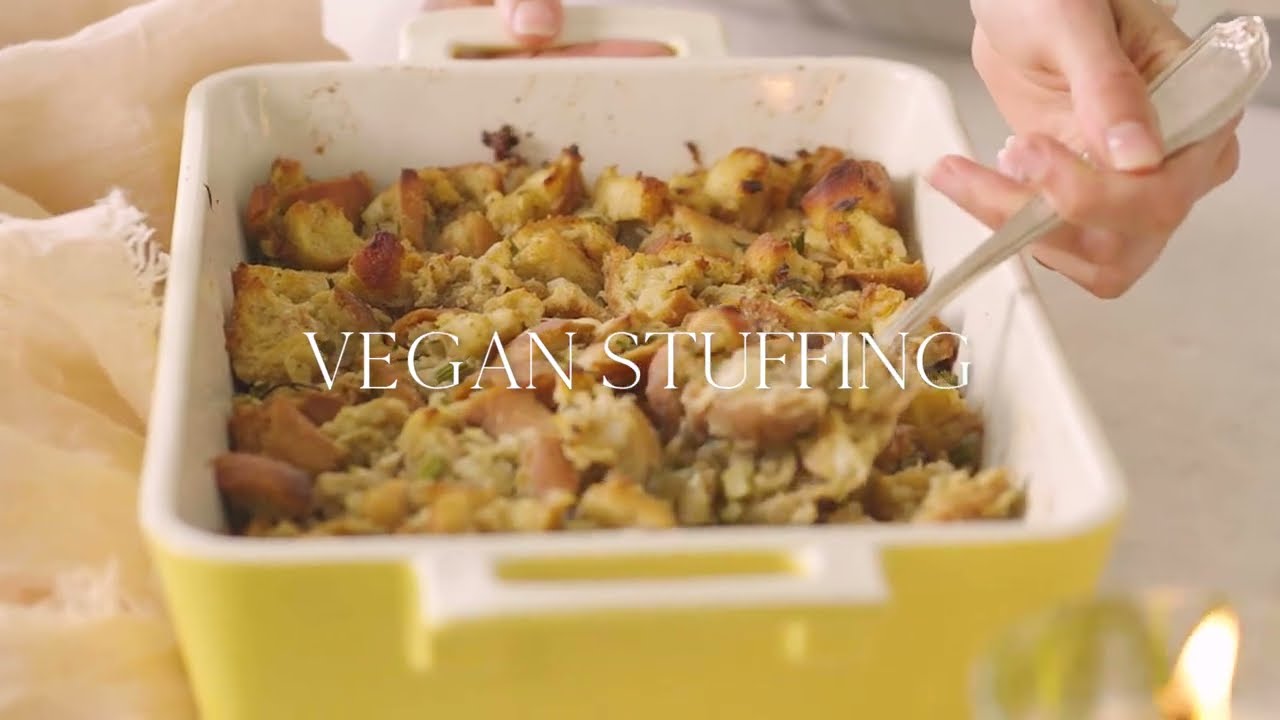
Vegetarian Stuffing Recipe: There’s something deeply comforting about a warm dish of vegetarian stuffing. It’s cozy, herby, golden on top, soft in the middle, and packed with flavor in every bite. Whether you’re preparing a holiday feast, planning a Sunday family dinner, or simply craving a hearty plant-based side dish, this vegetarian stuffing recipe delivers every single time.
We’ll walk through everything—from choosing the right bread to mastering moisture balance, layering flavors, baking techniques, storage tips, and creative variations. Think of this as the only vegetarian stuffing guide you’ll ever need.
Let’s dive in.
What Is Vegetarian Stuffing?
Vegetarian stuffing is a bread-based savory dish traditionally served as a side, especially during holidays like Thanksgiving and Christmas. Unlike classic stuffing, this version contains no meat, poultry drippings, or animal fats. Instead, it relies on vegetables, herbs, butter or plant-based fats, and flavorful vegetable broth to deliver richness.
Think of vegetarian stuffing as the quiet hero of the dinner table. It doesn’t shout for attention, but once you taste it, everything else fades into the background.
Why This Vegetarian Stuffing Recipe Works
This recipe isn’t just good—it’s reliable, flexible, and deeply flavorful. Here’s why it stands out:
- Perfect texture balance: Crispy edges, moist center
- Layered flavors: Aromatics, herbs, and broth build depth
- Customizable: Vegan, gluten-free, nut-free options included
- Beginner-friendly: Clear steps with pro tips
- Make-ahead friendly: Ideal for stress-free hosting
If stuffing were a symphony, this recipe would hit every note—soft, savory, herby, and comforting.
Ingredients You’ll Need
Let’s break this down carefully. Great stuffing starts with great ingredients.
Bread (The Foundation)
- 10–12 cups day-old bread, cubed
- White bread
- Sourdough
- French bread
- Whole wheat
👉 Stale bread is essential—it absorbs flavor without turning mushy.
Vegetables (Flavor Builders)
- 2 tbsp butter or olive oil
- 1 large onion, finely chopped
- 3 stalks celery, diced
- 2 cloves garlic, minced
- 1 cup mushrooms, chopped (optional but recommended)
- 1 carrot, finely diced (optional)
Herbs & Seasonings
- 2 tsp fresh sage, chopped (or 1 tsp dried)
- 1 tsp fresh thyme
- 1 tbsp fresh parsley
- ½ tsp rosemary, finely chopped
- Salt to taste
- Black pepper to taste
Liquids & Flavor Enhancers
- 2½ – 3 cups vegetable broth
- 1 tsp soy sauce or tamari (optional, umami boost)
- 1 tsp nutritional yeast (optional)
Essential Equipment
- Large skillet or sauté pan
- Mixing bowl
- Baking dish (9×13 works perfectly)
- Wooden spoon
- Aluminum foil
Step-by-Step Guide to Making Vegetarian Stuffing
This is where the magic happens. Follow each step carefully.
Step 1: Prepare the Bread
Cut your bread into 1-inch cubes. Spread them on a baking sheet and let them air-dry overnight, or toast lightly at 300°F (150°C) for 15–20 minutes.
👉 Dry bread = perfect stuffing texture.
Step 2: Sauté the Vegetables
Heat butter or oil in a large skillet over medium heat. Add onions and celery. Cook for 6–8 minutes until soft and translucent.
Add garlic, mushrooms, and carrots. Cook another 4–5 minutes until fragrant.
This step builds the aromatic backbone of your stuffing.
Step 3: Build the Flavor Base
Add herbs, salt, pepper, soy sauce, and nutritional yeast. Stir well.
Your kitchen should smell like pure comfort at this point.
Step 4: Combine & Balance Moisture
Place dried bread cubes in a large bowl. Pour the vegetable mixture over the bread. Gradually add warm vegetable broth, tossing gently.
👉 The bread should be moist, not swimming.
Step 5: Bake to Perfection
Transfer mixture to a greased baking dish. Cover with foil.
- Bake at 375°F (190°C) for 30 minutes
- Uncover and bake another 15–20 minutes until golden on top
That golden crust? That’s where the joy lives.
How to Make Vegetarian Stuffing Moist (Not Soggy)
This is where many people go wrong.
Golden rules:
- Add broth gradually
- Use dry bread
- Cover first, uncover later
- Let it rest 10 minutes after baking
Think of moisture like seasoning—you can add more, but you can’t take it out.
Best Bread Choices for Vegetarian Stuffing
| Bread Type | Texture | Flavor |
|---|---|---|
| Sourdough | Firm | Slightly tangy |
| French bread | Light | Neutral |
| Whole wheat | Dense | Nutty |
| Brioche | Soft | Rich (use sparingly) |
Fresh vs Dried Herbs: What Works Best?
Fresh herbs bring brightness. Dried herbs bring intensity.
Rule of thumb:
1 tbsp fresh = 1 tsp dried
Use a blend for the best results.
Make-Ahead Vegetarian Stuffing Tips
You can:
- Prep everything 24 hours ahead
- Refrigerate unbaked stuffing
- Bake fresh before serving
Hosting just got easier.
Vegan Vegetarian Stuffing Option
Replace butter with:
- Olive oil
- Vegan butter
Use vegan vegetable broth. That’s it. No flavor loss.
Gluten-Free Vegetarian Stuffing Option
Use:
- Gluten-free bread
- Certified gluten-free broth
Dry the bread well—GF bread holds moisture differently.
Flavor Variations You’ll Love
- Apple & Cranberry Stuffing
- Chestnut & Mushroom Stuffing
- Cornbread Vegetarian Stuffing
- Spicy Southwest Stuffing
Stuffing is a canvas—paint boldly.
Common Mistakes to Avoid
- Using fresh bread
- Over-mixing
- Under-seasoning
- Skipping resting time
Avoid these, and you’re golden.
How to Store, Freeze, and Reheat Stuffing
- Refrigerate: Up to 4 days
- Freeze: Up to 2 months
- Reheat: Oven at 350°F, covered
Serving Suggestions
Vegetarian stuffing pairs beautifully with:
- Roasted vegetables
- Mashed potatoes
- Gravy
- Lentil loaf
- Nut roast
It’s the side dish that steals the show.
FAQs about Vegetarian Stuffing Recipe
1. Can I make vegetarian stuffing without baking it?
Yes. Vegetarian stuffing can be fully cooked on the stovetop. However, baking it adds a crisp top and deeper flavor, which many people prefer.
2. Can I use frozen vegetables?
Fresh vegetables give the best flavor and texture, but frozen vegetables can be used if needed. Be sure to thaw and drain them well before adding.
3. Why is my stuffing dry?
Dry stuffing is usually caused by too little broth or over-baking. To fix it, add warm vegetable broth and cover the dish while reheating.
4. Can I double this recipe?
Absolutely. Simply use a larger baking dish and increase the baking time slightly to ensure even cooking.
5. Is vegetarian stuffing healthy?
Yes. Vegetarian stuffing is high in fiber and plant-based nutrients, especially when prepared with whole-grain bread and plenty of vegetables.
Conclusion
Vegetarian stuffing isn’t just a substitute—it’s a standalone star. When done right, it’s rich, aromatic, comforting, and deeply satisfying. This step-by-step guide gives you all the tools to create a stuffing that’s moist without being soggy, flavorful without being overpowering, and adaptable for any dietary need.
Once you master this recipe, it becomes second nature—like riding a bike, but tastier.