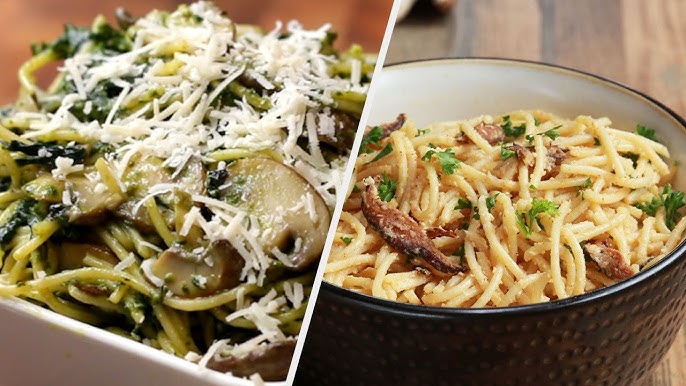
Veggie Spaghetti Recipe: If you’re craving a cozy plate of spaghetti but you also want something fresh, colorful, and packed with vegetables, this Veggie Spaghetti is the answer. Think of it like your regular spaghetti—only upgraded. We’re talking tender pasta, a rich tomato sauce, and layers of vegetables that make every bite taste like you actually tried (without the stress).
This guide is written like you and I are in the kitchen together. I’ll show you exactly what to prep, how to build flavor, and how to make it taste restaurant-level—even if you’re cooking on a busy day.
Why You’ll Love This Veggie Spaghetti
- Big flavor, simple steps (no complicated technique).
- Loaded with vegetables (great for picky eaters too).
- Customizable (use whatever veggies you have).
- Meal-prep friendly (tastes even better the next day).
- Comfort food that still feels light (you can eat a big bowl and not feel heavy).
Ingredients You’ll Need
Below is the “ideal” list—then I’ll also give swaps so you can cook with what you already have.
For the Spaghetti
- Spaghetti (regular, whole wheat, or gluten-free) – 400g (about 14 oz)
- Salt – for pasta water
- Olive oil – optional (for finishing, not for pasta water)
For the Veggie Sauce
- Olive oil – 3 tablespoons
- Onion (yellow or red) – 1 medium, finely chopped
- Carrots – 2 medium, diced small
- Bell peppers – 2 (any colors), diced
- Zucchini – 1 medium, diced
- Mushrooms – 250g (about 9 oz), sliced
- Garlic – 5–6 cloves, minced
- Tomato paste – 2–3 tablespoons
- Crushed tomatoes – 1 large can (800g / 28 oz)
- Diced tomatoes – 1 small can (400g / 14 oz)
- Vegetable broth (or water) – 1 cup (250ml)
- Italian seasoning – 2 teaspoons
- Dried oregano – 1 teaspoon
- Smoked paprika – ½ teaspoon (optional but amazing)
- Chili flakes – ¼–½ teaspoon (optional)
- Sugar or honey – 1–2 teaspoons (optional, balances acidity)
- Salt and black pepper – to taste
- Balsamic vinegar (or lemon juice) – 1 teaspoon (brightens flavor)
Optional Add-Ins (Choose Your Favorites)
- Spinach or kale – 2 handfuls (stir in at the end)
- Sweet corn – ½ cup
- Green peas – ½ cup
- Broccoli florets – lightly steamed, then added
- Chickpeas or lentils – for extra protein
- Plant-based mince – if you want it “meaty”
- Fresh basil or parsley – for garnish
Toppings (Highly Recommended)
- Grated Parmesan or vegan parmesan
- Fresh basil
- Extra black pepper
- Red pepper flakes
- A drizzle of olive oil
- Toasted breadcrumbs (for crunch)
Equipment You’ll Need
- Large pot (for pasta)
- Deep pan or pot (for sauce)
- Cutting board + knife
- Wooden spoon
- Measuring spoons/cups
- Optional: blender (if you want smoother sauce)
Step-by-Step Guide How to Make Veggie Spaghetti (Step by Step)
Step 1: Prep Your Vegetables
Dice onion, carrots, peppers, and zucchini into small pieces. Slice mushrooms and mince garlic.
Pro tip: Smaller veggies soften faster and blend smoothly into the sauce.
Step 2: Build the Sauce Base
Heat a deep pan over medium heat. Add 3 tbsp olive oil, onion, and carrots. Cook for 5–7 minutes, stirring often.
Carrots add natural sweetness and balance tomato acidity.
Step 3: Add the Aroma Team
Stir in bell peppers and mushrooms. Cook 6–8 minutes until mushrooms release moisture and lightly brown. This adds deep umami flavor.
Step 4: Zucchini + Garlic
Add zucchini and garlic. Cook 2 minutes. Garlic burns quickly, so add it late.
Step 5: Tomato Paste Magic
Stir in 2–3 tbsp tomato paste and cook 2–3 minutes until caramelized. This step transforms the sauce.
Step 6: Tomatoes & Seasoning
Add crushed tomatoes, diced tomatoes, and vegetable broth. Season with Italian seasoning, oregano, smoked paprika, chili flakes, salt, and pepper. Bring to a gentle simmer.
Step 7: Simmer
Lower heat and simmer 20–30 minutes, stirring occasionally. Add a little sugar if acidic. Finish with balsamic vinegar or lemon juice.
Step 8: Cook the Spaghetti
Boil salted water, cook spaghetti until al dente, reserve 1 cup pasta water, then drain. Don’t rinse.
Step 9: Combine
Add spaghetti to sauce. Toss well, loosening with pasta water if needed.
Step 10: Finish & Serve
Optional: stir in spinach or kale. Taste, adjust, and serve with parmesan (or vegan), basil, black pepper, and olive oil.
How to Make This Recipe Taste Even Better (Pro Tips)
1) Don’t Rush the Simmer
Even 20 minutes transforms the sauce. If you can do 40 minutes, even better.
2) Dice Veggies Small
Small veggies melt into the sauce and make it naturally thick and hearty.
3) Use Pasta Water
This is the difference between “okay” and “wow.”
4) Balance Acid
Tomatoes can be sharp. Use:
- a pinch of sugar or
- carrots (already included) or
- balsamic vinegar
5) Finish with Fresh Herbs
Fresh basil or parsley at the end makes the whole dish taste “alive.”
Delicious Variations (So You Never Get Bored)
1) Creamy Veggie Spaghetti
Stir in:
- ¼–½ cup cream or coconut cream
- or 2–3 tablespoons cream cheese
- or blended cashews for vegan creamy sauce
2) High-Protein Veggie Spaghetti
Add:
- lentils (cooked)
- chickpeas
- plant-based mince
- or tofu crumbles
3) Spicy Veggie Arrabbiata Style
Add:
- more chili flakes
- a dash of cayenne
- extra garlic
4) Roasted Veggie Spaghetti
Roast peppers, zucchini, onions, mushrooms in the oven first. Then add to sauce. The roasted flavor is next-level.
5) One-Pot Veggie Spaghetti
Cook everything in one pot by simmering pasta in the sauce with extra broth. (It’s faster, but texture can be slightly softer.)
What Vegetables Work Best in Spaghetti Sauce?
These are the best “pasta-friendly” veggies:
- Onion, garlic (non-negotiable)
- Carrots (sweetness + thickness)
- Mushrooms (umami)
- Bell peppers (sweet + bright)
- Zucchini (soft + juicy)
- Spinach/kale (easy nutrition boost)
- Eggplant (silky texture)
- Broccoli (chunky, hearty)
- Peas/corn (sweet pops)
Use what you have. This recipe is flexible on purpose.
Serving Suggestions (Make It a Full Meal)
Side Ideas
- Garlic bread
- Toasted baguette
- Simple green salad with lemon vinaigrette
- Roasted potatoes or wedges
- Grilled vegetables
Protein Add-Ons
- Grilled chicken (if not vegetarian)
- Beans or lentils
- Plant-based sausages
Storage, Freezing, and Reheating
How to Store
- Keep in an airtight container in the fridge for 3–5 days.
How to Freeze
- Freeze sauce alone for best texture: up to 3 months.
- Freeze cooked pasta too if needed, but it may soften.
How to Reheat
- Reheat in a pan with a splash of water or broth.
- Add a little olive oil at the end to refresh the flavor.
Common Mistakes to Avoid
- Undersalting the pasta water → bland noodles.
- Skipping the tomato paste cook → sauce tastes flat.
- Overcooking pasta → mushy spaghetti.
- Not simmering → tomato flavor stays raw and sharp.
- Not using pasta water → sauce doesn’t cling.
Nutrition Notes (General)
Veggie spaghetti is typically:
- high in fiber
- rich in vitamins (A, C, K depending on veggies)
- easy to make higher protein (lentils/beans)
- adjustable for lower carb (use zucchini noodles or whole wheat pasta)
(Exact values depend on portion size and the pasta you choose.)
FAQs about Veggie Spaghetti Recipe
1) Can I make veggie spaghetti without tomatoes?
Yes. You can make a non-tomato sauce using blended roasted red peppers, carrots, and a little broth—or a garlic and olive oil base with sautéed veggies.
2) How do I make veggie spaghetti taste like restaurant pasta?
Cook tomato paste, simmer longer, use pasta water, and finish with olive oil + fresh herbs. Those four steps make a massive difference.
3) What’s the best pasta for veggie spaghetti?
Regular spaghetti works perfectly, but whole wheat adds fiber, and gluten-free works too. For a lighter meal, use half pasta and half zucchini noodles.
4) Can I blend the sauce to hide vegetables?
Absolutely. Blend part or all of the sauce for a smoother texture—great for picky eaters.
5) How do I add more protein to this recipe while keeping it vegetarian?
Add cooked lentils, chickpeas, tofu crumbles, or plant-based mince. Lentils are the easiest because they blend into the sauce naturally.
Conclusion
This Veggie Spaghetti is comfort food that actually does something for you. It’s rich, saucy, and satisfying—yet loaded with vegetables in a way that doesn’t feel like a “health project.” Once you learn the simple rhythm—sauté, build flavor, simmer, toss with pasta water—you’ll be able to make this with whatever veggies are in your kitchen and still get a delicious, reliable result every time.