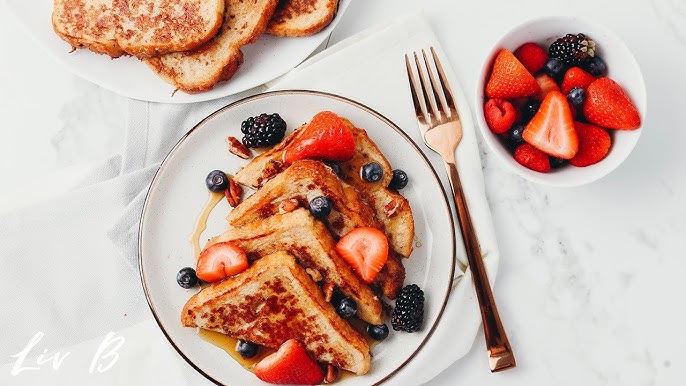
Vegan French Toast Recipe: French toast has always been one of those comfort foods that feels like a warm hug on a plate. Crispy on the outside, soft and custardy on the inside, topped with maple syrup slowly dripping down the sides—what’s not to love? But what if you’re vegan? Or dairy-free? Or simply trying to cut back on eggs and milk? That’s where vegan French toast steps in like a breakfast hero.
The beauty of vegan French toast lies in its simplicity. It’s made with pantry staples, comes together in minutes, and is incredibly customizable. Whether you want something indulgent for a lazy Sunday brunch or a quick weekday breakfast, this recipe fits the bill.
Plus, going plant-based doesn’t mean sacrificing flavor. With the right combination of ingredients—like plant milk, ground flaxseed, cinnamon, and vanilla—you’ll create a batter that’s creamy, aromatic, and perfectly spiced. The result? A stack of golden slices that are crisp, fluffy, and absolutely irresistible.
Ready to transform your breakfast routine? Let’s dive in.
The History of French Toast
Before we jump into the vegan version, let’s take a quick trip back in time. French toast isn’t actually French—surprised? Its origins date back to ancient Rome. Early recipes show that bread was soaked in a mixture of milk and eggs, then fried. It was a clever way to use up stale bread and avoid waste.
Throughout history, different cultures have adopted and adapted this dish. In France, it’s known as pain perdu, which literally means “lost bread.” The name reflects its purpose—saving bread that would otherwise be thrown away. In Spain, it’s called torrijas. In Germany, arme ritter (poor knights). Each version carries its own unique twist.
So where does the vegan variation come in? As plant-based eating gained popularity, home cooks and chefs began experimenting with egg substitutes. The goal? Recreate that rich, custard-like texture without using animal products. And guess what—they nailed it.
Modern vegan French toast uses ingredients like almond milk, soy milk, oat milk, mashed bananas, flax eggs, or even chickpea flour to mimic the structure eggs provide. The result is a dish that honors tradition while embracing innovation.
It’s fascinating how a humble recipe designed to reduce food waste centuries ago has evolved into a beloved breakfast staple around the world—now with a compassionate, plant-based upgrade.
Why You’ll Love This Vegan French Toast Recipe
Let’s be honest—breakfast can get boring. Cereal again? Toast and peanut butter? Smoothies on repeat? Vegan French toast shakes things up in the best way possible.
First, the taste. It’s rich, slightly sweet, warmly spiced, and beautifully crisp on the outside. The inside stays tender and almost custard-like, especially if you use thick slices of bread. When topped with maple syrup, fresh berries, or a dusting of powdered sugar, it becomes pure magic.
Second, it’s surprisingly healthy. Compared to traditional French toast, this version is cholesterol-free and lower in saturated fat. Plant-based milks often contain added nutrients like calcium and vitamin D. If you use whole-grain bread, you’ll also boost your fiber intake.
Third, it’s inclusive. Whether you’re vegan, lactose-intolerant, allergic to eggs, or just experimenting with plant-based meals, this recipe works for everyone. No complicated techniques. No hard-to-find ingredients.
And here’s the best part—it’s customizable. Want it sweeter? Add more maple syrup to the batter. Prefer a savory spin? Skip the vanilla and cinnamon and add nutritional yeast and herbs instead. The possibilities are endless.
This isn’t just a substitute recipe. It’s a standout breakfast that deserves a permanent spot in your rotation.
Ingredients You’ll Need
Great recipes start with simple, quality ingredients. The beauty of vegan French toast is that you likely already have most of these in your kitchen.
Core Ingredients
- 6–8 slices thick bread (brioche-style vegan bread, sourdough, or whole grain)
- 1 cup plant-based milk (almond, soy, oat, or coconut)
- 1 tablespoon ground flaxseed (or chickpea flour)
- 2 tablespoons maple syrup
- 1 teaspoon vanilla extract
- 1 teaspoon ground cinnamon
- 1 tablespoon nutritional yeast (optional, for richness)
- Pinch of salt
- 1–2 tablespoons vegan butter or oil for cooking
Optional Add-Ins for Extra Flavor
- Nutmeg (¼ teaspoon)
- Orange zest
- Splash of plant-based cream
- Brown sugar
- Cardamom
Substitutions and Alternatives
| Ingredient | Substitute Options |
|---|---|
| Flaxseed | Chia seeds or chickpea flour |
| Maple syrup | Agave or coconut sugar |
| Almond milk | Oat, soy, cashew, coconut milk |
| Vegan butter | Coconut oil or neutral oil |
Each ingredient plays a role. The plant milk forms the base. Flaxseed or chickpea flour acts as a binder, mimicking eggs. Cinnamon and vanilla provide warmth and depth. Maple syrup adds natural sweetness.
Simple ingredients. Powerful flavor.
Kitchen Tools Required
You don’t need fancy equipment to make incredible vegan French toast. In fact, this recipe thrives on simplicity.
Essential Equipment
- Mixing bowl
- Whisk or fork
- Shallow dish (for dipping bread)
- Non-stick skillet or frying pan
- Spatula
That’s it. If you have these five tools, you’re ready to cook.
Optional Tools for Best Results
- Cast-iron skillet (for extra crispiness)
- Griddle (great for cooking multiple slices at once)
- Measuring cups and spoons
- Cooling rack (prevents sogginess)
Using a wide, shallow dish makes soaking easier and less messy. A non-stick or well-seasoned pan ensures your toast doesn’t stick and tear. If you’re cooking for a crowd, a large griddle can be a game-changer.
Cooking should feel easy—not overwhelming. With just a few basic tools, you’ll create something that looks and tastes gourmet.
How to Choose the Right Bread
Bread is the backbone of French toast. Choose wisely, and you’re halfway to breakfast perfection.
Thick slices work best. Why? Because they absorb the batter without falling apart. Thin sandwich bread tends to get soggy quickly. Aim for slices that are at least ¾ to 1 inch thick.
Slightly stale bread is ideal. Fresh bread can be too soft, while day-old bread soaks up the mixture beautifully without collapsing. If your bread is fresh, simply toast it lightly before dipping.
Here are some excellent choices:
- Sourdough
- Vegan brioche
- French baguette (thick slices)
- Whole grain bread
- Challah-style vegan bread
For gluten-free options, choose sturdy gluten-free sandwich bread and reduce soaking time slightly.
Think of bread like a sponge. Too soft, and it disintegrates. Too dense, and it won’t absorb flavor. The sweet spot? Firm yet airy.
Choose the right loaf, and the rest becomes effortless.
Step-by-Step Guide to Making Vegan French Toast
Now comes the fun part—turning simple ingredients into something golden, crispy, and completely irresistible. Think of this process like a small morning ritual. No rush. Just you, a pan, and the smell of cinnamon filling your kitchen.
Step 1: Prepare the Batter
In a shallow bowl, whisk together plant-based milk, chickpea flour or cornstarch, cinnamon, vanilla extract, and a pinch of salt. Mix until smooth with no lumps. This batter mimics the richness of traditional egg-based French toast.
Step 2: Heat the Pan
Place a non-stick pan or griddle over medium heat. Lightly grease with vegan butter or a small amount of oil to prevent sticking and promote even browning.
Step 3: Soak the Bread
Dip thick slices of bread into the batter, coating both sides evenly. Let the bread soak briefly, but avoid oversoaking to prevent sogginess.
Step 4: Cook to Perfection
Place the soaked bread onto the hot pan. Cook for 2–3 minutes per side, or until golden brown and crisp on the outside while soft inside. Adjust heat as needed to avoid burning.
Step 5: Serve and Garnish
Serve hot with maple syrup, fresh fruit, powdered sugar, or a drizzle of vegan butter. Enjoy immediately for the best texture and flavor.
This vegan French toast is simple, comforting, and perfect for a satisfying plant-based breakfast.
Pro Tips for Perfect Vegan French Toast
Want to elevate your French toast from good to unforgettable? These small tweaks make a big difference.
Avoiding Soggy Toast
The number one mistake? Over-soaking. Bread should absorb flavor, not collapse. Stick to 15–20 seconds per side unless using very dense bread.
Also, don’t stack freshly cooked slices on top of each other. Steam builds up and softens the crust. Use a cooling rack to keep them crisp.
Getting a Crispy Exterior
A cast-iron skillet works wonders here. It distributes heat evenly and creates that beautiful golden crust.
Another trick? Add a tiny sprinkle of coconut sugar to the batter. It caramelizes slightly while cooking, adding subtle crispness.
Balancing Flavors
Taste your batter before dipping. Want it sweeter? Add more maple syrup. Prefer more spice? Increase cinnamon or add nutmeg.
A pinch of salt enhances sweetness and rounds out flavors. Never skip it.
Think of flavor like music—you want harmony, not one loud note overpowering the rest.
Common Mistakes to Avoid
Even simple recipes can go sideways. Let’s prevent that.
Over-Soaking the Bread
Too much liquid equals mush. Especially with soft sandwich bread. Quick dip, gentle press, done.
Cooking on High Heat
High heat might seem like a shortcut, but it leads to burnt outsides and raw centers. Medium heat gives you control and even cooking.
Skipping Seasoning
Plain plant milk alone won’t cut it. Cinnamon, vanilla, salt—these create depth. Without them, the toast tastes flat.
Using the Wrong Pan
If your pan isn’t non-stick or properly seasoned, the toast may tear when flipping. A good pan makes all the difference.
Avoid these mistakes, and you’ll get consistent, café-quality results every time.
Topping Ideas for Vegan French Toast
Toppings are where you can truly make this dish your own. Think of the toast as a blank canvas.
Sweet Toppings
- Maple syrup
- Fresh strawberries and blueberries
- Sliced bananas with peanut butter drizzle
- Vegan chocolate chips
- Coconut flakes
- Almond butter
- Crushed pecans or walnuts
For something extra indulgent, try caramelized apples cooked with cinnamon and brown sugar.
Savory Toppings
Yes, savory French toast exists—and it’s amazing.
- Avocado slices
- Sautéed mushrooms
- Vegan cream cheese
- Fresh herbs
- Vegan bacon strips
Just reduce the maple syrup and vanilla in your batter if going savory.
Healthy Options
- Greek-style plant yogurt
- Chia seed jam
- Fresh fruit compote
- Hemp seeds
- Pumpkin seeds
The possibilities are endless. Whether you want dessert for breakfast or something balanced and nourishing, this toast adapts beautifully.
Nutritional Information
One of the biggest perks of vegan French toast? It’s cholesterol-free and lighter than traditional versions.
Here’s an approximate breakdown per serving (2 slices):
| Nutrient | Amount |
|---|---|
| Calories | 280–350 |
| Protein | 8–12g |
| Carbohydrates | 40–50g |
| Fat | 8–12g |
| Fiber | 4–6g |
These numbers vary depending on bread type and toppings.
Health Benefits of Plant-Based Ingredients
- Flaxseed: Rich in omega-3 fatty acids and fiber
- Plant milk: Often fortified with calcium and vitamin D
- Whole grain bread: Supports digestive health
- Maple syrup: Natural sweetener with antioxidants
Compared to egg-heavy recipes, this version is easier on digestion while still delivering satisfying flavor.
Healthy doesn’t have to mean boring. This proves it.
Storage and Reheating Tips
Made too much? No problem.
How to Store Leftovers
Allow the toast to cool completely. Store in an airtight container in the refrigerator for up to 3 days.
For longer storage, freeze slices individually on a tray before transferring to a freezer bag. They’ll keep for up to 2 months.
Best Ways to Reheat
- Toaster: Quick and restores crispness
- Oven (350°F / 175°C): Heat for 8–10 minutes
- Air fryer: 3–4 minutes for crispy edges
Avoid microwaving if possible—it softens the texture.
Meal prep just got easier.
Vegan French Toast Variations
Want to switch things up? Try these creative twists.
Cinnamon Roll Style
Add extra cinnamon and brown sugar to the batter. Drizzle with vegan cream cheese glaze.
Stuffed Vegan French Toast
Spread almond butter, vegan cream cheese, or berry jam between two slices before dipping and cooking.
Protein-Packed Version
Add a scoop of unflavored or vanilla plant protein powder to the batter. You may need extra plant milk to thin it out.
Breakfast boredom? Solved.
Serving Suggestions
Presentation matters. Especially for brunch.
Pair your vegan French toast with:
- Fresh fruit salad
- Plant-based yogurt parfait
- Smoothies
- Vegan sausages
- Freshly brewed coffee or chai
Stack slices high. Add colorful berries. Dust with powdered sugar. A drizzle of syrup cascading down the sides makes it Instagram-worthy in seconds.
Hosting brunch? Arrange toppings in small bowls so guests can customize their plates.
Simple dish. Elegant result.
FAQs about Vegan French Toast Recipe
1. Can I make vegan French toast without flaxseed?
Yes. You can substitute chickpea flour, chia seeds, or even cornstarch. Each provides structure and helps create that custard-like texture.
2. What is the best plant milk for vegan French toast?
Oat milk and soy milk work best due to their creamy texture. Almond milk is lighter but still delicious.
3. Why is my vegan French toast soggy?
You may be over-soaking the bread or cooking on low heat. Use thick bread and cook on medium heat for best results.
4. Can I make this gluten-free?
Absolutely. Use sturdy gluten-free bread and reduce soaking time slightly to prevent breakage.
5. Can I prepare the batter ahead of time?
Yes. Store it in the refrigerator for up to 24 hours. Stir well before using.
Conclusion
Vegan French toast isn’t just an alternative—it’s a standout breakfast that holds its own. It’s crispy yet tender. Sweet yet balanced. Comforting yet surprisingly wholesome.
With just a handful of plant-based ingredients, you can recreate a classic dish without eggs or dairy—and without sacrificing flavor or texture. Whether you’re fully vegan, exploring plant-based eating, or simply curious, this recipe proves that compassionate cooking can be indulgent and satisfying.
So next time you’re staring at a loaf of bread wondering what to make, you know the answer. Heat the pan. Whisk the batter. Let the cinnamon aroma fill your kitchen.
Breakfast just got better.