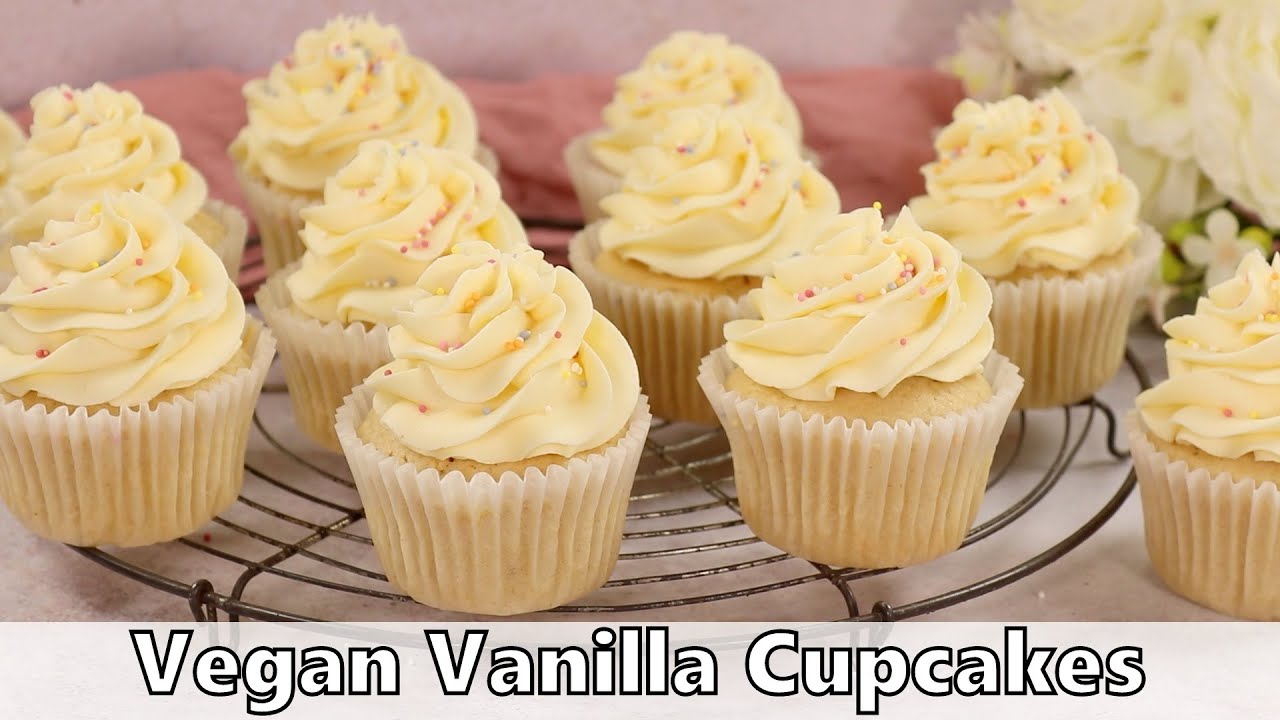
Vegan Cupcakes Recipe: There’s something magical about cupcakes, isn’t there? They’re small, cheerful, and perfectly portioned bites of happiness. But what if you could enjoy that same fluffy sweetness without eggs, dairy, or animal products? That’s exactly where vegan cupcakes step in. Whether you’re fully plant-based, lactose intolerant, or just experimenting in the kitchen, vegan cupcakes are a game-changer.
Think of vegan baking like solving a puzzle. Eggs provide structure. Butter gives richness. Milk adds moisture. Replace each element correctly, and you still get a perfect cupcake. Miss one piece? The texture might suffer. That’s why this professional step-by-step vegan cupcakes recipe is designed to guide you from start to finish without confusion.
In this guide, you’ll learn everything—from essential ingredients and tools to frosting ideas and pro-level decorating tips. Whether you’re a beginner baker or someone looking to perfect your plant-based desserts, this recipe will walk you through each stage clearly and confidently.
Let’s get started.
Why Vegan Cupcakes Are So Popular Today
Have you noticed how vegan desserts are everywhere now? Bakeries, supermarkets, Instagram feeds—you name it. Vegan cupcakes aren’t just a trend; they’re part of a bigger shift in how people think about food.
First, there’s health awareness. Many people are reducing dairy and eggs due to allergies, cholesterol concerns, or digestive issues. Plant-based alternatives often feel lighter and easier on the stomach. You can enjoy a cupcake without feeling overly heavy afterward. That alone makes vegan cupcakes appealing.
Second, environmental awareness plays a big role. More people understand that reducing animal products can lower their carbon footprint. Baking vegan at home feels like a small but meaningful step toward sustainability. It’s like choosing a reusable water bottle—small action, big impact.
Then there’s inclusivity. When you bake vegan cupcakes, almost everyone at the party can eat them. No worrying about lactose intolerance, egg allergies, or dietary preferences. It’s a dessert that brings people together rather than excluding anyone.
And let’s not forget creativity. Vegan baking forces you to experiment with ingredients like almond milk, coconut oil, flaxseed, and applesauce. The flavors can be richer, more complex, and sometimes even more exciting than traditional recipes.
In short, vegan cupcakes are popular because they check all the boxes: health-conscious, environmentally friendly, inclusive, and delicious. What’s not to love?
What Makes a Cupcake Truly Vegan?
At first glance, cupcakes seem simple—flour, sugar, eggs, butter, milk. But those last three ingredients are exactly what make traditional cupcakes non-vegan. So what transforms a regular cupcake into a truly vegan cupcake?
A cupcake is considered vegan when it contains no animal-derived ingredients. That means:
- No eggs
- No dairy (milk, butter, cream)
- No honey
- No gelatin
Instead, we use plant-based substitutes that perform the same function. Eggs, for example, help bind ingredients and add moisture. In vegan baking, flax eggs, chia eggs, applesauce, or even vinegar combined with baking soda can replicate that effect.
Butter is usually replaced with vegan butter or plant-based oils like coconut oil or vegetable oil. Milk? Almond, soy, oat, or coconut milk work beautifully.
But being truly vegan goes beyond obvious ingredients. Some sugars are processed using bone char, and certain food colorings contain animal derivatives. If you want to be strict, choose certified vegan sugar and natural food coloring.
In essence, a vegan cupcake isn’t about removing ingredients—it’s about replacing them intelligently. When you understand the science behind baking, you realize that animal products aren’t mandatory. They’re just one option among many.
And honestly? Once you taste a perfectly baked vegan cupcake, you might not even miss the originals.
Benefits of Baking Vegan Cupcakes at Home
Baking vegan cupcakes at home isn’t just about saving money—it’s about control, creativity, and confidence in what you’re eating. When you bake from scratch, you know exactly what goes into your dessert.
One major benefit is ingredient transparency. Store-bought cupcakes often contain preservatives, artificial flavors, and stabilizers. When you bake at home, you can choose organic flour, unrefined sugar, and high-quality plant-based milk. It’s cleaner, fresher, and more satisfying.
Another advantage is customization. Want gluten-free? Add gluten-free flour. Prefer low sugar? Reduce it. Craving chocolate chips or berries? Toss them in. Home baking gives you freedom.
There’s also something therapeutic about mixing batter, filling liners, and watching cupcakes rise in the oven. It’s almost meditative. The warm aroma filling your kitchen? Pure comfort.
Financially, it’s smart too. Vegan bakery cupcakes can be expensive. Making them at home costs a fraction of the price.
And let’s not overlook skill-building. The more you bake, the better you get. You learn how batter should look, how ovens behave, and how flavors balance. It’s like leveling up in a game—but the reward is edible.
Essential Baking Tools for Perfect Vegan Cupcakes
Before we jump into ingredients and steps, let’s talk tools. You don’t need a professional kitchen, but having the right equipment makes a huge difference.
Here are the must-haves:
- Mixing bowls (at least two – one for dry, one for wet ingredients)
- Measuring cups and spoons
- Whisk
- Spatula
- Cupcake tin
- Cupcake liners
- Cooling rack
If you want bakery-style results, consider these optional tools:
- Electric hand mixer or stand mixer
- Ice cream scoop (for evenly filling liners)
- Piping bags and decorating tips
- Oven thermometer
Think of tools like teammates. The better your team, the smoother the game. Measuring accurately ensures consistency. A cooling rack prevents soggy bottoms. An oven thermometer avoids under- or over-baking.
Professional results aren’t about fancy ingredients—they’re about precision and consistency. Good tools make that easier.
Ingredients You’ll Need for Vegan Cupcakes
Now, let’s get to the heart of the recipe.
Dry Ingredients Breakdown
Here’s what you’ll need:
- 1 ½ cups all-purpose flour
- 1 cup granulated sugar
- 1 tsp baking soda
- ½ tsp salt
- 1 tsp baking powder
Flour provides structure. Sugar sweetens and helps with browning. Baking soda and baking powder are your rising agents—they create air bubbles that make cupcakes fluffy. Salt enhances flavor and balances sweetness.
Wet Ingredients Breakdown
- 1 cup plant-based milk (almond, soy, or oat)
- ⅓ cup vegetable oil or melted coconut oil
- 1 tbsp apple cider vinegar
- 2 tsp vanilla extract
The vinegar reacts with baking soda to create lift. Don’t skip it—it’s crucial. Oil ensures moisture and tenderness. Vanilla adds warmth and depth.
Best Egg Substitutes for Cupcakes
In this recipe, the vinegar and baking soda combination replaces eggs effectively. However, other options include:
- 1 tbsp ground flaxseed + 3 tbsp water (flax egg)
- ¼ cup applesauce
- ¼ cup mashed banana
Each substitute slightly changes texture and flavor, so experiment based on preference.
Choosing the Right Plant-Based Milk
Soy milk provides the richest texture. Almond milk is lighter. Oat milk gives natural sweetness. Choose unsweetened versions to control sugar levels.
Step-by-Step Guide to Making Vegan Cupcakes
Step 1 – Preheat and Prepare
Preheat your oven to 175°C (350°F). Line a cupcake tray with paper liners and lightly grease if needed to prevent sticking.
Step 2 – Mix the Dry Ingredients
In a large bowl, whisk together all-purpose flour, sugar, baking powder, baking soda, and a pinch of salt. Mixing well ensures even rise and balanced flavor.
Step 3 – Combine the Wet Ingredients
In a separate bowl, mix plant-based milk, oil or melted vegan butter, vanilla extract, and a splash of vinegar. The vinegar helps create a tender crumb.
Step 4 – Create the Perfect Batter
Gradually add the wet ingredients to the dry ingredients. Stir gently until just combined. The batter should be smooth but not overmixed to keep cupcakes light and fluffy.
Step 5 – Fill the Cupcake Liners
Spoon the batter into the prepared liners, filling each about two-thirds full. This allows space for the cupcakes to rise evenly without overflowing.
Step 6 – Baking Time and Temperature Tips
Bake for 18–22 minutes, or until a toothpick inserted in the center comes out clean. Avoid opening the oven door too early to prevent sinking.
Step 7 – Cooling the Cupcakes Properly
Let the cupcakes cool in the pan for 5 minutes, then transfer to a wire rack to cool completely before frosting. Proper cooling helps maintain structure and flavor.
These vegan cupcakes are soft, moist, and perfect for any occasion.
Vegan Frosting Options
Cupcakes without frosting are like a cake without icing—still good, but not quite complete. Let’s explore some professional vegan frosting options that are smooth, creamy, and absolutely irresistible.
Classic Vegan Buttercream Frosting
Ingredients:
- 1 cup vegan butter (room temperature)
- 3–4 cups powdered sugar
- 2–3 tbsp plant-based milk
- 1 tsp vanilla extract
Beat the vegan butter until creamy. Gradually add powdered sugar, one cup at a time. Add plant milk slowly until you reach your desired consistency. Finish with vanilla extract.
The key here is patience. Beat it long enough—about 3–5 minutes—to make it light and fluffy. If it’s too thick, add milk. Too thin? Add powdered sugar.
This frosting pipes beautifully and holds its shape well, making it perfect for decorative swirls.
Chocolate Vegan Frosting
Add ½ cup unsweetened cocoa powder to the buttercream recipe. You may need an extra tablespoon of plant milk to balance the texture.
For richer flavor, melt ¼ cup dairy-free dark chocolate and fold it in once cooled. This adds depth and makes the frosting taste bakery-quality.
Chocolate frosting pairs perfectly with vanilla cupcakes—or double down on chocolate for ultimate indulgence.
Cream Cheese Style Vegan Frosting
Ingredients:
- ½ cup vegan butter
- ½ cup vegan cream cheese
- 3 cups powdered sugar
- 1 tsp vanilla
Beat together butter and cream cheese until smooth. Add powdered sugar gradually, then vanilla.
This frosting is slightly tangy and works beautifully with carrot or red velvet vegan cupcakes.
Decorating Your Vegan Cupcakes Like a Pro
Presentation matters. We eat with our eyes first, right?
For simple decoration:
- Use a spoon to create rustic swirls
- Add fresh berries
- Sprinkle crushed nuts or coconut flakes
- Dust lightly with cocoa powder
For advanced piping:
- Use a star tip for classic swirls
- Start from the outside and move inward
- Apply even pressure for smooth designs
Keep your piping bag at a 90-degree angle for tall swirls. Practice on parchment paper first if needed.
Professional tip: Chill your frosted cupcakes for 10–15 minutes before serving. It helps the frosting set perfectly.
Common Mistakes to Avoid When Baking Vegan Cupcakes
Even experienced bakers slip up sometimes. Here are common pitfalls:
- Overmixing the batter
- Skipping vinegar or leavening agents
- Using sweetened plant milk (can make cupcakes too sweet)
- Overbaking
- Frosting before cooling
Baking is precision. Small details create big results.
Storage and Shelf Life Tips
Store vegan cupcakes in an airtight container at room temperature for up to 2 days. If frosted, refrigeration extends freshness to 4–5 days.
Before serving refrigerated cupcakes, let them sit at room temperature for 20–30 minutes for best texture.
You can also freeze unfrosted cupcakes for up to 2 months. Wrap individually in plastic wrap and store in a freezer-safe container.
Variations and Flavor Ideas
Want to experiment? Try these ideas:
- Lemon zest + poppy seeds
- Chocolate chips + espresso powder
- Coconut milk + shredded coconut
- Blueberries + almond extract
- Pumpkin spice + cinnamon frosting
Vegan cupcakes are incredibly versatile. Once you master the base recipe, the possibilities are endless.
Nutritional Information (Approximate per Cupcake)
| Nutrient | Amount |
|---|---|
| Calories | 210–250 |
| Carbohydrates | 32g |
| Fat | 9g |
| Protein | 2–3g |
| Sugar | 18g |
| Fiber | 1g |
Values vary depending on frosting and add-ins.
FAQs about Vegan Cupcakes Recipe
1. Can I make vegan cupcakes gluten-free?
Yes. Simply replace the all-purpose flour with a 1:1 gluten-free baking flour blend. This ensures proper structure and rise.
2. Why did my vegan cupcakes sink in the middle?
This usually occurs due to underbaking or opening the oven door too early. Always bake until fully set and avoid disturbing the cupcakes while they rise.
3. Can I reduce the sugar in the recipe?
Yes, but avoid reducing the sugar by more than 25%. Sugar contributes to moisture, texture, and browning.
4. What’s the best plant milk for baking?
Soy milk provides the richest texture and structure, while almond and oat milk are also excellent alternatives.
5. Can I make the batter ahead of time?
It’s best to bake the batter immediately after mixing. Letting it sit can reduce the rise and affect the final texture.
These tips will help you achieve light, fluffy, and perfectly baked vegan cupcakes every time.
Conclusion
Vegan cupcakes prove that plant-based baking isn’t limiting—it’s liberating. With the right ingredients, proper technique, and a little patience, you can create cupcakes that are moist, fluffy, and bursting with flavor.
From mixing the perfect batter to decorating like a professional, every step matters. And once you taste that first bite—soft crumb, creamy frosting, balanced sweetness—you’ll realize something important: vegan cupcakes aren’t a substitute. They’re simply another delicious way to bake.
Now it’s your turn. Preheat that oven and let the magic happen.