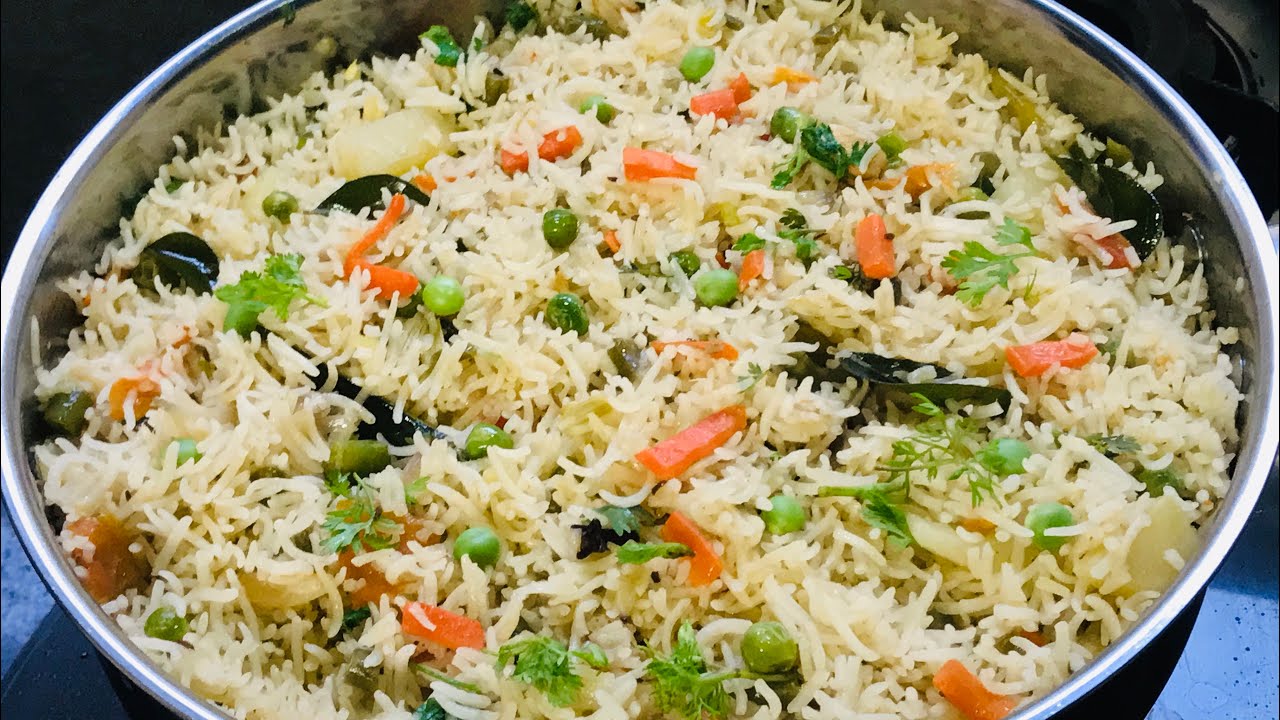
Vegetable Biryani Recipe: Vegetable Biryani is not just another rice dish. It’s an emotion served in a bowl. Fragrant basmati rice, vibrant vegetables, and aromatic spices come together to create a meal that feels festive—even on an ordinary weekday. If you’ve ever walked past a kitchen where biryani is cooking, you already know the magic. That irresistible aroma? It pulls you in before you even see the dish.
In this professional guide, you’ll learn everything—from choosing the right rice to mastering the dum cooking technique. Whether you’re a beginner or someone who has tried biryani before but didn’t quite get that restaurant-style result, this step-by-step guide will walk you through every detail.
Ready to create a biryani that smells divine, tastes heavenly, and looks absolutely stunning? Let’s dive in.
What Makes Vegetable Biryani So Special?
Why is vegetable biryani so loved across the world? What makes it different from simple vegetable pulao? The answer lies in layers—both literally and figuratively.
Unlike pulao, where everything cooks together in one pot, biryani involves partially cooking the rice and preparing a rich vegetable masala separately. Then comes the magic: layering. Rice, masala, herbs, saffron milk—each layer adds depth and complexity. It’s like building a delicious edible architecture.
Another thing that makes vegetable biryani special is balance. The spices are bold but not overpowering. The vegetables remain tender yet slightly firm. The rice grains are long, separate, and fluffy. Every spoonful offers different textures and flavors. Sometimes you taste caramelized onions. Sometimes a hint of saffron. Sometimes the warmth of whole spices.
And let’s not forget presentation. The colorful mix of carrots, beans, peas, and bell peppers against white and golden rice makes it visually appealing. It’s the kind of dish that makes people say “wow” before they even take the first bite.
Vegetable biryani is also incredibly versatile. Hosting guests? It’s impressive. Meal prepping? It stores well. Looking for comfort food? It satisfies deeply.
In short, vegetable biryani is not just food—it’s a celebration of flavors, culture, and tradition.
Origins and History of Biryani
Biryani has a fascinating history that spans centuries and continents. Its roots can be traced back to Persia, where a similar rice dish was prepared with meat and spices. The word “biryani” itself is believed to come from the Persian word “birian,” meaning “fried before cooking.”
When the Mughals arrived in India, they brought their culinary traditions with them. Over time, these cooking techniques blended with Indian spices, local ingredients, and regional flavors. That’s how biryani evolved into the diverse dish we know today.
Originally, biryani was primarily made with meat. However, India’s rich vegetarian culture inspired cooks to create vegetable versions that were equally flavorful. And surprisingly, vegetable biryani didn’t feel like a substitute—it felt like a star in its own right.
Different regions adapted biryani according to their taste preferences. Some made it spicy, others mild. Some preferred dum cooking, while others used pressure cooking methods. Each version tells a story of culture, geography, and tradition.
Today, vegetable biryani is loved globally. From Indian homes to international restaurants, it continues to win hearts. It represents unity in diversity—one dish, countless interpretations.
Isn’t it amazing how a simple combination of rice and vegetables carries centuries of history?
Types of Vegetable Biryani
Hyderabadi Veg Biryani
Hyderabadi vegetable biryani is famous for its dum cooking method. It’s bold, aromatic, and slightly spicy. The rice and vegetable masala are layered raw or semi-cooked and then sealed tightly to cook on low heat. The result? Deep, rich flavors infused into every grain.
This version uses generous amounts of fried onions, mint, and coriander leaves. Saffron milk adds a royal touch. If you love intense flavors and traditional cooking methods, this style is perfect.
Lucknowi (Awadhi) Veg Biryani
Lucknowi biryani is milder and more subtle. Instead of strong spices, it focuses on delicate aromas. The rice and vegetables are cooked separately and then layered carefully. The spices are used sparingly, creating a refined taste.
Think elegance. Think balance. Think sophistication.
South Indian Style Veg Biryani
South Indian vegetable biryani tends to be spicier and uses ingredients like curry leaves and coconut milk. The flavor profile is slightly different—more robust and earthy.
Each type has its own charm. Which one suits your taste buds?
Essential Ingredients for Vegetable Biryani
The success of vegetable biryani depends heavily on the ingredients. Fresh vegetables, high-quality rice, and aromatic spices are non-negotiable.
You’ll need long-grain basmati rice, mixed vegetables like carrots, beans, peas, and potatoes, yogurt for creaminess, and whole spices like bay leaves, cloves, and cardamom.
Fresh herbs like mint and coriander add brightness. Fried onions bring sweetness. Saffron (optional but recommended) gives color and fragrance.
Every ingredient has a purpose. Remove one, and the flavor profile changes. That’s why understanding your ingredients is just as important as following the steps.
List of Ingredients You’ll Need
For the Rice:
- 2 cups basmati rice
- 4–5 cups water
- 1 bay leaf
- 3–4 cloves
- 2 green cardamoms
- 1-inch cinnamon stick
- 1 teaspoon salt
For the Vegetable Masala:
- 2 tablespoons oil or ghee
- 1 large onion (thinly sliced)
- 1 tablespoon ginger-garlic paste
- 1 cup chopped carrots
- 1 cup chopped beans
- 1 cup peas
- 1 potato (cubed)
- 1/2 cup yogurt
- 1 teaspoon red chili powder
- 1/2 teaspoon turmeric
- 1 teaspoon garam masala
- Salt to taste
For Garnishing:
- Fried onions
- Fresh mint leaves
- Fresh coriander leaves
- Saffron soaked in warm milk (optional)
These ingredients may look simple, but together they create something extraordinary.
Choosing the Right Rice for Perfect Biryani
Rice is the heart of biryani. If the rice isn’t right, the dish falls flat. Always choose long-grain basmati rice. Why? Because it cooks fluffy, separate, and aromatic.
Soak the rice for at least 30 minutes before cooking. This helps the grains elongate beautifully. While boiling, cook only until 70% done. Overcooked rice will turn mushy during dum cooking.
Think of rice as the canvas. Everything else is the paint. If the canvas isn’t perfect, the artwork won’t shine.
Preparing the Vegetables the Right Way
Cut vegetables evenly. This ensures uniform cooking. Avoid cutting them too small—they may become mushy. Slightly larger chunks retain texture and add bite.
Lightly sauté vegetables before layering. This enhances their flavor and prevents them from releasing too much moisture during dum cooking.
Fresh vegetables make a noticeable difference. Always choose vibrant, firm produce.
Spices That Make the Magic Happen
Spices are the soul of vegetable biryani. Whole spices infuse aroma, while powdered spices add warmth and depth.
Cloves bring sharpness. Cardamom adds sweetness. Cinnamon gives warmth. Garam masala ties everything together.
Toast whole spices briefly in oil to release their essential oils. It’s a small step, but it changes everything.
Step-by-Step Guide to Making Vegetable Biryani
Step 1: Preparing the Rice
Wash basmati rice until water runs clear. Soak for 30 minutes. Boil water with whole spices and salt. Add rice and cook until 70% done. Drain and set aside.
Step 2: Cooking the Vegetable Masala
Heat oil or ghee. Add sliced onions and sauté until golden. Add ginger-garlic paste and cook until fragrant. Add vegetables and cook for 5–7 minutes.
Stir in yogurt and spices. Cook until oil separates slightly. The masala should be thick—not watery.
Step 3: Layering the Biryani
In a heavy-bottomed pot, spread a layer of vegetable masala. Add a layer of rice. Sprinkle fried onions, mint, coriander, and saffron milk.
Repeat layers.
Step 4: Dum Cooking Process
Cover with a tight lid. Cook on low heat for 20–25 minutes. You can place a tawa underneath to prevent burning.
Turn off heat and let it rest for 10 minutes before opening.
And there you have it—fluffy, aromatic, restaurant-style vegetable biryani.
Common Mistakes to Avoid While Making Veg Biryani
Let’s be honest—vegetable biryani can go wrong if you’re not careful. But here’s the good news: most mistakes are simple and completely avoidable. You don’t need professional chef skills; you just need awareness.
The most common mistake? Overcooking the rice. This is the ultimate biryani disaster. If your rice is fully cooked before layering, it will turn mushy during the dum process. Remember, cook it only 70% before draining. The grains should still have a slight bite.
Another mistake is adding too much water to the vegetable masala. A watery base will make the entire biryani soggy. The masala should be thick and well-cooked, with oil slightly separating from the edges. That’s your cue that it’s ready.
Using low-quality basmati rice is another issue. Cheap rice often breaks, becomes sticky, or lacks aroma. Invest in good-quality aged basmati rice—it truly makes a difference.
Skipping fresh herbs like mint and coriander is also a big miss. These herbs are not just garnish; they bring freshness and balance to the rich spices.
And finally, impatience. Opening the lid repeatedly during dum cooking lets the steam escape. That steam is essential—it’s what allows the flavors to mingle and deepen.
Avoid these mistakes, and your biryani will reward you with perfection.
Pro Tips for Restaurant-Style Vegetable Biryani
Ever wondered why restaurant biryani tastes so rich and layered? It’s not magic—it’s technique. Let’s unlock a few insider secrets.
First, use ghee instead of plain oil. Ghee adds depth and an unmistakable aroma. Even mixing half oil and half ghee can elevate the flavor significantly.
Second, caramelize your onions properly. Don’t rush this step. Slowly cooking onions until golden brown releases natural sweetness that balances the spices beautifully. Those crispy fried onions layered between rice? That’s flavor gold.
Third, use warm milk infused with saffron. Even a small pinch of saffron can transform your biryani into something royal. If saffron feels expensive, a tiny amount goes a long way.
Another tip is to use a heavy-bottomed pot. Thin pans cause burning at the bottom. Some people even seal the lid with dough to trap steam completely—this traditional dum technique intensifies flavor.
Want extra richness? Add a tablespoon of cream or a few drops of kewra water before the final dum. It adds a subtle floral aroma that feels luxurious.
Finally, let the biryani rest after cooking. Just 10 minutes of resting time allows the flavors to settle and the grains to firm up.
Restaurant-style biryani isn’t about complexity—it’s about patience and detail.
Serving Suggestions and Side Dishes
Vegetable biryani is delicious on its own, but pairing it with the right sides takes it to another level. Think of side dishes as supporting actors—they enhance the main star without overshadowing it.
The most popular accompaniment is raita. A simple yogurt-based side with cucumber, onions, and mild spices cools down the heat of the biryani. The creamy texture balances the bold flavors perfectly.
You can also serve:
- Boondi Raita
- Mint Raita
- Onion Salad with Lemon and Chaat Masala
- Pickle (Achar)
- Papad (Crispy Lentil Crackers)
For special occasions, pair biryani with:
- Shorba (light spiced gravy)
- Paneer curry
- Mirchi ka salan
Presentation matters too. Serve biryani in a wide dish and gently fluff with a fork before serving. Avoid mixing too aggressively—you don’t want to break those beautiful rice grains.
A squeeze of fresh lemon just before eating adds a burst of brightness.
Good food is about balance—and the right sides make biryani unforgettable.
Storage and Reheating Tips
Made too much biryani? That’s not a problem—it often tastes even better the next day.
To store, let the biryani cool completely before transferring it to an airtight container. Refrigerate within two hours of cooking. It stays fresh for up to 2–3 days.
When reheating, avoid using high heat. Add a tablespoon of water or sprinkle a few drops over the rice before reheating. This prevents it from drying out.
You can reheat:
- In a microwave (covered, with moisture added)
- On stovetop in a covered pan on low heat
- In an oven at low temperature
Freezing is possible, but texture may slightly change. If freezing, store in portion-sized containers and consume within one month.
Never reheat biryani multiple times. Only warm what you plan to eat.
Proper storage keeps flavors intact and reduces food waste—win-win!
Health Benefits of Vegetable Biryani
You might think biryani is indulgent—and yes, it can be—but vegetable biryani also offers nutritional benefits when prepared mindfully.
Let’s break it down.
Vegetables like carrots, beans, peas, and potatoes provide fiber, vitamins, and antioxidants. These nutrients support digestion and boost immunity.
Basmati rice has a lower glycemic index compared to regular white rice, meaning it releases energy slowly. That helps maintain stable blood sugar levels.
Spices used in biryani aren’t just for flavor—they’re functional. Turmeric has anti-inflammatory properties. Ginger aids digestion. Garlic supports heart health. Cloves and cinnamon are rich in antioxidants.
Using yogurt adds probiotics, which improve gut health. And if you cook with minimal oil or ghee, the dish becomes lighter while retaining taste.
Of course, portion control matters. Like any rice-based dish, overeating can increase calorie intake. But when balanced with a fresh salad or raita, vegetable biryani can absolutely fit into a healthy lifestyle.
Healthy food doesn’t have to be boring—and biryani proves that beautifully.
Variations and Customization Ideas
One of the best things about vegetable biryani? It’s adaptable. You can tweak it based on your taste, dietary needs, or what’s sitting in your fridge.
Want more protein? Add:
- Paneer cubes
- Tofu
- Soya chunks
- Chickpeas
Prefer a vegan version? Simply skip yogurt and use coconut milk or plant-based yogurt instead.
Love spice? Increase green chilies or add biryani masala. Prefer mild flavors? Reduce red chili powder and focus on whole spices.
You can even experiment with:
- Brown rice for a healthier twist
- Quinoa for a modern version
- Mushrooms for a meaty texture
- Cashews and raisins for sweetness
Cooking is creativity. Biryani isn’t rigid—it’s flexible. Think of it like a framework. Once you understand the basics, you can paint it however you like.
That’s the beauty of home cooking.
FAQs about Vegetable Biryani Recipe
1. Can I make vegetable biryani without yogurt?
Yes, you can. Substitute yogurt with coconut milk or plant-based yogurt for a dairy-free version. The texture will remain creamy and flavorful.
2. Why is my biryani rice mushy?
This usually happens if the rice was overcooked before layering or if too much water was used in the masala. Always cook rice only 70% before dum cooking.
3. Can I cook vegetable biryani in a pressure cooker?
Yes, but be cautious. Pressure cooking reduces control over texture. Dum cooking gives better flavor and grain separation.
4. What is the difference between pulao and biryani?
Pulao cooks rice and vegetables together in one pot. Biryani involves separate cooking and layering, creating deeper and more complex flavors.
5. How do I make biryani more aromatic?
Use fresh whole spices, saffron milk, fried onions, mint leaves, and cook using the dum method to trap steam and aroma.
Conclusion
You don’t need complicated techniques or secret ingredients. You need quality rice, fresh vegetables, balanced spices, and patience. Master those, and you’ll create a dish that feels festive every single time.
Whether you’re cooking for family, friends, or just yourself, vegetable biryani never disappoints. It comforts. It impresses. It satisfies.
So next time you crave something rich, flavorful, and deeply satisfying, skip takeout. Step into your kitchen. Trust the process.
Your perfect vegetable biryani is just a few layers away.