Turkey Seasoning Rub Recipe: There’s something almost magical about the smell of a perfectly seasoned turkey roasting in the oven. It fills the kitchen, creeps into every corner of the house, and instantly makes you hungry—even if you swore you weren’t. But here’s the secret most home cooks overlook: it’s not just the turkey that makes the difference. It’s the seasoning rub.
The beauty of making your own turkey seasoning rub is control. You choose the salt level. You decide how smoky, spicy, sweet, or herby you want it. Store-bought blends can be convenient, sure—but they often contain preservatives, anti-caking agents, and too much sodium. When you mix your own, every ingredient has a purpose.
Let’s dive in.
Why a Homemade Turkey Rub Makes All the Difference
Have you ever taken a bite of turkey that looked beautiful but tasted… flat? That usually happens when the seasoning doesn’t penetrate the meat properly or lacks depth. A homemade turkey rub solves that problem instantly.
When you craft your own blend, you’re layering flavors intentionally. Salt enhances natural juices. Paprika adds warmth and color. Garlic and onion powders build a savory backbone. Herbs like thyme and rosemary introduce an earthy aroma that feels classic and comforting. Every component plays a role.
Here’s the real advantage: balance. Commercial blends often lean heavily on salt. But a professional turkey seasoning rub balances saltiness with sweetness, heat, and aromatics. It creates a flavor profile that hits your taste buds in waves instead of all at once.
Another benefit? Freshness. Spices lose potency over time. When you mix your own rub using fresh ingredients, the aroma alone tells you it’s going to be good. That fragrance is a preview of the final dish.
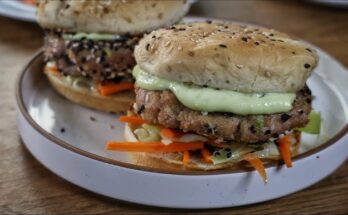
And let’s talk versatility. This rub isn’t just for whole turkeys. It works beautifully on turkey breast, turkey legs, turkey wings, and even ground turkey for burgers or meatballs. Once you master this base recipe, you’ll start using it everywhere.
So if you want crispy skin, juicy meat, and flavor that lingers long after dinner ends, homemade is the way to go.
Ingredients You’ll Need
Creating the perfect turkey seasoning rub starts with the right ingredients. Each spice and herb contributes something essential—flavor, aroma, color, or depth. The key is balance.
Here’s the core ingredient list for a classic, professional turkey rub:
- 2 tablespoons paprika (smoked or sweet)
- 1 tablespoon kosher salt
- 1 tablespoon black pepper
- 1 tablespoon garlic powder
- 1 tablespoon onion powder
- 1 teaspoon dried thyme
- 1 teaspoon dried rosemary (crushed)
- 1 teaspoon dried sage
- 1 teaspoon brown sugar
- ½ teaspoon cayenne pepper (optional for heat)
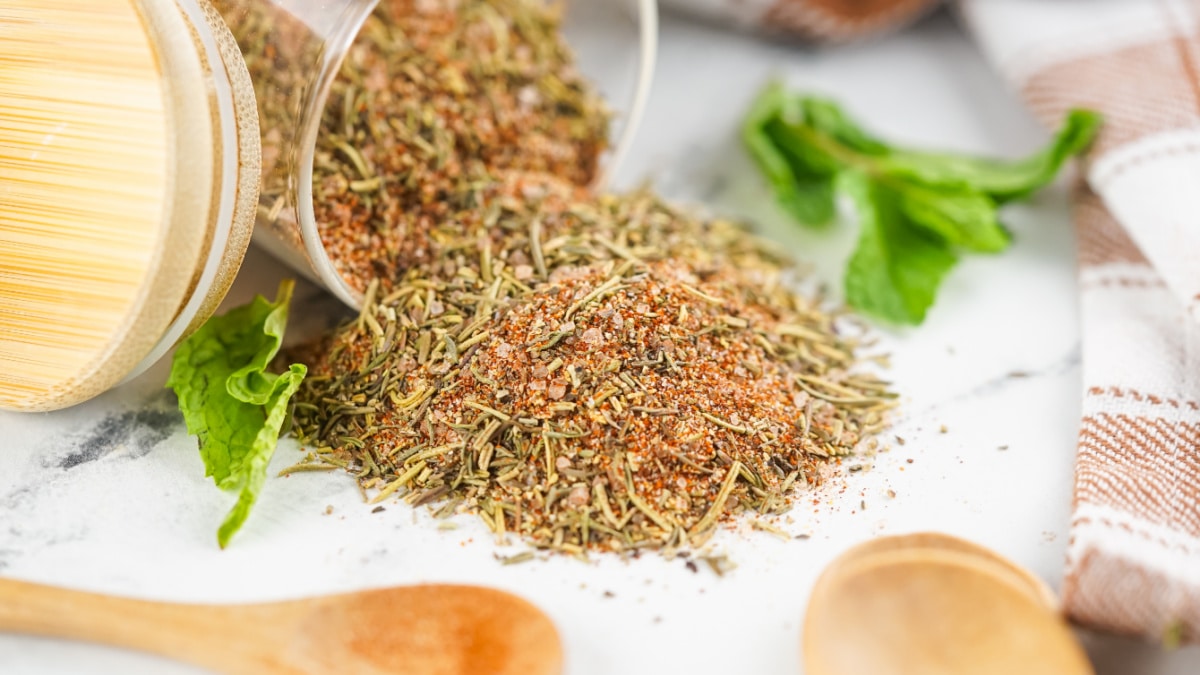
These ingredients work together like a well-rehearsed orchestra. Paprika gives warmth and a rich golden color. Garlic and onion powders create savory depth. Thyme, rosemary, and sage bring that traditional holiday aroma. Brown sugar adds subtle sweetness and helps caramelize the skin beautifully.
If you prefer a smoky profile, choose smoked paprika. Want more heat? Increase cayenne or add chili powder. Like it slightly sweet? Add another teaspoon of brown sugar.
The beauty of this recipe lies in flexibility. It’s a base formula you can customize while still maintaining a professional flavor structure.
Ingredient Breakdown Table
| Ingredient | Purpose in Rub | Flavor Profile |
|---|---|---|
| Paprika | Color & warmth | Mild, slightly sweet |
| Kosher Salt | Enhances flavor | Salty |
| Black Pepper | Mild heat | Sharp, earthy |
| Garlic Powder | Savory depth | Bold, aromatic |
| Onion Powder | Sweet-savory balance | Mildly sweet |
| Thyme | Earthy aroma | Herbal |
| Rosemary | Pine-like freshness | Strong herbal |
| Sage | Classic poultry flavor | Earthy, warm |
| Brown Sugar | Caramelization | Sweet |
| Cayenne | Heat element | Spicy |
This table helps you understand why each ingredient matters instead of just tossing spices together blindly.
Step-by-Step Guide to Making Turkey Seasoning Rub
Making a professional turkey seasoning rub is surprisingly simple—but precision matters.
Step 1 – Measure Your Ingredients Precisely
Cooking is art. Baking is science. Spice blending? It’s a bit of both. Too much salt can overpower everything. Too little, and the flavors won’t pop.
Use measuring spoons rather than eyeballing it. Level off each spoon for accuracy. Precision ensures consistency every time you make this recipe.
When working with dried herbs like rosemary, crush them slightly between your fingers before measuring. This releases essential oils and intensifies flavor.
Take your time here. The foundation of great flavor starts with proper measurement.
Step 2 – Mix for Balanced Flavor
Add all measured ingredients into a small mixing bowl. Stir thoroughly with a spoon or whisk.
You’re not just combining powders—you’re distributing flavors evenly. Make sure there are no clumps of brown sugar or concentrated salt pockets.
If you want ultra-fine consistency, pulse the mixture briefly in a spice grinder. This step is optional but creates a more uniform rub that sticks better to the turkey.
Step 3 – Taste and Adjust
Yes, taste it. Dip a clean finger into the blend and place a tiny amount on your tongue. Does it need more salt? More heat? More sweetness?
Adjust gradually. Professional chefs tweak seasoning in small increments, not big jumps.
Step 4 – Store Properly
Transfer your finished turkey seasoning rub into an airtight glass jar or spice container.
Store in a cool, dry place away from sunlight. Properly stored, it stays fresh for up to 6 months—but for best potency, use within 3 months.
How to Apply the Turkey Rub Correctly
Even the best seasoning blend won’t shine if applied incorrectly.
First, pat the turkey dry with paper towels. Moisture prevents proper adhesion and crispy skin.
Next, lightly coat the turkey with olive oil or melted butter. This acts like glue, helping the seasoning stick while also promoting browning.
Generously apply the rub all over the surface, including under the skin if possible. Don’t forget inside the cavity.
Massage it in thoroughly. Think of it as giving your turkey a flavor spa treatment. The more evenly you distribute the rub, the better the final result.
For maximum flavor, let the seasoned turkey rest in the refrigerator for at least 4 hours—or overnight. This allows the spices to penetrate deeply.
Letting the Flavors Marinate
Once you’ve generously coated your turkey with the seasoning rub, the next crucial step is patience. This is where good flavor turns into unforgettable flavor. Think of marinating time as the quiet transformation stage—like letting tea steep or dough rise. The longer it rests (within reason), the deeper the flavors penetrate.
After applying the rub, place the turkey on a rack inside a roasting pan or baking sheet. Leave it uncovered in the refrigerator if possible. Why uncovered? Because air circulation helps dry out the skin slightly, which leads to crispier, golden-brown results when cooked. That crispy skin isn’t just about texture—it locks in juices and delivers a satisfying bite.
For best results, allow the turkey to rest with the rub for at least 4 to 12 hours. Overnight is ideal. If you’re short on time, even 60–90 minutes will still enhance flavor significantly. During this resting period, the salt begins to draw out moisture from the surface, then reabsorbs into the meat, carrying spices along with it. This natural brining effect improves tenderness and depth.
If you’re seasoning a smaller cut like turkey breast or thighs, the marination time can be shorter—around 2 to 4 hours. Whole turkeys benefit from longer rest because of their size.
Avoid wrapping the turkey tightly in plastic during this stage. Trapping too much moisture can make the skin rubbery instead of crisp.
This step may seem simple, but it’s often overlooked. And honestly? It’s one of the biggest differences between average turkey and restaurant-quality turkey. Flavor needs time to settle in. Let it work its magic.
Tips for the Best Flavor Results
If you want your turkey seasoning rub to truly shine, there are a few professional-level tips that make a big difference. Small adjustments can dramatically improve texture, aroma, and taste.
First, consider layering flavor. Instead of relying solely on the rub, you can combine it with aromatics like garlic cloves, lemon halves, onion wedges, or fresh herbs placed inside the turkey cavity. These ingredients release steam and subtle fragrance as the turkey cooks, enhancing the rub’s complexity.
Second, don’t underestimate fat. Whether you use olive oil, softened butter, or even herb-infused butter under the skin, fat helps distribute the spices evenly and encourages beautiful browning. Butter, in particular, adds richness that pairs perfectly with herbs like rosemary and sage.
Temperature control also matters. Always bring your turkey closer to room temperature before cooking—about 30–45 minutes out of the refrigerator. This promotes even cooking and prevents the outside from overcooking while the inside remains underdone.
Lastly, don’t skip resting time after cooking. Let the turkey rest for at least 20–30 minutes before carving. This allows juices to redistribute, preventing dryness.
Flavor isn’t just about ingredients—it’s about timing, balance, and technique. Master those, and your turkey will never disappoint.
Dry vs Wet Rub
You might be wondering: should you stick with a dry turkey seasoning rub, or turn it into a paste? Both methods have advantages, and the choice depends on your cooking style.
A dry rub is exactly what it sounds like—spices applied directly to the turkey’s surface. It creates a slightly textured crust when roasted and works especially well for smoked or grilled turkey. The dry mixture absorbs surface moisture, intensifying flavor and encouraging crispy skin.
A wet rub, on the other hand, is created by mixing the seasoning blend with olive oil, melted butter, lemon juice, or even Dijon mustard. This creates a paste-like consistency that spreads more easily and adheres smoothly. Wet rubs are excellent for oven roasting because they coat evenly and help prevent the surface from drying out.
Here’s a quick comparison:
- Dry Rub: Crispier skin, stronger crust, great for smoking.
- Wet Rub: Even coverage, richer flavor, ideal for roasting.
There’s no right or wrong choice—just preference. Some cooks even combine methods by applying a dry rub under the skin and a butter-based wet rub on top.
Think of it like choosing between a bold espresso or a creamy latte. Same base, different experience.
How Long to Season Before Cooking
Timing plays a crucial role in how deeply your turkey seasoning rub penetrates. Season too early without refrigeration, and food safety becomes a concern. Season too late, and flavor won’t fully develop.
For a whole turkey, seasoning 12–24 hours before cooking yields the best results. This timeframe allows salt to break down proteins slightly, improving tenderness while helping the spices infuse into the meat.
If you’re working with turkey breasts or smaller cuts, 2–6 hours is usually sufficient.
Short on time? Even seasoning right before cooking is better than skipping it—but expect more surface-level flavor rather than deep infusion.
One pro tip: If you’re using a brine (wet or dry), reduce the salt in your seasoning rub. Too much salt can overpower the dish. Balance is everything.
Remember, seasoning isn’t just sprinkling spices—it’s strategic flavor development. Give it time, and it rewards you generously.
Pairing With Marinades or Brines
Can you combine a turkey seasoning rub with a brine? Absolutely—but thoughtfully.
A brine adds moisture and tenderness, especially helpful for large birds that risk drying out. If you brine your turkey first, pat it completely dry before applying the rub. Moisture on the surface will prevent the spices from sticking properly.
Because brines contain salt, reduce the salt in your rub recipe by half. This prevents oversalting while maintaining flavor complexity.
Marinades are slightly different. They often include acid (like lemon juice or vinegar), oil, and herbs. If using a marinade, apply the rub afterward to reinforce flavor. The marinade penetrates, and the rub creates surface intensity.
Think of brines and marinades as foundation layers, and the rub as the finishing touch. Used together correctly, they create incredible depth.
Cooking Methods and How the Rub Performs
Your turkey seasoning rub behaves differently depending on the cooking method. Understanding this helps you maximize results.
Oven-Roasted Turkey
Oven roasting is the most traditional method. The rub caramelizes beautifully, especially with brown sugar included. The skin turns golden and aromatic, creating that classic holiday look.
Maintain a steady temperature around 325–350°F for even cooking. Basting occasionally with pan juices enhances flavor without washing away the rub.
Smoked Turkey
Smoking intensifies the earthy, smoky elements of your seasoning blend. If using smoked paprika in your rub, the flavors deepen even further.
Cook low and slow. The rub forms a flavorful bark—a slightly crisp outer layer that locks in juices.
Grilled Turkey
Grilling adds char and slight crispness. Keep heat moderate to avoid burning the spices. Indirect heat works best for larger cuts.
Air-Fried Turkey Breast
Air frying creates incredibly crispy skin in less time. The seasoning rub adheres well and delivers concentrated flavor due to rapid air circulation.
Each method brings out different dimensions of the same spice blend. That’s the beauty of a well-balanced turkey seasoning rub—it adapts.
Common Mistakes to Avoid
Even a great recipe can fall flat if you make simple errors. Avoid these common mistakes:
- Using too much salt
- Not drying the turkey before applying rub
- Skipping marination time
- Cooking at too high a temperature
- Forgetting to rest before carving
Another frequent mistake? Under-seasoning. Turkeys are large, and they require generous application. Don’t be shy.
Attention to detail separates average cooking from memorable cooking.
Storage and Shelf Life
Homemade turkey seasoning rub should be stored in an airtight container in a cool, dry pantry. Avoid humidity and direct sunlight.
For maximum potency, use within 3 months. While spices may last longer, they gradually lose aroma and intensity.
Label your jar with the date you made it. Fresh spices equal stronger flavor.
If the rub loses fragrance, it’s time to refresh the batch.
Nutritional Overview
Turkey seasoning rub is naturally low in calories since it’s primarily dried herbs and spices. A typical tablespoon contains minimal calories, little to no fat, and trace carbohydrates from brown sugar.
The main nutritional consideration is sodium content. Adjust salt based on dietary needs.
Using homemade seasoning gives you control over ingredients—no preservatives, no fillers, just pure flavor.
FAQs about Turkey Seasoning Rub Recipe
1. Can I make turkey seasoning rub ahead of time?
Yes, you can prepare the seasoning rub well in advance. When stored in an airtight container in a cool, dry place, it stays fresh and flavorful for up to 3 months.
2. Should I use fresh or dried herbs?
Dried herbs are the better choice for seasoning rubs. They mix evenly with spices, stick well to the turkey, and provide consistent flavor without adding excess moisture.
3. Can I use this rub for chicken?
Absolutely. This seasoning blend is very versatile and works wonderfully on chicken, duck, and even roasted vegetables. Simply adjust the quantity based on the size of the protein.
4. How much rub do I need for a whole turkey?
For a 12–15 lb turkey, about 3–4 tablespoons of rub is enough for full coverage. Be sure to season both the outside and under the skin for maximum flavor.
5. Can I freeze the seasoning mix?
Freezing isn’t necessary. Dry seasoning mixes keep their potency best when stored at room temperature in a sealed container away from heat and moisture.
Conclusion
A perfectly crafted turkey seasoning rub transforms an ordinary turkey into a centerpiece worthy of celebration. It’s not complicated. It’s not expensive. It simply requires balance, patience, and intention.
By measuring carefully, mixing thoroughly, allowing proper marination time, and choosing the right cooking method, you create layers of flavor that penetrate deeply and caramelize beautifully.
Whether you’re roasting for Thanksgiving, smoking for a backyard feast, or preparing a simple turkey breast for dinner, this professional step-by-step guide ensures consistent, mouthwatering results every time.
Flavor is in your hands now. Use it boldly.