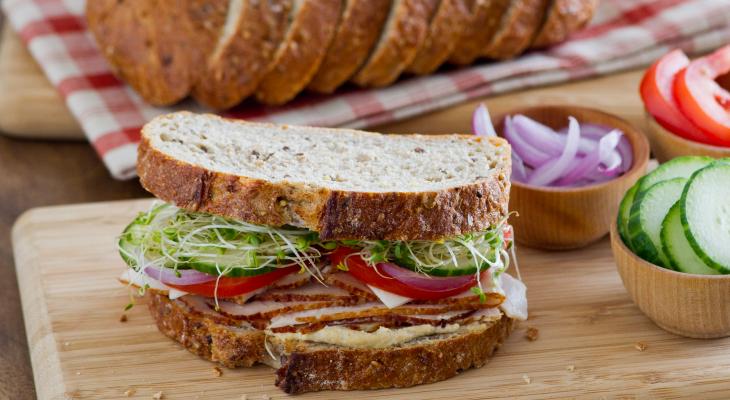
Turkey Salad Sandwich Recipe: There’s something undeniably comforting about a turkey salad sandwich. It’s creamy, savory, slightly crunchy, and incredibly satisfying—all tucked between two slices of your favorite bread. Whether you’re looking for a quick lunch idea, a picnic staple, or a smart way to use leftover turkey, this turkey salad sandwich recipe will become your go-to solution.
Think about it—how often do leftovers sit in the fridge waiting to be reinvented? Instead of reheating plain turkey, why not transform it into something exciting? A well-made turkey salad sandwich blends tender turkey with creamy dressing, crisp vegetables, and just the right seasoning to create a balanced, flavorful bite every single time.
This step-by-step guide is designed to walk you through everything, from selecting the best ingredients to assembling a sandwich that tastes like it came straight from a gourmet deli. And don’t worry—we’re keeping it simple. No complicated techniques. No hard-to-find ingredients. Just honest, flavorful food done right.
By the end of this guide, you won’t just know how to make a turkey salad sandwich—you’ll understand how to make it perfectly, consistently, and creatively. Ready? Let’s dive in.
Why You’ll Love This Turkey Salad Sandwich
Let’s be honest—there are hundreds of sandwich recipes out there. So why choose this one? Because this turkey salad sandwich hits all the right notes: it’s easy, versatile, affordable, and unbelievably delicious.
First, it’s incredibly quick to prepare. If you already have cooked turkey on hand, you’re less than 20 minutes away from a satisfying meal. That makes it perfect for busy weekdays when cooking feels like a chore but you still want something homemade and wholesome.
Second, it’s customizable. Love a bit of crunch? Add celery or chopped nuts. Prefer something slightly sweet? Toss in dried cranberries or a drizzle of honey. Watching calories? Swap mayo for Greek yogurt. This recipe adapts to your preferences without losing its core flavor.
Third, it’s ideal for meal prep. Turkey salad stores beautifully in the refrigerator, meaning you can prepare a batch ahead of time and enjoy sandwiches throughout the week. It’s the kind of recipe that works as hard as you do.
And let’s not forget nutrition. Turkey is a lean protein packed with essential nutrients like B vitamins and selenium. When combined with fresh vegetables and whole-grain bread, you get a balanced meal that fuels your body without weighing you down.
Simply put, this sandwich isn’t just food—it’s convenience, comfort, and creativity rolled into one.
Ingredients You’ll Need
The secret to an exceptional turkey salad sandwich lies in quality ingredients. Each component plays a role in building flavor, texture, and balance. Let’s break it down clearly.
Main Ingredients
Here’s what you’ll need for the classic version:
- 2 cups cooked turkey (shredded or finely chopped)
- ½ cup mayonnaise
- 1 tablespoon Dijon mustard
- 1 celery stalk (finely chopped)
- 2 tablespoons red onion (finely diced)
- 1 tablespoon fresh lemon juice
- Salt and black pepper to taste
- 8 slices of bread (your choice)
- Lettuce leaves (optional)
- Tomato slices (optional)
These ingredients create a creamy, slightly tangy, and savory turkey salad base. The mayonnaise provides richness, while Dijon mustard adds subtle depth. Lemon juice brightens everything up, preventing the mixture from feeling too heavy.
Optional Add-Ins for Extra Flavor
Want to elevate your sandwich? Try these additions:
- Chopped pecans or walnuts for crunch
- Dried cranberries for sweetness
- Fresh parsley or dill for herbaceous freshness
- A pinch of paprika for mild warmth
- A spoonful of Greek yogurt for a lighter texture
These small tweaks can dramatically change the flavor profile without overcomplicating the recipe.
Best Bread Choices
Bread matters more than you think. The wrong bread can make your sandwich soggy or overpower the filling. Here are top choices:
| Bread Type | Why It Works |
|---|---|
| Whole Wheat | Nutty flavor, sturdy texture |
| Sourdough | Tangy contrast, holds moisture well |
| Multigrain | Adds texture and fiber |
| Brioche | Slight sweetness for gourmet touch |
| Croissant | Buttery and indulgent option |
Choose bread that complements—not competes with—the creamy turkey salad.
Kitchen Tools Required
You don’t need a professional kitchen setup to make the perfect turkey salad sandwich. In fact, one of the beauties of this recipe is its simplicity. Still, having the right tools makes preparation smoother and more efficient.
Here’s what you’ll need:
- A sharp chef’s knife
- Cutting board
- Mixing bowl
- Measuring cups and spoons
- Spoon or spatula for mixing
- Bread knife (if slicing fresh bread)
That’s it. No blenders, no food processors, no complicated gadgets.
A sharp knife is especially important when chopping turkey and vegetables. Clean cuts ensure consistent texture, and texture plays a huge role in how the final sandwich feels in every bite. Too chunky? It becomes messy. Too fine? It turns mushy. Aim for a balanced, bite-sized chop.
Using a medium-sized mixing bowl allows you to stir thoroughly without ingredients spilling over the sides. Proper mixing ensures every piece of turkey gets coated evenly with the dressing—because nobody wants a dry bite.
If you’re toasting your bread (highly recommended for added structure), a simple skillet or toaster works perfectly. Lightly crisped bread helps prevent sogginess and adds a pleasant contrast to the creamy filling.
With just a few basic tools and minimal prep time, you’re already halfway to sandwich perfection.
How to Choose the Best Turkey for Your Sandwich
Let’s start with the star of the show: the turkey. Not all turkey is created equal, and the quality you choose will directly affect the flavor and texture of your sandwich. Think of turkey as the foundation of a house—if it’s solid, everything else falls perfectly into place.
You have a few excellent options. Leftover roasted turkey from dinner is arguably the best choice. It’s flavorful, tender, and already seasoned. Simply remove the skin and shred or chop the meat into small, bite-sized pieces. Both white and dark meat work well. White meat offers a leaner, milder flavor, while dark meat provides richness and juiciness. A combination of both gives you the best of both worlds.
If leftovers aren’t available, deli turkey is a convenient alternative. However, avoid overly processed varieties packed with sodium. Opt for freshly sliced oven-roasted turkey from the deli counter. Thicker slices are better because they allow you to chop them into small chunks rather than ending up with thin strips.
You can also cook turkey breast specifically for this recipe. Season it simply with salt, pepper, and a drizzle of olive oil, then roast until juicy. Allow it to cool completely before chopping—warm turkey mixed with mayonnaise can become greasy and lose its creamy texture.
The key is moisture. Dry turkey leads to dry salad. If your turkey feels slightly dry, don’t panic. A splash of lemon juice or a small spoonful of extra mayo or Greek yogurt can bring it back to life.
Choose wisely, and your sandwich will thank you.
Preparing the Ingredients Properly
Preparation might seem like a small step, but it’s where flavor truly begins. The way you chop, dice, and mix your ingredients determines whether your turkey salad sandwich tastes balanced or chaotic.
Start with the turkey. Chop it into small, even pieces—about the size of a pea or slightly larger. You want texture, not large chunks that fall out of the sandwich. Shredded turkey creates a softer texture, while chopped turkey provides more bite. Choose based on your preference, but aim for consistency.
Next comes the celery and red onion. Finely dice both. Large onion chunks can overpower the sandwich, while tiny pieces distribute flavor evenly without dominating each bite. If raw onion feels too strong for your taste, soak the diced pieces in cold water for 5–10 minutes, then drain. This softens the sharpness without removing flavor.
Fresh lemon juice should be squeezed just before mixing. Bottled lemon juice often lacks brightness and can taste artificial. That small squeeze of fresh citrus cuts through the richness of the mayo and keeps the salad from feeling heavy.
If you’re adding herbs like parsley or dill, chop them finely so they blend seamlessly into the mixture. Herbs shouldn’t sit on top—they should mingle.
Proper preparation ensures harmony. Every ingredient should work together, not compete.
Chopping and Shredding Techniques
When chopping turkey, use a sharp knife and steady strokes. Avoid sawing back and forth aggressively, which can tear the meat unevenly. If shredding, use two forks and gently pull the meat apart along its natural grain.
For vegetables, keep your knife tip anchored to the cutting board and use a rocking motion for precise, even cuts. Uniformity isn’t just for presentation—it ensures consistent texture throughout the salad.
Balancing Texture and Flavor
Texture is everything. The creamy base should contrast with crunchy celery and soft turkey. Too much mayo makes it heavy. Too little makes it dry. Aim for creamy but structured—when scooped, the salad should hold its shape without dripping.
Step-by-Step Guide to Making Turkey Salad
Now comes the exciting part—bringing everything together. Follow these steps carefully, and you’ll have a perfectly balanced turkey salad every time.
Step 1 – Prepare the Turkey
Place your chopped or shredded turkey into a large mixing bowl. Ensure it’s completely cooled before adding any dressing. Warm turkey can break down the mayonnaise and create an oily texture.
If the turkey seems dry, sprinkle a teaspoon of lemon juice over it and toss lightly. This refreshes the meat and enhances flavor naturally.
Step 2 – Mix the Dressing
In a separate small bowl, combine:
- ½ cup mayonnaise
- 1 tablespoon Dijon mustard
- 1 tablespoon fresh lemon juice
- Salt and black pepper to taste
Whisk until smooth and creamy. Taste the dressing before adding it to the turkey. Need more tang? Add a touch more mustard. Want brightness? Another squeeze of lemon works wonders.
Mixing the dressing separately ensures even flavor distribution rather than clumps of mustard in random bites.
Step 3 – Combine and Season
Pour the dressing over the turkey. Add chopped celery and red onion. Gently fold everything together using a spatula. Don’t overmix—overworking the salad can break down the turkey and make the texture mushy.
Taste and adjust seasoning. This is your moment to fine-tune. Maybe a pinch more salt? A crack of black pepper? Trust your palate.
Step 4 – Chill for Maximum Flavor
Cover the bowl and refrigerate for at least 30 minutes. This step is often skipped—but it shouldn’t be. Chilling allows flavors to meld and deepen. It’s like letting a story develop instead of rushing to the ending.
After chilling, stir once more before assembling your sandwich.
How to Assemble the Perfect Turkey Salad Sandwich
Assembly is where everything comes together—literally. A well-built sandwich isn’t just delicious; it’s structurally sound. No one enjoys a sandwich that collapses mid-bite.
Start by selecting fresh bread. Lightly toast it if you prefer added structure and crunch. Toasting also creates a barrier that prevents moisture from soaking through.
Spread a thin layer of mayonnaise or butter on each slice if desired. This adds extra richness and protects the bread from becoming soggy.
Place a crisp lettuce leaf on the bottom slice. Think of it as a shield between the bread and the turkey salad. Spoon a generous amount of turkey salad onto the lettuce and spread evenly. Avoid overfilling—too much filling leads to messy eating.
Add tomato slices if desired, and season them lightly with salt and pepper. Place the top slice of bread gently over the filling and press down slightly.
For clean presentation, slice diagonally using a sharp knife. That simple diagonal cut instantly makes the sandwich look café-worthy.
Serve immediately and enjoy every creamy, crunchy bite.
Pro Tips for the Creamiest Turkey Salad
Want your turkey salad to taste like it came from a high-end deli? Follow these expert tips.
First, don’t drown the turkey in mayonnaise. Add dressing gradually. You can always add more—but you can’t take it away. The salad should be moist, not swimming.
Second, allow time to chill. Even 30 minutes transforms flavor. Overnight? Even better.
Third, consider mixing half mayonnaise and half Greek yogurt. This lightens the texture while maintaining creaminess.
Fourth, season in layers. Lightly season the turkey first, then adjust after mixing. Layered seasoning creates depth.
Finally, texture matters. Add crunch from celery, nuts, or even diced apples for surprise contrast.
Small details make big differences.
Healthy Variations and Substitutions
Looking for a lighter version? No problem.
Replace mayonnaise with plain Greek yogurt or mashed avocado for a healthier fat source. Use whole-grain or sprouted bread for extra fiber. Add spinach instead of lettuce for more nutrients.
For a low-carb option, serve the turkey salad in lettuce wraps or stuffed inside hollowed bell peppers.
Want dairy-free? Choose vegan mayonnaise. Need gluten-free? Use certified gluten-free bread.
This sandwich adapts beautifully to dietary preferences without sacrificing flavor.
FAQs about Turkey Salad Sandwich Recipe
1. Can I freeze turkey salad?
Freezing turkey salad is not recommended. Mayonnaise-based dressings tend to separate when thawed, which negatively affects both texture and flavor. The vegetables can also become watery and mushy.
2. How long does turkey salad last in the refrigerator?
When stored properly in an airtight container, turkey salad stays fresh for about 3–4 days in the refrigerator. For best quality, keep it chilled and stir before serving.
3. Can I make turkey salad without mayonnaise?
Yes. You can substitute mayonnaise with Greek yogurt for a lighter option, mashed avocado for creaminess, or a light vinaigrette for a fresher, tangy flavor.
4. What’s the best way to prevent a soggy sandwich?
Toasting the bread helps create a barrier against moisture. Adding lettuce between the bread and turkey salad also prevents the dressing from soaking into the bread too quickly.
5. Can I use chicken instead of turkey?
Absolutely. Cooked chicken works perfectly as a substitute and can be used in the same quantities without changing the recipe.
Conclusion
A turkey salad sandwich may seem simple, but when done right, it’s anything but ordinary. With quality turkey, balanced seasoning, and thoughtful preparation, you can turn basic ingredients into something genuinely satisfying.
Whether you’re using leftovers, meal-prepping for the week, or crafting the perfect picnic lunch, this recipe delivers consistency, flavor, and flexibility. The beauty lies in its simplicity—and the endless ways you can make it your own.
Now that you have the full step-by-step guide, there’s only one thing left to do: head to your kitchen and start mixing.