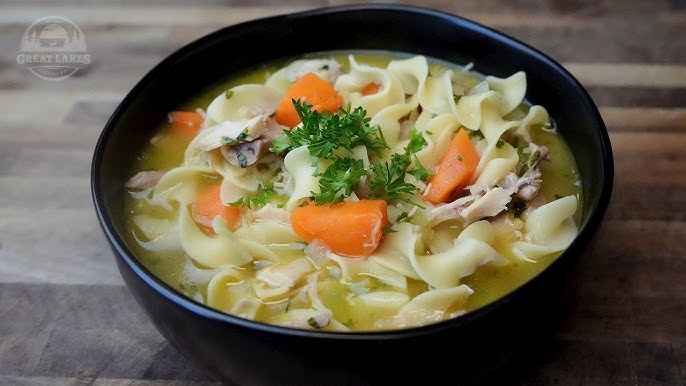
Turkey Carcass Soup Recipe: There’s something almost magical about turning leftovers into something even better than the original meal. Turkey carcass soup is one of those kitchen secrets that feels like a quiet victory. After the big holiday feast—whether it’s Thanksgiving, Christmas, or just a Sunday roast—you’re left staring at that picked-over turkey frame. Most people toss it. But here’s the truth: that carcass is culinary gold.
Turkey carcass soup isn’t just about being frugal—it’s about flavor. The broth develops layers of taste: slightly sweet from roasted bones, earthy from vegetables, and deeply savory from natural gelatin. Each spoonful tells the story of the original meal but transforms it into something entirely new.
And let’s be real—on a chilly evening, there’s nothing more comforting than wrapping your hands around a warm bowl of homemade soup. It’s like a cozy blanket, but edible. Whether you’re feeding a family or meal-prepping for the week, this recipe delivers comfort, nutrition, and serious flavor without complicated techniques.
Ready to transform those leftovers into something extraordinary? Let’s dive in.
Why You Should Never Waste a Turkey Carcass
Throwing away a turkey carcass is like tossing out a winning lottery ticket before checking the numbers. It may look picked clean, but it’s still packed with potential. Hidden within those bones is collagen, marrow, and concentrated flavor just waiting to be extracted.
When bones simmer slowly, collagen breaks down into gelatin. That’s what gives homemade soup its silky texture and rich mouthfeel. Ever noticed how refrigerated homemade broth turns slightly jiggly? That’s liquid gold right there. Store-bought broth often lacks this depth because it’s produced quickly and diluted for mass distribution.
Beyond flavor, there’s practicality. Using the carcass stretches your grocery budget. One turkey can easily provide multiple meals: roasted turkey dinner, sandwiches, casseroles—and finally, a hearty soup. It’s the ultimate example of cooking smarter, not harder.
There’s also something deeply satisfying about honoring the entire ingredient. Cooking nose-to-tail (or in this case, bone-to-broth) is rooted in traditional kitchens across cultures. Our grandparents rarely wasted bones—they turned them into nourishing soups that sustained families through cold seasons.
And here’s the kicker: turkey carcass soup often tastes better the next day. The flavors meld together overnight, creating an even richer experience. So instead of seeing scraps, start seeing opportunity.
If you’ve never made soup from a carcass before, you might be surprised how simple it is. No fancy culinary degree required. Just time, patience, and a big pot.
The Comfort and Nutrition of Homemade Soup
There’s a reason soup is the universal comfort food. Across cultures and continents, nearly every cuisine has its own version of a bone-based broth. It’s soothing, grounding, and deeply nourishing.
Turkey carcass soup, in particular, feels like home in a bowl. The warmth alone can lift your mood. But beyond comfort, it offers real nutritional value. When you simmer bones for hours, they release minerals like calcium, magnesium, and phosphorus. Combined with vegetables and herbs, you’re creating a nutrient-dense meal—not just flavored water.
The broth itself supports hydration while delivering electrolytes. Add carrots, celery, onions, and leafy herbs, and suddenly your soup becomes a powerhouse of antioxidants and vitamins. It’s especially helpful during colder months when immune systems need extra support.
And let’s talk about digestion. Gelatin-rich broth is gentle on the stomach and may help support gut health. That’s one reason people often crave soup when they’re under the weather—it’s easy to digest yet deeply satisfying.
But perhaps the most underrated benefit is emotional nourishment. Cooking soup slows you down. The steady simmer, the aroma filling your kitchen, the anticipation—it’s almost therapeutic. In a fast-paced world, soup reminds us to pause.
When you make turkey carcass soup from scratch, you’re not just cooking. You’re creating an experience—one that nourishes body and soul alike.
Ingredients You’ll Need
Before we jump into the cooking process, let’s gather everything you need. The beauty of turkey carcass soup is its flexibility. You can keep it simple or build layers of flavor depending on what you have in your kitchen.
Main Ingredients
- 1 leftover turkey carcass (with some meat still attached)
- 10–12 cups water (enough to fully cover the carcass)
- 1–2 cups shredded leftover turkey meat
The carcass is the star. Don’t worry if it looks messy—that’s perfect. Those tiny scraps of meat and connective tissue add incredible flavor to your broth.
Vegetables and Aromatics
- 2 carrots, chopped
- 2 celery stalks, chopped
- 1 large onion, quartered
- 3–4 garlic cloves, smashed
These classic aromatics create a balanced, savory base. Carrots add sweetness, celery adds freshness, and onion builds depth.
Herbs and Seasonings
- 2 bay leaves
- 1 teaspoon dried thyme (or fresh sprigs)
- 1 teaspoon black peppercorns
- Salt to taste
- Fresh parsley for garnish
Herbs elevate the broth from simple to sensational. Bay leaves and thyme bring warmth and subtle earthiness.
Optional Add-Ins for Extra Flavor
- 1 cup egg noodles or rice
- 1 cup chopped potatoes
- ½ teaspoon red pepper flakes
- Splash of lemon juice for brightness
Think of these as customization options. Want something heartier? Add noodles. Prefer a lighter, veggie-forward soup? Skip the starch and load up on greens.
The flexibility of this ingredient list means you can adapt based on preference, dietary needs, or what’s already in your fridge. That’s the beauty of homemade cooking—it bends to your life, not the other way around.
Kitchen Tools Required
Making turkey carcass soup doesn’t require professional equipment, but having the right tools makes the process smoother and more enjoyable.
Essential Cookware
- Large stockpot or Dutch oven
- Fine mesh strainer
- Large spoon or ladle
- Cutting board and knife
A heavy-bottomed stockpot works best because it distributes heat evenly, preventing scorching during long simmering sessions. You’ll want something large enough to comfortably hold the carcass and water without overflowing.
A fine mesh strainer is crucial for separating the rich broth from bones and vegetable solids. This step ensures a clean, smooth soup base.
Optional Equipment for Convenience
- Slow cooker
- Pressure cooker or Instant Pot
- Fat separator
If you prefer a hands-off method, a slow cooker is fantastic. Simply add ingredients and let it simmer for 8–10 hours. A pressure cooker speeds things up significantly, extracting deep flavor in under two hours.
A fat separator helps remove excess grease easily, especially if your turkey was particularly fatty.
The tools are simple, the process is forgiving, and the result? Pure comfort in a bowl.
Preparing the Turkey Carcass
Before you toss everything into a pot and crank up the heat, a little preparation goes a long way. Think of this step as setting the stage. The better you prep, the deeper and richer your final soup will taste.
First, let’s talk storage. If you’re not making the soup immediately after your turkey dinner, store the carcass properly. Wrap it tightly in plastic wrap or place it in an airtight container and refrigerate it for up to 3 days. If you need more time, freeze it. Yes, you can absolutely freeze a turkey carcass. It will keep well for up to 3 months. When you’re ready to cook, simply thaw it overnight in the refrigerator.
Now, breaking down the carcass. Don’t worry—this doesn’t require expert knife skills. Remove any large chunks of remaining meat and set them aside for later. You’ll add that back into the soup toward the end so it doesn’t overcook and become dry. If the carcass is too large for your pot, carefully break it apart at the joints using your hands or a sturdy knife. You’re not aiming for perfection; you just want pieces that fit comfortably in your pot.
If your turkey was heavily seasoned or glazed, scrape off excess sugary glaze to prevent an overly sweet broth. However, roasted skin and browned bits? Leave those on. That’s flavor.
At this point, you might notice small bits of herbs or stuffing clinging to the bones. That’s okay. In fact, those little extras can enhance the broth. Just avoid adding large amounts of stuffing, as it can make the soup cloudy.
Preparation doesn’t need to be complicated. Keep it simple, keep it clean, and trust that those humble bones are about to create something incredible.
Step-by-Step Guide to Making Turkey Carcass Soup
Here’s where the magic happens. This is the transformation stage—the moment leftovers become liquid comfort.
Step 1: Roasting the Carcass (Optional but Recommended)
If you want a deeper, richer flavor, roast the turkey carcass first. Place it on a baking tray and roast at 400°F (200°C) for about 20–30 minutes until lightly browned. This step enhances the soup’s color and adds a roasted, savory depth.
Step 2: Simmering the Broth
Transfer the carcass to a large stockpot. Add enough water to fully cover it, then toss in aromatics like onion, garlic, celery, and carrots. Bring to a gentle boil, then reduce heat and simmer for 1½–2 hours. Keep it at a low simmer to extract maximum flavor without clouding the broth.
Step 3: Skimming and Straining
As the soup simmers, skim off any foam or excess fat that rises to the surface. Once done, remove the carcass and strain the broth through a fine mesh sieve, discarding bones and spent vegetables. This leaves you with a clear, flavorful base.
Step 4: Adding Fresh Vegetables and Meat
Return the strained broth to the pot. Add fresh chopped vegetables and any leftover turkey meat. Simmer for another 20–30 minutes until vegetables are tender and the flavors come together.
Step 5: Final Seasoning and Adjustments
Season with salt, pepper, and herbs like thyme or bay leaf. Adjust thickness with water or broth if needed. Serve hot for a comforting, nourishing soup.
Pro Tips for the Best Turkey Soup
Great soup isn’t about complexity—it’s about attention to detail.
How Long Should You Simmer the Broth?
Three hours is a solid minimum. Four to five hours yields deeper flavor. If using a slow cooker, 8–10 hours on low works beautifully. The key is gentle heat. A soft simmer coaxes flavor out slowly and naturally.
Secrets to a Clear, Flavorful Soup
- Avoid rapid boiling.
- Skim foam early.
- Don’t over-stir.
- Strain carefully.
- Season at the end.
Clarity equals elegance. Even rustic soup benefits from a clean broth.
Common Mistakes to Avoid
Even simple recipes have pitfalls. Here are the most common ones:
- Boiling too hard – Makes broth cloudy.
- Under-seasoning – Bones need salt to shine.
- Overcooking noodles – They turn mushy fast.
- Skipping fresh herbs at the end – You lose brightness.
- Not tasting as you go – Always adjust gradually.
Avoid these, and your soup will taste restaurant-worthy.
Variations of Turkey Carcass Soup
One of the best things about turkey soup? It’s endlessly adaptable.
Turkey Noodle Soup
Add wide egg noodles and extra parsley for a classic comfort bowl.
Creamy Turkey and Rice Soup
Stir in a splash of cream and cooked rice for a richer, heartier option.
Low-Carb Turkey Vegetable Soup
Skip starches and load up on zucchini, spinach, and mushrooms.
Spicy Turkey Soup Twist
Add chili flakes, diced jalapeños, and a dash of smoked paprika for heat.
Each variation brings new personality to the same base broth.
How to Store and Freeze Turkey Soup
Allow the soup to cool completely before storing. Refrigerate in airtight containers for up to 4 days.
For freezing:
- Leave out noodles (they become mushy).
- Freeze in portion-sized containers.
- Label with date.
- Store up to 3 months.
Reheat gently on the stovetop for best texture.
Serving Suggestions
Serve turkey carcass soup with:
- Crusty artisan bread
- Warm dinner rolls
- Simple green salad
- Crackers or garlic toast
A sprinkle of fresh herbs on top makes it look as good as it tastes.
FAQs about Turkey Carcass Soup Recipe
1. How long can I keep a turkey carcass before making soup?
You can safely refrigerate a turkey carcass for up to 3 days before using it. If you don’t plan to make soup right away, freeze the carcass in an airtight bag or container for up to 3 months to preserve freshness and flavor.
2. Can I make turkey carcass soup in a slow cooker?
Yes. A slow cooker works very well for this soup. Place the carcass, vegetables, and water in the cooker and cook on low for 8–10 hours. The long, gentle heat extracts maximum flavor from the bones.
3. Why is my broth cloudy?
Cloudy broth usually happens when the soup is boiled too vigorously. For a clear broth, keep the liquid at a gentle simmer and skim off foam and impurities as they rise to the surface.
4. Can I add leftover stuffing to the soup?
Yes, but only in small amounts. Stuffing absorbs liquid quickly and can thicken or cloud the broth if too much is added. Stir it in near the end of cooking.
5. How do I make the soup richer?
For a richer flavor, simmer the broth longer, roast the carcass and bones beforehand, and avoid adding too much water. A concentrated broth delivers deeper taste and better texture.
Conclusion
Turkey carcass soup proves that some of the best meals come from humble beginnings. What looks like scraps becomes a deeply nourishing, flavorful dish with just time and care. It’s economical, comforting, and surprisingly easy to prepare.
Instead of throwing away your turkey bones, let them tell one more delicious story. With a handful of vegetables, gentle simmering, and a little patience, you’ll create a soup that warms both kitchen and heart.
Once you try it, you may find yourself looking forward to leftovers just for the excuse to make it again.