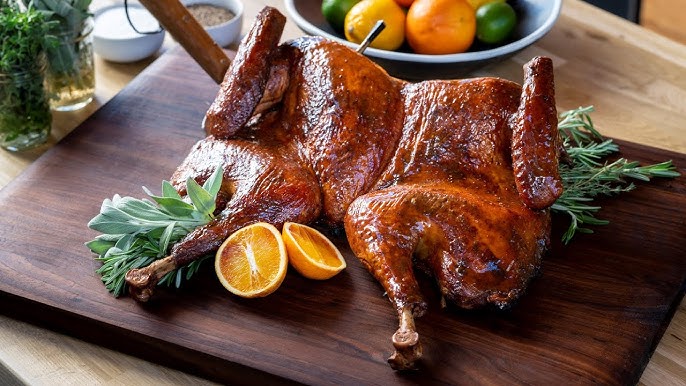
Traeger Turkey Recipe: If you’ve ever tasted a perfectly smoked turkey fresh off a Traeger grill, you know it’s a game-changer. We’re not talking about dry, bland holiday turkey that needs a gallon of gravy to survive.
We’re talking about juicy, tender meat infused with rich wood-fired flavor and wrapped in beautifully bronzed, crispy skin. Sounds mouthwatering already, right?
Let’s fire up that Traeger and get started.
Why Choose a Traeger Grill for Your Turkey?
There’s something magical about cooking with wood fire. It adds depth, character, and a subtle smokiness that you simply can’t achieve in a conventional oven. A Traeger grill takes that traditional wood-fire concept and modernizes it with precision and convenience.
Unlike charcoal grills that require constant babysitting or gas grills that lack authentic smoke flavor, a Traeger uses wood pellets and advanced temperature controls to create consistent, even heat. Think of it as the slow cooker of the grilling world—set it, monitor it, and let it work its magic.
Another big advantage? Even cooking. Turkey can be tricky. The breast tends to dry out before the thighs are done. But with a Traeger’s convection-style cooking, heat circulates evenly around the bird, helping you achieve balanced doneness throughout.
And let’s talk flavor. When turkey slowly smokes over applewood, cherry, or hickory pellets, it absorbs a subtle, aromatic essence that transforms it from ordinary to unforgettable. It’s like upgrading from a black-and-white TV to full HD color.
Plus, using a Traeger frees up your oven—especially helpful during holiday meals when every inch of kitchen space counts.
If you want juicy meat, crispy skin, and a stress-free cooking experience, the Traeger grill isn’t just an option—it’s the best choice.
The Wood-Fired Flavor Advantage
The secret weapon behind any great Traeger turkey recipe is wood-fired flavor. Let’s be honest—oven-roasted turkey is fine. But smoked turkey? That’s a whole different league.
Wood pellets are made from compressed hardwood sawdust, and each type delivers its own flavor profile. Applewood provides a mild, slightly sweet smoke. Hickory offers a stronger, bacon-like richness. Cherry adds a beautiful color and subtle fruitiness. It’s like choosing spices for your dish—but instead, you’re choosing your smoke personality.
When the turkey cooks low and slow, the smoke gently penetrates the meat. It doesn’t overpower—it enhances. The result? Every bite carries a delicate smokiness that feels natural and balanced.
And here’s the best part: because Traeger grills maintain steady temperatures, the smoke remains clean and controlled. You won’t get that bitter, over-smoked taste that sometimes happens with traditional smokers.
Imagine slicing into your turkey and seeing that light pink smoke ring just beneath the surface. That’s not just visual appeal—that’s flavor evidence.
In short, wood-fired cooking doesn’t just cook your turkey. It elevates it.
Consistent Temperature Control
Temperature control can make or break your smoked turkey. Too hot, and the meat dries out. Too low, and you risk undercooking. The beauty of a Traeger grill lies in its digital precision.
With a simple dial or digital controller, you can set your desired temperature—typically 225°F to 325°F for turkey—and the grill maintains it automatically. No constant adjusting vents. No guessing. No stress.
This consistency is critical because turkey needs steady heat for hours. Fluctuating temperatures can cause uneven cooking, rubbery skin, or dried-out breast meat. Traeger eliminates that headache by using an auger system that feeds pellets into the firepot as needed, keeping heat stable.
Think of it like cruise control for your grill. You focus on prepping sides or relaxing with guests while your turkey slowly transforms into a masterpiece.
Consistency also means repeatable results. Once you nail this recipe, you can replicate it again and again with confidence.
Reliable heat equals reliable flavor. And reliable flavor means rave reviews at the dinner table.
Why It’s Perfect for Holidays and Gatherings
Holidays are busy. The kitchen becomes a battlefield of casseroles, pies, and side dishes. That’s where a Traeger turkey recipe truly shines.
By moving the turkey outdoors, you instantly free up oven space. That means less stress and more room for your famous stuffing or sweet potato casserole. Plus, cooking outside keeps your kitchen cooler and less crowded.
There’s also something special about gathering around a smoker. Guests love checking on the progress, smelling the wood smoke drifting through the air, and anticipating that first slice. It becomes part of the celebration itself.
A smoked turkey also stands out. While everyone expects traditional roasted turkey, serving a beautifully smoked bird feels unique and memorable. It shows effort without actually being complicated.
Most importantly, Traeger cooking is forgiving. As long as you monitor internal temperature, the grill does most of the heavy lifting. That peace of mind during big events? Priceless.
Ready to move on to the essentials? Let’s talk ingredients.
Ingredients You’ll Need for the Perfect Traeger Turkey
Before you fire up your grill, you need the right ingredients. Quality matters here. Great turkey starts with thoughtful preparation and balanced seasoning.
Here’s everything you’ll need:
Main Ingredients
- 1 whole turkey (12–15 pounds recommended)
- 2–3 tablespoons olive oil or melted butter
- Kosher salt
- Freshly ground black pepper
- 1 tablespoon garlic powder
- 1 tablespoon onion powder
- 1 tablespoon smoked paprika
- Fresh herbs (rosemary, thyme, sage)
- 1 lemon (halved)
- 1 onion (quartered)
Brine Ingredients (Optional but Recommended)
- 1 gallon water
- 1 cup kosher salt
- ½ cup brown sugar
- 2 bay leaves
- 1 tablespoon whole peppercorns
- Fresh herbs
Herb Butter Mixture
- 1 cup unsalted butter (softened)
- 2 tablespoons chopped rosemary
- 2 tablespoons chopped thyme
- 2 cloves minced garlic
- Zest of one lemon
Wood Pellets
- Applewood (mild and sweet)
- Cherry (adds color)
- Hickory (stronger smoke flavor)
These ingredients work together like a symphony. The brine adds moisture. The herb butter infuses richness. The smoke ties everything together.
Now that we’ve covered the foundation, it’s time to dive into preparation and the full step-by-step cooking process.
Essential Tools and Equipment
Before you place that beautiful bird on your Traeger, let’s talk tools. Think of this as setting up your toolkit before building something important. You wouldn’t start a construction project without the right equipment, right? The same logic applies here. Having the proper tools makes the entire smoking process smoother, safer, and far more predictable.
First, you absolutely need a reliable meat thermometer. And not just the pop-up timer that sometimes comes stuck in the turkey. A digital instant-read thermometer or, even better, a wireless probe thermometer is your best friend. Smoking turkey is all about internal temperature, not guesswork. The difference between juicy and dry can be just a few degrees.
Next, you’ll want a large roasting pan or sturdy aluminum tray. While many people place the turkey directly on the grill grates, using a pan can help catch drippings for gravy and make cleanup easier. It also stabilizes the bird when transferring it on and off the grill.
Kitchen twine is another small but important item. Trussing the turkey helps it cook evenly by keeping the wings and legs close to the body. This prevents overcooking smaller parts while the larger sections finish.
Other helpful tools include:
- Heavy-duty aluminum foil
- Basting brush
- Sharp carving knife
- Large cutting board with juice groove
- Heat-resistant gloves
Think of these tools as insurance. They don’t just make the process easier—they make your results more consistent and professional-looking.
With your equipment ready, let’s move to one of the most overlooked but critical steps: choosing the right turkey.
How to Choose the Right Turkey
Not all turkeys are created equal. Walk into any grocery store during the holidays, and you’ll see a dozen options staring back at you—fresh, frozen, organic, free-range, self-basting. It can feel overwhelming. So how do you choose?
First, consider size. A 12–15 pound turkey is ideal for most Traeger grills and cooks evenly without requiring an extremely long smoking time. Plan for about 1 to 1½ pounds per person. If you’re feeding 10 guests, a 14-pound turkey is perfect.
Fresh vs. frozen? Both work. Fresh turkeys are convenient but must be cooked quickly. Frozen turkeys are often more affordable and just as flavorful if properly thawed. If you go frozen, allow about 24 hours of refrigerator thawing for every 4–5 pounds. Patience here is key.
Pay attention to labeling. “Self-basting” turkeys are injected with salt solutions. If you plan to brine, avoid these to prevent overly salty meat. Organic and free-range birds often have better texture and flavor, but they can cost more. It really comes down to your budget and preference.
When selecting, look for:
- No tears in packaging
- No strong odor
- Even coloring
- Firm texture
Choosing the right turkey is like choosing the right canvas before painting. Start strong, and everything else becomes easier.
Preparing Your Turkey for the Traeger
Preparation is where good turkey becomes great turkey. Don’t rush this stage. This is the foundation of flavor and moisture.
If your turkey is frozen, ensure it’s completely thawed in the refrigerator. Never thaw at room temperature. Once thawed, remove the giblets and neck from inside the cavity. Rinse lightly under cold water if desired, but more importantly, pat it completely dry with paper towels. Moisture on the skin prevents crispiness.
Now let’s talk brining. While optional, brining is highly recommended. It’s like giving your turkey a moisture insurance policy. The salt solution helps the meat retain water during the long smoking process.
Basic Brining Process:
- Dissolve kosher salt and brown sugar in warm water.
- Add herbs, bay leaves, and peppercorns.
- Submerge turkey completely.
- Refrigerate for 12–24 hours.
After brining, rinse lightly and pat completely dry again. Dry skin equals crispy skin later.
Next comes the herb butter. Gently loosen the skin over the breast and thighs using your fingers. Spread the butter mixture underneath and on top of the skin. This step feels fancy—but it’s simple. And the flavor payoff? Massive.
Finally, stuff the cavity with lemon halves, onion quarters, and fresh herbs. This adds aroma and subtle flavor from the inside out.
Now your turkey is officially ready for the grill.
Step-by-Step Guide to Smoking a Turkey on a Traeger
Here’s where the magic happens. Follow these steps carefully, and you’ll have a turkey that looks—and tastes—like it came from a professional smokehouse.
Step 1: Preheat Your Traeger Grill
Preheat your Traeger to 225–250°F (107–121°C). Make sure the grill is fully heated before adding the turkey to maintain steady smoke and even cooking.
Step 2: Season and Stuff the Turkey
Pat the turkey dry with paper towels. Season generously with salt, pepper, and your preferred dry rub. You can stuff the cavity with aromatics like onion, garlic, herbs, lemon, or apple for added flavor—avoid dense stuffing.
Step 3: Place Turkey on the Grill
Place the turkey breast-side up directly on the grill grates. Insert a meat probe into the thickest part of the breast without touching bone. Close the lid to retain smoke and heat.
Step 4: Monitor Internal Temperature
Smoke the turkey until the breast reaches 160°F (71°C) and the thigh reaches 170–175°F (77–79°C). This typically takes 30–40 minutes per pound, depending on grill temperature.
Step 5: Basting and Maintaining Moisture
Optional: baste lightly with melted butter or oil every hour to enhance color and moisture. Avoid frequent lid opening, which can cause heat loss.
Step 6: Final Temperature Check and Resting
Remove the turkey once target temperatures are reached. Tent loosely with foil and rest for 20–30 minutes. Resting allows juices to redistribute, ensuring moist, tender slices when carved.
Smoking Time and Temperature Chart
Here’s a quick reference guide:
| Turkey Weight | Estimated Total Time | Final Internal Temp |
|---|---|---|
| 10–12 lbs | 3.5–4.5 hours | 165°F breast |
| 12–14 lbs | 4–5 hours | 165°F breast |
| 14–16 lbs | 5–6 hours | 165°F breast |
| 16–18 lbs | 6–7 hours | 165°F breast |
Remember, these are estimates. Temperature is your true guide.
How to Get Crispy Skin on a Smoked Turkey
Nobody wants rubbery turkey skin. Crispy skin is the crown jewel of a great Traeger turkey recipe.
Here’s how to guarantee it:
- Pat the turkey completely dry before seasoning.
- Avoid too much moisture after brining.
- Start low (225°F), then increase to 325°F.
- Don’t wrap the turkey while cooking.
- Let air circulate around the bird.
You can even finish at 350°F for the last 20 minutes if needed. Think of it as turning up the heat for a golden finale.
Dry skin + higher finishing temp = crisp perfection.
Common Mistakes to Avoid When Smoking Turkey
Even experienced cooks make mistakes. Let’s avoid the big ones:
- Not thawing completely.
- Skipping the thermometer.
- Opening the lid too often.
- Over-smoking with strong wood like mesquite.
- Carving too soon.
Smoking turkey isn’t complicated—but it does reward patience and precision.
Serving and Carving Your Traeger Turkey
Presentation matters. Start by removing the legs and thighs, then slice the breast against the grain for maximum tenderness.
Arrange slices neatly on a platter and drizzle lightly with warm pan juices.
The aroma alone will draw everyone to the table.
Storing and Reheating Leftovers
Store leftovers in airtight containers within two hours of cooking. Refrigerate for up to 4 days.
To reheat:
- Add a splash of broth.
- Cover with foil.
- Warm at 300°F until heated through.
This keeps the meat moist instead of drying out.
Why This Traeger Turkey Recipe Will Be Your Go-To
Once you make turkey this way, it’s hard to go back. The smoky aroma, juicy texture, and crisp skin create a combination that feels both rustic and refined.
It’s surprisingly simple. It frees up your oven. It impresses guests. And most importantly—it tastes incredible.
This isn’t just another turkey recipe. It’s a tradition waiting to happen.
FAQs about Traeger Turkey Recipe
1. Should I brine my turkey before smoking?
Yes, brining is highly recommended. It helps the turkey retain moisture during the long smoking process and improves overall flavor and tenderness.
2. What is the best wood pellet flavor for turkey?
Applewood and cherry pellets are excellent choices. They produce a mild, slightly sweet smoke that enhances the turkey without overpowering its natural flavor.
3. How long does it take to smoke a 15-pound turkey?
On average, it takes about 5–6 hours, depending on grill temperature. Always rely on internal temperature rather than time alone for doneness.
4. Can I stuff the turkey before smoking?
It’s better to fill the cavity with aromatics like herbs, onion, or citrus instead of dense stuffing. This ensures even cooking and proper heat circulation.
5. How do I know when the turkey is fully cooked?
The turkey is done when the breast reaches 165°F and the thigh reaches 175°F, measured with a reliable meat thermometer.
Conclusion
A perfectly smoked Traeger turkey isn’t about complicated techniques or secret tricks. It’s about preparation, temperature control, and letting wood-fired flavor do the heavy lifting. From brining and seasoning to smoking and resting, each step builds toward a final result that’s juicy, smoky, and unforgettable.
Follow this step-by-step guide, trust your thermometer, and give your turkey the time it deserves. When you slice into that tender, flavorful meat and hear the compliments around the table, you’ll know it was worth every minute.
Fire up your Traeger and make this your best turkey yet.