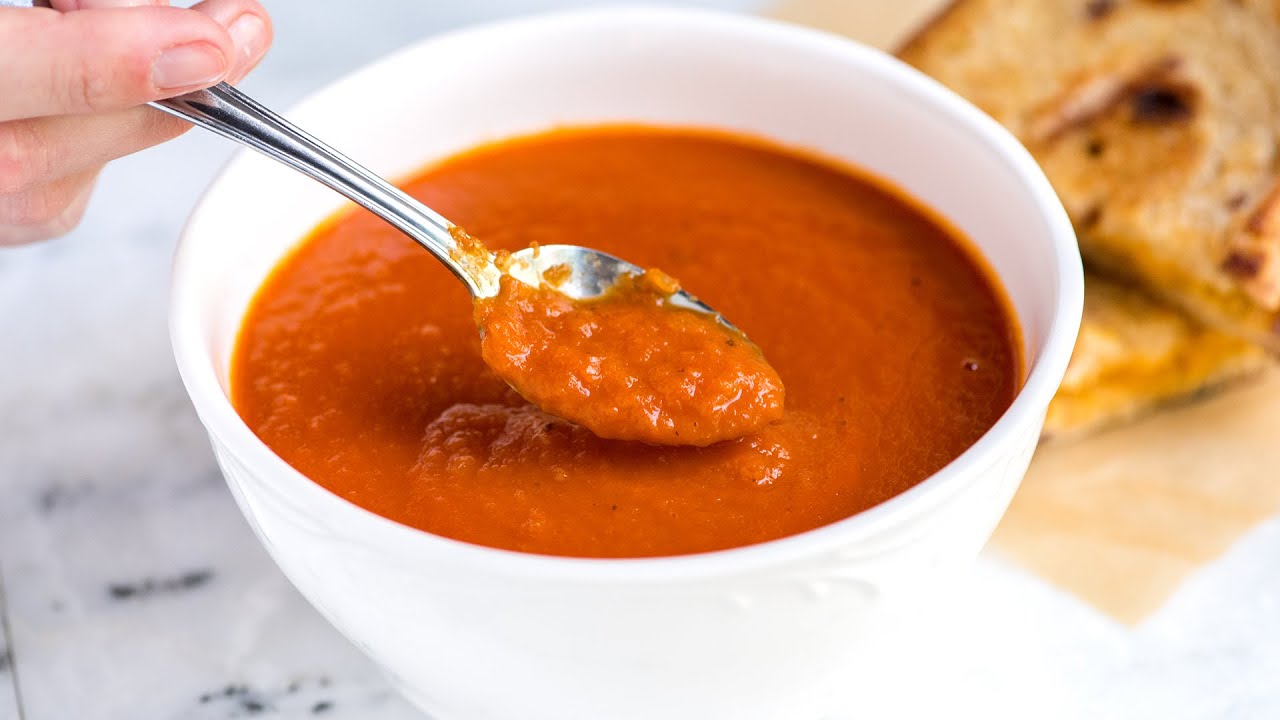
Tomatoe Soup Recipe: Tomato soup is one of those comfort foods that feels like a warm hug in a bowl. Whether you’re curled up on a rainy afternoon or looking for a light yet satisfying dinner, this classic dish never disappoints. But let’s be honest—there’s tomato soup, and then there’s real tomato soup. The kind that tastes vibrant, rich, slightly sweet, perfectly tangy, and unbelievably smooth.
So what makes the perfect tomato soup? It’s all about balance. The sweetness of ripe tomatoes. The depth from sautéed onions and garlic. The subtle richness from cream or butter. And that final touch of seasoning that ties everything together.
This step-by-step tomato soup recipe is designed to give you professional-level results in your own kitchen. Whether you’re a beginner or a seasoned cook, you’ll find clear instructions, expert tips, and flavor-enhancing techniques to elevate your soup game.
Ready to make the best tomato soup of your life? Let’s dive in.
Benefits of Homemade Tomato Soup
Why should you make tomato soup from scratch when you can simply open a can? Great question. The answer lies in quality, nutrition, and flavor.
First, let’s talk health. Homemade tomato soup is packed with nutrients, especially lycopene—a powerful antioxidant found in tomatoes. Lycopene has been linked to heart health and may reduce inflammation. When you cook tomatoes, lycopene becomes even more bioavailable, meaning your body absorbs it better. That’s a win.
Second, homemade means fewer preservatives. Store-bought soups often contain added sugars, excess sodium, and artificial flavor enhancers. When you prepare your own, you decide how much salt goes in. You decide whether to add cream. You choose fresh herbs over dried powders if you prefer.
Third, there’s the flavor factor. Homemade tomato soup has a natural sweetness and brightness that canned versions simply can’t match. It tastes real because it is real.
Let’s break down the advantages clearly:
- Fresh ingredients = superior taste
- No artificial preservatives
- Adjustable salt and spice levels
- Budget-friendly
- Customizable for dietary needs
And here’s something people don’t always realize—making tomato soup at home can actually save money. A few ripe tomatoes, onions, garlic, and basic pantry staples are often cheaper than premium canned soups.
In short, homemade tomato soup isn’t just food. It’s an upgrade.
Choosing the Right Tomatoes
Tomatoes are the heart and soul of this recipe. Choose wisely, and your soup will shine. Choose poorly, and it may taste flat or overly acidic.
If you’re using fresh tomatoes, go for ripe, in-season varieties. Roma tomatoes are excellent because they’re meaty and less watery. Vine-ripened tomatoes also deliver fantastic flavor. During peak summer months, heirloom tomatoes can add incredible depth and natural sweetness.
But what if it’s not tomato season? Don’t worry. High-quality canned whole tomatoes are a reliable alternative. In fact, many professional chefs prefer canned San Marzano tomatoes because they’re harvested at peak ripeness and preserved immediately.
Here’s a quick comparison:
| Type | Best For | Flavor Profile |
|---|---|---|
| Roma Tomatoes | Thick soup | Rich, less watery |
| Heirloom Tomatoes | Gourmet flavor | Sweet, complex |
| San Marzano (Canned) | Consistency | Balanced sweetness |
| Vine-Ripened | Everyday use | Fresh and juicy |
When selecting fresh tomatoes:
- Look for deep red color
- Avoid bruises or soft spots
- Choose tomatoes that feel heavy for their size
A good tomato should smell slightly sweet at the stem. If it smells like nothing, it’ll taste like nothing.
Remember, the better the tomato, the better the soup. It’s that simple.
Essential Kitchen Tools for Tomato Soup
Before you start cooking, let’s make sure you have the right tools. The good news? You don’t need fancy equipment. But having the basics makes everything smoother.
Here are the essentials:
- Large heavy-bottomed pot
- Sharp knife
- Cutting board
- Wooden spoon
- Blender or immersion blender
A heavy-bottomed pot is important because it distributes heat evenly. This prevents scorching, which can ruin the delicate flavor of tomatoes.
Now let’s talk blending. If you love ultra-smooth tomato soup, an immersion blender is your best friend. It allows you to blend directly in the pot, reducing mess. If using a traditional blender, allow the soup to cool slightly before blending to avoid splattering.
Optional tools for professional results:
- Fine mesh strainer (for extra silky texture)
- Ladle
- Kitchen scale for precise measurements
Cooking is easier when your tools are ready before you begin. It keeps the process stress-free and enjoyable.
And remember—great cooking isn’t about expensive gadgets. It’s about technique.
Ingredients You’ll Need
Here’s everything you need to make a rich, flavorful tomato soup:
Core Ingredients:
- 2 pounds fresh ripe tomatoes (or 1 large can whole tomatoes)
- 1 medium onion, chopped
- 3 cloves garlic, minced
- 2 tablespoons olive oil or butter
- 2 cups vegetable or chicken broth
- 1 teaspoon sugar (optional, to balance acidity)
- Salt to taste
- Black pepper to taste
Optional Add-Ins:
- ½ cup heavy cream (for creamy version)
- Fresh basil leaves
- Red pepper flakes
- 1 tablespoon tomato paste (for deeper flavor)
Each ingredient plays a role. Onions add sweetness. Garlic adds depth. Broth builds body. Sugar balances acidity. Cream adds richness.
You can easily customize this recipe. Want it vegan? Use olive oil and vegetable broth. Want it richer? Add a splash of cream.
The beauty of tomato soup lies in its flexibility.
Step-by-Step Guide to Making Tomato Soup
Preparation Stage
This stage focuses on selecting ripe tomatoes, measuring ingredients, and getting everything ready before cooking begins.
Cooking Stage
Here, the tomatoes are cooked gently with aromatics to build deep, rich flavor.
Blending Stage
The soup is blended until smooth, creating a creamy and comforting texture.
Final Seasoning
The last step is adjusting salt, acidity, and seasoning for a perfectly balanced soup.
Step 1: Preparing the Ingredients Properly
Wash and chop ripe tomatoes. Finely dice onions, garlic, and carrots if using. Measure broth, herbs, and seasonings in advance to keep the cooking process smooth and stress-free.
Step 2: Sautéing for Maximum Flavor
Heat olive oil or butter in a pot over medium heat. Sauté onions until soft and translucent, then add garlic and cook briefly until fragrant. This step builds the soup’s flavor base.
Step 3: Simmering to Perfection
Add chopped tomatoes and broth to the pot. Season lightly with salt and pepper. Bring to a gentle simmer and cook for 15–20 minutes, allowing the flavors to blend and deepen.
Step 4: Blending for Creamy Texture
Remove the pot from heat and blend the soup using a blender or immersion blender until smooth. Blend carefully to avoid splashing.
Step 5: Final Seasoning and Adjustments
Return the soup to low heat. Taste and adjust seasoning with salt, pepper, or a pinch of sugar if needed. Finish with cream or fresh herbs if desired, then serve hot.
In the next sections, we’ll walk through each stage in detail to ensure your soup turns out smooth, flavorful, and restaurant-quality every time.
Pro Tips for Restaurant-Quality Tomato Soup
Want to take your soup from homemade to gourmet? These professional tips make all the difference.
1. Roast the Tomatoes First
Roasting intensifies natural sweetness. Simply toss tomatoes with olive oil and roast at 400°F (200°C) for 25–30 minutes before adding to the pot.
2. Use Fresh Herbs
Fresh basil or thyme adds vibrant aroma. Add at the end for maximum freshness.
3. Add a Splash of Acid
A tiny squeeze of lemon juice can brighten flavors beautifully.
4. Balance with Fat
Butter or cream softens acidity and adds richness.
5. Let It Rest
Soup tastes even better after sitting for 30 minutes. Flavors settle and deepen.
Small adjustments can create dramatic improvements. Professional cooking is about attention to detail.
Common Mistakes to Avoid
Even simple recipes can go wrong. Here are mistakes to watch out for:
- Burning garlic
- Skipping simmer time
- Over-salting early
- Using unripe tomatoes
- Blending hot soup carelessly
Avoid rushing the process. Tomato soup rewards patience.
Variations of Tomato Soup
Creamy Tomato Soup
Add heavy cream or coconut milk for a velvety finish.
Roasted Tomato Soup
Roast tomatoes before simmering for deeper sweetness.
Spicy Tomato Soup
Add red pepper flakes or chili powder.
Vegan Tomato Soup
Use olive oil and coconut milk instead of dairy.
Tomato soup is versatile. Make it your own.
What to Serve with Tomato Soup
Tomato soup pairs beautifully with:
- Grilled cheese sandwiches
- Garlic bread
- Fresh salads
- Croutons
- Parmesan crisps
A classic grilled cheese and tomato soup combo is pure comfort.
Storage and Reheating Tips
Store cooled soup in an airtight container in the refrigerator for up to 4 days.
To freeze:
- Let soup cool completely
- Store in freezer-safe containers
- Freeze up to 3 months
Reheat gently over low heat, stirring occasionally.
Nutritional Information
Approximate per serving:
- Calories: 150–220
- Protein: 3–5g
- Carbohydrates: 18–25g
- Fat: 7–12g
- Fiber: 3–4g
Rich in vitamin C, potassium, and antioxidants.
FAQs about Tomatoe Soup Recipe
1. Can I use canned tomatoes instead of fresh?
Yes, high-quality canned tomatoes are an excellent option and often deliver consistent flavor throughout the year. Choose whole or crushed tomatoes without added preservatives for best results.
2. How do I reduce acidity in tomato soup?
To balance acidity, add a small pinch of sugar, a splash of cream, or a bit of butter. These ingredients mellow sharp flavors without overpowering the soup.
3. Can I make tomato soup without cream?
Absolutely. Tomato soup is flavorful and satisfying even without cream. Blending the soup well gives it a naturally smooth and rich texture.
4. Why is my soup too thin?
If your soup is thin, let it simmer uncovered for a few extra minutes to reduce excess liquid. You can also add a small amount of tomato paste to thicken it.
5. Can I freeze tomato soup with cream?
Yes, you can freeze it, but some separation may occur when reheating. Stir well while warming to restore a smooth consistency.
Conclusion
Tomato soup may seem simple, but when prepared thoughtfully, it becomes something extraordinary. With the right tomatoes, proper sautéing, patient simmering, and careful seasoning, you can create a bowl of soup that feels comforting, nourishing, and deeply satisfying.
The beauty of this recipe lies in its flexibility. Keep it classic, make it creamy, spice it up, or roast the tomatoes for added depth. However you choose to prepare it, one thing remains true—homemade tomato soup will always taste better than anything from a can.
Now it’s your turn. Grab your ingredients, follow the steps, and enjoy every spoonful.