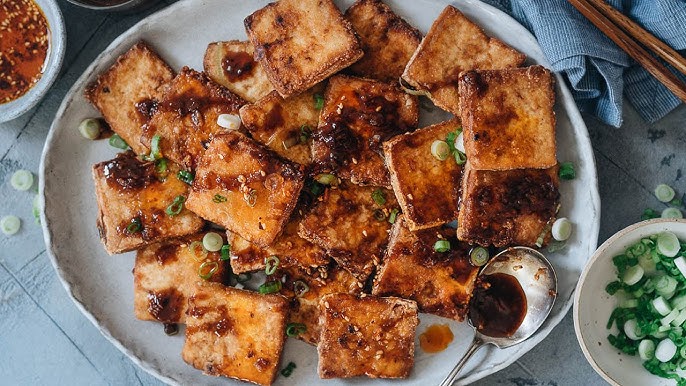
Tofu Marinade Recipe: Let’s be honest—tofu gets a bad reputation. Some say it’s bland or boring. But the truth is, tofu is a blank canvas. And in cooking, the paint is marinade.
The best part? It’s simple. You don’t need fancy tools or rare ingredients. Just a few pantry staples and the right method can give you restaurant-quality tofu at home.
In this step-by-step guide, you’ll learn how to marinate tofu properly—ingredients, timing, and common mistakes included. By the end, you won’t just make tofu taste good. You’ll make it amazing.
Understanding Tofu: Types, Textures, and Best Choices for Marinating
Before we even talk about marinade, we need to talk about tofu itself. Not all tofu is created equal. Choosing the right type can mean the difference between flavorful perfection and a crumbly mess.
Tofu is made from soybeans, and its texture depends on how much water is pressed out during production. The more water removed, the firmer the tofu becomes. That firmness plays a huge role in how well it holds marinade.
Soft Tofu
Soft tofu has a high water content and a silky texture. It’s delicate and smooth—perfect for soups, smoothies, or desserts. But for marinating? Not ideal. It breaks apart easily and doesn’t hold structure when cooked.
Firm & Extra-Firm Tofu
This is your best friend when it comes to marinating. Firm and extra-firm tofu contain less water, meaning they absorb marinade beautifully while maintaining their shape. They’re sturdy enough for baking, grilling, pan-frying, or air frying.
If you’re unsure, always grab extra-firm. It’s versatile, forgiving, and perfect for beginners.
Super-Firm Tofu
Super-firm tofu contains even less moisture and often doesn’t require pressing. It has a dense, almost meat-like texture, making it excellent for hearty dishes. It absorbs marinade slightly slower but holds flavor extremely well once soaked.
When selecting tofu for this recipe, go with extra-firm or super-firm. They provide the best balance of texture and absorption.
Understanding your tofu is step one. Think of it as choosing the right foundation before building a house. Once you’ve got that right, everything else becomes easier—and more delicious.
Why Marinating Tofu Is Essential for Flavor
Imagine cooking chicken without seasoning. Or steak without salt. Sounds bland, right? The same logic applies to tofu—except tofu starts even more neutral.
Tofu doesn’t naturally contain strong flavors. That’s why marinating isn’t optional. It’s the key step that turns tofu from plain protein into a flavor-packed star.
When tofu marinates, it absorbs the surrounding liquid through tiny air pockets inside its structure. But here’s the catch: tofu is mostly water. If you don’t press it first, that water blocks flavor absorption. Instead of soaking up marinade, it just sits there.
That’s why pressing and marinating go hand in hand.
A well-balanced tofu marinade does three things:
- Adds depth and complexity
- Enhances texture
- Improves caramelization during cooking
When tofu cooks after marinating, the sugars and oils in the marinade create beautiful browning. That golden crust? That’s flavor magic happening right before your eyes.
And here’s something people don’t realize—marinating doesn’t just add surface flavor. Given enough time, it penetrates deeper. The result is tofu that tastes seasoned all the way through, not just coated on the outside.
If you’ve struggled with tofu before, chances are you skipped proper marination or didn’t let it sit long enough. But once you understand how essential this step is, everything changes.
Marinating tofu isn’t just about adding flavor. It’s about transforming it.
The Science Behind a Perfect Marinade
A great marinade isn’t random. It’s balanced. It’s intentional. And yes, there’s actual science behind it.
Every effective marinade contains a few core components that work together to create depth and harmony.
Acid
Acid brightens flavor. Think lemon juice, rice vinegar, apple cider vinegar, or lime juice. Acid helps break down surface proteins slightly, allowing flavors to penetrate more effectively.
But don’t overdo it. Too much acid can make tofu mushy.
Oil
Oil carries flavor. Many spices and aromatics dissolve better in fat than water. Oil also helps with browning when cooking, creating that golden crust we all love.
Sesame oil, olive oil, or avocado oil work beautifully.
Salt
Salt is non-negotiable. It enhances every other ingredient. Soy sauce, tamari, or coconut aminos are excellent salty bases that also add umami.
Sweetness
A small touch of sweetness balances acidity and salt. Maple syrup, honey, or brown sugar can round out the flavor profile.
Aromatics
Garlic, ginger, herbs, spices—this is where personality shines. Aromatics create complexity and character.
When all these elements work together, you get a marinade that’s balanced, bold, and layered.
Think of it like a band. Acid is the lead singer. Salt is the drummer. Oil is the bassline. Sweetness adds harmony. Aromatics? They’re the guitar solo.
Individually, they’re fine. Together, they’re unforgettable.
Ingredients You’ll Need
Now let’s get practical. You understand the science. You know why marinating matters. But what exactly goes into a truly flavorful tofu marinade? The beauty of this recipe is that it uses simple pantry staples—nothing complicated, nothing hard to find.
Here’s your core marinade base that delivers bold, balanced flavor every single time.
Core Ingredients
- ¼ cup soy sauce (or tamari for gluten-free)
- 1 tablespoon rice vinegar (or lemon juice)
- 1 tablespoon maple syrup or honey
- 1 tablespoon sesame oil (or olive oil)
- 2 cloves garlic, minced
- 1 teaspoon freshly grated ginger
- ½ teaspoon black pepper
- ½ teaspoon red pepper flakes (optional for heat)
This combination creates a perfect balance of salty, sweet, tangy, and savory. The soy sauce provides umami depth. The vinegar brightens the profile. Maple syrup balances the salt. Sesame oil adds warmth and nuttiness. Garlic and ginger bring aromatic punch.
Optional Flavor Boosters
Want to customize it? Try adding:
- 1 tablespoon sriracha for spice
- 1 teaspoon smoked paprika for smoky depth
- 1 tablespoon Dijon mustard for tang
- Fresh chopped cilantro for brightness
- 1 teaspoon miso paste for extra umami
Think of this base recipe as your starting point. Once you master it, you can tweak it endlessly. Craving something spicy? Add heat. Prefer it sweet? Increase maple syrup slightly. Want it more savory? Add a splash more soy sauce.
The key is balance. Taste your marinade before adding tofu. It should taste slightly stronger than you want the final tofu to be. Why? Because tofu will mellow it out as it absorbs the flavors.
Now that your ingredients are ready, let’s prepare the tofu properly.
Kitchen Tools You’ll Need
Before we jump into the process, let’s make sure you’re equipped. You don’t need fancy gadgets, but a few simple tools make everything easier.
Here’s what you’ll need:
- Cutting board
- Sharp knife
- Mixing bowl
- Whisk or fork
- Shallow dish or airtight container
- Paper towels or clean kitchen towel
- Heavy object (like a cast iron skillet or books)
Optional but helpful:
- Tofu press
- Zip-top bag for marinating
- Baking sheet (if baking)
- Non-stick skillet (if pan-frying)
That’s it. No complicated equipment. No specialty tools required. Tofu marinades are beautifully low-maintenance.
Now comes one of the most important steps—pressing.
How to Press Tofu Properly
If you skip this step, you’re leaving flavor on the table. Pressing removes excess water, making room for marinade to soak in.
Traditional Pressing Method
- Remove tofu from packaging and drain excess water.
- Wrap the block in paper towels or a clean kitchen towel.
- Place it on a flat surface or plate.
- Put something heavy on top—like a skillet or a few cookbooks.
- Let it press for 20–30 minutes.
During this time, you’ll notice water pooling around the tofu. That’s exactly what you want. The less water inside, the more space for flavor.
Quick Pressing Hack
Short on time? Slice the tofu into slabs first. Thinner pieces release water faster. Press for 10–15 minutes instead of 30.
Super-firm tofu may not require pressing at all. But if you’re using extra-firm tofu, pressing makes a noticeable difference.
Think of pressing like squeezing out a sponge before dipping it into soapy water. If it’s already full of water, it won’t absorb much else.
Now that your tofu is properly prepped, let’s move into the full process.
Step-by-Step Guide to Making the Perfect Tofu Marinade
This is where everything comes together. Follow these steps carefully, and you’ll get flavorful, beautifully seasoned tofu every time.
Step 1: Press the Tofu
As covered above, remove excess moisture. Don’t rush this step. Flavor absorption depends on it.
Step 2: Cut the Tofu
Once pressed, cut the tofu into your desired shape:
- Cubes for stir-fries
- Slabs for sandwiches
- Triangles for salads
- Strips for wraps
Smaller pieces absorb flavor faster. Larger slabs take longer but stay juicier inside.
Step 3: Prepare the Marinade
In a mixing bowl, combine:
- Soy sauce
- Vinegar
- Maple syrup
- Sesame oil
- Garlic
- Ginger
- Spices
Whisk until fully combined. Taste it. Adjust if needed.
Step 4: Marinate the Tofu
Place tofu pieces in a shallow dish or zip-top bag. Pour marinade over them. Make sure every piece is coated.
If using a dish, flip tofu halfway through marinating.
Step 5: Let It Rest
Allow tofu to marinate for at least 30 minutes. For deeper flavor, refrigerate for 2–24 hours.
The longer it sits, the stronger the flavor becomes.
Step 6: Cook Using Your Preferred Method
Remove tofu from marinade and cook as desired. Reserve leftover marinade if you’d like to reduce it into a sauce (boil it first for safety).
And that’s it. Simple, structured, and incredibly effective.
How Long Should You Marinate Tofu?
This is one of the most common questions. And the answer? It depends on your schedule and how bold you want the flavor.
Here’s a general guideline:
| Marinating Time | Flavor Intensity |
|---|---|
| 30 minutes | Light flavor |
| 1–2 hours | Balanced flavor |
| 4–8 hours | Deep flavor |
| 24 hours | Maximum flavor |
If you’re in a rush, 30 minutes works. But if you can plan ahead, overnight marination delivers incredible depth.
One important note: tofu won’t over-marinate the way meat sometimes does. It’s fairly forgiving. Just avoid excessive acid for extended periods.
For best results, refrigerate while marinating. And always keep tofu sealed to prevent drying out.
Flavor is a function of time. The longer you wait, the richer the result.
Best Cooking Methods After Marinating
Now comes the fun part—cooking.
Pan-Frying
Heat a non-stick skillet over medium heat. Add a small amount of oil. Cook tofu for 3–4 minutes per side until golden brown.
Pan-frying creates crispy edges and a soft interior. It’s quick and perfect for weeknight meals.
Baking
Preheat oven to 400°F (200°C). Place tofu on a lined baking sheet. Bake for 25–30 minutes, flipping halfway.
Baking gives a chewy, slightly firm texture with caramelized edges.
Grilling
Brush grill grates with oil. Grill tofu slabs for 4–5 minutes per side.
Grilling adds smoky depth and beautiful char marks.
Air Frying
Air fry at 375°F (190°C) for 12–15 minutes.
This method delivers maximum crispiness with minimal oil.
Each method creates a slightly different texture. Try them all and find your favorite.
Flavor Variations to Try
Once you master the base marinade, experiment.
Asian-Inspired
- Soy sauce
- Sesame oil
- Ginger
- Garlic
- Sriracha
Mediterranean
- Olive oil
- Lemon juice
- Oregano
- Garlic
- Paprika
Spicy Smoky BBQ
- BBQ sauce
- Smoked paprika
- Maple syrup
- Apple cider vinegar
Lemon Herb
- Lemon zest
- Thyme
- Rosemary
- Olive oil
Tofu adapts beautifully to global flavors. Don’t limit yourself.
Common Mistakes to Avoid
Even simple recipes have pitfalls.
- Skipping pressing
- Not marinating long enough
- Using too much acid
- Overcrowding the pan
- Not tasting the marinade
Avoid these mistakes, and your tofu will consistently taste incredible.
Storage and Meal Prep Tips
Marinated tofu stores well.
- Refrigerate raw marinated tofu up to 3 days.
- Cooked tofu lasts 4–5 days in an airtight container.
- Freeze cooked tofu for up to 2 months.
To reheat, use a skillet or air fryer for best texture.
Meal prep tip: marinate on Sunday, cook fresh throughout the week.
Nutritional Benefits of Marinated Tofu
Tofu isn’t just tasty—it’s nutritious.
- High in plant-based protein
- Rich in iron and calcium
- Low in saturated fat
- Cholesterol-free
It supports muscle health, heart health, and overall balanced eating.
When combined with vegetables and whole grains, marinated tofu becomes a complete, satisfying meal.
Serving Ideas and Pairings
Wondering how to use your flavorful tofu?
Try it:
- Over rice bowls
- In wraps or sandwiches
- On top of salads
- In stir-fries
- With roasted vegetables
- In grain bowls
Add avocado, pickled veggies, or fresh herbs for extra texture and brightness.
Tofu works in nearly any cuisine. Think of it as your versatile protein base.
FAQs about Tofu Marinade Recipe
1. Can I marinate tofu without pressing it?
You can, but the results won’t be as flavorful. Pressing removes excess water, allowing the tofu to absorb the marinade more effectively and improving overall texture.
2. Can I reuse tofu marinade?
Yes, but only after boiling it for a few minutes. Boiling kills bacteria and makes it safe to reuse as a sauce or glaze.
3. Is tofu marinade the same as meat marinade?
The basic idea is similar, but tofu needs pressing first and absorbs flavor rather than tenderizing like meat does.
4. Can I freeze marinated tofu?
Yes. Freezing slightly changes the texture, making tofu chewier and even better at soaking up marinade once thawed.
5. What is the best tofu for beginners?
Extra-firm tofu is ideal for beginners. It’s easy to handle, keeps its shape, and absorbs marinade beautifully.
Conclusion
A good tofu marinade recipe isn’t complicated—it’s intentional. With the right balance of salty, sweet, acidic, and aromatic elements, tofu transforms from bland to bold.
Press it properly. Marinate it patiently. Cook it confidently.
Once you master this step-by-step guide, tofu becomes one of the most versatile ingredients in your kitchen. It’s affordable, nutritious, adaptable, and incredibly satisfying when done right.
Flavor is in your hands now.