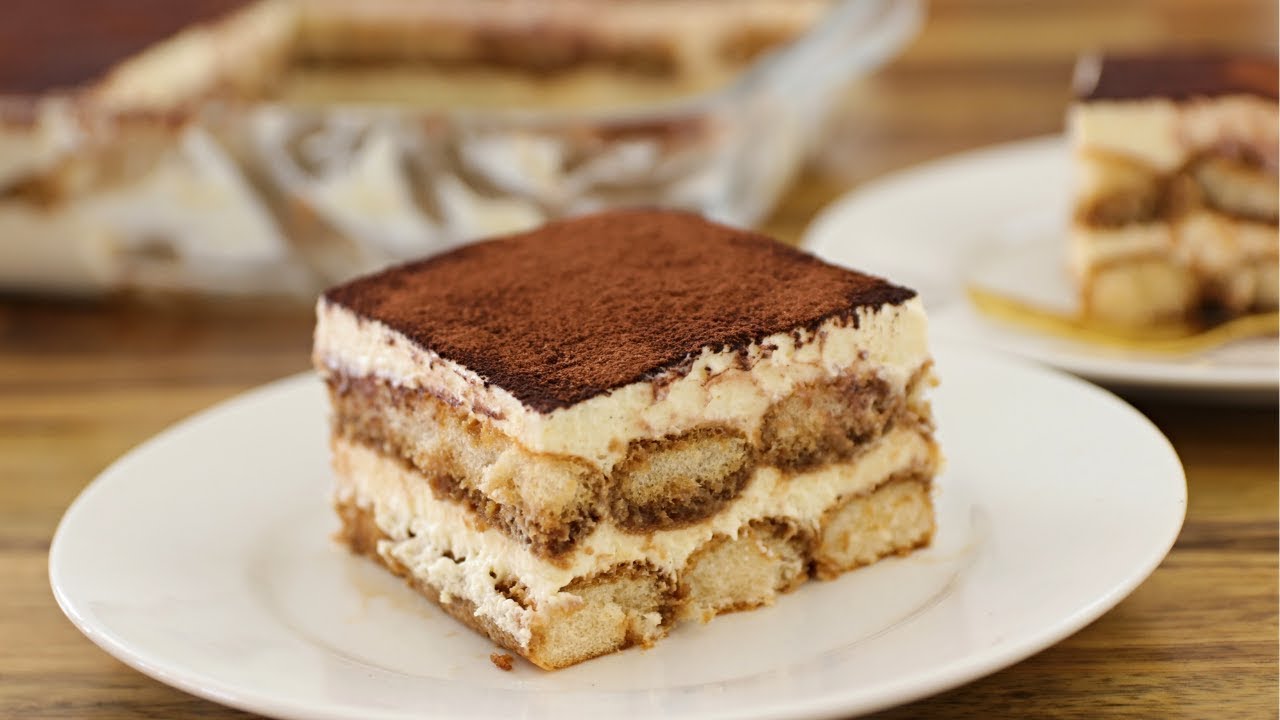
Italian Tiramisu Recipe: If there’s one dessert that perfectly captures the soul of Italy, it’s tiramisu. Creamy, rich, delicately sweet, and kissed with bold espresso flavor—this iconic Italian dessert is pure comfort in every bite. The name “tiramisu” literally means “pick me up,” and honestly, that’s exactly what it does. One spoonful and you’re instantly transported to a cozy Italian café, where time slows down and dessert is never rushed.
What makes authentic Italian tiramisu so special? It’s not just the ingredients—it’s the balance. The airy mascarpone cream melts into coffee-soaked ladyfingers, while a dusting of cocoa powder adds just the right hint of bitterness. It’s luxurious without being heavy. Sweet, but not overwhelming. Simple, yet elegant.
And here’s the beautiful part: you don’t need to be a professional pastry chef to make it. With the right ingredients, proper technique, and a little patience, you can recreate restaurant-quality tiramisu in your own kitchen. No baking required. No complicated equipment. Just layering, chilling, and enjoying.
In this complete step-by-step guide, you’ll learn everything from selecting the right ingredients to layering like a pro. Whether you’re preparing dessert for a dinner party, a romantic evening, or simply craving something indulgent, this Italian tiramisu recipe will become your go-to favorite.
Let’s dive deeper into the story behind this legendary dessert.
The History and Origin of Authentic Italian Tiramisu
Tiramisu may feel timeless, but surprisingly, it’s a relatively modern dessert. Most food historians trace its origin back to the Veneto region of Italy during the 1960s or 1970s. Unlike traditional Italian desserts that date back centuries, tiramisu is considered a contemporary classic.
Several regions in Italy claim to be the birthplace of tiramisu—Treviso being the most widely accepted. Legend has it that the dessert was first created in a small restaurant as an energizing treat. The combination of coffee, eggs, sugar, and cocoa was thought to provide a quick boost—hence the name “pick me up.”
Originally, tiramisu was a humble dessert made with simple pantry ingredients. No alcohol, no fancy toppings—just pure flavors working in harmony. Over time, variations began to appear. Some added Marsala wine. Others experimented with whipped cream instead of eggs. While these adaptations are delicious, traditional Italian tiramisu sticks closely to the basics: mascarpone, eggs, sugar, espresso, ladyfingers, and cocoa powder.
What’s fascinating is how this dessert conquered the world. From Rome to New York, Tokyo to London, tiramisu is now a staple in restaurants globally. It represents comfort, indulgence, and authentic Italian hospitality.
Yet despite its international fame, true tiramisu remains simple at heart. And that simplicity is what makes mastering it so satisfying.
Why This Classic Dessert Remains So Popular Worldwide
Why has tiramisu stood the test of time? What makes it one of the most beloved desserts on the planet? The answer lies in its perfect balance of texture and flavor.
First, there’s the texture. Think about it—soft, coffee-soaked ladyfingers layered with velvety mascarpone cream. It’s airy but rich. Light yet satisfying. Every spoonful feels like a cloud infused with espresso. It doesn’t overwhelm the palate, which means you can always go back for seconds (or thirds).
Then there’s the flavor profile. Tiramisu hits multiple notes at once:
- Sweet from the sugar and mascarpone
- Bitter from the espresso and cocoa
- Creamy from whipped eggs and cheese
- Slightly tangy from mascarpone
It’s like a perfectly composed symphony. No single flavor dominates.
Another reason for its global popularity? It’s a no-bake dessert. That makes it approachable for home cooks. You don’t need to worry about oven temperatures, rising times, or complicated pastry techniques. Just layer and chill.
Plus, tiramisu is incredibly versatile. You can make it traditional, alcohol-free, chocolate-infused, or even fruit-flavored. Yet the classic version always wins hearts.
And let’s be honest—there’s something elegant about serving tiramisu. It looks impressive, tastes luxurious, and feels special. It’s the kind of dessert that turns an ordinary dinner into an occasion.
Now that we understand its charm, let’s talk about what you actually need to make authentic Italian tiramisu.
Ingredients You’ll Need
Making professional-quality Italian tiramisu starts with choosing the right ingredients. Because this dessert is simple, every component matters. There’s nowhere for poor quality to hide.
Here’s the complete list of ingredients:
- 6 large fresh eggs (separated)
- 1 cup (200g) granulated sugar
- 16 oz (450g) mascarpone cheese
- 2 cups strong brewed espresso (cooled)
- 24–30 ladyfinger biscuits (Savoiardi)
- Unsweetened cocoa powder (for dusting)
- Optional: 2–3 tablespoons Marsala wine or dark rum
That’s it. No heavy cream. No gelatin. No complicated additives. Authentic tiramisu relies on fresh eggs to create that airy, luxurious texture.
When shopping, prioritize quality. Use high-quality mascarpone—it should be thick, creamy, and slightly sweet. Choose strong espresso rather than regular drip coffee. The coffee flavor is central to the dessert’s identity.
Also, make sure your ladyfingers are crisp and dry. Soft biscuits won’t absorb the espresso properly and may collapse.
Simple ingredients. Incredible result.
Let’s take a closer look at each component.
Ladyfingers (Savoiardi Biscuits)
Ladyfingers, or Savoiardi, are the backbone of tiramisu. Without them, you don’t have structure. These light, airy sponge biscuits are specifically designed to absorb liquid without completely falling apart.
When dipped into espresso, ladyfingers soak up just enough moisture to become tender while still holding their shape. This creates that iconic layered effect when sliced.
Avoid soft sponge cake or homemade substitutes unless you’re experienced. Authentic Savoiardi are slightly crisp on the outside and dry inside. That dryness is essential—it allows them to absorb coffee evenly without turning mushy.
Here’s a quick tip: never soak them for too long. A quick dip—one second per side—is enough. Over-soaking is one of the most common mistakes beginners make.
If you want professional results, choose imported Italian Savoiardi. The texture difference is noticeable. They’re sturdier and hold their structure beautifully after chilling.
Think of ladyfingers as the foundation of a house. If the base is weak, everything collapses. Choose wisely, dip carefully, and layer confidently.
Mascarpone Cheese
Mascarpone is the heart of tiramisu. This rich, creamy Italian cheese gives the dessert its signature smoothness and luxurious mouthfeel.
Unlike cream cheese, mascarpone is softer, milder, and slightly sweet. It blends effortlessly with egg yolks and sugar, creating a velvety filling that feels almost like silk.
When buying mascarpone, look for:
- Thick and smooth consistency
- No watery separation
- Fresh expiration date
Avoid low-fat versions. Authentic tiramisu requires full-fat mascarpone for proper texture and flavor. Cutting corners here will affect the final result.
Before mixing, allow mascarpone to sit at room temperature for about 20 minutes. This makes it easier to blend without lumps. But don’t let it get too warm—it can become runny.
Here’s something many people don’t realize: overmixing mascarpone can cause it to break and become grainy. Gentle folding is key. Treat it delicately, and it will reward you with the smoothest cream imaginable.
Mascarpone is what transforms simple ingredients into something extraordinary. It’s not just cheese—it’s the soul of tiramisu.
Fresh Eggs
Eggs are what give authentic Italian tiramisu its light, airy texture and luxurious structure. Unlike many modern versions that rely on whipped cream, traditional tiramisu uses fresh eggs to create volume and stability. This is where technique truly matters.
You’ll need to separate the eggs—yolks in one bowl, whites in another. The yolks are beaten with sugar until they become pale, thick, and creamy. This stage is crucial. When whisked properly, the mixture should form ribbons as it falls from the whisk. That’s how you know enough air has been incorporated.
The egg whites, on the other hand, are whipped to stiff peaks. This means when you lift the whisk, the peaks stand upright without collapsing. These whipped whites are gently folded into the mascarpone mixture, creating that cloud-like texture tiramisu is famous for.
Now, let’s talk about freshness and safety. Always use the freshest eggs possible. Since this is a no-bake dessert, the eggs remain raw. If you’re concerned, you can use pasteurized eggs, which are safe for consumption without cooking.
Here’s an important tip: avoid overmixing when folding egg whites into the mascarpone mixture. Stirring too aggressively will deflate the air you worked so hard to create. Use a spatula and gentle folding motions—think of it as lifting and turning rather than stirring.
Eggs may seem simple, but they are the hidden architecture behind the dessert’s structure. Treat them carefully, and your tiramisu will be light, stable, and beautifully balanced.
Granulated Sugar
Sugar does more than just sweeten tiramisu—it balances bitterness and enhances texture. When beaten with egg yolks, granulated sugar dissolves and helps create that thick, pale, ribbon-like consistency that forms the base of the mascarpone cream.
Use standard white granulated sugar. Avoid powdered sugar for traditional recipes, as it can slightly alter the texture. The key is dissolving it completely during the whipping stage. If you rub a little mixture between your fingers and feel no graininess, you’re good to go.
Tiramisu isn’t meant to be overly sweet. It’s about balance. The bitterness of espresso and cocoa powder contrasts beautifully with the creamy sweetness of mascarpone and sugar. Too much sugar can overpower the dessert and make it heavy.
If you prefer a slightly less sweet version, you can reduce the sugar by 1–2 tablespoons—but don’t eliminate it entirely. Sugar also stabilizes the egg yolks and contributes to the structure.
Think of sugar as the quiet mediator in this dessert. It smooths out the boldness of coffee and complements the richness of mascarpone without stealing the spotlight.
Strong Espresso Coffee
Espresso is the soul of tiramisu. Without it, the dessert loses its identity. The bold, slightly bitter coffee flavor cuts through the richness of the cream and creates that unmistakable Italian character.
Brew fresh, strong espresso and allow it to cool completely before dipping the ladyfingers. Hot coffee will oversaturate them too quickly, turning them soggy. If you don’t have an espresso machine, use very strong brewed coffee as a substitute—but make sure it’s robust and full-bodied.
For best results:
- Use high-quality coffee beans
- Avoid flavored coffee
- Brew it fresh the same day
Some traditional recipes include 2–3 tablespoons of Marsala wine or dark rum mixed into the espresso. This adds depth and warmth. However, authentic versions often skip alcohol entirely. It’s optional.
Remember: the dipping process should be quick. A one-second dip on each side is enough. The ladyfingers will continue absorbing moisture while chilling.
Espresso gives tiramisu its backbone. It’s the bold voice in the choir—the contrast that keeps the dessert from becoming too sweet or one-dimensional.
Cocoa Powder
The final dusting of unsweetened cocoa powder might seem decorative, but it plays a powerful role. That light bitterness balances the sweetness of the cream and adds a sophisticated finish.
Always use unsweetened cocoa powder. Sweetened versions will make the dessert overly sugary and disrupt the flavor balance.
For a professional touch:
- Use a fine-mesh sieve for dusting
- Apply cocoa just before serving for a fresh look
- Add a second light dusting if needed
High-quality Dutch-processed cocoa gives a darker color and smoother flavor, while natural cocoa offers a sharper taste. Either works—choose based on preference.
That soft cocoa layer is the first thing you see and the last flavor that lingers. It’s like the closing note of a beautiful melody.
Optional Additions and Flavor Enhancers
Traditional tiramisu is beautifully simple, but subtle enhancements can elevate the flavor profile.
Popular optional additions include:
- Marsala wine
- Dark rum
- Coffee liqueur
- Vanilla extract
- Dark chocolate shavings
If using alcohol, mix it directly into the cooled espresso. Keep it minimal—just enough to add depth without overpowering the dessert.
Chocolate shavings between layers can add texture. A hint of vanilla in the mascarpone cream enhances aroma without changing authenticity too much.
However, remember this: less is more. Tiramisu shines because of its simplicity. Don’t overload it.
Essential Tools for Making Tiramisu at Home
You don’t need fancy equipment, but having the right tools makes the process smooth:
- Two large mixing bowls
- Electric mixer or whisk
- Rubber spatula
- Fine-mesh sieve
- 9×13 inch baking dish or similar
Glass dishes work beautifully because you can see the layers. That visual appeal makes serving more impressive.
Clean bowls are critical, especially when whipping egg whites. Any trace of grease will prevent them from forming stiff peaks.
Preparation is simple. Technique is key.
Step-by-Step Guide to Making Italian Tiramisu
Now comes the exciting part—bringing everything together.
Step 1: Prepare the Coffee Mixture
Brew 2 cups of strong espresso and let it cool completely. If using alcohol, stir it in once cooled. Pour the mixture into a shallow bowl for easy dipping.
Cool coffee ensures controlled absorption. Never rush this step.
Step 2: Separate and Whip the Eggs
Carefully separate 6 eggs. In one bowl, beat yolks with sugar until pale and thick. In another bowl, whip egg whites until stiff peaks form.
This creates structure and airiness.
Step 3: Make the Mascarpone Cream
Add mascarpone to the egg yolk mixture. Beat gently until smooth and creamy. Avoid overmixing.
The texture should be thick but spreadable.
Step 4: Combine Everything Smoothly
Gently fold whipped egg whites into the mascarpone mixture using a spatula. Work slowly to preserve air.
The final cream should look light and fluffy.
Step 5: Dip the Ladyfingers Properly
Quickly dip each ladyfinger into the cooled espresso—one second per side. Do not soak.
Arrange them in a single layer in your dish.
Step 6: Layer the Tiramisu
Spread half the mascarpone cream over the ladyfingers. Smooth evenly. Add another dipped layer of ladyfingers. Finish with remaining cream.
Smooth the top carefully.
Step 7: Dust with Cocoa Powder
Using a sieve, dust a generous layer of cocoa powder over the top.
Cover with plastic wrap.
Step 8: Chill Before Serving
Refrigerate for at least 6 hours, preferably overnight. This allows flavors to meld and structure to set.
Patience transforms good tiramisu into unforgettable tiramisu.
Common Mistakes to Avoid When Making Tiramisu
- Over-soaking ladyfingers
- Overmixing mascarpone
- Using weak coffee
- Skipping chill time
- Using low-quality ingredients
Avoid these, and success is guaranteed.
Tips for Achieving Restaurant-Quality Tiramisu
- Use fresh, high-quality ingredients
- Chill overnight
- Slice with a warm knife
- Dust cocoa before serving
Attention to detail makes all the difference.
Variations of Italian Tiramisu
- Chocolate tiramisu
- Strawberry tiramisu
- Lemon tiramisu
- Alcohol-free version
Each offers a new twist while keeping the creamy foundation intact.
How to Store and Preserve Tiramisu
Store covered in the refrigerator for up to 3 days. Do not leave at room temperature for long periods.
Freezing is possible but may slightly alter texture.
Nutritional Information and Serving Suggestions
Tiramisu is indulgent. Serve in moderate portions. Pair with espresso or dessert wine.
Balance richness with smaller slices.
FAQs about Italian Tiramisu Recipe
1. Can I make tiramisu without raw eggs?
Yes, you can. Many people replace the eggs with whipped cream for safety and convenience. While this version is lighter and still delicious, the texture and richness will be slightly different from traditional Italian tiramisu, which relies on eggs for its classic creaminess.
2. How long should tiramisu chill?
Tiramisu should chill for at least 6 hours in the refrigerator. For the best flavor and structure, letting it rest overnight is ideal. This gives the layers time to set properly and allows the coffee and mascarpone flavors to blend beautifully.
3. Can I freeze tiramisu?
Yes, tiramisu can be frozen. Wrap it tightly to prevent freezer burn. When ready to serve, thaw it slowly in the refrigerator. Keep in mind that the texture may change slightly, becoming a bit softer after defrosting.
4. What coffee works best for tiramisu?
Strong espresso is the classic choice and delivers the most authentic flavor. If espresso isn’t available, very strong brewed coffee works well. Avoid weak coffee, as it can make the dessert taste flat.
5. Why is my tiramisu runny?
Runny tiramisu is usually caused by over-soaking the ladyfingers or overmixing the mascarpone filling. Dip ladyfingers quickly, and fold ingredients gently to maintain a thick, stable cream.
Conclusion
Italian tiramisu is more than a dessert—it’s an experience. With simple ingredients and careful technique, you can recreate this classic masterpiece at home. Follow each step patiently, respect the balance of flavors, and allow time for chilling. The result? A creamy, coffee-kissed dessert that truly lives up to its name—“pick me up.”