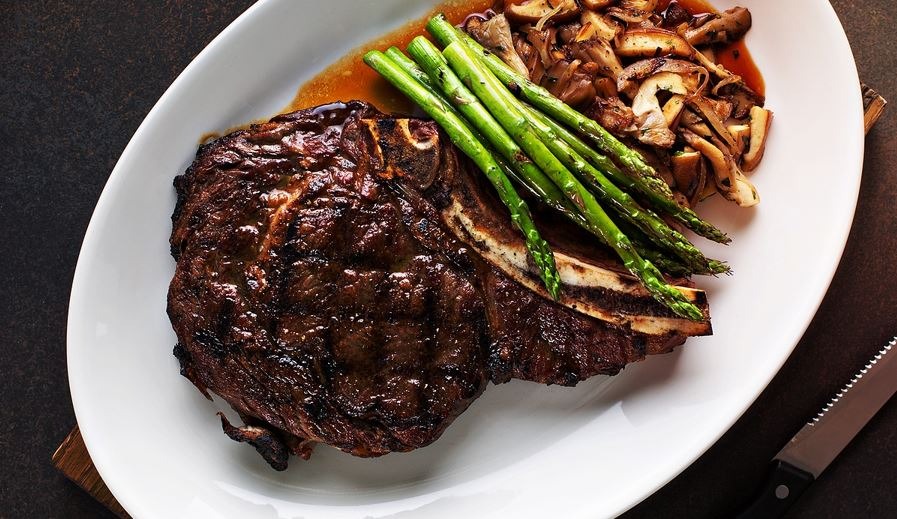
Texas Roadhouse Steak Rub Recipe: If you’ve ever taken a bite of a perfectly seasoned Texas Roadhouse steak, you know exactly what makes it unforgettable. It’s not just the cut of meat or the grill marks. It’s that bold, slightly sweet, savory crust that locks in flavor and makes every bite irresistible.
Making your own steak rub at home also gives you control. You decide the salt level. You adjust the sweetness. You make it exactly how you like it. Whether you’re grilling outdoors on a summer evening or cooking indoors during winter, this seasoning blend works beautifully.
Let’s break it down step by step so you can master it like a pro.
Understanding the Flavor Profile
The Texas Roadhouse steak rub stands out because it doesn’t rely on heavy spice or intense heat. Instead, it builds flavor in layers. Think of it like a well-played song—each ingredient has its moment, but together they create harmony.
The base is salt and sugar. Salt enhances the natural beef flavor, while sugar helps create that caramelized crust when heat hits the steak. Then comes black pepper, giving a gentle bite. Paprika adds warmth and color. Garlic and onion powder bring depth without overpowering. A touch of chili powder or cayenne introduces subtle heat.
What makes this rub special is its balance. It’s not aggressively spicy. It’s not overly sweet. It complements the steak rather than masking it. That’s key. Great seasoning should highlight the meat, not compete with it.
When the rub hits a hot grill, the sugar caramelizes. The spices bloom. The surface forms a flavorful crust while the inside stays juicy. It’s a beautiful contrast—crispy outside, tender inside.
Now that you understand the flavor structure, let’s talk ingredients.
Ingredients You’ll Need
Core Ingredients
Here’s what you’ll need to make an authentic Texas Roadhouse-style steak rub:
- 2 tablespoons kosher salt
- 2 tablespoons brown sugar
- 1 tablespoon black pepper
- 1 tablespoon paprika
- 1 teaspoon garlic powder
- 1 teaspoon onion powder
- 1 teaspoon chili powder
- ½ teaspoon cayenne pepper (optional for extra heat)
That’s it. Simple pantry spices that come together beautifully.
Kosher salt works best because its larger crystals coat the steak evenly. Brown sugar adds subtle sweetness and helps create that crust. Paprika provides color and a mild smoky note. Garlic and onion powder round out the savory base.
Optional Add-Ins for Extra Flavor
If you want to personalize the rub, consider:
- Smoked paprika for deeper smokiness
- Dried thyme for herbal notes
- Ground mustard for tang
- A pinch of cumin for earthiness
These additions aren’t necessary, but they can add complexity.
Ingredient Substitutions and Variations
No brown sugar? Use white sugar with a tiny drop of molasses. Watching sodium? Reduce salt slightly and increase herbs. Prefer less sweetness? Cut sugar by half.
Cooking is flexible. Adjust based on your taste preferences.
Kitchen Tools Required
You don’t need fancy equipment to make this rub. Keep it simple.
Basic Tools for Mixing
- Measuring spoons
- Small mixing bowl
- Whisk or spoon
- Airtight container or spice jar
That’s all.
Storage Tips and Containers
Once mixed, transfer the rub to an airtight container. Glass jars work best because they don’t absorb odors. Store in a cool, dry place away from sunlight. Proper storage keeps the spices fresh and potent.
Step-by-Step Guide to Making Texas Roadhouse Steak Rub
Step 1: Measuring the Ingredients Correctly
Precision matters. Too much salt can overpower. Too much sugar can burn. Use level measuring spoons for accuracy. Add all ingredients to your mixing bowl.
Step 2: Mixing for Even Flavor Distribution
Use a whisk or fork to blend thoroughly. Break up any clumps of brown sugar. The mixture should look uniform in color and texture.
Step 3: Testing and Adjusting the Taste
Dip a fingertip and taste a tiny pinch. Want more heat? Add cayenne. Prefer more sweetness? Increase brown sugar slightly. This is your opportunity to customize.
Once satisfied, your steak rub is ready to use.
How to Apply the Steak Rub Properly
Seasoning technique is just as important as the blend itself.
Preparing the Steak Before Seasoning
Pat the steak dry with paper towels. Moisture prevents proper crust formation. Let the steak sit at room temperature for about 30 minutes before cooking.
How Much Rub to Use
Generously coat both sides. Don’t rub it in aggressively—just press gently so it adheres.
When to Apply the Rub for Best Results
For deeper flavor, season at least 30–40 minutes before cooking. You can even refrigerate it for a few hours uncovered. This helps the seasoning penetrate and creates better crust.
Cooking Methods That Work Best
Grilling the Perfect Steak
Preheat your grill to high heat. Sear the steak 3–5 minutes per side, depending on thickness. Avoid constant flipping. Let the crust form naturally.
Pan-Searing for Indoor Cooking
Heat a cast-iron skillet until very hot. Add a small amount of oil. Sear each side until browned, then reduce heat to finish cooking.
Oven-Finished Steak Technique
Sear first, then transfer to a 400°F oven until desired doneness.
Pro Tips for Restaurant-Quality Results
Great seasoning is only half the story. If you want that true Texas Roadhouse experience, the little details matter just as much as the rub itself. Think of it like building a house—the foundation (your seasoning) is important, but the finishing touches make it feel complete.
First, always start with a good-quality cut of steak. Ribeye, New York strip, and sirloin work beautifully with this rub because their natural marbling complements the sweet and savory blend. Fat equals flavor, and when that fat renders on a hot grill, it mixes with the spices to create magic.
Second, don’t skip the rest time. After cooking, let your steak rest for at least 5–10 minutes. Why? Because cutting into it too early lets all those flavorful juices run out onto the plate instead of staying inside the meat. Resting allows the juices to redistribute, giving you a tender, juicy bite every time.
Another pro tip? Add a small pat of butter right after cooking. As the steak rests, the butter melts into the crust, enhancing richness. You can even mix softened butter with minced garlic and chopped parsley for an easy compound butter.
Finally, always slice against the grain. This shortens muscle fibers and makes each bite more tender. It’s a small step that makes a big difference.
Master these details, and your homemade steak will taste like it came straight from a steakhouse kitchen.
Storing the Steak Rub
One of the best things about this Texas Roadhouse-style steak rub is that you can make it once and use it for weeks. It stores beautifully if handled properly.
After mixing the spices, transfer the blend into an airtight container. Glass jars with tight-fitting lids work best because they protect the spices from moisture and air exposure. Plastic containers are fine too, but make sure they seal tightly.
Store the container in a cool, dark place like a pantry or spice cabinet. Avoid keeping it near the stove, where heat and steam can reduce potency. Spices lose strength when exposed to humidity, so keeping them dry is essential.
Properly stored, this steak rub will stay fresh for up to 3–6 months. While it won’t necessarily “go bad,” the flavor can fade over time. If the aroma becomes weak, it’s time to make a new batch.
A smart trick? Label the jar with the date you made it. This helps you keep track of freshness. Since the recipe is simple, whipping up a new batch only takes a few minutes.
Keeping your spices fresh ensures every steak you cook delivers bold, consistent flavor.
Common Mistakes to Avoid
Even with a simple recipe like this, small mistakes can affect the final result. Let’s make sure that doesn’t happen.
One common mistake is over-seasoning. Because this rub contains salt and sugar, using too much can overpower the steak. The goal is to enhance the natural beef flavor—not bury it. A generous coating is good, but there’s no need to pile it on excessively.
Another mistake is cooking over heat that’s too high for too long. Remember, the rub contains sugar. Sugar caramelizes beautifully—but it can also burn quickly. If your grill or pan is extremely hot and you cook the steak too long without adjusting the heat, the crust may turn bitter.
Skipping the drying step is another issue. If the steak surface is wet, the rub won’t stick properly, and you won’t get that signature crust. Always pat the steak dry before seasoning.
Lastly, avoid flipping the steak too often. Let it sit and develop a crust. Constant flipping prevents proper browning.
By avoiding these simple errors, you’ll consistently produce steakhouse-quality results at home.
Serving Suggestions
A perfectly seasoned steak deserves the right company on the plate. The Texas Roadhouse-style rub pairs wonderfully with classic steakhouse sides.
For a traditional meal, consider:
- Garlic mashed potatoes
- Buttered corn
- Baked potatoes with sour cream and chives
- Steamed green beans
- Seasoned rice
If you want something lighter, try a crisp side salad with a tangy vinaigrette. The acidity balances the richness of the steak.
Bread is another fantastic addition. Warm rolls or crusty bread help soak up any juices left on the plate.
When it comes to sauces, keep it simple. This rub already delivers bold flavor. However, you can pair it with:
- Garlic butter
- Chimichurri sauce
- Peppercorn sauce
- Classic steak sauce
For beverages, a bold red wine, iced tea, or even sparkling water complements the flavors nicely.
Whether you’re serving this for a weeknight dinner or a weekend barbecue, this steak rub elevates the entire meal.
FAQs about Texas Roadhouse Steak Rub Recipe
1. Can I use this steak rub on other meats?
Yes, absolutely. This seasoning works well on chicken, pork chops, and even burgers. It adds a balanced sweet and savory flavor to almost any grilled protein.
2. How long should I let the rub sit on the steak?
For best results, allow the seasoning to sit for at least 30–40 minutes before cooking. For deeper flavor, you can refrigerate the seasoned steak for a few hours.
3. Can I make this rub without sugar?
Yes. You can reduce or omit the sugar, but keep in mind that it helps create the caramelized crust. If omitted, the flavor will be less sweet and slightly less crisp on the outside.
4. What is the best cut of steak for this rub?
Ribeye, New York strip, and sirloin are excellent choices. They have enough marbling to complement the seasoning blend.
5. How do I prevent the rub from burning on the grill?
Cook over high heat to sear, then reduce to medium heat to finish cooking. Avoid leaving the steak directly over intense flames for too long, especially because of the sugar content.
Conclusion
The key lies in balance—salt enhances, sugar caramelizes, spices build depth. When applied correctly and cooked with care, this simple blend transforms an ordinary steak into something extraordinary.
From measuring and mixing to grilling and resting, each step plays a role in delivering that steakhouse-quality experience. Avoid common mistakes, store your rub properly, and don’t forget those finishing touches like butter and proper slicing.
Now you don’t need to wait for a restaurant visit to enjoy that bold, crave-worthy flavor. Your kitchen is fully equipped to deliver it.