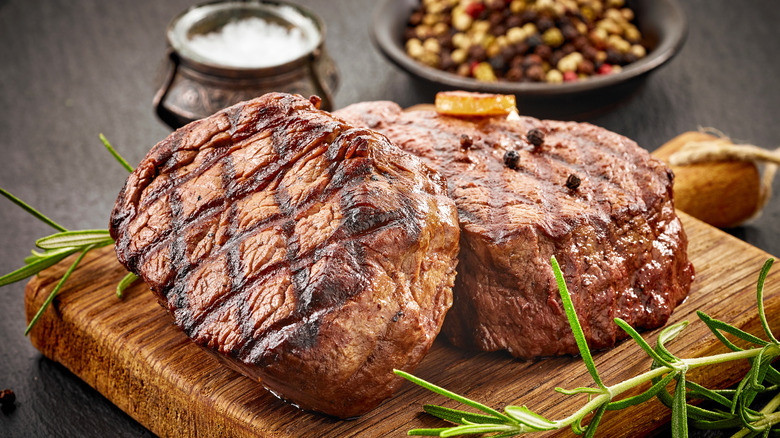
Texas Roadhouse Steak Seasoning Recipe: If you’ve ever dined at Texas Roadhouse, you probably remember the steak. It’s bold, juicy, perfectly seasoned, and packed with flavor in every bite. That signature taste isn’t just about the cut of meat — it’s the seasoning that makes the magic happen.
The good news? You don’t need to be a professional chef or own a commercial grill to recreate it at home. With the right balance of simple pantry spices, you can bring that restaurant-style flavor straight to your kitchen. And honestly, once you try this homemade version, you may never go back to store-bought steak rubs again.
What makes Texas Roadhouse seasoning special is its perfect balance of savory, slightly sweet, smoky, and mildly spicy notes. It enhances the natural flavor of the beef rather than overpowering it. Think of it as the supporting actor that makes the star shine brighter.
In this guide, you’ll learn exactly what ingredients you need and how to mix them step by step. No complicated techniques. No hard-to-find ingredients. Just a simple, classic seasoning blend that works every time.
Let’s get started.
Why This Seasoning Is So Popular
There’s something almost addictive about Texas Roadhouse steaks. The seasoning forms a flavorful crust while locking in juices, giving you that mouthwatering bite that feels both rustic and refined.
So what’s the secret? It’s balance.
Many steak seasonings lean too heavily on salt or spice. Some are overly smoky. Others are bland. Texas Roadhouse seasoning hits the sweet spot — literally and figuratively. It combines saltiness, mild sweetness from sugar, gentle heat from black pepper, and depth from paprika and garlic powder.
Another reason for its popularity is versatility. While it’s famous for steak, you can use it on:
- Burgers
- Chicken
- Pork chops
- Roasted vegetables
- Even fries
It’s one of those blends that becomes a staple once you try it. And since it’s made from everyday spices, it’s budget-friendly and easy to whip up anytime.
Ingredients You’ll Need
The beauty of this recipe lies in its simplicity. You probably already have most of these spices in your kitchen cabinet.
Core Spices and Pantry Staples
Here’s what you’ll need:
- 2 teaspoons kosher salt
- 2 teaspoons brown sugar
- 1 teaspoon black pepper
- 1 teaspoon paprika
- ½ teaspoon garlic powder
- ½ teaspoon onion powder
- ¼ teaspoon chili powder
- ¼ teaspoon turmeric (for color and depth)
Each ingredient plays an important role.
Salt enhances the natural flavor of the steak. Brown sugar adds subtle sweetness and helps create that caramelized crust when cooking. Black pepper provides mild heat. Paprika brings smokiness and color. Garlic and onion powder build savory depth. Chili powder adds a gentle kick. Turmeric isn’t overpowering but gives a warm undertone and rich color.
Optional Ingredients for Extra Flavor
If you want to tweak the blend slightly, you can add:
- A pinch of cayenne pepper for extra heat
- Smoked paprika instead of regular paprika
- A tiny dash of ground mustard
These aren’t necessary, but they can personalize the seasoning to your taste.
Ingredient Measurement Table
| Ingredient | Measurement |
|---|---|
| Kosher Salt | 2 tsp |
| Brown Sugar | 2 tsp |
| Black Pepper | 1 tsp |
| Paprika | 1 tsp |
| Garlic Powder | ½ tsp |
| Onion Powder | ½ tsp |
| Chili Powder | ¼ tsp |
| Turmeric | ¼ tsp |
Step-by-Step Guide to Making Texas Roadhouse Steak Seasoning
Making this seasoning takes less than five minutes. Seriously.
Step 1: Measure the Ingredients Accurately
Precision matters. Too much salt can overpower the blend, and too much sugar can burn quickly on high heat.
Use proper measuring spoons rather than eyeballing. Level off each spoon with a knife to ensure accuracy. This guarantees consistent flavor every time you make it.
If you’re doubling or tripling the recipe, keep the ratios exact. Consistency is key.
Step 2: Mix the Spices Thoroughly
Place all the measured ingredients into a small bowl.
Using a spoon or small whisk, mix everything together until the color is uniform. You shouldn’t see clumps of brown sugar or patches of paprika. The blend should look evenly distributed.
If your brown sugar is clumpy, break it apart before mixing. This helps the seasoning spread evenly over the steak later.
Step 3: Taste and Adjust
Yes, you can taste it.
Dip a clean fingertip into the mixture and taste a small amount. Does it need more salt? More pepper? A little more sweetness?
This is your opportunity to customize. Cooking is personal. Adjust slightly if needed, but keep the balance intact.
Step 4: Store the Seasoning Properly
Transfer the mixture into an airtight spice jar or container.
Store it in a cool, dry place away from direct sunlight. Properly stored, it can last up to six months — although chances are, you’ll use it up long before then.
Label the jar with the date so you know when you made it.
How to Use Texas Roadhouse Steak Seasoning
Now comes the fun part — cooking.
Generously coat both sides of your steak with the seasoning. Don’t be shy. Press it gently into the meat so it adheres well.
For best results, let the seasoned steak sit at room temperature for about 30–40 minutes before cooking. This allows the salt to penetrate the meat and enhances flavor.
You can grill, pan-sear, or broil the steak. High heat helps form that signature crust.
Best Cuts of Steak to Use
Choosing the right cut of steak makes a huge difference in how this seasoning performs. While the Texas Roadhouse seasoning blend works on almost any cut, some steaks truly shine with it.
If you want that classic steakhouse experience, go for ribeye. Ribeye has beautiful marbling, meaning thin streaks of fat run throughout the meat. When cooked, that fat melts and blends perfectly with the seasoning, creating a rich, juicy bite. The slightly sweet and smoky elements in the seasoning balance the richness of the ribeye beautifully.
New York strip is another excellent choice. It’s leaner than ribeye but still tender and flavorful. The seasoning adds depth without overpowering the natural beef flavor. If you prefer a firmer texture with bold flavor, this is a solid option.
For something leaner, try sirloin. It’s more affordable and still delivers great taste when seasoned properly. Since sirloin has less fat, the seasoning becomes even more important — it provides the flavor boost that keeps the steak from tasting plain.
Even filet mignon works well. Though filet is already tender, it’s milder in flavor. This seasoning enhances it without masking its buttery texture.
No matter which cut you choose, make sure it’s at least 1 inch thick. Thicker steaks allow the seasoning to create a flavorful crust while keeping the inside juicy and tender.
How Much Seasoning to Apply
This is where many people go wrong — they under-season their steak.
A good rule of thumb is about 1 tablespoon of seasoning per pound of meat. You want a visible coating on both sides, but not a thick crust of spices that overwhelms the steak.
Here’s a simple method:
- Pat the steak dry with paper towels. Moisture prevents a proper crust.
- Sprinkle seasoning evenly over one side.
- Gently press it into the meat with your hands.
- Flip and repeat on the other side.
- Don’t forget the edges.
The brown sugar in the blend helps create a caramelized crust, so applying enough seasoning ensures you get that signature sear. However, avoid piling it on too thick, especially if cooking over very high heat, as sugar can burn.
Remember, seasoning should enhance — not hide — the natural beef flavor.
When to Apply the Seasoning
Timing matters more than you think.
For best results, season your steak 30 to 40 minutes before cooking and let it rest at room temperature. This short resting period allows the salt to begin penetrating the surface of the meat, enhancing flavor and improving texture.
If you’re short on time, you can season immediately before cooking — it will still taste great. However, letting it rest provides deeper flavor and better moisture retention.
Avoid seasoning hours in advance unless you’re intentionally dry brining. While salt helps flavor development, leaving sugary seasoning on too long can draw moisture out and affect texture.
The sweet spot? Season, rest briefly, cook hot, and enjoy.
Pro Tips for Maximum Flavor
Want your steak to taste like it came straight from a steakhouse kitchen? These simple techniques make all the difference.
First, always start with room temperature steak. Taking the steak out of the fridge about 30 minutes before cooking helps it cook evenly.
Second, use high heat. Whether grilling or pan-searing, high heat creates the Maillard reaction — that beautiful browned crust packed with flavor.
Third, resist the urge to constantly flip or move the steak. Let it sit and develop that crust. Flip only once if possible.
Finally, always let your steak rest after cooking. Five to ten minutes allows juices to redistribute throughout the meat instead of spilling out when sliced.
Small steps. Big results.
Dry Brining Method
If you want to take things to the next level, try dry brining.
Dry brining simply means seasoning the steak and letting it rest uncovered in the refrigerator for several hours — or even overnight. The salt draws moisture to the surface, which then reabsorbs into the meat along with the seasoning.
Here’s how to do it:
- Pat steak dry.
- Apply seasoning evenly.
- Place on a wire rack over a tray.
- Refrigerate uncovered for 4–12 hours.
This method creates deeper flavor and a better crust when cooked. Just be cautious not to overdo the sugar if dry brining for long periods, as it can intensify sweetness.
Dry brining isn’t required, but if you love bold steak flavor, it’s worth trying.
Grilling vs. Pan-Searing
Both methods work beautifully with this seasoning.
Grilling
Grilling adds a smoky char that pairs perfectly with paprika and chili powder in the blend. Preheat the grill to high heat. Cook steaks for about 4–5 minutes per side for medium-rare, depending on thickness.
Pan-Searing
If you don’t have a grill, no problem. Use a heavy cast-iron skillet. Heat it until very hot, add a small amount of oil with a high smoke point, and sear the steak for 3–5 minutes per side.
For extra richness, add a knob of butter, crushed garlic, and a sprig of rosemary during the final minute and spoon the melted butter over the steak.
Both methods produce excellent results — it just depends on your preference and equipment.
Resting Your Steak Properly
This step is often overlooked, but it’s critical.
After cooking, transfer the steak to a plate or cutting board and loosely cover it with foil. Let it rest for at least 5–10 minutes.
Why? Because when steak cooks, the juices move toward the center. Cutting into it immediately causes those juices to spill out. Resting allows them to redistribute evenly throughout the meat.
The result is a juicier, more flavorful steak.
Patience pays off.
Common Mistakes to Avoid
Even with the perfect seasoning, mistakes can ruin your steak. Avoid these common pitfalls:
- Cooking straight from the fridge
- Not drying the steak before seasoning
- Using low heat
- Flipping too often
- Skipping the resting period
Another mistake is using table salt instead of kosher salt. Table salt is finer and saltier by volume, which can throw off the balance of the seasoning.
Keep it simple. High heat, proper timing, and balanced seasoning make all the difference.
How to Store and Shelf Life
Store your homemade Texas Roadhouse steak seasoning in an airtight container in a cool, dry place. Avoid humidity and direct sunlight, which can degrade spices quickly.
Properly stored, the blend stays fresh for up to six months. However, spices gradually lose potency over time. If the aroma fades, it’s time to make a new batch.
For best flavor, consider making smaller batches more frequently. Fresh spices mean better taste.
FAQs about Texas Roadhouse Steak Seasoning Recipe
1. Can I make this seasoning without sugar?
Yes, you can omit brown sugar if you prefer a low-sugar option. However, the slight sweetness helps create caramelization and balance the savory flavors.
2. Is this seasoning spicy?
Not really. It has mild warmth from black pepper and chili powder, but it’s not overly spicy. You can add cayenne if you prefer more heat.
3. Can I use this seasoning on chicken or pork?
Absolutely. It works great on grilled chicken, pork chops, and even roasted vegetables.
4. How long should I cook my steak?
Cooking time depends on thickness and desired doneness. Use a meat thermometer for accuracy: 130–135°F for medium-rare, 140–145°F for medium.
5. Can I double or triple the recipe?
Yes. Simply maintain the same ingredient ratios when scaling up.
Conclusion
Recreating Texas Roadhouse steak seasoning at home is surprisingly simple. With just a handful of pantry spices, you can build a bold, balanced blend that transforms an ordinary steak into a restaurant-quality meal.
The key lies in the balance of salt, sweetness, smokiness, and mild heat. Combine that with proper cooking technique — high heat, minimal flipping, and proper resting — and you’ll achieve that signature steakhouse flavor every time.
No complicated steps. No expensive ingredients. Just simple seasoning done right.
Now it’s your turn. Grab your favorite cut, mix up the seasoning, and fire up the grill.