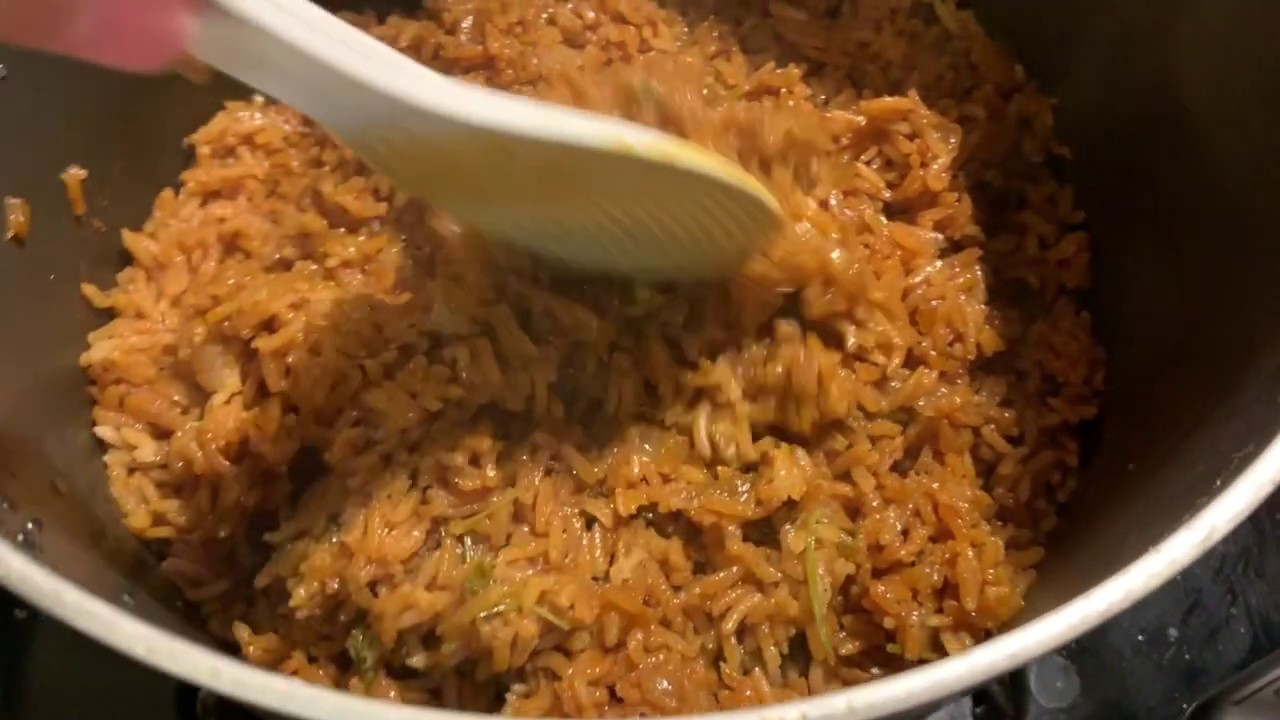
Texas Roadhouse Seasoned Rice Recipe: There’s something about Texas Roadhouse seasoned rice that keeps people coming back for more. It’s not just rice—it’s flavorful, slightly smoky, perfectly seasoned comfort food that pairs effortlessly with steak, chicken, ribs, or even a simple grilled vegetable plate. If you’ve ever taken a bite and wondered, “Why can’t my rice taste like this at home?” you’re in the right place.
This recipe brings that restaurant-style magic straight into your kitchen. And the best part? It’s simple. No complicated techniques. No hard-to-find ingredients. Just classic pantry staples combined in the right way. Think of it like turning plain white rice into the star of the show instead of the quiet side character.
Why This Side Dish Is So Popular
Texas Roadhouse seasoned rice stands out because it delivers bold flavor without overpowering the main dish. It’s savory, slightly buttery, with hints of paprika and garlic that create depth without being spicy. It complements grilled meats beautifully because it carries a mild smokiness and warmth that balances rich proteins.
People love it because it feels hearty but not heavy. It’s satisfying without stealing attention from your steak or ribs. That balance is what makes it such a popular choice.
What Makes It Different from Regular Rice
Regular rice can sometimes taste bland if not properly seasoned. Texas Roadhouse rice, however, is cooked in broth instead of water and infused with spices during the cooking process—not after. That’s the key difference. The flavor builds from the start, soaking into every grain as it cooks.
Now let’s get into exactly what you’ll need.
Ingredients You’ll Need
Before you start cooking, gather everything. This recipe works best when prepared with fresh ingredients and measured spices. The combination is simple, but each component plays an important role.
Core Ingredients
- 1 cup long-grain white rice
- 2 cups chicken broth (low sodium preferred)
- 1 tablespoon butter
- 1 tablespoon olive oil
- 1 teaspoon paprika
- ½ teaspoon garlic powder
- ½ teaspoon onion powder
- ½ teaspoon dried parsley
- ¼ teaspoon cayenne pepper (optional for slight heat)
- ½ teaspoon salt (adjust to taste)
- ¼ teaspoon black pepper
These ingredients create that signature savory flavor. The chicken broth replaces water, giving depth and richness. Paprika provides color and mild smokiness. Garlic and onion powder build that classic restaurant taste.
Optional Add-Ins for Extra Flavor
- Finely chopped onions (2 tablespoons)
- Minced garlic (1 clove)
- A squeeze of fresh lemon juice
- Chopped fresh parsley for garnish
Optional additions elevate the rice and give it a homemade twist. If you enjoy slightly more texture and aroma, sautéed onions and garlic make a noticeable difference.
Kitchen Tools Required
You don’t need professional kitchen equipment. Keep it simple:
- Medium saucepan with lid
- Wooden spoon or silicone spatula
- Measuring cups and spoons
- Fork for fluffing
A heavy-bottomed saucepan works best because it distributes heat evenly. Thin pans can cause the rice to burn at the bottom before it finishes cooking. If you’ve ever scraped crunchy rice off a pot, you know exactly what I mean.
Understanding the Flavor Profile
Before diving into the cooking process, let’s talk about flavor. Texas Roadhouse seasoned rice isn’t spicy, but it isn’t plain either. It sits right in the middle—a savory, slightly smoky, buttery balance.
Paprika gives it warmth and color. Garlic and onion powders add depth without sharpness. Chicken broth ties everything together, creating a rich base that water simply can’t replicate. The butter adds smoothness, making each bite feel soft and satisfying.
The beauty of this dish is subtle layering. Nothing screams for attention, but together they create something memorable. That’s the secret.
Step-by-Step Guide to Making Texas Roadhouse Seasoned Rice
Now, let’s walk through the cooking process carefully. Each step builds flavor and texture.
Step 1: Preparing the Ingredients
Start by measuring your rice accurately. Too much rice and the liquid won’t cook properly. Rinse the rice under cold water until the water runs clear. This removes excess starch and prevents clumping.
If you’re using onions or fresh garlic, chop them finely so they blend into the rice instead of overpowering it. Have all spices measured and ready before turning on the heat. Cooking rice moves quickly once it starts, so preparation matters.
Step 2: Sautéing for Maximum Flavor
Place your saucepan over medium heat. Add olive oil and butter. Once the butter melts, add the rice. Stir continuously for 2–3 minutes.
This step is crucial. Toasting the rice lightly enhances its nutty flavor and prevents it from becoming mushy later. If using onions or garlic, add them now and sauté until fragrant. The aroma will start building immediately.
Step 3: Adding Liquids and Seasonings
Carefully pour in the chicken broth. The mixture may bubble slightly—that’s normal. Add paprika, garlic powder, onion powder, parsley, cayenne (if using), salt, and pepper.
Stir gently to combine. Make sure the spices are evenly distributed. Bring the mixture to a light boil. Once it reaches a boil, reduce the heat to low.
Step 4: Simmering the Rice to Perfection
Cover the saucepan with a tight-fitting lid. Let it simmer on low heat for about 18–20 minutes. Avoid lifting the lid during cooking. Every time you open it, steam escapes, and steam is what cooks the rice evenly.
After 18 minutes, check if the liquid is absorbed and the rice is tender. If needed, cook for an additional 2–3 minutes.
Step 5: Fluffing and Finishing Touches
Remove the pan from heat and let it sit covered for 5 minutes. This resting period allows moisture to redistribute evenly.
Use a fork—not a spoon—to fluff the rice gently. This keeps the grains separate and light. Garnish with fresh parsley if desired.
Your seasoned rice is now ready to serve.
Pro Tips for Perfect Seasoned Rice Every Time
Want restaurant-quality results every single time? Follow these tips:
- Always use broth instead of water
- Toast the rice before adding liquid
- Keep the lid closed while simmering
- Let it rest before fluffing
- Use long-grain rice for the best texture
Small details make a big difference. Rice may seem simple, but technique transforms it.
Common Mistakes to Avoid
Even simple recipes can go wrong. Here’s what to watch for:
- Using too much liquid
- Cooking on high heat
- Stirring during simmering
- Skipping the resting time
Cooking rice on high heat often causes the bottom to burn while the top remains undercooked. Low and slow wins every time.
How to Store and Reheat Seasoned Rice
Store leftover rice in an airtight container in the refrigerator for up to 4 days. To reheat, sprinkle a tablespoon of water over the rice and microwave covered for 1–2 minutes. The added moisture prevents dryness.
For stovetop reheating, warm over low heat with a splash of broth. Stir gently until heated through.
Serving Suggestions and Pairings
Texas Roadhouse seasoned rice pairs beautifully with:
- Grilled steak
- BBQ ribs
- Lemon herb chicken
- Grilled shrimp
- Roasted vegetables
It also works as a base for rice bowls. Add grilled protein, avocado, and fresh salsa for a complete meal.
How to Customize This Recipe
Want to switch things up?
- Add diced bell peppers for color
- Mix in cooked mushrooms
- Use vegetable broth for a vegetarian version
- Sprinkle shredded cheese on top
The base recipe is classic, but small tweaks can make it your own.
Nutritional Overview
This seasoned rice is moderately calorie-dense but balanced. Using olive oil instead of additional butter keeps it lighter. Choosing low-sodium broth helps control salt intake.
Portion control matters. As a side dish, one serving is typically about ½ to 1 cup cooked rice.
FAQs about Texas Roadhouse Seasoned Rice Recipe
1. Can I use brown rice instead of white rice?
Yes, you can use brown rice, but you’ll need to adjust both the cooking time and the liquid. Brown rice takes longer to cook and requires more broth to become tender.
2. Is this rice spicy?
Not really. The cayenne pepper is optional and adds only a mild warmth. You can reduce it, increase it, or leave it out entirely based on your preference.
3. Can I make this in a rice cooker?
Yes. For best results, sauté the rice and seasonings on the stovetop first, then transfer everything to the rice cooker and cook as usual.
4. Why is my rice mushy?
Mushy rice is usually caused by too much liquid or overcooking. Measure ingredients carefully and avoid stirring too much while it cooks.
5. Can I freeze seasoned rice?
Absolutely. Store it in airtight containers and freeze for up to 2 months. Reheat gently with a splash of broth to restore moisture and flavor.
Conclusion
Texas Roadhouse seasoned rice proves that simple ingredients, when combined thoughtfully, can create something truly satisfying. It’s warm, flavorful, and comforting without being complicated. By toasting the rice, cooking it in broth, and layering spices at the right time, you recreate that signature restaurant flavor at home.
Now you don’t have to wait for your next steakhouse visit to enjoy it. One saucepan, a handful of spices, and about 30 minutes—that’s all it takes.